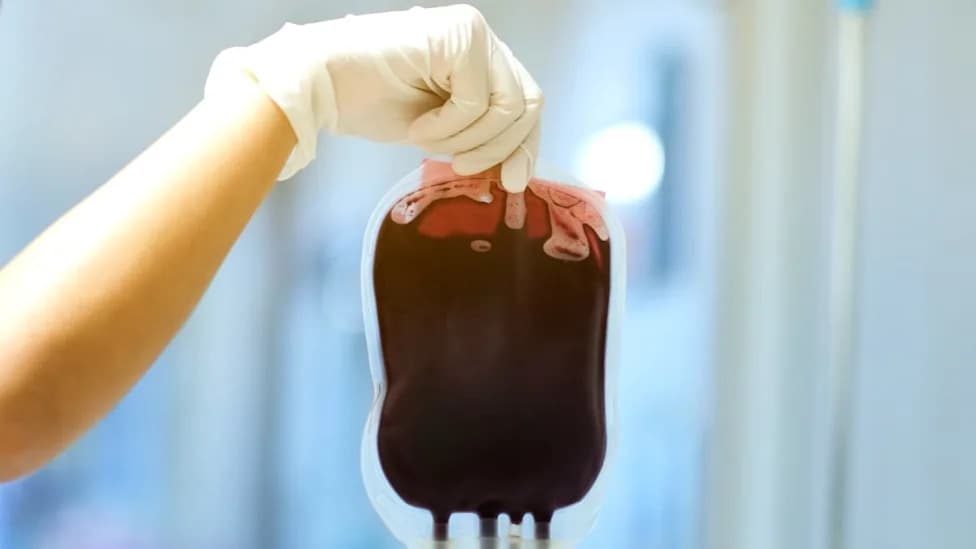
Alzheimer’s Research UK warns the NHS is not ready to deliver new infusion-based Alzheimer’s treatments and diagnostic tests. An audit of 20 specialist services found half could treat 50 or fewer patients with infusion therapies. Lecanemab and donanemab are licensed in Britain but are not approved for routine NHS use, and NICE has raised cost-effectiveness concerns. Campaigners urge a national plan, more staff and facilities, validated diagnostics, and expanded clinical trial access so breakthroughs can reach patients fairly and safely.
NHS Unprepared to Deliver Breakthrough Alzheimer’s Treatments, Warn Experts
The NHS is not ready to deliver breakthrough Alzheimer's drugs, experts have warned - George Clerk
Patients risk missing out on new Alzheimer’s therapies because the NHS is not yet equipped to deliver them at scale, Alzheimer’s Research UK and clinical experts warn.
Nearly one million people in the UK are living with dementia, with Alzheimer’s disease accounting for the majority of cases. A national audit of 20 specialist, neurology-led cognitive services found that half of those units have the capacity to treat no more than 50 patients with the new infusion-based therapies.
Calls For A National Plan
Alzheimer’s Research UK has launched the "Ready For A Cure" petition urging ministers to prepare the health service for the next generation of dementia drugs and diagnostics. The charity is pressing for a national plan to roll out improved diagnostic tests across the NHS so patients can receive earlier and more accurate diagnoses.
Brian Cox, the 80-year-old actor, urged the public to back the campaign, saying he has witnessed the helplessness dementia brings after losing family members. "Now, we are at a turning point in Alzheimer's research," he said, "but progress means little if it doesn't reach the people who need it."
Hilary Evans-Newton, Chief Executive of Alzheimer’s Research UK, said: "After decades of research we are finally seeing therapies that can slow Alzheimer’s progression and tests that could transform diagnosis. But scientific breakthroughs only matter if people can access them."
Drugs, Diagnostics and Delivery Challenges
New anti-amyloid drugs such as lecanemab and donanemab target amyloid protein build-up in the brain and have been licensed in Britain, but neither is approved for routine NHS use. The National Institute for Health and Care Excellence (NICE) has concluded that current evidence does not justify their cost to the health service; manufacturers are reported to be negotiating prices with NHS officials.

Brian Cox, who lost his brother and brother-in-law to dementia, urged the public to support the Ready for a Cure campaign - Getty Images/Gareth Cattermole
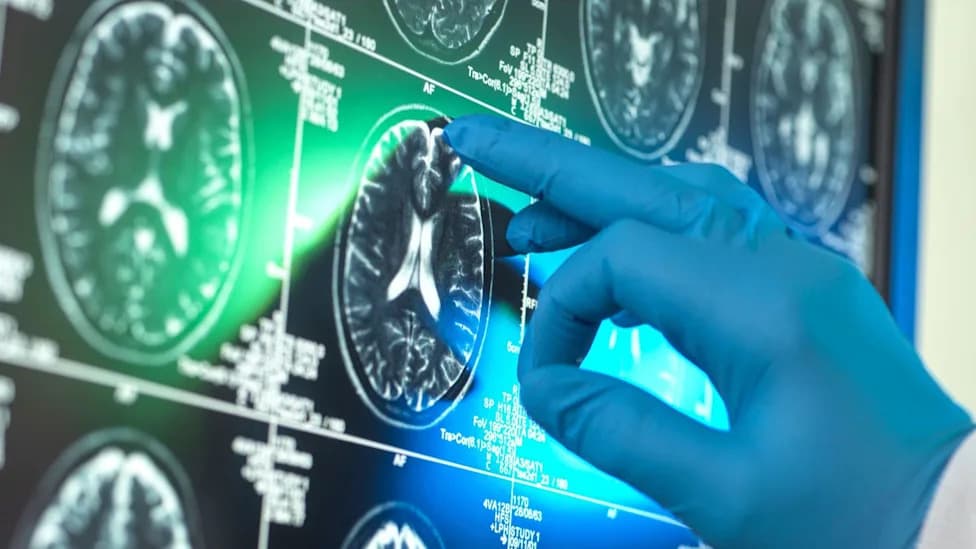
Delivering these treatments would require major changes to diagnostic and care pathways. Confirming Alzheimer’s disease biologically currently relies on PET brain scans or lumbar punctures to test cerebrospinal fluid for amyloid and tau proteins. Researchers hope blood tests now in trial will offer a cheaper, simpler screening option if validated in NHS populations.
Patients receiving anti-amyloid therapies need regular intravenous infusions and frequent MRI monitoring to check for potentially serious side effects such as swelling or bleeding in the brain (ARIA). The audit found that, although most services reported access to infusion facilities, shortages of trained staff, suitable space and formal links with specialist teams (neurology, neuroradiology, geriatrics) limit capacity to scale up.
Research Participation And Inequality Of Access
The charity also highlighted gaps in clinical research access. In November 2024, just 9% of planned and active dementia drug trials worldwide were based in the UK. Alzheimer's Research UK estimates that if the UK matched global participation rates, some 12,213 more people could take part. Surveys indicate nearly two-thirds of people would consider joining dementia research, yet only around 1% of eligible individuals currently enroll in drug trials.
More than 30% of memory services reported no formal links with neurology, neuroradiology or geriatric teams — collaboration that will be increasingly important as diagnosis and treatment become more complex. The charity warned that long waits and wide regional variation in dementia services already disadvantage many patients.
Ms Evans-Newton: "The NHS must plan now for the next generation of diagnostics and treatments. It must be ready to deliver them safely, fairly and at scale. Unless the Government acts now, promising medical advances could arrive before the NHS is prepared to deliver them."
Cox added: "With life-changing treatments now within reach, there's not a moment to waste. I encourage everyone to join me in signing the petition urging the Government to prepare the NHS for a potential cure."
What Needs To Happen: A coordinated national strategy, investment in staff and facilities, wider access to validated diagnostic tests (including blood tests if proven accurate), and stronger research participation across the UK are needed to ensure new therapies reach patients safely and equitably.
Help us improve.