The University of Nottingham has developed an MRI-based test that identifies multiple sclerosis by detecting a "central vein sign" inside brain and spinal lesions, eliminating the need for a lumbar puncture in many cases. The method grew from more than 20 years of research using a 7 Tesla scanner and can be applied on standard MRI machines by adding roughly six minutes to the scan. Patients report the technique is less invasive and allows a quicker return to daily life. Researchers hope the test will be rolled out nationally.
New MRI Test Can Diagnose Multiple Sclerosis Without a Lumbar Puncture
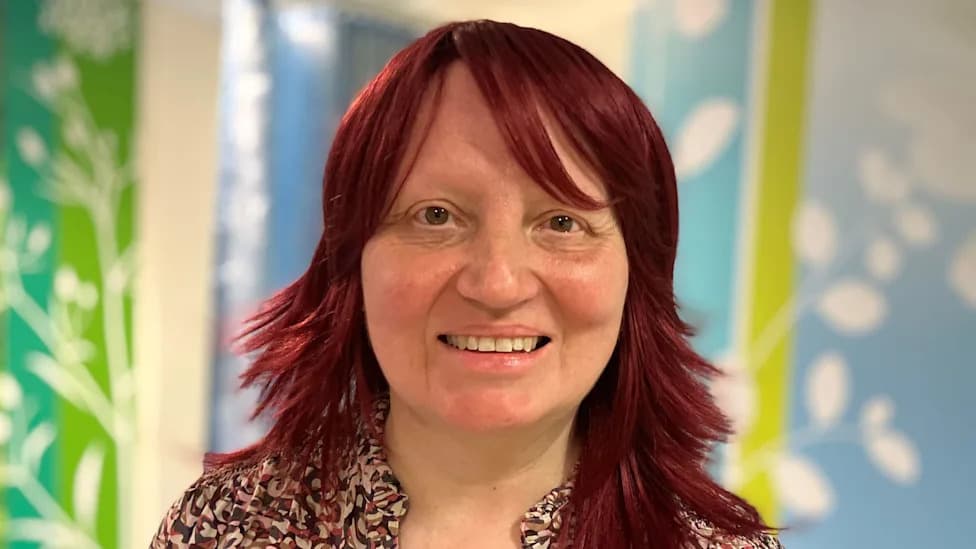
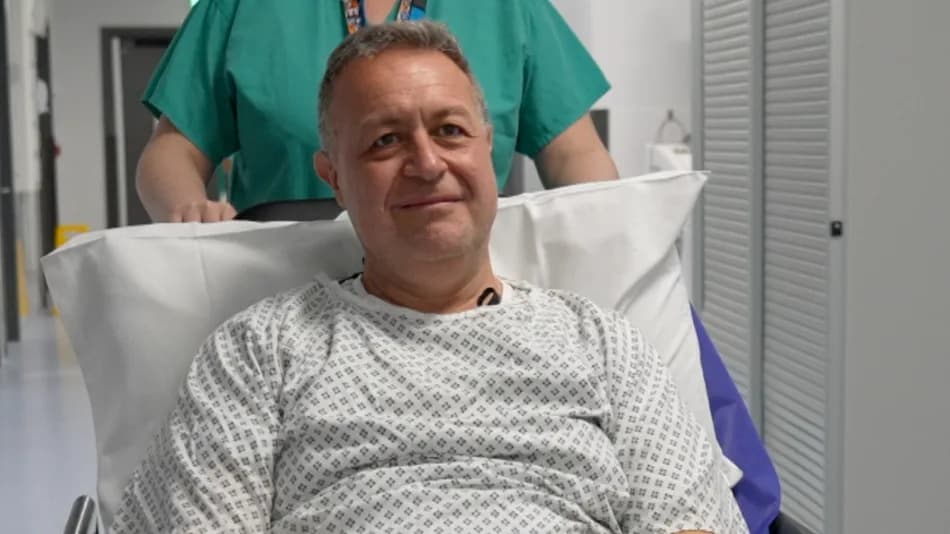
Teresa Needham was happy to be offered an alternative option to the lumbar puncture procedure when she was diagnosed with multiple sclerosis [BBC]
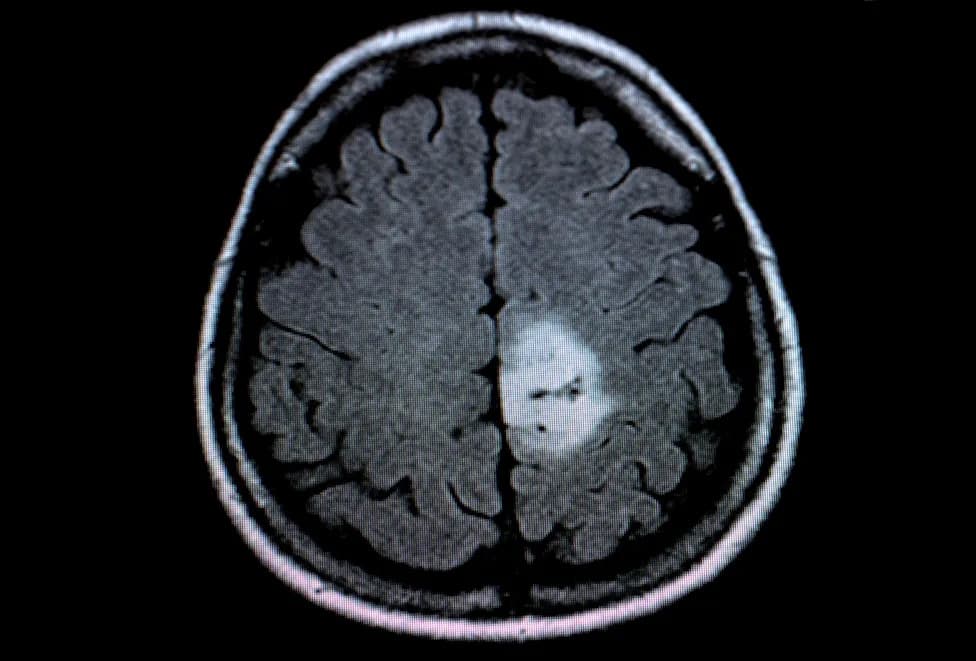
A diagnostic technique developed at the University of Nottingham now allows clinicians to identify multiple sclerosis (MS) without the invasive lumbar puncture that many patients previously faced. After more than 20 years of research, the team has refined an MRI-based method that highlights a distinctive "central vein sign" inside lesions, helping doctors distinguish MS from other conditions.
How the test works
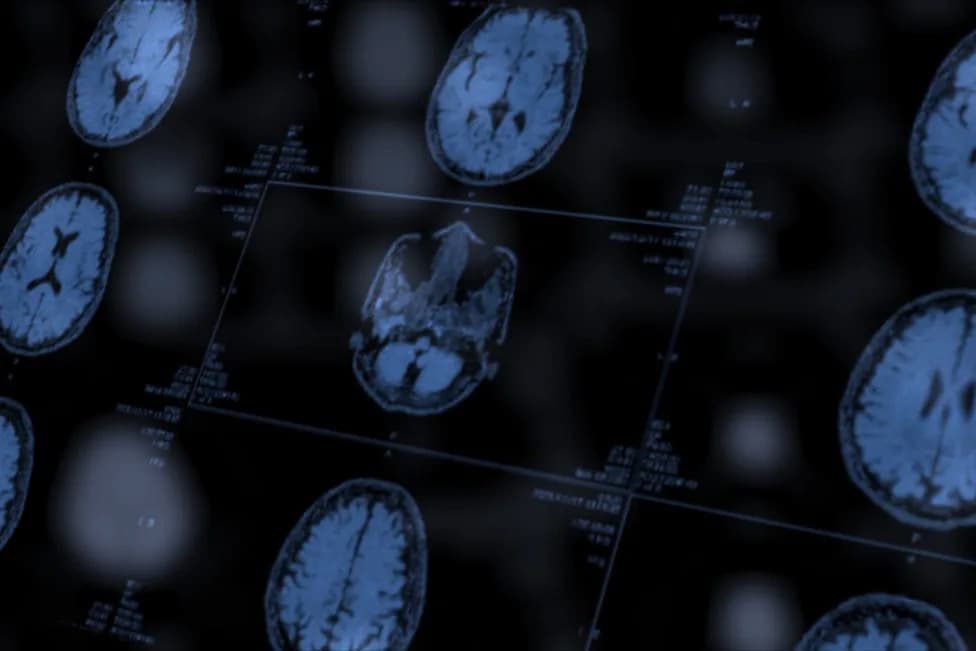
MS causes scar-like lesions in the brain and spinal cord that commonly form around small veins. Using a high-resolution approach pioneered on a 7 Tesla scanner and adapted for standard clinical machines, radiologists can now detect a tiny vein running through the center of a lesion — the central vein sign — which is highly suggestive of MS.
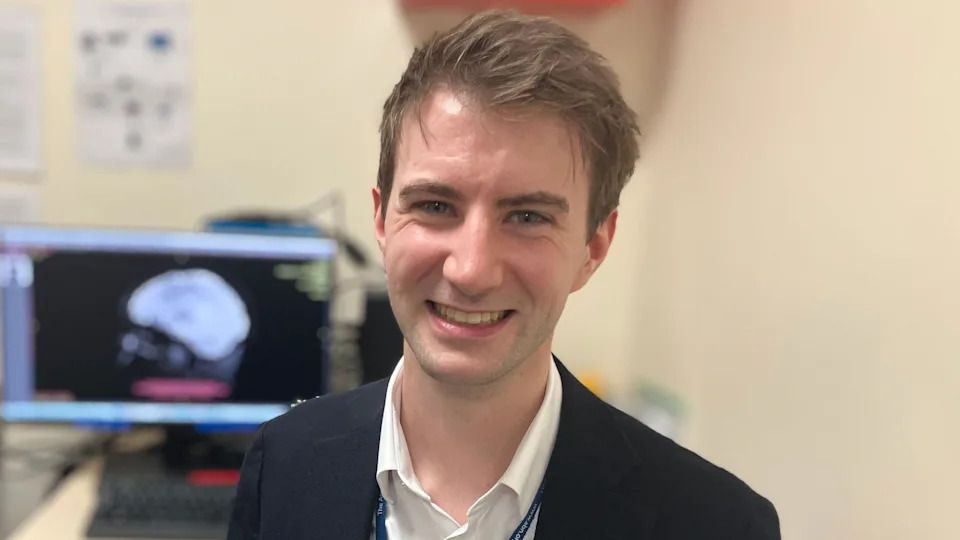
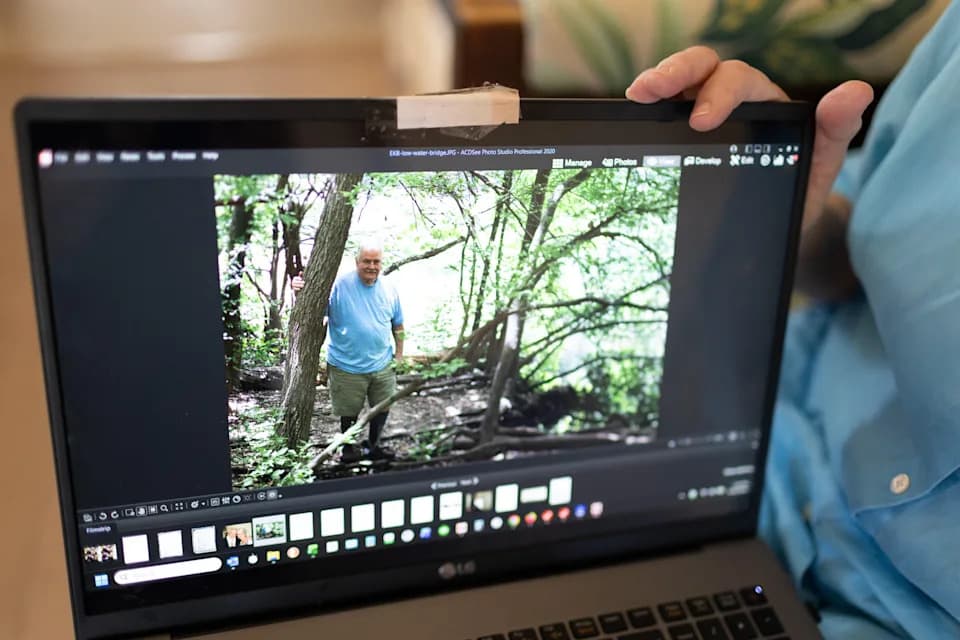
Dr Chris Gilmartin hopes the MRI test to diagnose MS will be rolled out across the country [BBC]
Clinical benefits
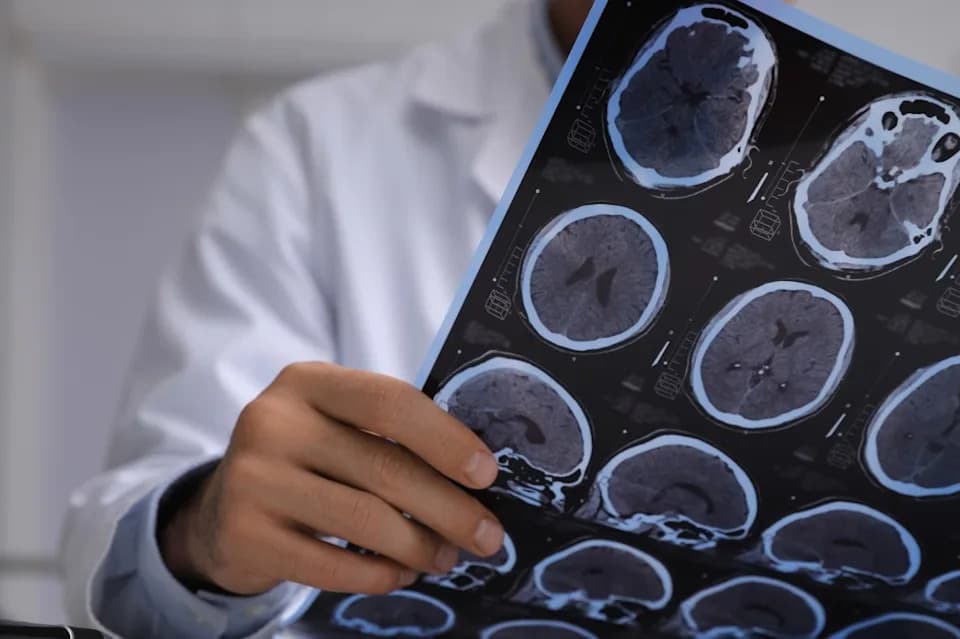
Dr Chris Gilmartin, a neurology researcher and clinician at Queen's Medical Centre in Nottingham, says the MRI option is "much less invasive" than a lumbar puncture, reduces diagnostic delay and avoids the headache and back pain some patients experience after spinal taps. The method can be added to routine MRI protocols by extending a standard scan by about six minutes, making it feasible for widespread clinical adoption.
"When people are being diagnosed with MS it's clearly a very stressful time," Gilmartin said. "To say on top of that, 'What you need is a needle to go into the back,' can be quite scary."
From research to practice
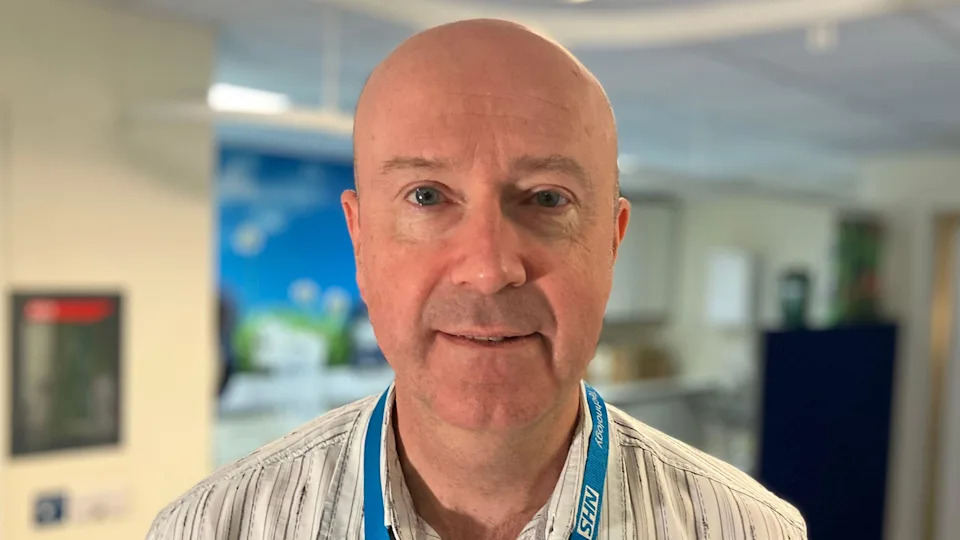
Prof Paul Morgan has been involved with the research for more than 20 years [BBC]
Professor Paul Morgan, who has led the work in medical physics for more than two decades, credited Nottingham's long history in MRI research — including Sir Peter Mansfield's pioneering contributions — for enabling the team to "zoom in" on lesion structure. The technique was developed using the university's 7 Tesla scanner but was specifically optimized so clinicians can apply it on standard hospital scanners.
Patient story
Teresa Needham of Stapleford was among the first local patients diagnosed using the scan after an episode of facial paralysis led clinicians to investigate a possible stroke. Offered the MRI-based test, Needham — a lab manager who dislikes needles — said the option was a relief and allowed her to return to work immediately afterwards.
Next steps
The test has been rolled out in Nottingham and the research team says it is working to extend use nationally. If widely adopted, the MRI method could spare many patients an invasive procedure while accelerating and improving diagnostic accuracy for MS.
Help us improve.