The Manchester Brain Health Centre (MBHC) has opened at Manchester Royal Infirmary as the UK's first integrated clinic to speed up and improve dementia diagnosis and care. Operated as a two-year pilot led by the Alzheimer's Society, MBHC unites psychiatrists, vascular experts and academics to provide earlier, personalised assessments using MRI, lumbar punctures, heart checks and behavioural evaluations. With roughly one million people in the UK living with dementia and diagnosis often delayed by years, the centre aims to shorten that timeline and offer timely treatment and support.
Manchester Brain Health Centre Opens to Transform Dementia Diagnosis and Care

Dentist who stole £92,500 from NHS gets jail sentence
The Manchester Brain Health Centre (MBHC) has opened at Manchester Royal Infirmary on World Alzheimer's Day, launching the UK's first integrated clinic focused on earlier, more accurate dementia diagnosis and personalised treatment.
One Team, Earlier Detection
MBHC brings psychiatrists, vascular specialists and academic researchers together under a single service to identify and treat memory and thinking problems at an earlier stage. The centre is a two-year pilot led by the Alzheimer's Society and has been designed as a scalable model that could be rolled out nationally if successful.
Why Early Diagnosis Matters
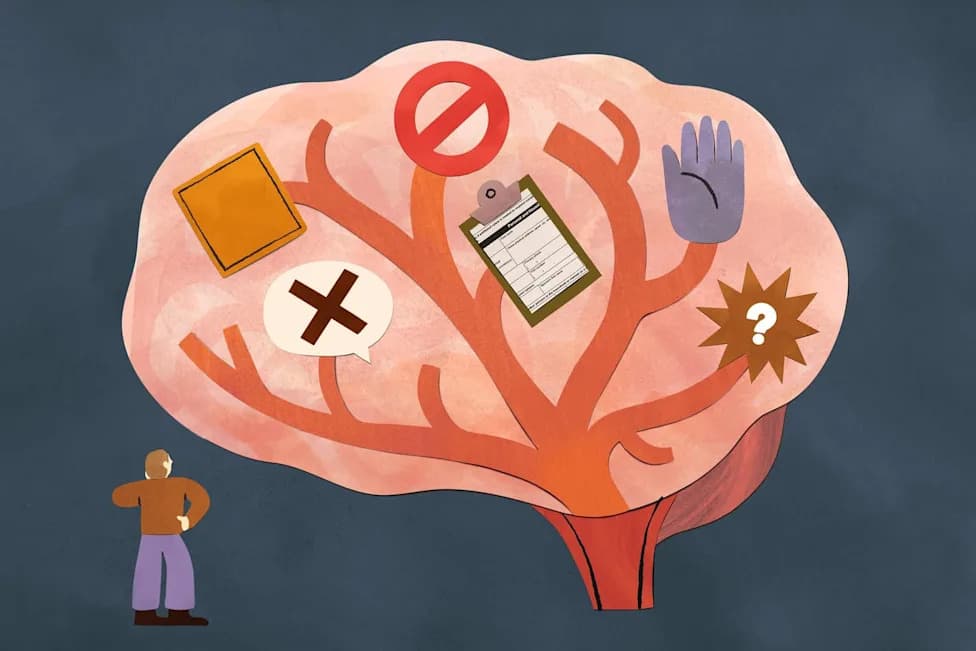
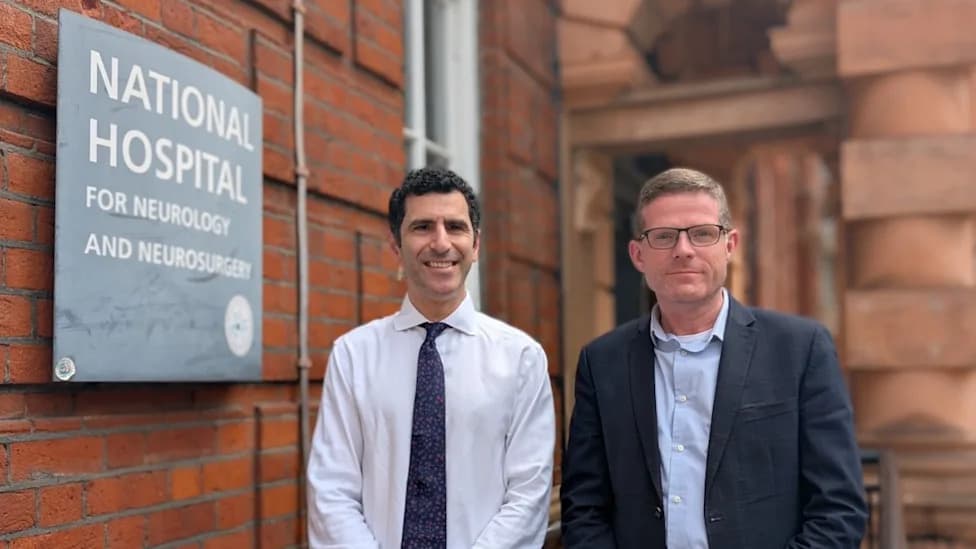
"Right now, the system is not set up for people when memory and thinking problems first appear," said Dr Ross Dunne, dementia research lead at Greater Manchester Mental Health NHS Foundation Trust. "That is exactly when early diagnosis and treatment could have the greatest impact."
Dementia is characterised by a progressive decline in brain function. According to the NHS, symptoms can include memory loss, slower processing speed and reduced understanding, judgement and changes in mood. Alzheimer’s disease and vascular dementia account for the majority of cases.
What the Clinic Will Offer
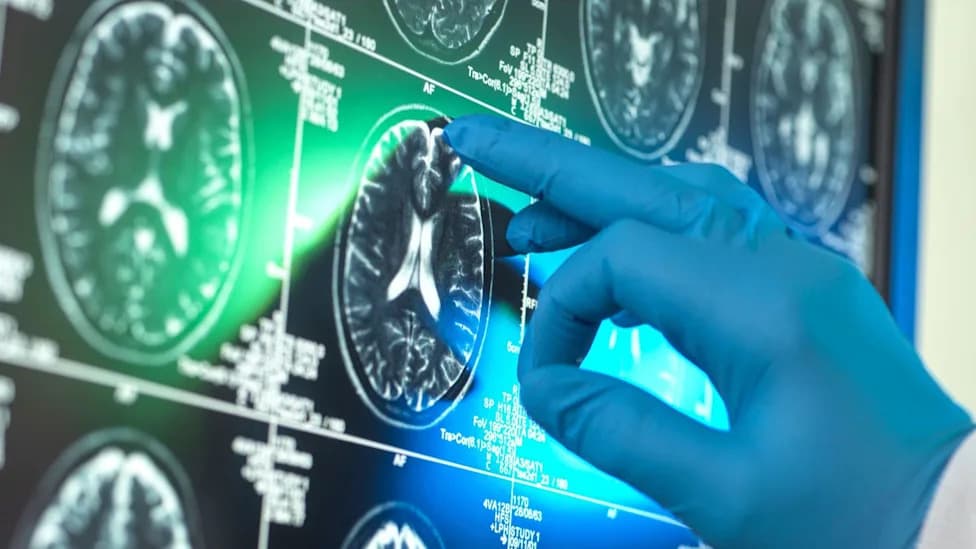
The centre will use a combination of MRI scans, lumbar punctures, heart-health checks and behavioural assessments to deliver earlier and more accurate diagnoses. Multidisciplinary teams will then develop personalised treatment and risk-reduction plans tailored to each patient.
Patients will be identified through existing memory assessment services and referred directly into MBHC's specialist pathway, shortening the route from first symptoms to specialist care.
"What we are looking to do is to bring that right forward so people in Manchester are referred into a specialist team at the earlier symptoms—ensuring they get an accurate diagnosis," said Chris Larkin, director of dementia support services at the Alzheimer's Society. "They'll understand what's happening and then they'll get support to reduce their risks and also to live as well as possible with the diagnosis."
Scale and Impact
The Alzheimer's Society estimates around one million people in the UK are living with dementia. On average, diagnosis typically takes about three-and-a-half years from first symptoms. By accelerating diagnosis and providing coordinated care, MBHC aims to improve outcomes, slow disease progression where possible, and give people timely access to support and treatment.
Where to find more information: Manchester Brain Health Centre at Manchester Royal Infirmary; Alzheimer's Society; NHS guidance on dementia.
Help us improve.