The UK is weighing a £48m expansion at Eisai’s Hatfield plant to manufacture the Alzheimer’s drug lecanemab for export, with a government grant potentially covering up to 25% (~£12m). Although the drug is licensed in the UK, NICE advised against routine NHS funding on cost‑effectiveness grounds; that decision is under appeal and price talks continue. Critics, led by former minister Lord Bethell, argue NICE’s modelling underestimates dementia’s human cost and call for a national dementia strategy, faster trial access and quicker adoption of diagnostics and therapies.
UK to Expand Production of Alzheimer’s Drug for Export While NHS Is Advised Not to Fund It
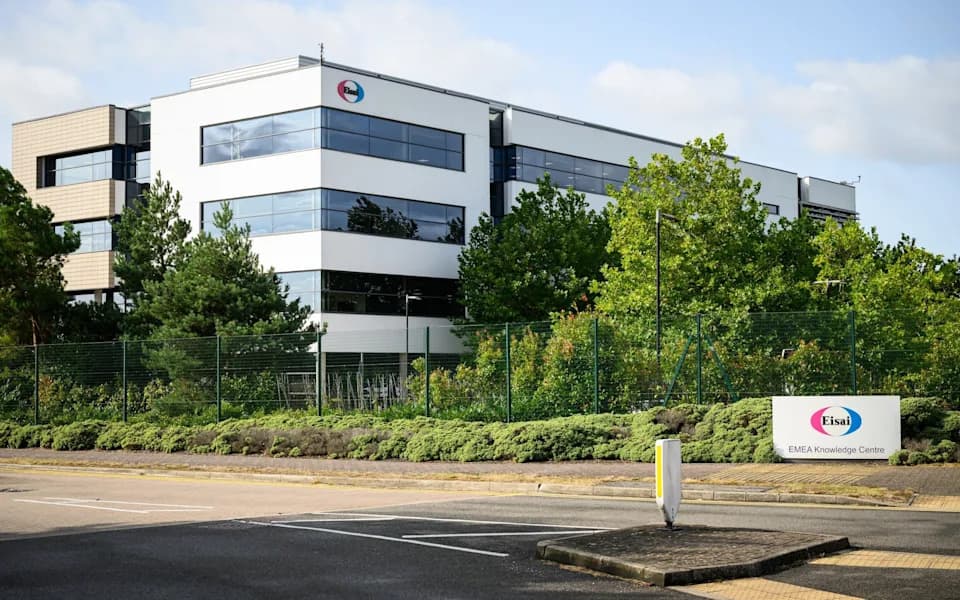
The Government could cover up to 25 per cent of costs to expand Eisai Europe's site in Hatfield - Getty Images/Leon Neal
The UK government is considering backing a £48m expansion at Eisai’s Hatfield manufacturing site so that the Alzheimer's antibody lecanemab (marketed as Leqembi) can be supplied across Europe, the Middle East and Africa — even as guidance advises the NHS not to routinely fund the drug for patients in England and Wales.
The proposed grant, from the Life Sciences Innovative Manufacturing Fund, could cover up to 25% of project costs (potentially around £12m), though final terms are conditional and the government has not disclosed the exact figure. Eisai’s Hatfield facility already certifies batches of lecanemab for release; the expansion would increase production and distribution capacity.
License, But No Routine NHS Funding
In 2024 the UK medicines regulator granted a licence for lecanemab after trials found it slowed cognitive and functional decline in eligible patients by roughly a quarter to a third over 18 months. However, the National Institute for Health and Care Excellence (NICE) recommended against routine NHS funding on cost‑effectiveness grounds the same day the licence was issued. That decision is under appeal while commercial price negotiations between manufacturers and NHS officials continue for lecanemab and the rival antibody donanemab.
"It seems extraordinary to me that Britain is investing in its capacity to supply lecanemab around the world ... yet British patients are being denied access to it through the NHS on contested evidence about cost and benefit," wrote Lord Bethell.
Criticism of NICE Modelling
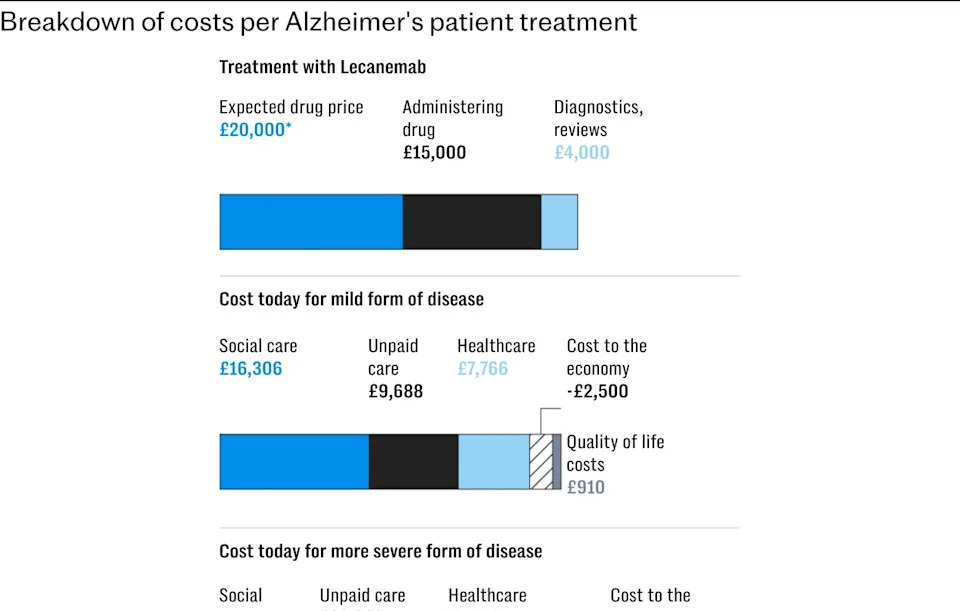
Lord Bethell, a former life‑sciences minister and chairman of the BARBARA Alliance, criticised NICE’s modelling for undervaluing the decline in quality of life as Alzheimer’s progresses. He pointed to NICE’s estimate that caring for someone with severe dementia represents only around a 4% lower quality‑of‑life score compared with mild cognitive impairment and said that figure poorly reflects the lived reality of patients and families.
"Severe dementia is not a slightly worse version of mild cognitive impairment," Bethell wrote, noting that advanced disease can mean losing the ability to communicate, recognise family members, or carry out basic self‑care. He urged a national dementia research strategy, faster access to clinical trials, and a clear plan to adopt proven diagnostics and treatments into NHS practice.
Clinical Evidence and Wider Context
Trial data cited in the debate include lecanemab, which showed about a 27% slowing of cognitive and functional decline over 18 months in its pivotal data sets; donanemab, which demonstrated roughly a 35% slowing of decline in memory and thinking in its trials; and trontinemab, an investigational drug reported to clear amyloid plaques in up to 92% of patients in a phase II Brainshuttle AD result within 28 weeks. No treatment proven to slow Alzheimer’s progression has been approved for routine NHS rollout to date.
Supporters of rapid adoption argue that earlier access to disease‑modifying therapies, together with scalable diagnostics (including blood tests being evaluated in NHS memory clinics), could reduce future pressures on social care and the health service. Critics and NICE stress the need to balance clinical benefit against high costs and to ensure robust economic assessments.
Official Responses
A NICE spokesman said the institute recognises debate over whether its health‑technology assessment fully captures the burden of dementia, including unpaid carers and wider societal impacts. NICE, NHS England and Eisai said they are exploring opportunities to secure a positive outcome for patients and the NHS. A Department of Health spokesman emphasised that funding decisions are independent and noted recent changes intended to improve access to life‑changing medicines; the department also said a dementia tsar will be appointed to drive innovation and care improvements.
Economic And Research Stakes
Proponents warn the UK risks losing clinical trials, investment and jobs if it does not maintain an attractive environment for dementia research. Lord Bethell highlighted figures showing dementia’s current economic cost is about £42bn a year and could rise to ~£90bn by 2040, while noting the UK’s relative ranking for dementia clinical trials has slipped in recent years.
Lord Bethell concluded that the choices facing policymakers are stark: continue to focus mainly on care and impose limits on access, or invest in diagnostics, trials and treatments that could alter the disease course for future generations.
Reporting compiled from statements by Lord Bethell, NICE, the Department of Health and trial data published by manufacturers and academic partners.
Help us improve.