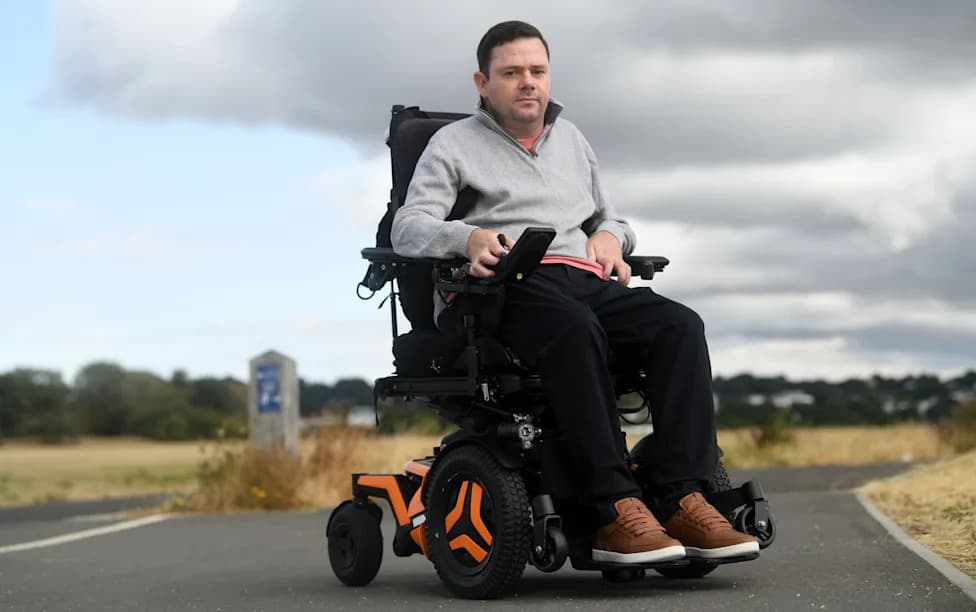
Helen Beaumont spent years blaming her husband Clive for increasingly strange behaviour before he was diagnosed with young onset dementia at 46; he died aged 51 in 1999. After his death she retrained as a dementia researcher, founded The Clive Project and now campaigns to shorten lengthy diagnosis waits and improve care. She warns that delays in diagnosis — currently averaging over four years for younger people — and a lack of suitable social care remain major problems.
‘I Was Angry With My Husband — It Turned Out To Be Young Onset Dementia’
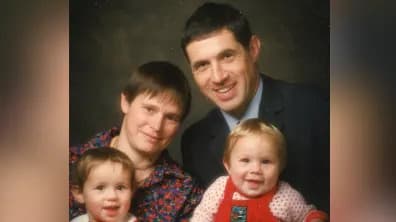
Helen said she thought her husband was "just being a grumpy middle-aged man" [Helen Beaumont]
Helen Beaumont spent years blaming her husband Clive for changing behaviour before learning he was living with young onset dementia. Married at 21, the couple did not have children until about two decades later. When Clive’s personality and abilities began to shift in his early 40s, Helen grew increasingly frustrated — only to discover years later that his difficulties were caused by a progressive brain condition.
Early Signs, Misdiagnosis and Rising Tension
Clive first went to a GP with symptoms at around age 40 and was initially diagnosed with depression. Small changes — forgetting conversations, becoming unreliable, struggling with reading and writing, and difficulty with practical tasks like job applications — gradually eroded family life. He lost a permanent job at 44 and, despite doing odd jobs, could not secure steady work.
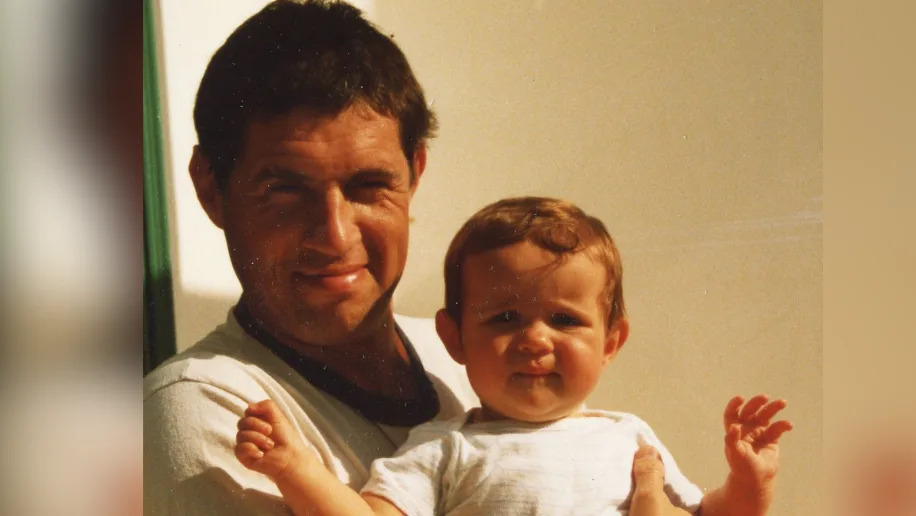
Clive first went to the GP about his symptoms at age 40 and he was diagnosed with depression [Helen Beaumont]
“I was cross with him — really cross with him for quite a lot of the time,” Helen recalls. “We could have a conversation and then it was like it had never happened.”
It took six years from his first GP appointment before Clive was referred for neurological tests. At 46 a neurologist diagnosed what was then described as ‘pre‑senile dementia’ — now known as young onset dementia. There was no effective treatment at the time and very limited support.
Care, Loss and Life After Grief
For about a year Helen balanced paid work with caring for their then three‑ and four‑year‑old children and looking after Clive. As his condition progressed he became harder to manage: he once tried to leave the car while on a motorway and, in later years, could become aggressive and go missing. After a worrying episode in which a stranger brought him to safety and contacted the police, Helen arranged full‑time residential care.
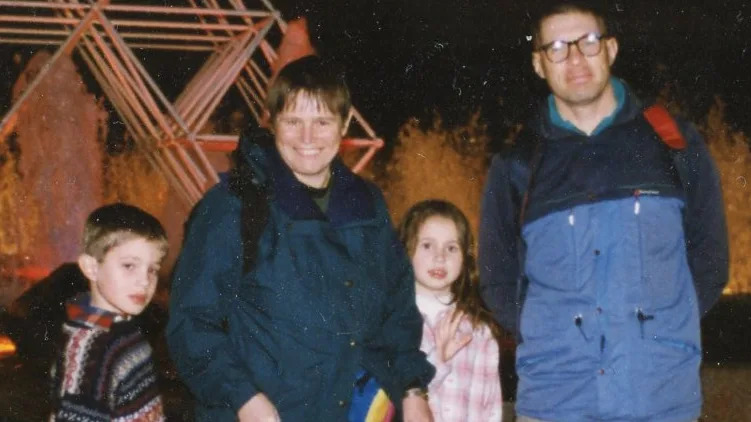
Clive's diagnosis came six years after he first went to his GP presenting symptoms [Helen Beaumont]
Clive was moved between care homes as his needs increased and, five years after his diagnosis, he died in 1999 aged 51. Helen says she was devastated and took a long time to recover emotionally.
From Carer To Researcher
Determined to help other families, Helen retrained. In 2008, aged 58, she moved to Manchester to begin a new career in dementia research and later completed a PhD in 2015. Her research focuses on magnetic resonance imaging (MRI) to study brain changes in dementia with the goal of improving early diagnosis. She also founded The Clive Project to raise awareness and support families affected by young onset dementia.
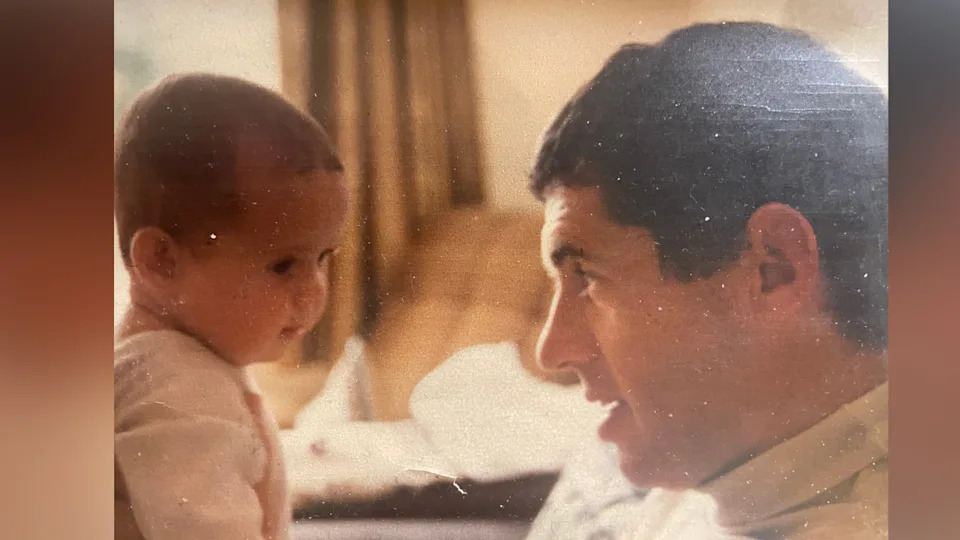
Helen said caring for Clive was like having a third child [Helen Beaumont]
Helen stresses how an earlier diagnosis might have spared the couple years of anger and misunderstanding. “If he had received an earlier diagnosis we could have had at least two years when we weren’t fighting all the time,” she says.
Why Young Onset Dementia Is Different
Dementia is commonly associated with older age, but younger people can be affected. According to Dementia UK, about 7.5% of people with dementia in the UK have young onset dementia (symptoms beginning under 65). The charity also reports the average wait for a young onset diagnosis in the UK is nearly four years and five months — considerably longer than the average wait for people over 65.
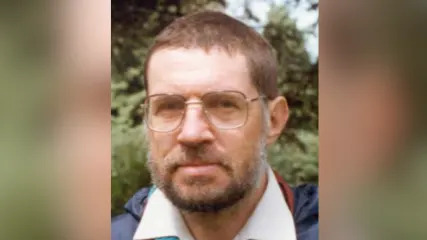
Clive in 1996 , three years before he died [Helen Beaumont]
Helen warns there is still “more to be done”: diagnosis delays prevent timely treatment and access to appropriate social care remains inconsistent. She continues to speak publicly and work in research to reduce delays and improve support for affected families.
Key Takeaway
Helen’s story is a reminder that changes in behaviour and ability in mid‑life are not always behavioural or psychiatric. Early recognition, timely diagnosis and tailored support are crucial for people with young onset dementia and their families.
Help us improve.