Venezuela's economic reopening has attracted billions in oil investment faster than the country has reformed its institutions. Major companies — including Chevron, Eni and potentially ExxonMobil — are moving in, while a U.N. mission warns that institutions tied to repression remain intact. Lengthy concessions signed with an unreformed interim government risk entrenching old power networks unless international leverage ties further relief to verifiable judicial, security and electoral benchmarks.
Oil Money Surges in Venezuela — Democratic Reform Lags Behind
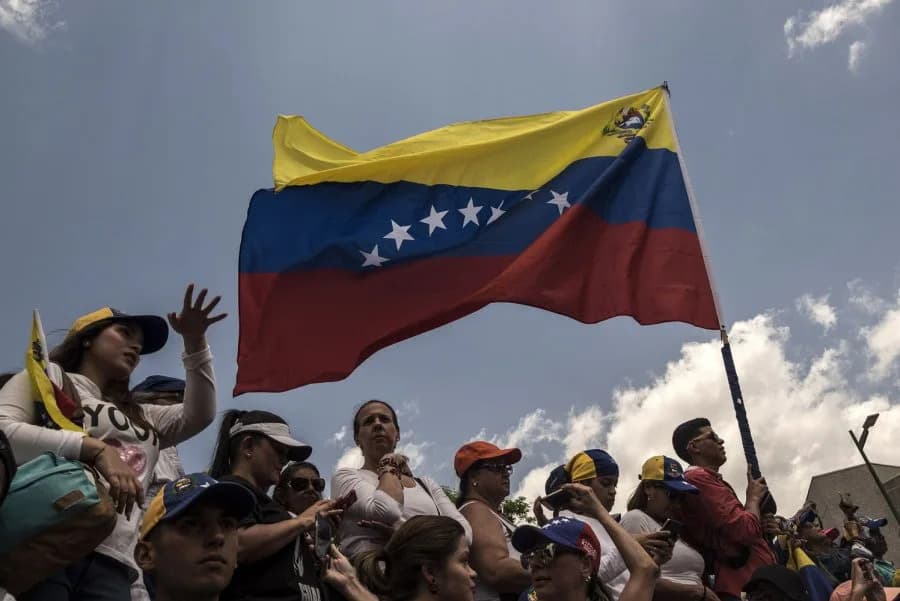
When Nicolás Maduro was captured, many Venezuelans hoped the country had turned a page. The page has turned faster for investors than for citizens. File Photo by Marcelo Perez/UPI
When U.S. forces seized Nicolás Maduro in Caracas on Jan. 3 and transported him to the United States to face federal drug‑trafficking charges, many Venezuelans dared to hope the country had turned a page. Nearly nine months later, that page has advanced far faster for investors than for ordinary citizens.
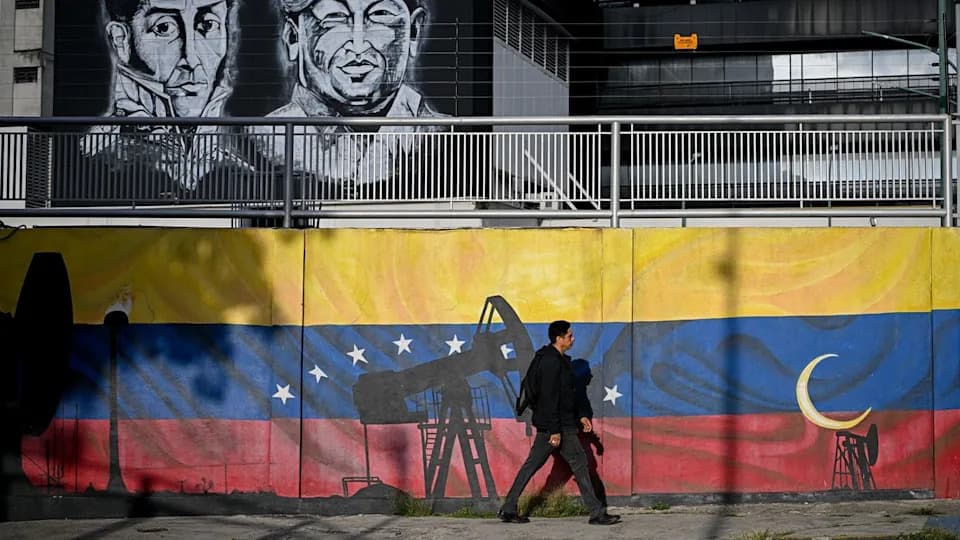
On Sept. 2, while U.S. Energy Secretary Chris Wright was in Caracas, Chevron announced its Venezuelan joint ventures would invest more than $7 billion over five years and aim to double output to about 600,000 barrels per day. Italian firm Eni and state oil company PDVSA agreed to invest roughly $1.5 billion a year in the heavy‑oil Junín 5 project, a deal that could help Eni recover about $2.3 billion in unpaid receivables. ExxonMobil is also advancing talks to return to the Orinoco Belt after nearly two decades away.
Institutions Still Intact
On Sept. 16, a U.N. fact‑finding mission reported that the institutions that enabled repression remain largely intact, even as the worst abuses have declined. Its chair, human rights expert Sofía Macher, warned that these changes "do not yet amount in any way to a transformation of the system."
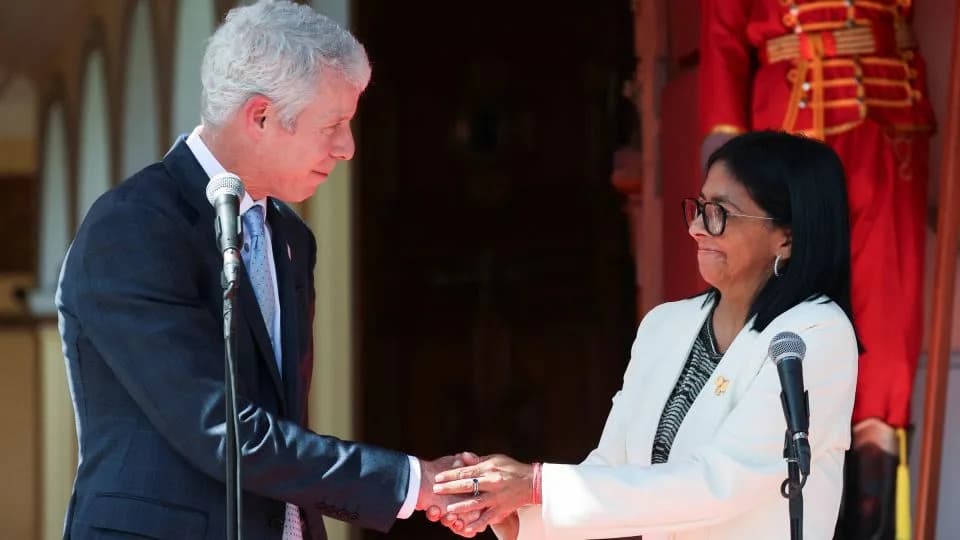
Those two September developments are linked. Interim President Delcy Rodríguez has ordered the release of political prisoners and closed El Helicoide, the Caracas detention center long associated with repression — yet Rodríguez served as Maduro's vice president and was one of the most powerful figures in the government the U.N. examined. In short, Venezuela has replaced the person at the top while leaving much of the governing apparatus intact, and that unreformed apparatus is now approving multibillion‑dollar contracts.
Why Rapid Investment Is Risky
Political scientists have long warned that rapid economic change can fuel corruption when institutions are weak. As Samuel Huntington argued in Political Order in Changing Societies, rapid economic shifts tend to breed corruption when political institutions cannot channel them effectively.
Risk: When unreformed courts, security services and state oil companies decide who wins contracts, incoming capital can entrench old power networks rather than weaken them.
The terms of some deals compound that danger. According to an Aug. 31 White House fact sheet, interim authorities granted North American Blue Energy Partners 100‑year concessions across 17 oil fields estimated to contain about 65 billion barrels of proven reserves, with the U.S. government taking a 35% equity stake plus broad governance and oil‑purchasing rights. A century is longer than Venezuela has been a functioning democracy; commitments of that length negotiated with an unelected, unreformed administration would be difficult for any future democratic government to revisit.
What Needs To Happen
Venezuela faces two simultaneous transitions: an economic opening reconnecting the country to global markets and an institutional reform that would rebuild judicial independence, restructure intelligence and security services, disarm pro‑government armed groups (colectivos), and establish a credible electoral calendar under a renewed National Electoral Council. The U.N. mission has urged the United States and other influential actors to condition further sanctions relief and economic concessions on verifiable benchmarks for these reforms.
There are reasons for cautious hope. A year ago, few Venezuelans would have predicted the closure of El Helicoide or that ExxonMobil would be in negotiations to return. Yet, as Macher warned, an opening that leaves repressive structures standing remains fragile and reversible.
Conclusion: Maduro's capture changed Venezuela overnight. Whether that event closed one chapter or truly opened a different one will depend on whether institutions are strengthened and made more independent than the individuals who control them before incoming oil revenues merely reinforce those individuals' power.
Jorge Rosales is a Chilean law student and writer, the author of two books, and a graduate of the Legacy of the Americas Academy of Advanced Studies. The views expressed are his own.
Help us improve.