The NHS is piloting a rapid genomic test that can cut the wait for a precise brain tumour diagnosis from six–eight weeks to around two hours. A shoebox-sized Oxford Nanopore sequencer and software from the University of Nottingham read tumour DNA while surgery is under way, enabling faster treatment decisions and quicker access to clinical trials. The pilot starts at five specialist centres and will expand to other major UK cities.
From Weeks To Hours: NHS Pilots Rapid Genomic Test That Transforms Brain Tumour Diagnosis
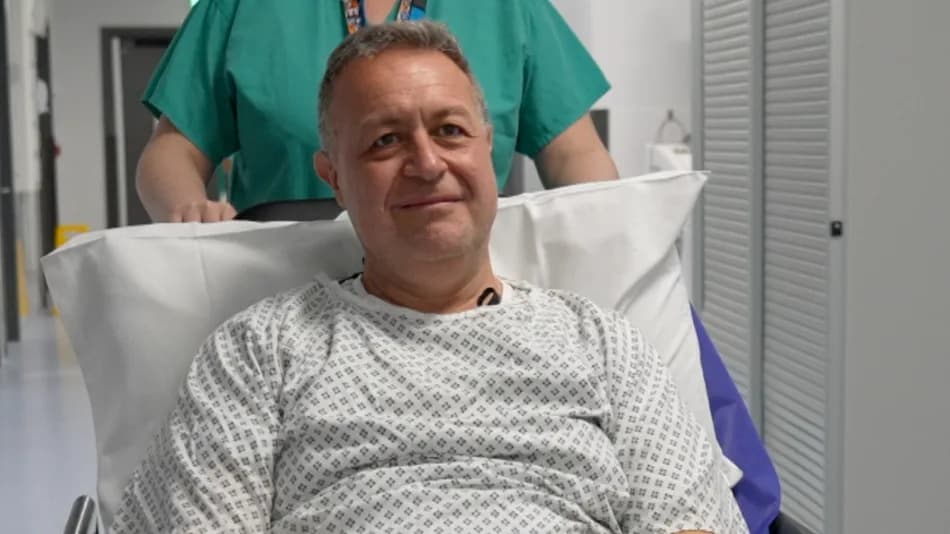
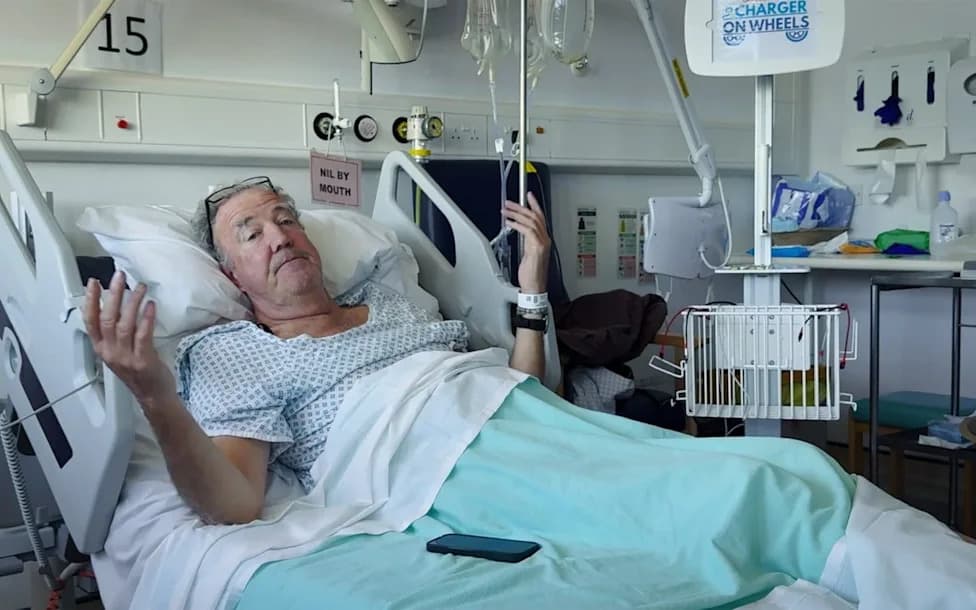
The test means patients can be diagnosed within hours rather than weeks, like Steve Palmer whose case the BBC followed [BBC]
A new rapid genomic test being introduced by the NHS can shorten the time to a precise brain tumour diagnosis from as long as six to eight weeks to roughly two hours, allowing clinicians to make earlier, better-informed treatment decisions.
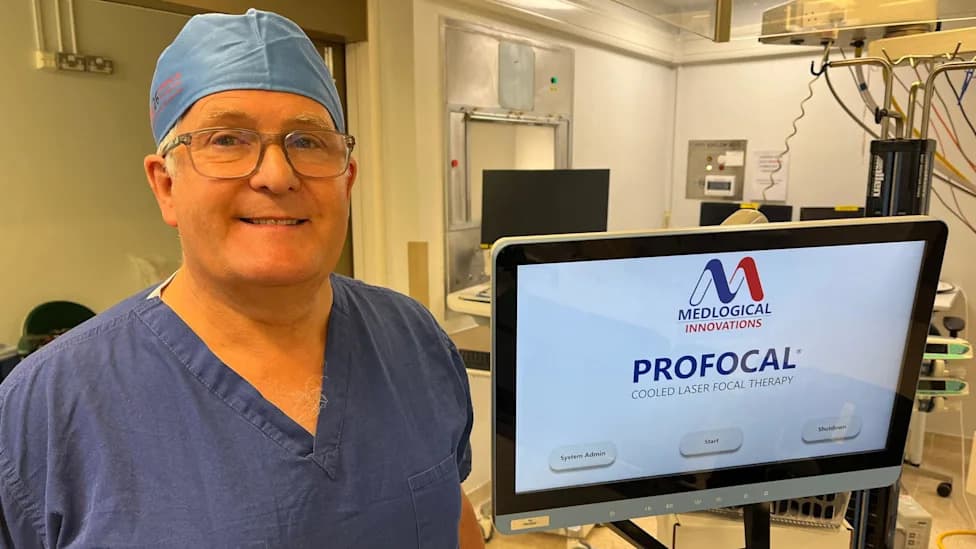
The test analyses tumour DNA on a small, shoebox-sized Oxford Nanopore sequencing device using specialist software developed in partnership with the University of Nottingham and local clinicians. Tissue samples taken during surgery are prepared in the pathology lab and run through the sequencer; the DNA molecules passing through a nanopore reveal the tumour's unique genomic fingerprint.
How The Test Helped A Patient
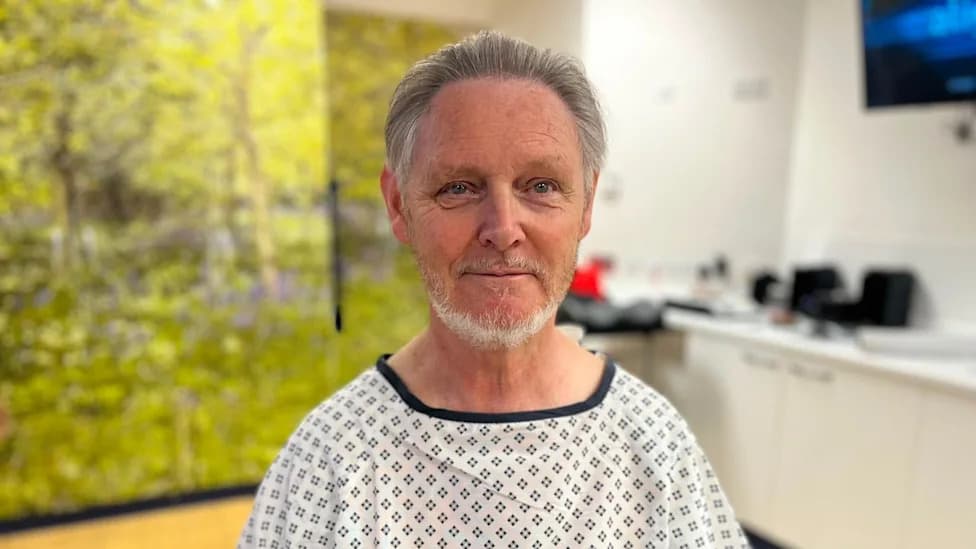
Fifty-five-year-old Steve Palmer from Nottingham received his diagnosis while surgeons were still operating to remove his tumour. After about 20 minutes of sequencing, the neuropathology team phoned the theatre to report the tumour was likely a grade 4 glioblastoma. "Getting that quick diagnosis removed weeks of anxiety," Steve told the BBC. "It wasn't the result I wanted to hear but it means I can get on with the next phase of treatment and recovery."
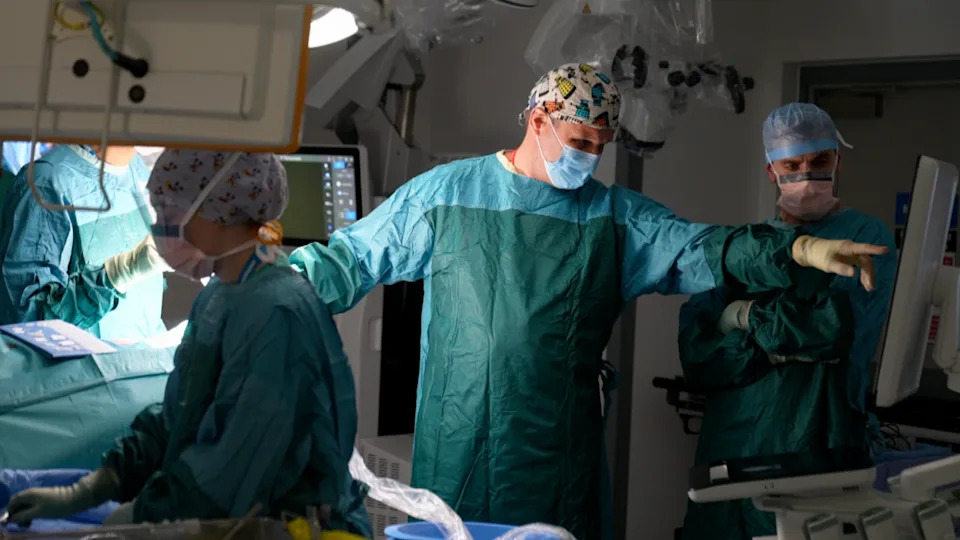
Neurosurgeon Stuart Smith, who points to a screen during Steve's surgery, says it means patients will also have quicker access to clinical trials [BBC]
Impact On Surgery And Treatment
Consultant neurosurgeon Stuart Smith, who led Steve's operation at Queens Medical Centre, said the technology "seems almost magical." Knowing the tumour type during surgery can change how radical surgeons are: for some potentially curable tumours they may aim to remove as much abnormal tissue as possible, while for very aggressive tumours they may adopt a more conservative approach to avoid unnecessary damage to healthy brain.
"For patients it will mean not only quicker access to results and treatment, but because we have a full genetic profile of the tumour, more rapid access to clinical trials," Smith said.
Expert Views And Context
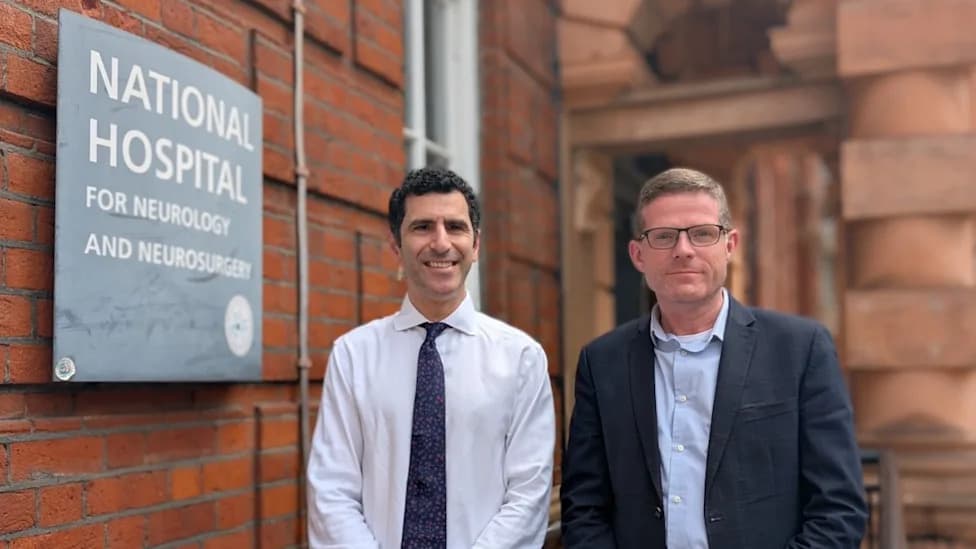
Dr Simon Paine, consultant neuropathologist at Nottingham University Hospitals NHS Trust, said the genomic readout provides a clarity beyond microscopy alone: "I'm crystal ball gazing and can do it reasonably well on a good day, but nowhere near with the clarity of the nanopore, which gives a comprehensive molecular classification."
Professor Dame Sue Hill, chief scientific officer for England, described the programme as a world-leading advance for NHS genomics and said the aim is to build the evidence for rapid testing to become routine NHS care so patients nationwide can benefit equally.
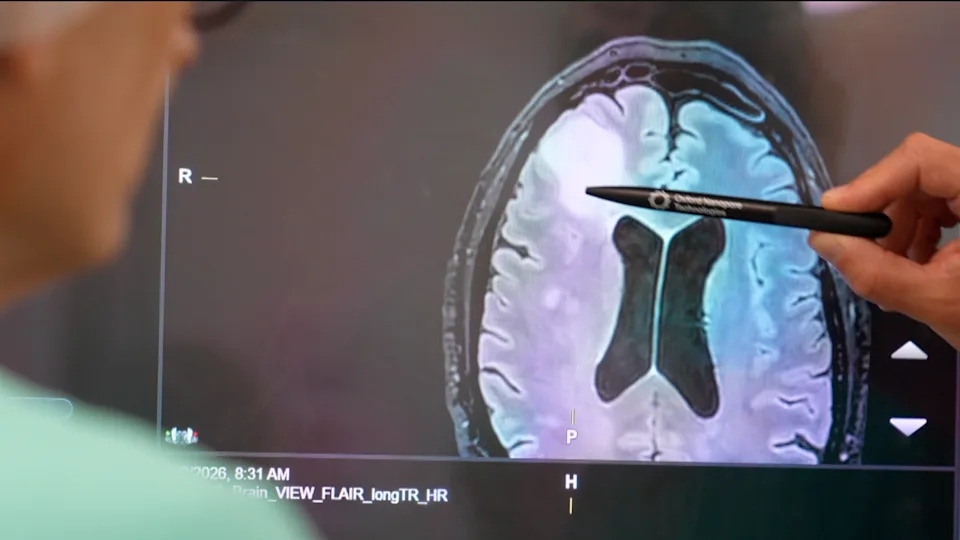
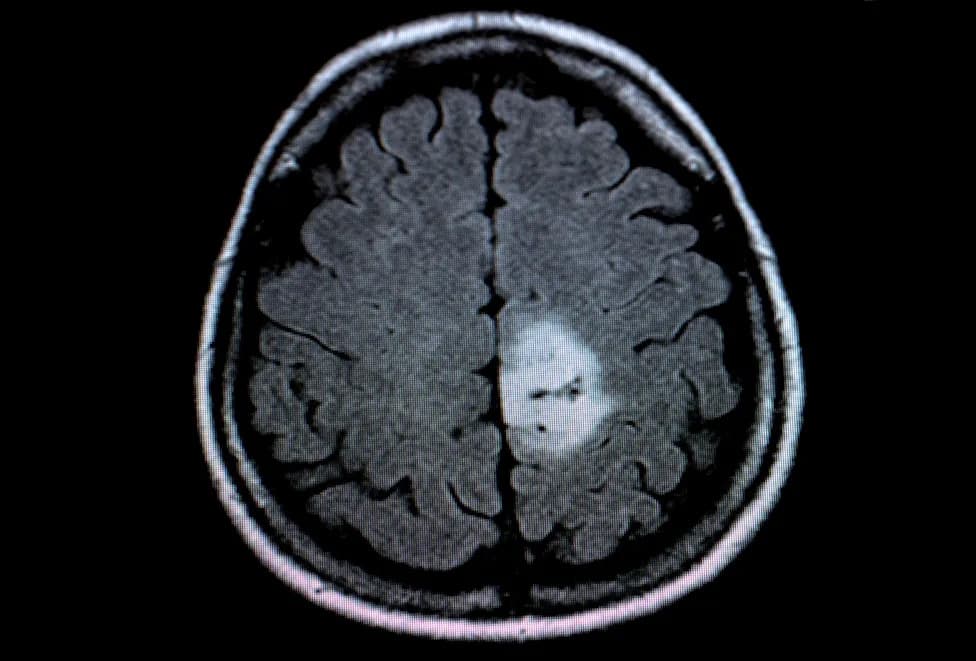
The BBC watched the surgery to remove Steve's tumour, shown here on the scan, at Queens Medical Centre, Nottingham [BBC]
More than 12,000 people in the UK are diagnosed with a primary brain tumour each year. There are roughly 150 distinct types of brain tumour, and brain tumours are the leading cause of cancer-related death in children and adults under 40, making faster, more precise diagnosis particularly important.
Pilot Rollout
NHS England will pilot the rapid genomic test at five specialist centres: Nottingham University Hospitals NHS Trust, University Hospitals Birmingham NHS Foundation Trust, Great Ormond Street Hospital NHS Foundation Trust, King's College Hospital and Newcastle Hospitals NHS Foundation Trust. The pilot will later expand to additional sites including Bristol, Oxford, Leeds and Manchester, building on earlier projects in Nottingham and Birmingham.
What This Means For Patients: Faster molecular diagnosis can shorten the wait for treatment, expand earlier access to clinical trials and, in some cases, allow surgeons to make immediate, potentially life-changing decisions while the patient is still in theatre.
Help us improve.