The Patels are among 250+ families taking part in a UK trial using home sensors—including door and appliance monitors, a smart mattress, smart socks and a wearable watch—to detect early changes in health and routine for people with dementia. Data is reviewed by a clinical team from UK DRI and Imperial College London, funded by LifeArc, with the aim of preventing crises and helping people remain independent longer. Devices do not record audio or video, and estimated monitoring costs are about £2,000 per year.
Smart Beds and Motion Sensors: Could Connected Tech Transform Dementia Care?

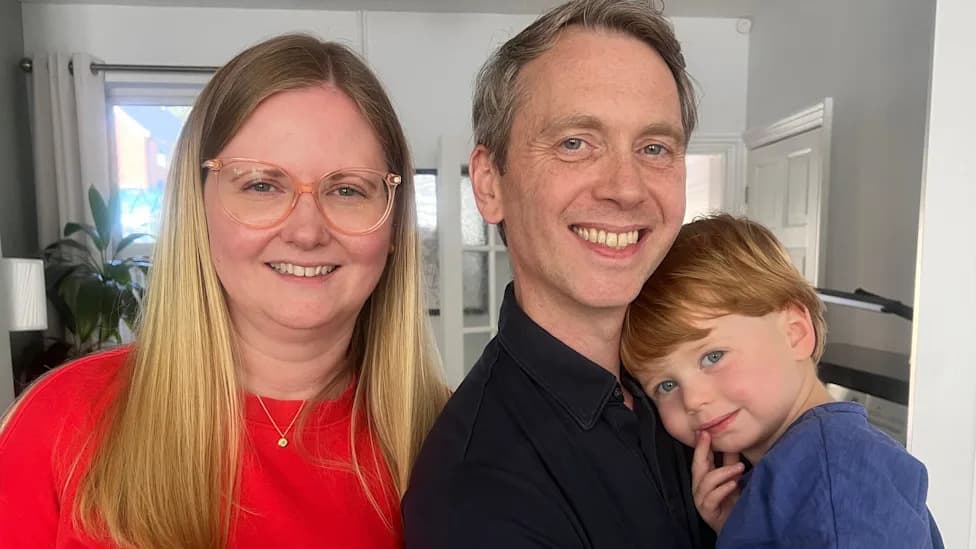
Jyoti and Bharat Patel are "super testers" of dementia technology in an NHS trial [BBC]
There are sensors in every room of Jyoti and Bharat Patel’s west London home, continuously tracking movement, routine and key vital signs. Rather than causing alarm, the monitoring has given the couple reassurance as they take part in an NHS-linked trial exploring whether connected devices can help people with dementia stay safe and independent at home.
The study is run by the UK Dementia Research Institute (UK DRI) in partnership with Imperial College London and is funded by the medical research charity LifeArc. More than 250 families are enrolled so far, and researchers hope the approach could be adopted more widely across the health service to reduce avoidable hospital visits and ease the burden on carers.

Bharat and Jyoti travelled all over the world as professional magicians [Bharat Patel]
What technology is being used?
The Patels’ home is fitted with an array of internet-connected devices:
- Door sensors that detect if someone leaves the house at unusual times;
- Motion detectors to identify falls or prolonged inactivity;
- Sensors on kitchen appliances to monitor eating and daily routines;
- A "smart mattress" that logs sleep patterns and records heart and breathing rates;
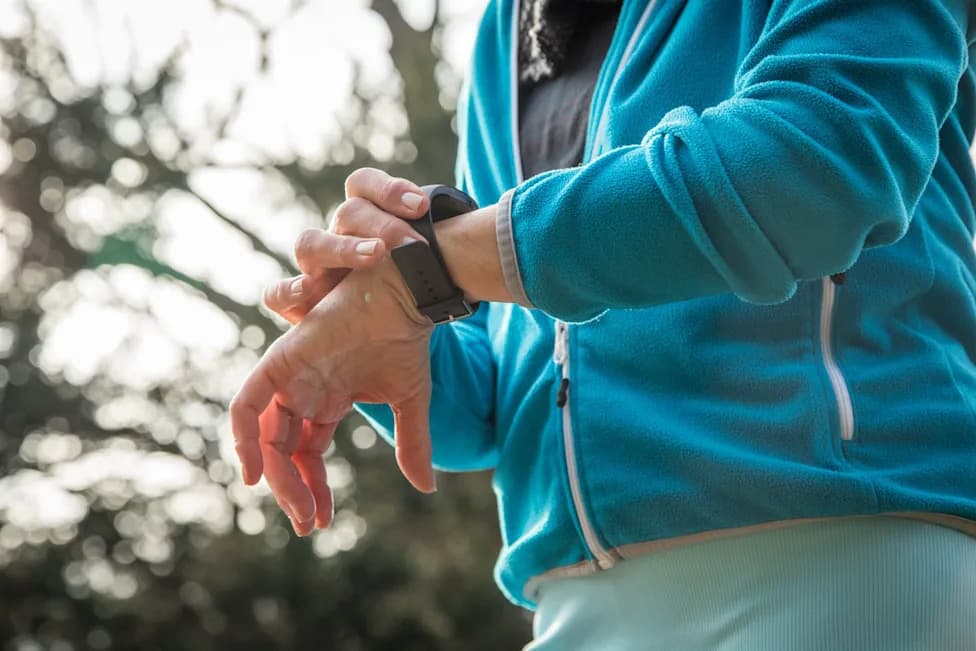
- Wearables such as smart socks and a specialised watch that track body temperature and gradual changes in gait—potential early signs of frailty or infection.
How the data is used
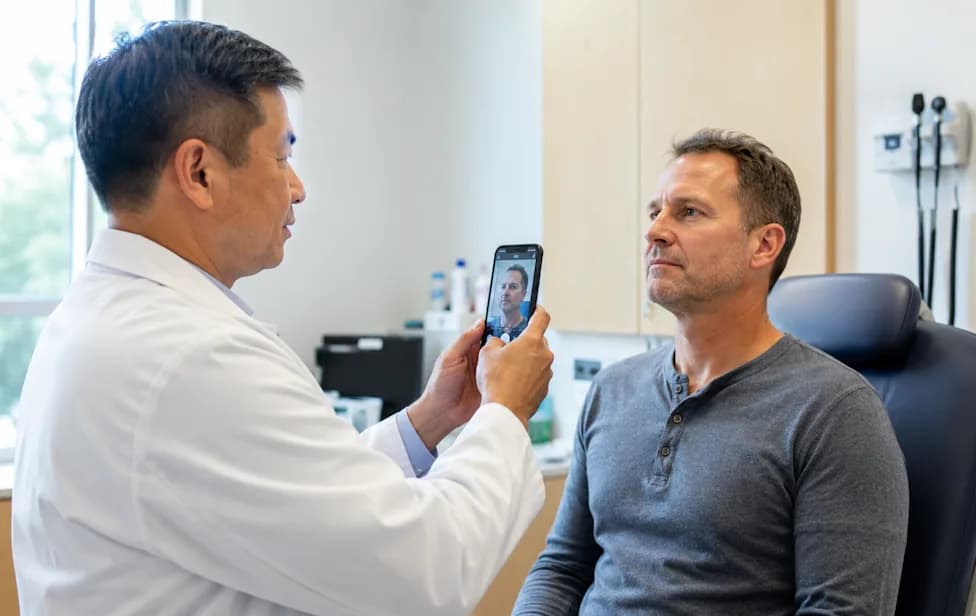
A dedicated clinical team of doctors, nurses and specialists receives and reviews the data. Their aim is to detect subtle changes in behaviour or physiology—earlier than would otherwise be possible—so that timely interventions can prevent deterioration or avoid crises.
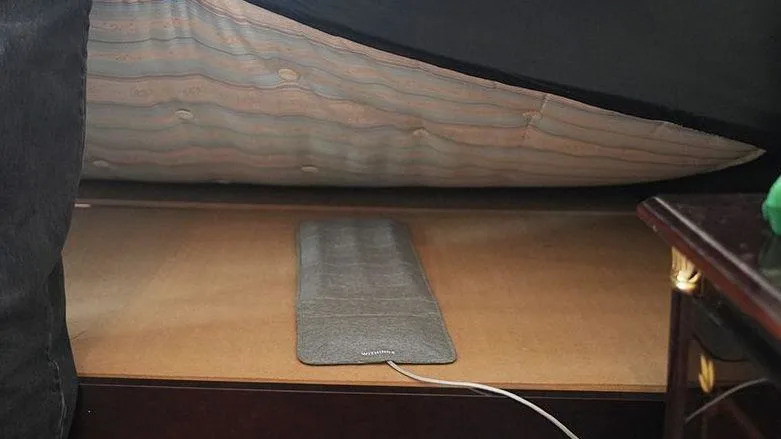
The couple sleep on a smart mattress that tracks Jyoti's heart rate and breathing [BBC]
"Earlier signals means earlier intervention," says Sarah Daniels, Health and Social Care Lead at the UK DRI. "That allows us to address potential complications of an infection or other care challenges before they become a crisis."
None of the devices record audio or video, and privacy safeguards are in place, but researchers acknowledge some people may still be uneasy about data sharing. Project leaders emphasise that the additional information can help GPs and care teams make better-informed decisions.
Costs and wider rollout
Estimated monitoring costs are about £2,000 per person per year—mainly covering staff who analyse the data. While that would be substantial at scale given nearly a million people in the UK currently live with dementia, Daniels points out the cost is comparable to a few weeks in a care home and could prevent more expensive hospital admissions.
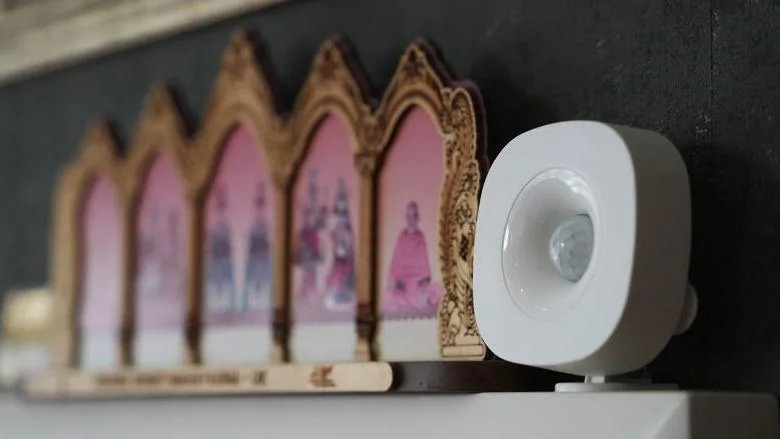
Devices around the home pick up movement and alert care staff if needed [BBC]
Dr Jeremy Isaacs, NHS England's national clinical director for dementia and older people's mental health, said the NHS would closely monitor the trial. With dementia prevalence in the UK projected to rise by roughly 40% by 2040, researchers hope effective remote-monitoring models can be expanded to support more people to remain at home.
A personal perspective
Jyoti, a former professional magician who performed around the world with her husband Bharat, first showed worrying signs on stage in 2019 and was diagnosed with Alzheimer’s in 2021. Bharat says the technology has eased his daily anxiety.
"Even if it can cut down my worries by 5 or 10%, then it helps me and it will help other people too," he says.
Help us improve.