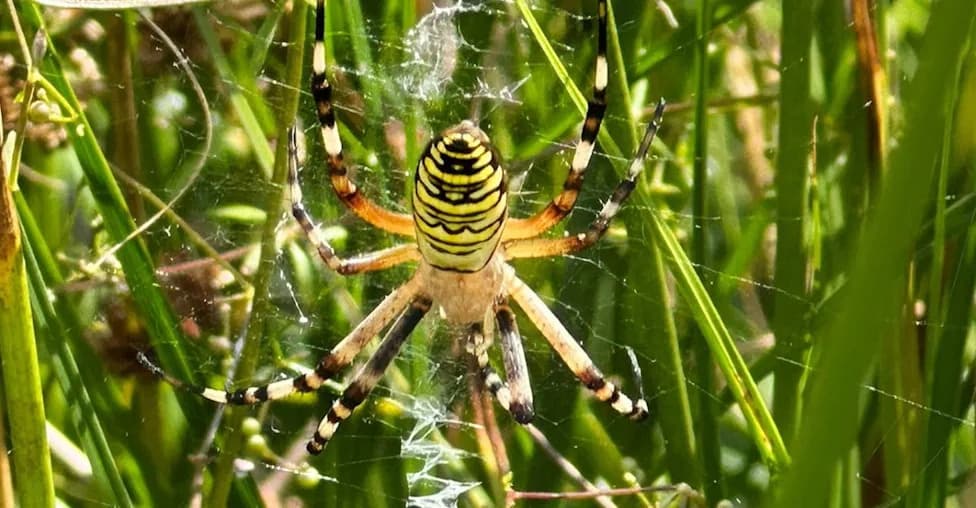
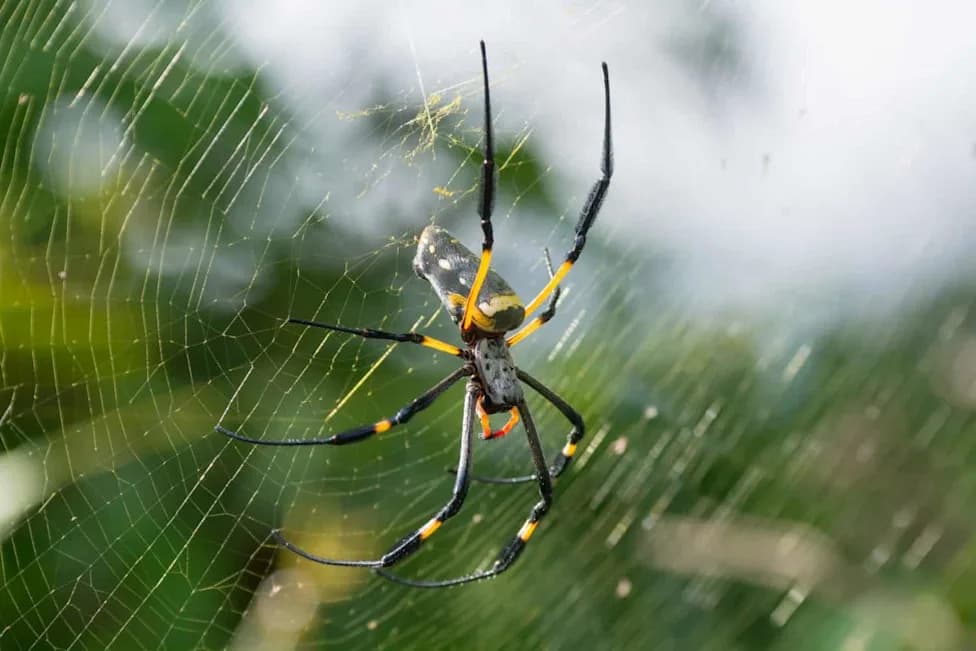
Chester Zoo staff discovered Cheshire's first recorded wasp spider (Argiope bruennichi) during a biodiversity survey on the zoo's 205-hectare estate. The sighting was verified by the British Arachnological Society and logged with Cheshire's RECORD centre. Experts describe such northward movements as examples of "climate refugees" and say continued monitoring is vital to track range shifts and protect biodiversity.
Cheshire Records Its First Wasp Spider — A 'Climate Refugee' Found at Chester Zoo
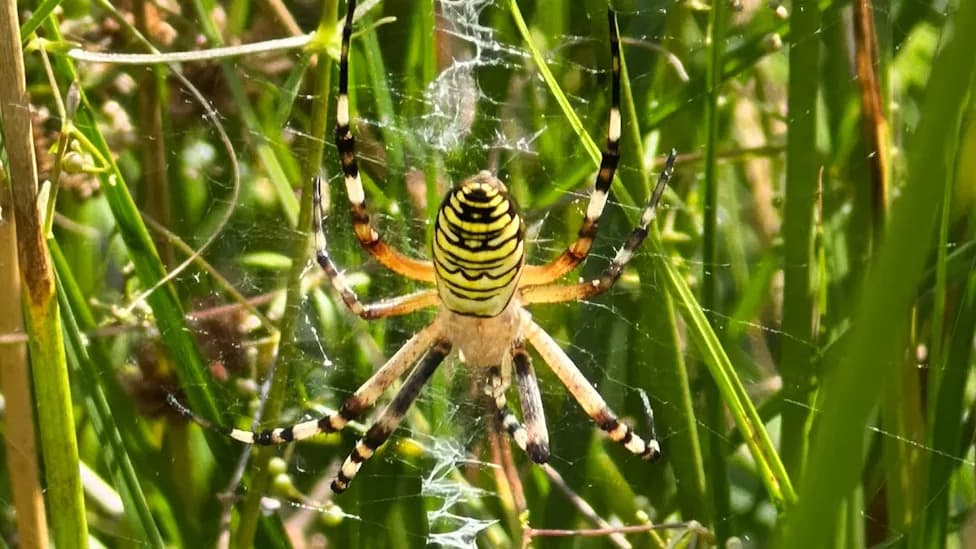
Photo Credit: Chester Zoo
Cheshire has recorded its first confirmed sighting of the striking yellow-and-black wasp spider (Argiope bruennichi), a species whose northward movement scientists link to warming climates. The individual was discovered during a routine biodiversity survey on Chester Zoo's 205-hectare estate and verified by an expert from the British Arachnological Society.
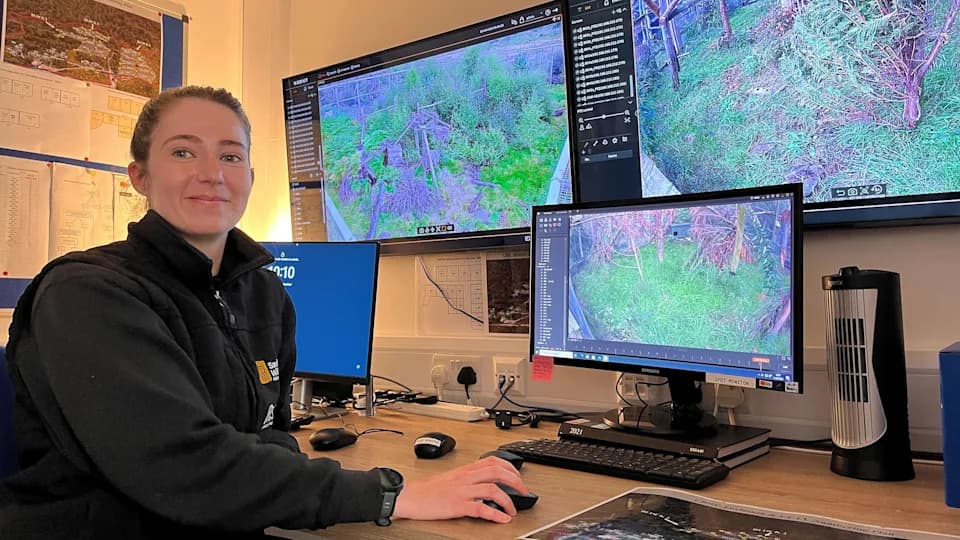
The spider was spotted by Rosie Cooper, an estate biodiversity assistant conducting a plant survey on the zoo grounds, which include wet meadows, ponds, reedbeds, woodlands, orchards, hedgerows and grasslands. Because Chester Zoo and RECORD (Cheshire's environmental records centre) maintain systematic species records, the arrival could be formally documented and added to regional monitoring datasets.
"I was looking out for plant species, and then I saw this big, stripy, brightly coloured spider," said Rosie Cooper. "I have what you might call a healthy respect for spiders, so my first thought was 'Woah!' But now I think it's really cool to have found her."
Ruby Merriman, the zoo's estate biodiversity manager, noted: "Wasp spiders are slowly moving north as parts of southern Europe warm faster than they can tolerate. Some conservation organisations call such migrants 'climate refugees' — a useful term to describe animals forced to move by human-driven climate change. We need to make space for them."
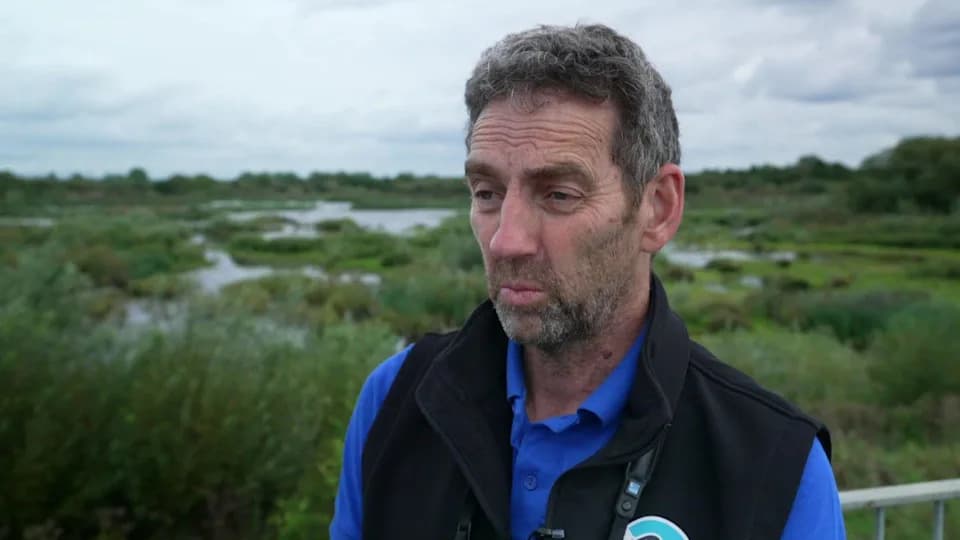
Scott Wilson, head of field programmes at Chester Zoo, welcomed the discovery but warned it reflects a broader, worrying trend: the real-time impacts of climate change on biodiversity worldwide. Regular monitoring helps scientists track range shifts and better understand how ecosystems respond to rising temperatures.
The Chester Zoo estate already supports a variety of wildlife, including badgers, great crested newts, harvest mice, barn owls, dragonflies, moths and butterflies. This wasp spider sighting is part of a wider pattern of unexpected wildlife movements globally:
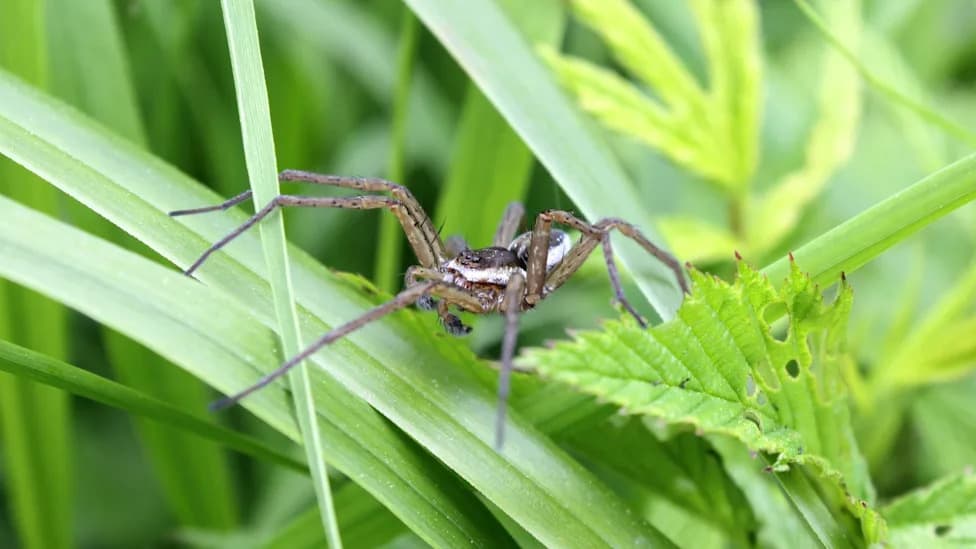
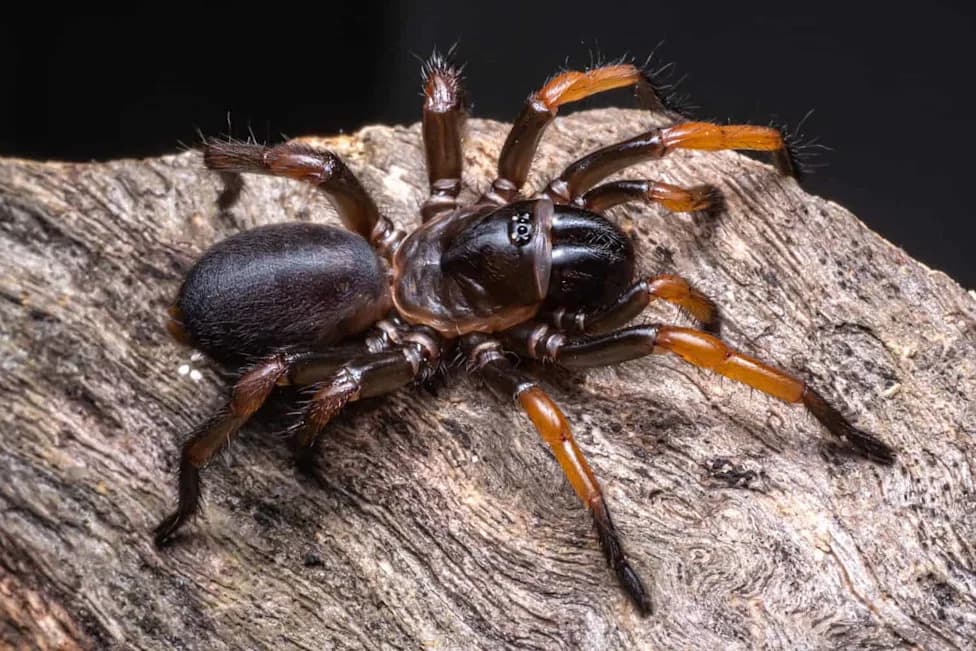
- Giant Australian spiders arriving in New Zealand after hitching rides on human transport.
- An invasive spider rapidly spreading through Maryland forests in the United States.
- Reports from the U.S. Southwest of camel spiders emitting a loud defensive hiss or 'scream' when disturbed.
- Renewed debate in the U.K. after recent wild boar sightings about how these animals returned to parts of the country.
Ongoing recording by organisations such as Chester Zoo and RECORD will be important for tracking future shifts and informing conservation responses as climates change.
Help us improve.