The Silent Spring Institute's peer-reviewed review identified 485 chemicals used in U.S. pesticide products that are linked to breast cancer, including many "inert" ingredients that often avoid full safety review. The study argues the EPA typically evaluates ingredients individually rather than assessing whole formulations or cumulative exposures, creating regulatory gaps. Researchers call for policy changes—such as expanding California's Proposition 65—and recommend that consumers reduce exposure by choosing organic produce and using effective water filtration where needed.
Study Identifies 485 Chemicals in U.S. Pesticide Products Linked to Breast Cancer; Regulators Face Scrutiny

The chemicals are not just found in pesticides used on crops, but also in lice treatments applied to children's scalps, home lawn fertilizers, and flea and tick treatments.Photograph: Jeff Greenberg/Universal Images Group/Getty Images
New peer-reviewed research has identified at least 485 chemicals present in U.S. pesticide products that are associated with breast cancer, raising fresh concerns about the safety of food, household products and drinking water as early-onset breast cancer rates rise globally.
The analysis was published in Environmental Health Perspectives, a peer-reviewed journal published by the U.S. National Institute of Environmental Health Sciences. The review—led by researchers at the Silent Spring Institute—examined both active pesticide ingredients and hundreds of so-called "inert" (inactive) ingredients that often escape comprehensive safety evaluation.
Key Findings
The study found 485 chemicals used in pesticide products that have evidence linking them to breast cancer. Only about 145 of those chemicals are registered with the Environmental Protection Agency (EPA) as active ingredients; the remainder are listed as inert or otherwise not labeled as active. Federal biomonitoring data from the National Health and Nutrition Examination Survey (NHANES) show that 84 of the identified chemicals are detectable in the general U.S. population—though researchers warn this is likely an undercount because NHANES does not measure many of the compounds the review flagged.
Regulatory Gaps and Concerns
Researchers and public-health advocates argue there are important regulatory blind spots. Under current EPA practice, pesticide ingredients are typically evaluated on an individual basis rather than as complete product formulations, and cumulative exposures to multiple pesticides are often not considered. The Silent Spring review highlights how many potentially harmful inerts avoid the same level of scrutiny as actives, and how that can mask real-world risks.
"They are not biologically inert; they are just called inert because they do not target the pest," said Jenny Kay, a co-author and researcher at the Silent Spring Institute. "The body does not distinguish between inert and active ingredients."
The institute also notes that in 2023 the EPA rejected a legal petition requesting stricter review of inert ingredients. Another complication is that some hormone-disrupting chemicals exhibit "non-monotonic dose responses," meaning they can cause adverse effects at low exposures that might not appear at higher doses—challenging traditional toxicology assumptions and regulatory thresholds.
Where These Chemicals Are Found
The chemicals identified in the review appear across many uses: agricultural sprays, home lawn fertilizers, lice treatments for children, and pet flea-and-tick products. Separate work by the Silent Spring Institute mapped roughly 500 breast cancer–linked chemicals in common consumer goods and 462 in drinking water supplies.
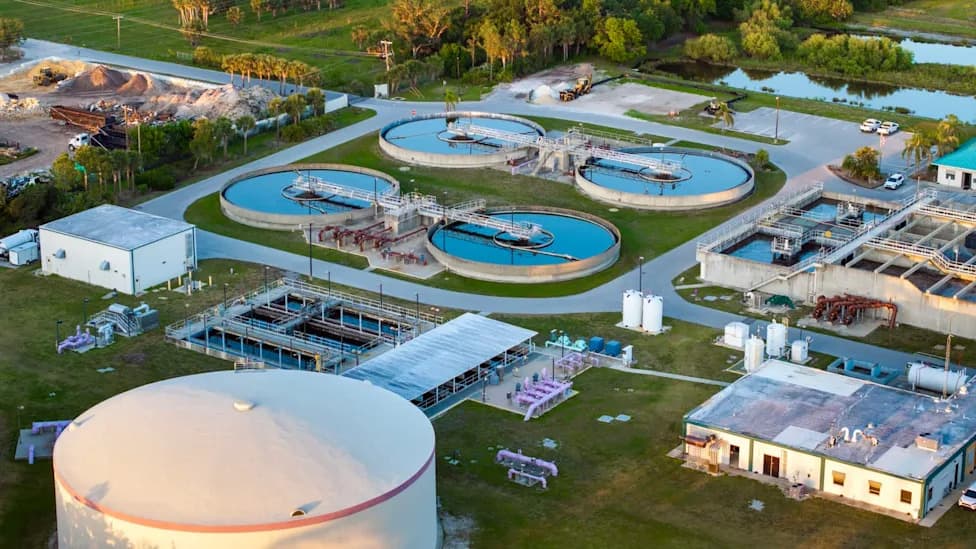
A recent report also estimated that about 25% of the nation's public water intake and roughly 675,000 private wells draw water contaminated with dangerous levels of atrazine, a hormone-disrupting herbicide that has been linked in some research to breast cancer risk. While no single filtration system is perfect, activated carbon filters and reverse osmosis systems are generally most effective at reducing many pesticide residues in drinking water.
Policy Recommendations and Consumer Tips
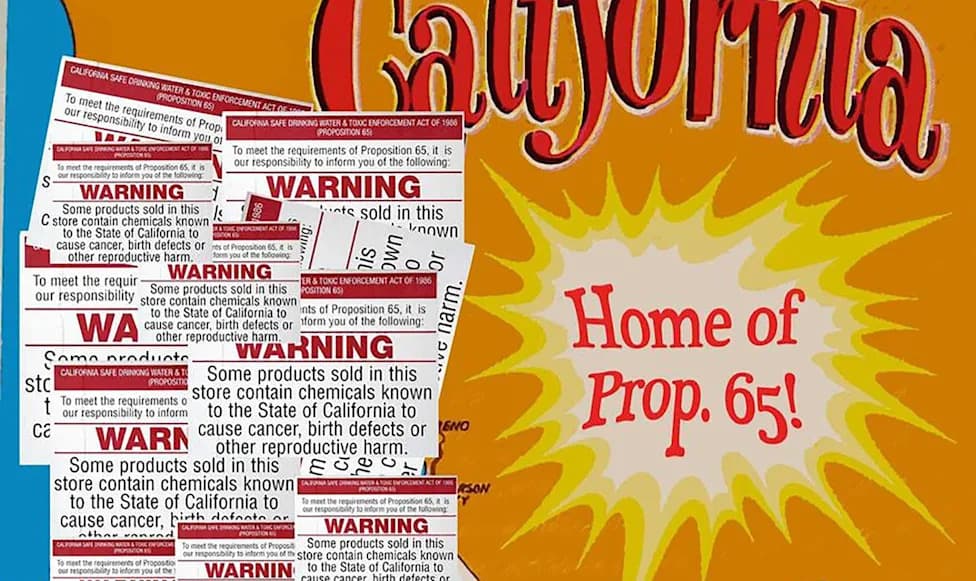
The Silent Spring Institute recommends policy changes such as expanding California's Proposition 65 (which requires warnings for chemicals known to cause cancer or reproductive harm) to include additional pesticides identified by the review. The study flagged 16 pesticides not currently listed under Prop 65 and suggests listing them could discourage continued use.
On an individual level, experts suggest practical exposure-reduction steps: buy organic produce when possible, choose products that have not been treated with pesticides, and consult resources such as Consumer Reports for guidance on which fruits and vegetables tend to carry higher pesticide residues. For drinking water, consider point-of-use systems that use activated carbon or reverse osmosis if local testing shows contamination.
Context and Next Steps
The findings add to a growing body of research pointing to widespread chemical exposures and gaps in chemical safety assessment. The study's authors and public-health advocates call for stronger regulatory review of whole pesticide formulations, better biomonitoring for a broader set of compounds, and consideration of cumulative and low-dose effects—especially for endocrine-disrupting chemicals that can affect breast cancer risk.
"Adding these exposures up gets pretty consequential and concerning," Kay said. "We wanted to bring more attention to the pesticides in different products."
Help us improve.