Lawmakers are split over whether Congress has the expertise or will to regulate artificial intelligence. Critics say many members lack basic technical familiarity, while others point to a growing group of AI-literate legislators, a 273-page House task-force report, and several pending bills as signs of progress. Political priorities and the slow pace of Capitol Hill — compared with the rapid evolution of AI — remain the biggest obstacles to comprehensive federal regulation.
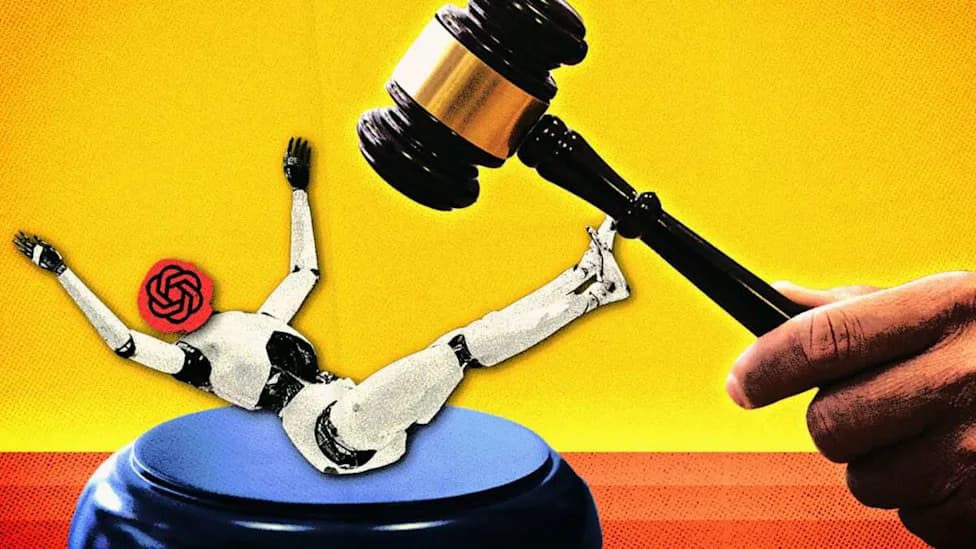
‘Barely Capable Of Email’: Can Congress Move Fast Enough To Regulate AI?

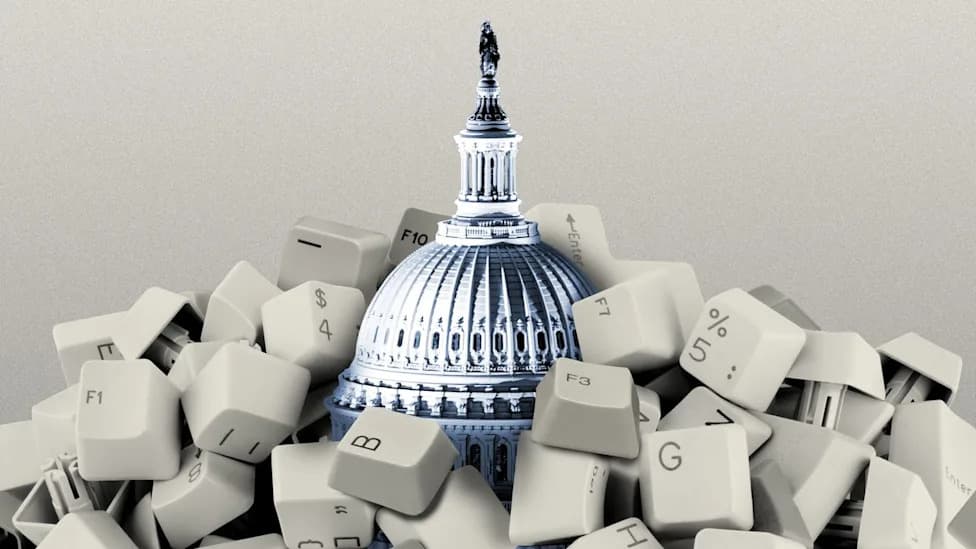
NBC News; Getty Images
WASHINGTON — As alarms about artificial intelligence grow louder, lawmakers are divided over whether Congress has the knowledge and bandwidth to craft effective AI rules.
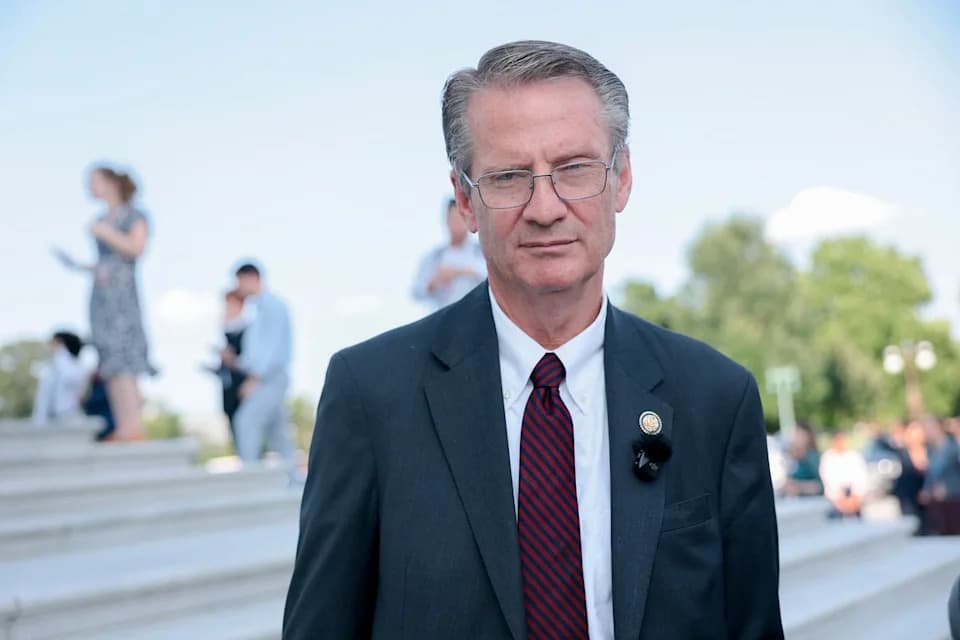
Some members openly question their colleagues' technical familiarity. Sen. Thom Tillis (R-N.C.) quipped,
"A lot of them can't spell it. They just don't have the experience."Sen. Ruben Gallego (D-Ariz.) offered a similar barb:
"They still don't know how to get on the internet."Rep. Ro Khanna (D-Calif.), who represents parts of Silicon Valley, said many lawmakers lack a basic, hands-on understanding of how the technology works.
"You don't have to be an auto mechanic, but it would be nice if you at least were a passenger in a car or had driven a car," Khanna told NBC News, drawing an analogy to how lawmakers should approach AI policy.
There is broad agreement that Congress is not yet close to comprehensive AI regulation. Capitol Hill has historically been slow to legislate new technology: rather than passing a sweeping internet law, lawmakers relied on piecemeal fixes and existing statutes. Two decades after Facebook became widely available, policymakers are still wrestling with how to regulate social platforms. Efforts to strengthen children’s protections online remain politically popular but stalled in negotiation.
Some senators emphasize the glacial pace of lawmaking. "This is the United States Congress you're talking about. I mean, nothing moves very quickly," said Sen. Mark Kelly (D-Ariz.), a former astronaut. "It's much easier" to fly a fighter jet than to pass AI legislation, he added.
Still, a growing cohort of lawmakers is working to close the expertise gap. Rep. Don Beyer (D-Va.) is pursuing a master's in machine learning and argues that Congress can build capacity without needing every member to be a technical specialist. "You don't need to be a Ph.D. or a master's in computer science to know what to do next," Beyer said, noting parallels to how lawmakers set up agencies such as the FDA or the SEC.
In 2024 the House convened a bipartisan task force that held two dozen hearings and issued a 273-page report with nearly 90 recommendations. Many proposals have been converted into bills now under committee review. Rep. Jay Obernolte (R-Calif.), who chaired that task force and holds a master's in AI, cited the bipartisan Frontier Act — co-led with Rep. Lori Trahan (D-Mass.) — as an example of legislation that would set national safety rules for advanced models.
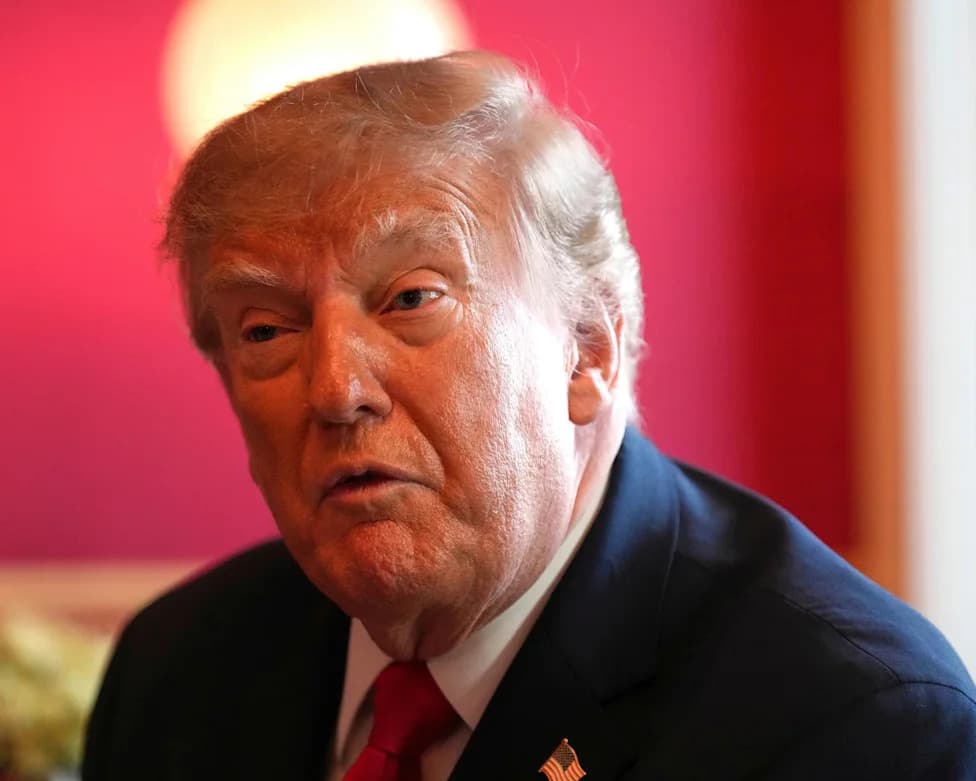
But political will remains a key obstacle. Beyer and others say leadership must prioritize AI bills and allow them onto the floor. Some Republican leaders and the White House have signaled they prefer an approach that emphasizes innovation and competition over new regulatory constraints. President Donald Trump recently told world leaders he does not want to "stifle growth of something that will be bigger than the industrial revolution," and House Speaker Mike Johnson has warned against hampering American innovation while acknowledging some guardrails are needed.
High-profile warnings from industry figures have intensified calls for action. Microsoft co-founder Bill Gates warned that AI could drive events with catastrophic human consequences and said "no one thinks self-regulation is enough." That urgency has not yet produced consensus in Congress.
Some lawmakers favor targeted legal tools rather than detailed technical rules. Sen. Josh Hawley (R-Mo.) argues legislation should open the courthouse doors, making companies legally accountable when AI systems cause harm — whether by crashing financial systems, enabling cyberattacks, or exposing sensitive data.
Other skeptics note the legislative process can lag behind rapidly evolving technology. Sen. Bernie Moreno (R-Ohio) pointed to multi-year delays on cryptocurrency legislation as a cautionary tale: by the time laws emerge, technology may have already evolved.
Ultimately, the debate is part practical and part political: can Congress educate itself quickly enough, build durable policy frameworks that survive technological change, and muster the political consensus to act? For now, the answer remains uncertain — though a small but growing group of AI-literate lawmakers and a slate of pending bills give cautious optimists something to point to.
Note: This version refines language and structure while preserving the original reporting and quotations.
Help us improve.