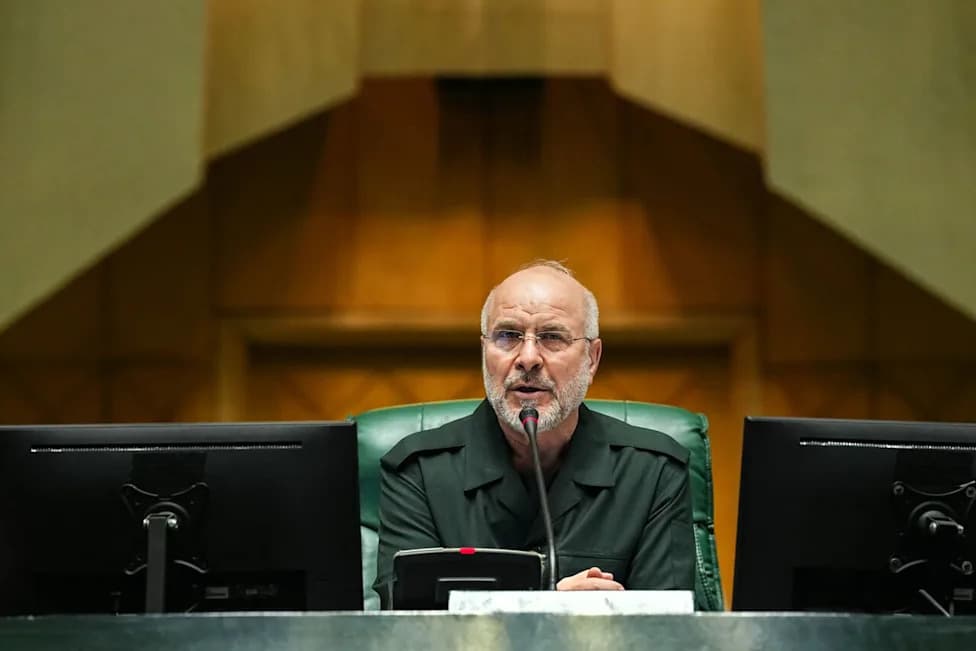
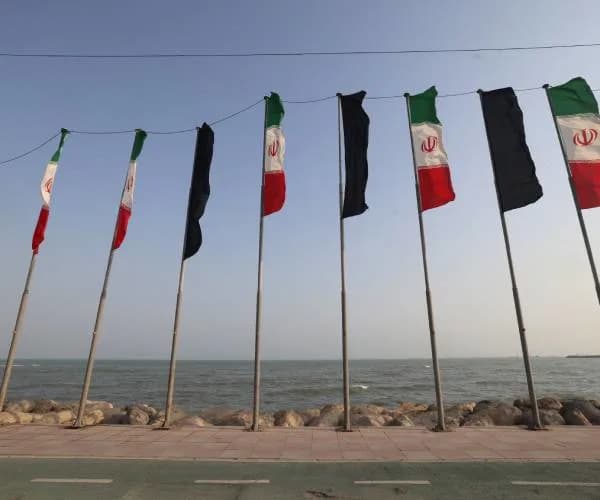
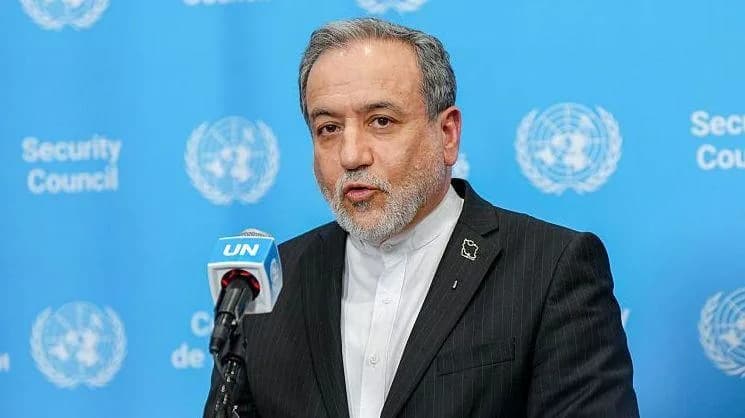
Masoud Pezeshkian, an Iranian political figure, told Al-Jazeera that Iran does not trust the United States and that the Strait of Hormuz must be secured through negotiation rather than force. He said talks between Tehran and Washington have continued via intermediaries such as Qatar and Pakistan and reiterated Iran's resilience against reported strikes. Iran reportedly offered to resume nuclear talks within seven days if the U.S. lifts its alleged naval blockade, agrees to a ceasefire and ends sanctions; U.S. media reported the offer was rejected. Several details in reporting about casualties and planned military steps remain contested and await independent confirmation.
Iranian Politician Masoud Pezeshkian: "We Have No Trust In The American Side" — Calls For Talks To Secure Strait Of Hormuz

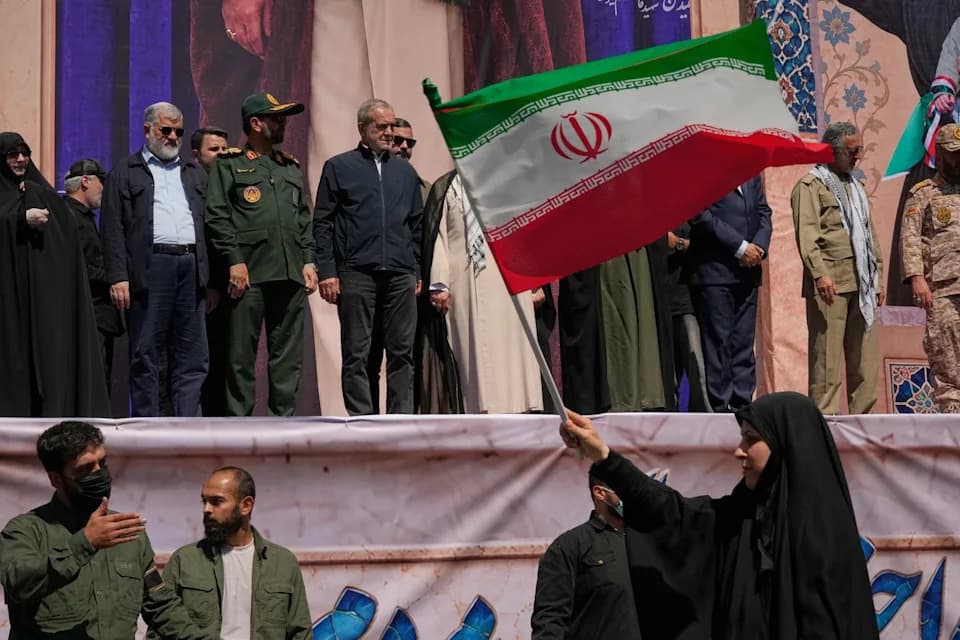
AP Photo/Vahid Salemi
Masoud Pezeshkian, an Iranian political figure, told Al-Jazeera that the Middle East does not need "a regional policeman" and argued that the Strait of Hormuz can only be secured through negotiation rather than force. Speaking amid a protracted confrontation between Iran and the United States, Pezeshkian said Tehran has lost trust in Washington because of what he described as repeated U.S. attacks during ongoing talks conducted via third parties.
"We have no trust in the American side and do not know on what basis an understanding can be reached with it," Pezeshkian told the network. He emphasized that military action would not resolve tensions around the strategically vital oil route.
"We withstood the American and Israeli attacks, and we will continue to stand firm," Pezeshkian said, framing Iran's position as resilient in the face of external pressure.
Pezeshkian said negotiations between Tehran and Washington have continued through intermediaries such as Qatar and Pakistan. He urged regional cooperation as the basis for security and dismissed the idea that a single outside power should act as a "regional policeman."
Iran's Offer And International Response
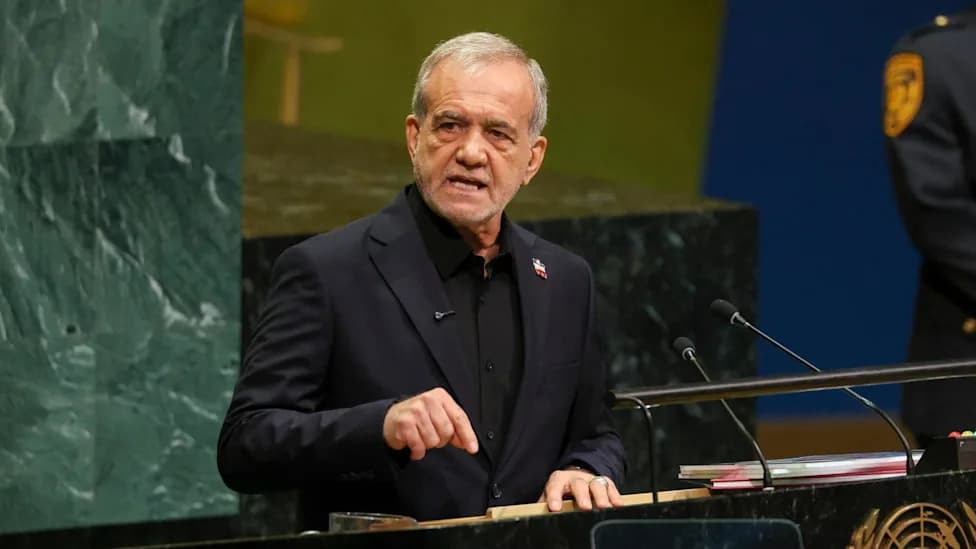
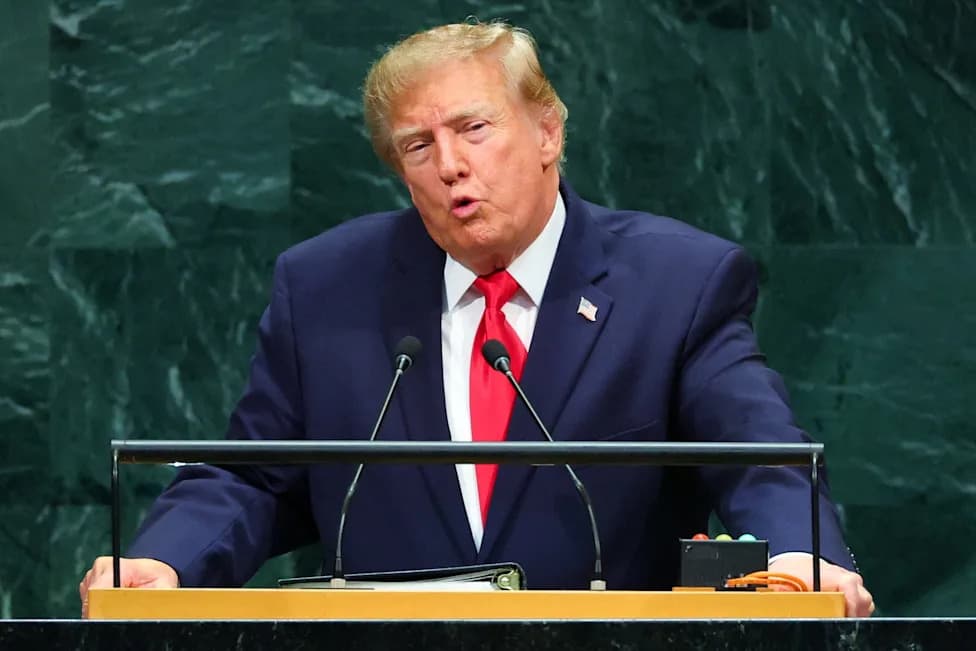
At the United Nations General Assembly, Iran reportedly put forward a plan to reopen the Strait of Hormuz. Under the proposal, Tehran said it would be willing to resume nuclear talks within seven days if the United States ended a purported naval blockade of the Strait, agreed to a ceasefire and lifted sanctions.
Media reports have quoted U.S. sources suggesting the proposal was rejected. The Wall Street Journal reported that U.S. President Donald Trump has rejected the plan and that U.S. officials "expect to resume bombing" after upcoming elections, a claim that remains contested and was characterized in media coverage as an assertion by some U.S. outlets.
Context And Casualties
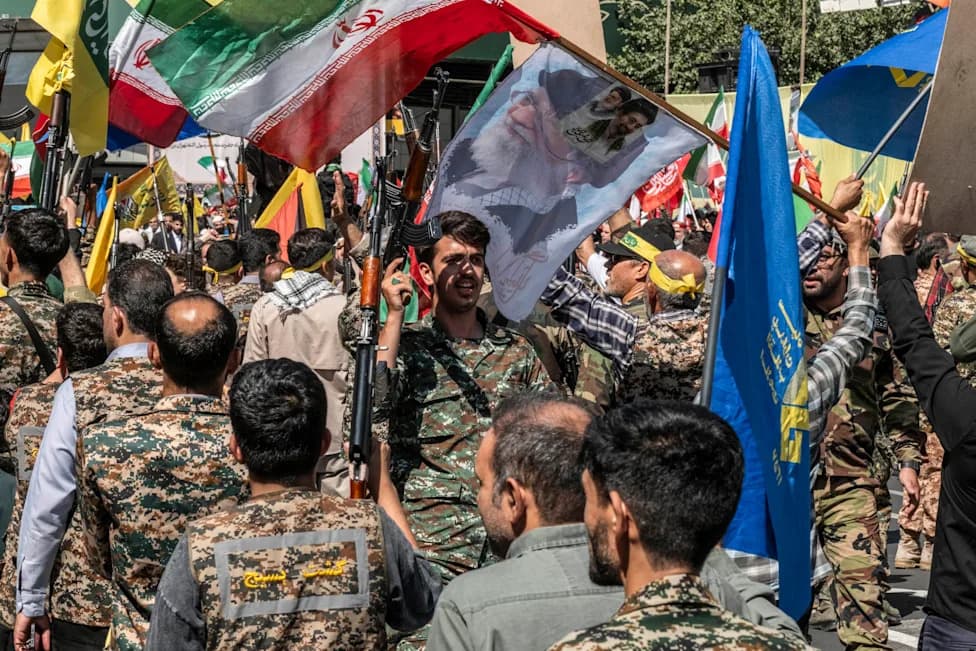
The confrontation between Iran and the United States has been marked by periodic strikes and counterstrikes. Some reports indicate the conflict has resulted in casualties, including U.S. service members; specific casualty figures have varied between sources and remain the subject of official confirmation.
This account aims to reflect statements made on the record to Al-Jazeera and coverage by international outlets while noting that several details — including claims about planned military actions and casualty numbers — have been reported differently across sources and may require further verification.
Help us improve.