A viral video showed two creators handling what users said was a Brazilian wandering spider as though it were a harmless tarantula, drawing backlash on Reddit. Commenters debated whether the issue was misidentification or regional naming, but experts warned the footage could encourage copycat behavior and endanger people and animals. The recommended response: do not handle wildlife you cannot identify, film from a safe distance, and contact trained removers for humane relocation.
Viral Clip Criticized After Influencers Handle Suspected Brazilian Wandering Spider Like A Tarantula
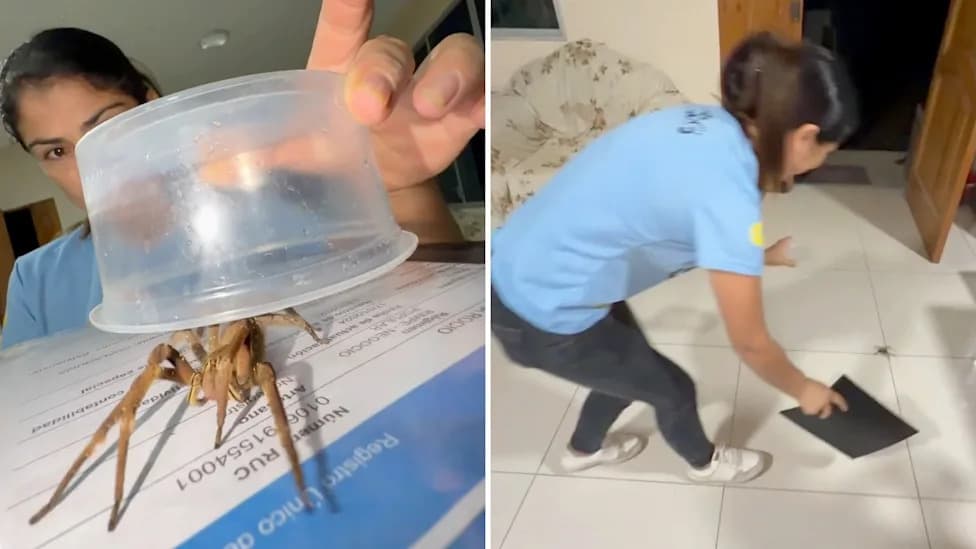
Photo Credit: Reddit
A widely shared wildlife video sparked criticism after Reddit users in r/spiders said two social-media creators — with a combined audience of more than 4 million — appeared to treat a spider they believed to be a Brazilian wandering spider as if it were a harmless tarantula. The footage raised concerns about misidentification, risky behavior for views, and the potential for encouraging dangerous copycat interactions.
What Happened
In the original Reddit thread the poster described the creators' actions and warned viewers about their approach. The post opened:
"They mistook a highly venomous Brazilian wandering spider (Phoneutria sp.) for a harmless tarantula and then proceeded to act carelessly for the camera."The poster later added:
"They had good intentions and did an amazing job by releasing it unharmed. Lifting the cover and putting their hands right next to it were not the best ideas though!"
Why People Were Concerned
Commenters debated whether the incident was a clear misidentification or a case of regional naming differences. One user noted that in some Spanish-speaking communities large spiders are commonly called "tarantulas," which can create confusion. Others argued the creators seemed aware of the spider's natural habitat — saying they planned to release it in a banana tree — but still handled it in ways experts say were risky.
Risks and Broader Context
Experts and observers warned that videos showing close contact with potentially dangerous animals can normalize unsafe behavior. Even if an animal does not bite, repeated handling, cornering, or stressing an animal for the camera can increase the chance of defensive reactions and cause harm to the animal.
BBC Future and other outlets note that human-wildlife conflict is often driven by human activity — development, farming, and habitat change — which increases encounters and tensions. When creators downplay danger or use loose common names, viewers may conclude such interactions are safe or acceptable.
Practical Advice
Do not handle wildlife you cannot confidently identify. If you find a spider or other animal at home, in your yard, or at work, keep your distance and contact a local expert trained in humane removal. Filming from a safe distance, avoiding direct handling, and clearly warning viewers when an animal may be dangerous helps protect both people and wildlife.
Related Incidents Referenced
- The invasive Joro spider spreading through U.S. neighborhoods, complicating public reactions to unfamiliar arachnids.
- Reports of spiders building webs in busy public spaces in Georgia, increasing close human-spider contact.
- Tourists cornering wild animals and creating hazardous situations that spoil visits to nature sites.
- A close encounter with a large alligator near shore in Everglades National Park that highlighted how quickly situations can become dangerous.
Clear, accurate species identification and cautious behavior reduce panic, prevent unnecessary harm to animals, and discourage reckless interactions made for views. Above all: if you are unsure, keep your distance and call a professional.
Help us improve.