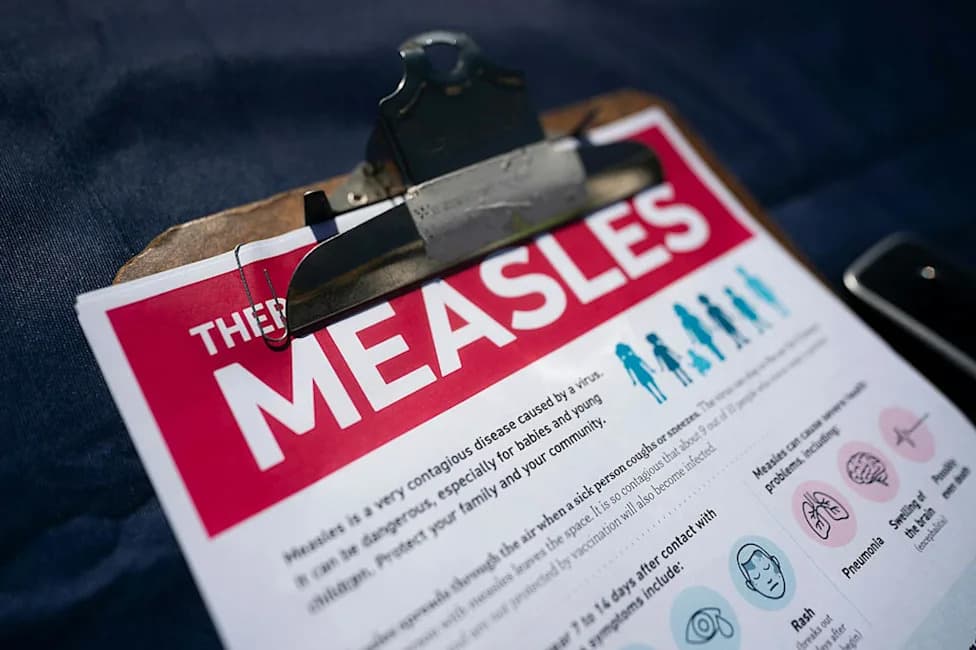
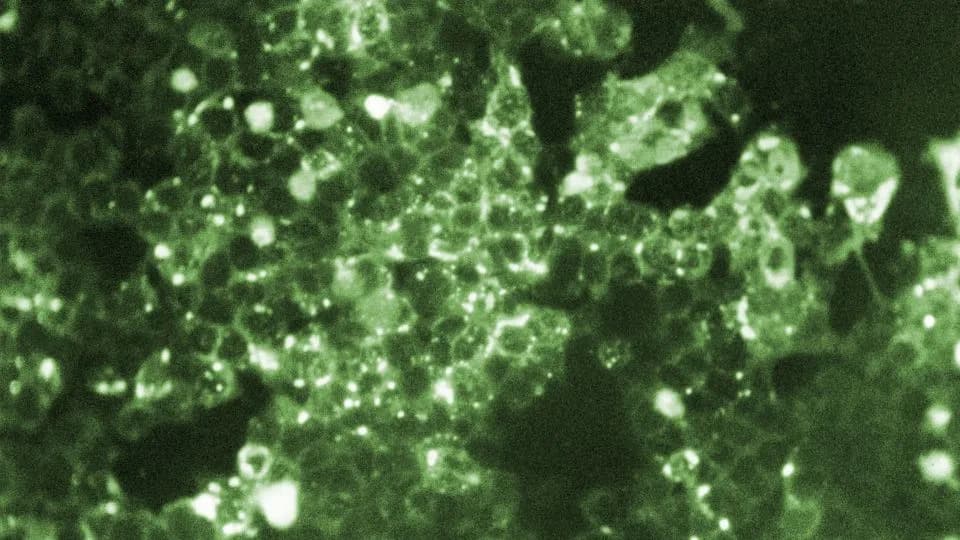
Measles has resurged in the United States, producing larger outbreaks in 2025–26 and straining public-health response. Pennsylvania reported 890 cases and four deaths as of Sept. 26; the US recorded 3,659 cases across 47 jurisdictions as of Sept. 24. Declining two-dose MMR coverage among kindergartners and clustered pockets of unvaccinated people increase the risk of sustained transmission. Airport exposures and other events create heavy contact-tracing burdens that may force officials to prioritize investigations.
Measles Is Back: US Containment Efforts Strained After Major 2025–26 Resurgence

DANVILLE, PENNSYLVANIA, UNITED STATES - 2026/08/16: A sign with the Geisinger logo is seen on the campus of Geisinger Medical Center in Danville. Geisinger alerted the public of a possible measles exposure at Geisinger Medical Center after a visitor with a high suspicion of measles was present on campus Aug. 12-13 in the emergency department waiting room, pediatric emergency department, Janet Weis Children's Hospital second floor, Atrium Café in Hospital for Advanced Medicine, and fluoroscopy. (Photo by Paul Weaver/SOPA Images/LightRocket via Getty Images)SOPA Images/LightRocket via Getty Images
A traveler with measles passed through Philadelphia International Airport on Sept. 13, spending nearly five hours moving between terminals. Six days later, the city health department issued an exposure notice. While the alert named a single infected traveler, public-health officials warn the episode highlights a broader, systemic problem: the US outbreak response is being stretched thin after a large resurgence in 2025–26.
Why This Matters
Measles is one of the most contagious vaccine-preventable diseases, and controlling it requires very high population immunity. Where vaccination coverage falls or unvaccinated people cluster, outbreaks can take hold even when national averages look acceptable. The 2025–26 resurgence has produced outbreaks larger and longer than those seen since measles was declared eliminated in 2000.
Recent Cases and Impact
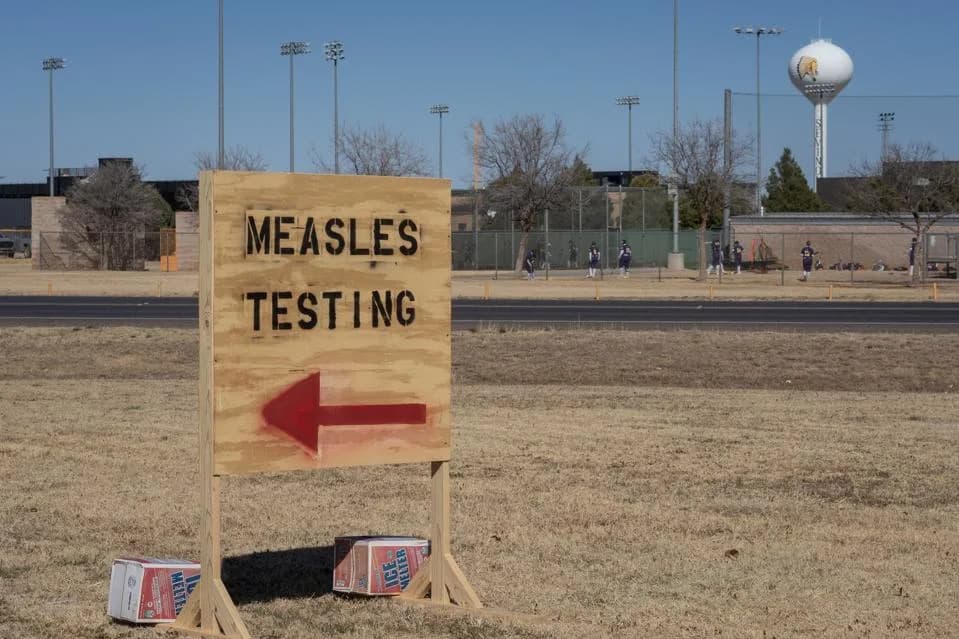
Pennsylvania reported 890 confirmed measles cases as of Sept. 26, including four deaths — the state’s first measles fatalities in 35 years. Nationally, the United States recorded 3,659 cases across 47 jurisdictions as of Sept. 24. Major outbreaks in Texas, Utah, South Carolina and Pennsylvania have driven much of that increase.
Operational Strain On Public Health
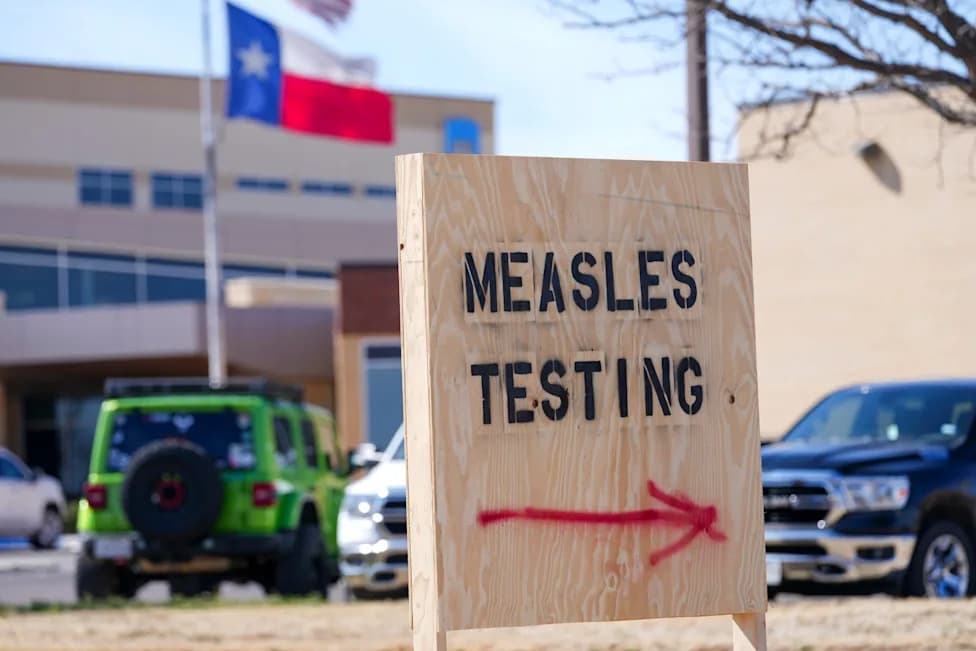
Airport exposures create a cascade of follow-up work: hundreds of people who passed through terminals and later develop routine fevers must be located, tested and cleared. These investigations rarely confirm additional measles cases, but each one consumes limited public-health time and resources. The Association of State and Territorial Health Officials estimates the average measles outbreak response costs more than $750,000 (not including lost productivity and caregiver time). One Michigan county health department reported receiving $100,000 in emergency contact-tracing funds this spring and had largely used those funds by April.
Dr. Matthew Ferrari, director of the Center for Infectious Disease Dynamics at Penn State: 'Epidemiologically, this is news buzz. Operationally, though, it hits an already strapped response system — and for a response that is already strapped for resources, this is a hit they shouldn't have to take.'
Vaccines And Who's At Risk
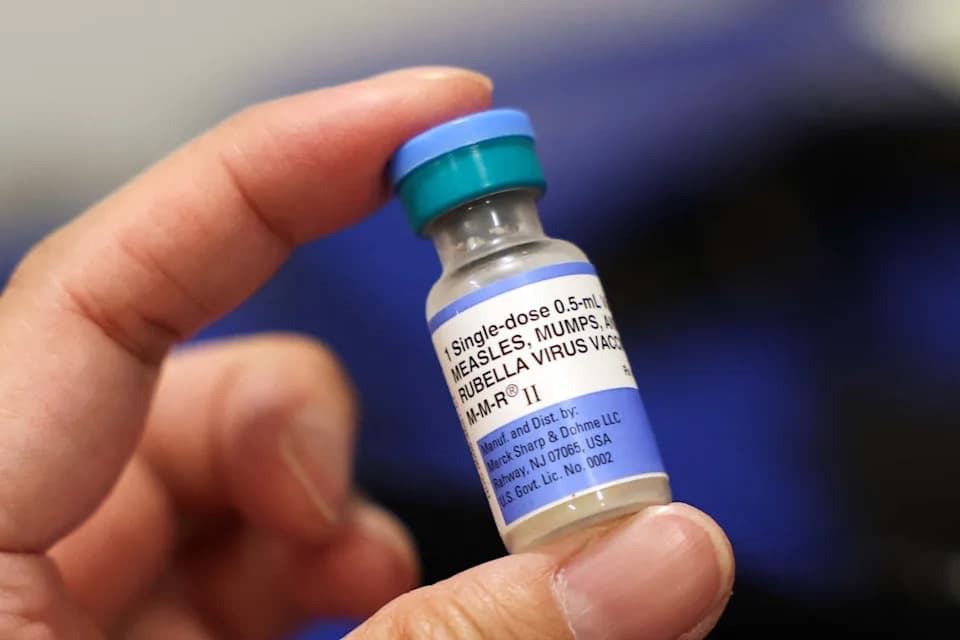
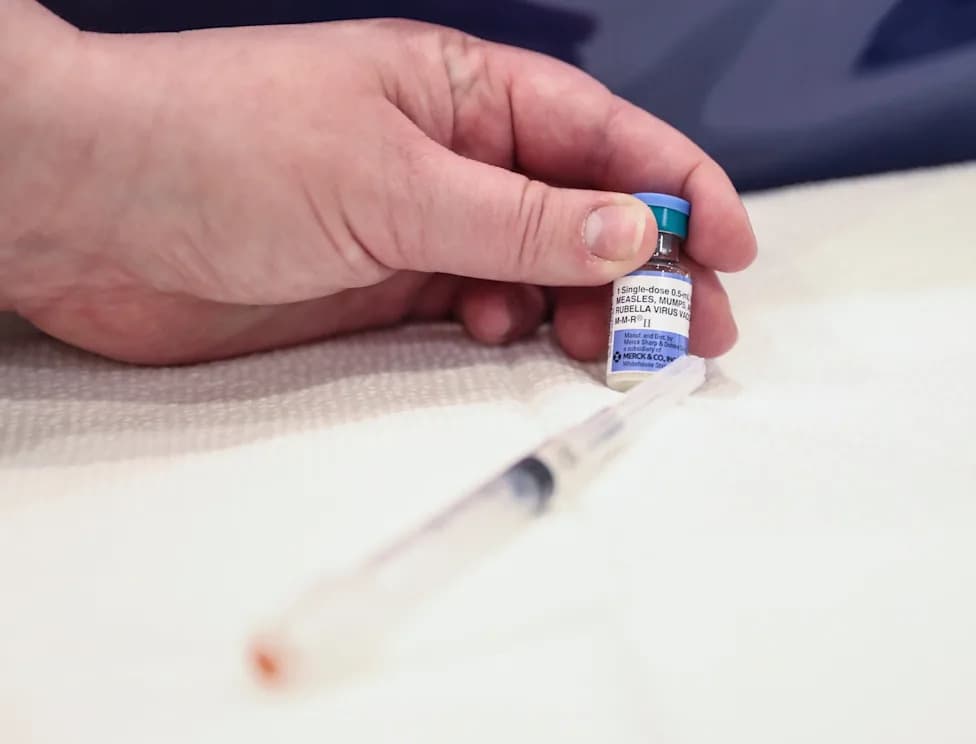
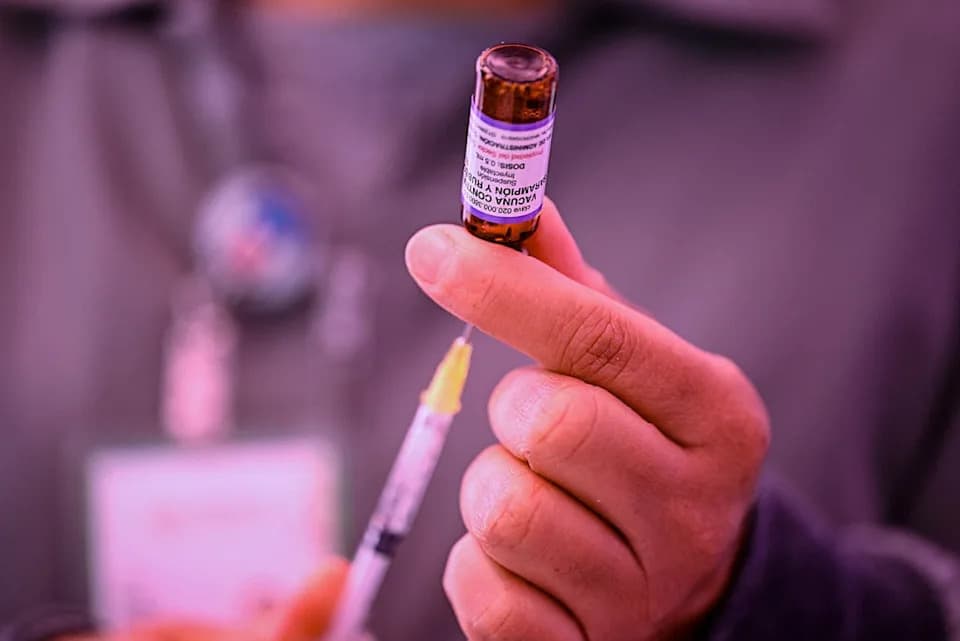
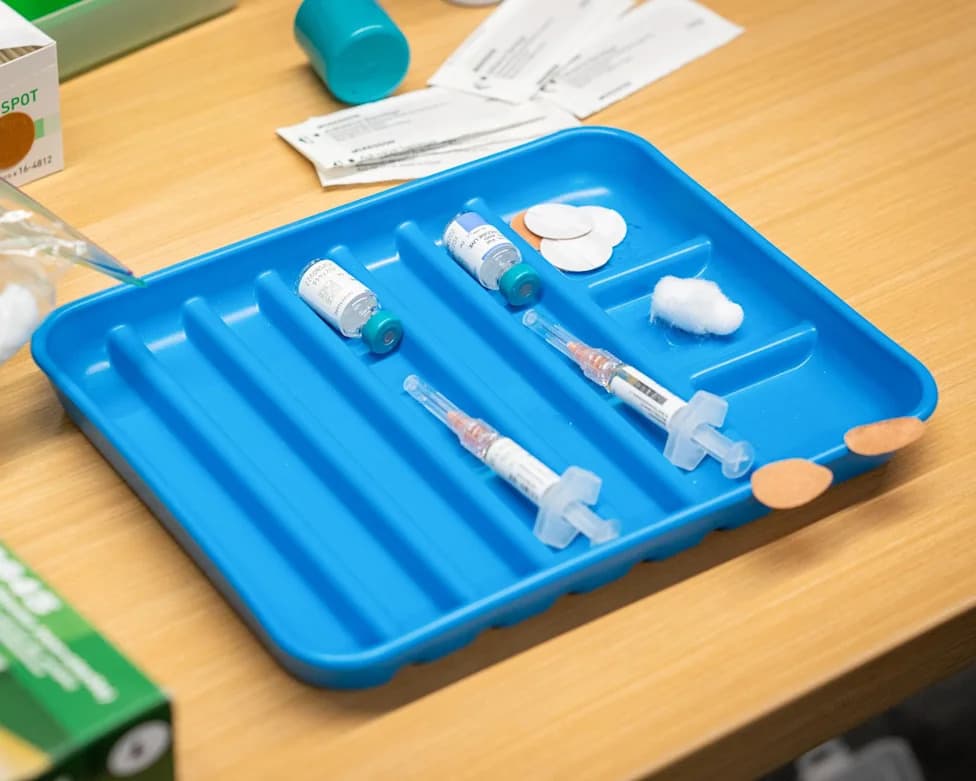
Two doses of MMR (measles, mumps, rubella) are roughly 97% effective; one dose provides about 93% protection. People born before 1957 are generally presumed immune. Public-health officials recommend that anyone unsure of their vaccination history, or who received only one dose under earlier schedules (pre-1989), check their records and seek vaccination if indicated. Infants too young for vaccination, pregnant people without documented immunity, and people with weakened immune systems are at higher risk of severe disease.
Practical Guidance
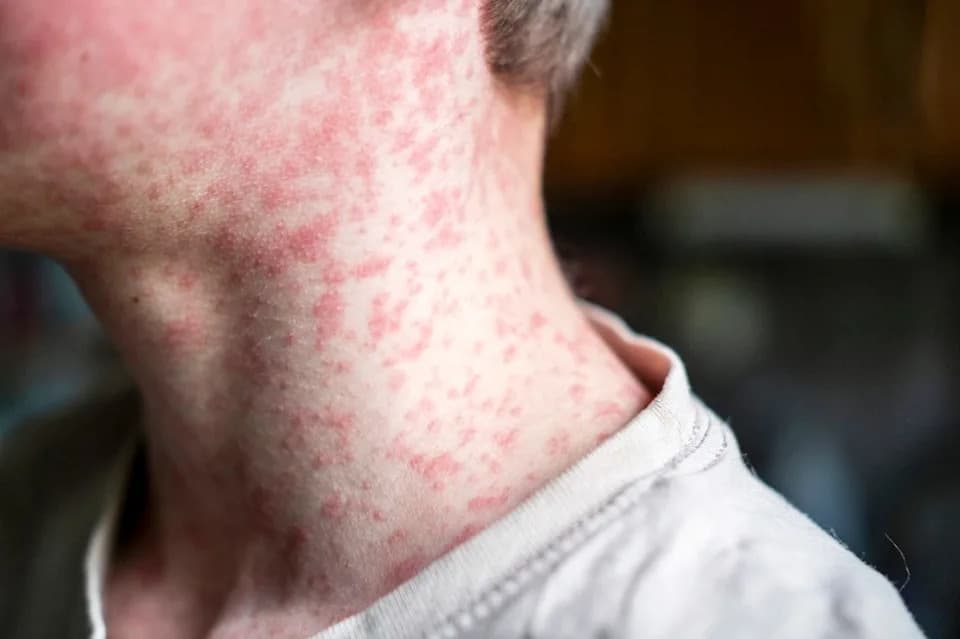
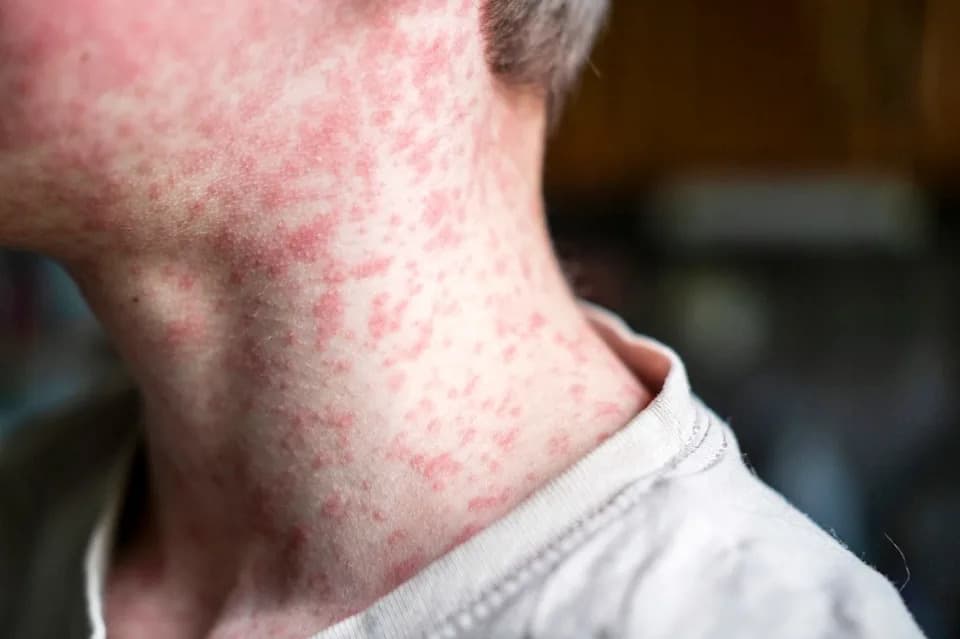
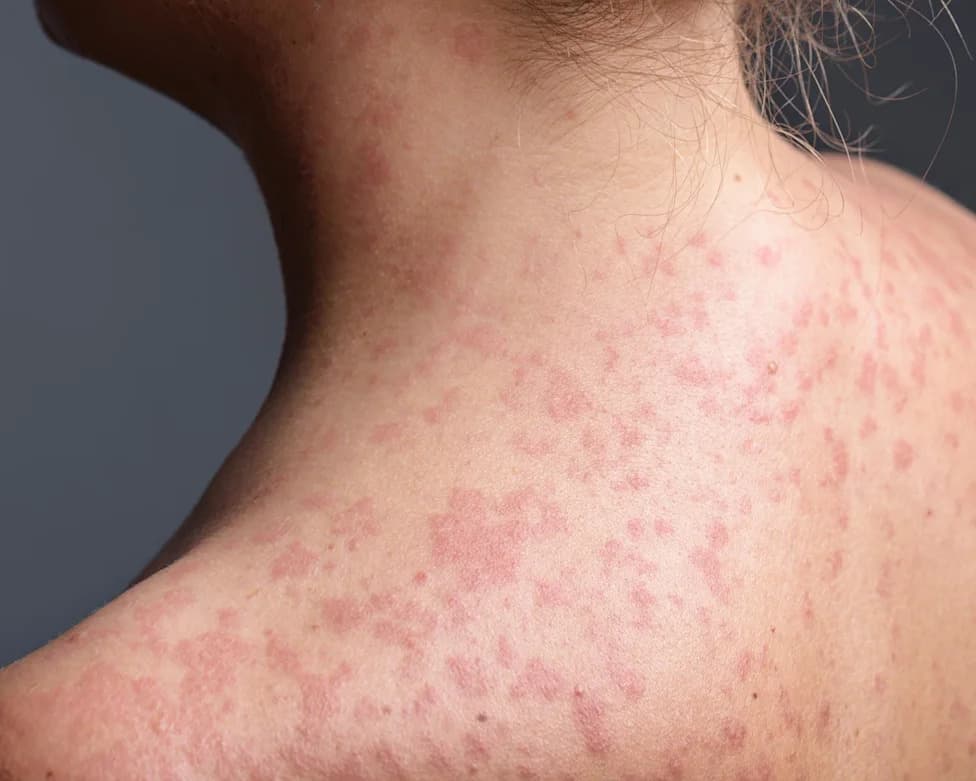
The monitoring window for the Philadelphia airport exposure runs through Oct. 5. Typical measles symptoms — high fever, runny nose, cough and red, watery eyes followed by a characteristic rash — usually appear seven to fourteen days after exposure. If you develop symptoms, call your healthcare provider before going in person to avoid exposing others.
Big Picture
Public-health agencies now face a broader question: can they extinguish enough outbreaks to prevent measles from regaining a foothold in the United States? 'The ugly part about prioritizing,' Ferrari said, 'is that not everyone can be first.' Continued declines in vaccination coverage and local clusters of susceptibility increase the risk that measles could transition from imported chains to endemic circulation unless vaccination and public-health capacity are strengthened.
Originally published on Forbes.com. Photo credit: Paul Weaver/SOPA Images/LightRocket via Getty Images.
Help us improve.