Researchers from the University of Idaho discovered a previously unknown spider, Hexura vandal, in a limited area of the Nez Perce–Clearwater National Forest near Kooskia, Idaho. Genetic analyses and anatomical study of 54 specimens showed distinct reproductive anatomy compared with related Hexura populations, indicating long-term isolation. The species lives in cool, damp microhabitats under leaf litter and inside rotten logs, making it easy to miss and vulnerable to fire, logging, reduced snowpack, drought, and climate-driven warming.
New Spider Species Hexura vandal Found Only in One Idaho Forest — Hidden in Plain Sight
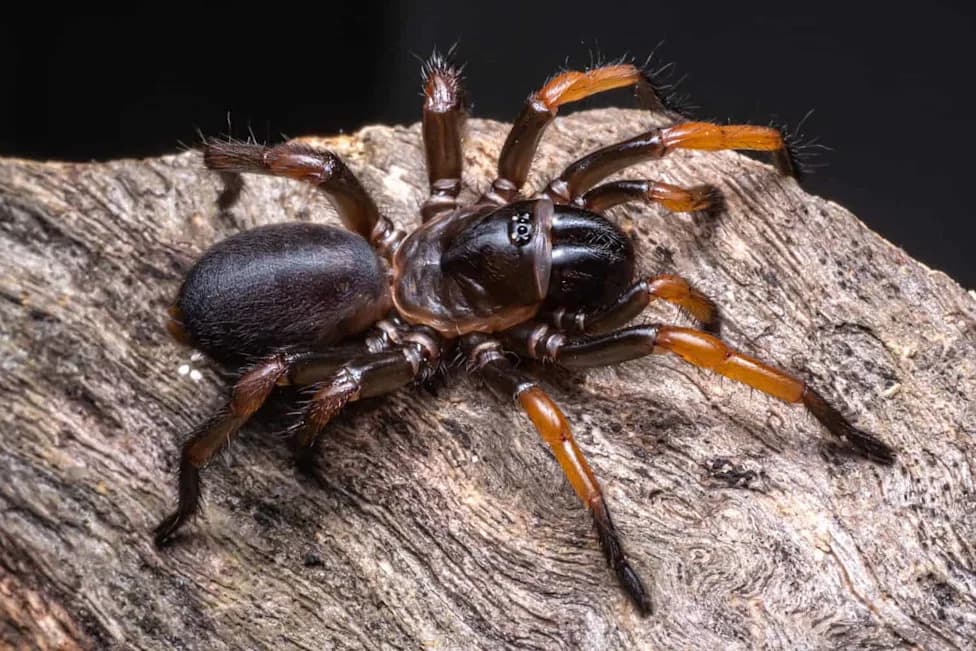
Trapdoor spiders on black background© nokkaew/Shutterstock.com
Researchers have identified a new species of spider, Hexura vandal, in a small area of the Nez Perce–Clearwater National Forest near Kooskia, Idaho. The species appears to be restricted to cool, damp microhabitats in that locality and was discovered serendipitously during routine fieldwork.
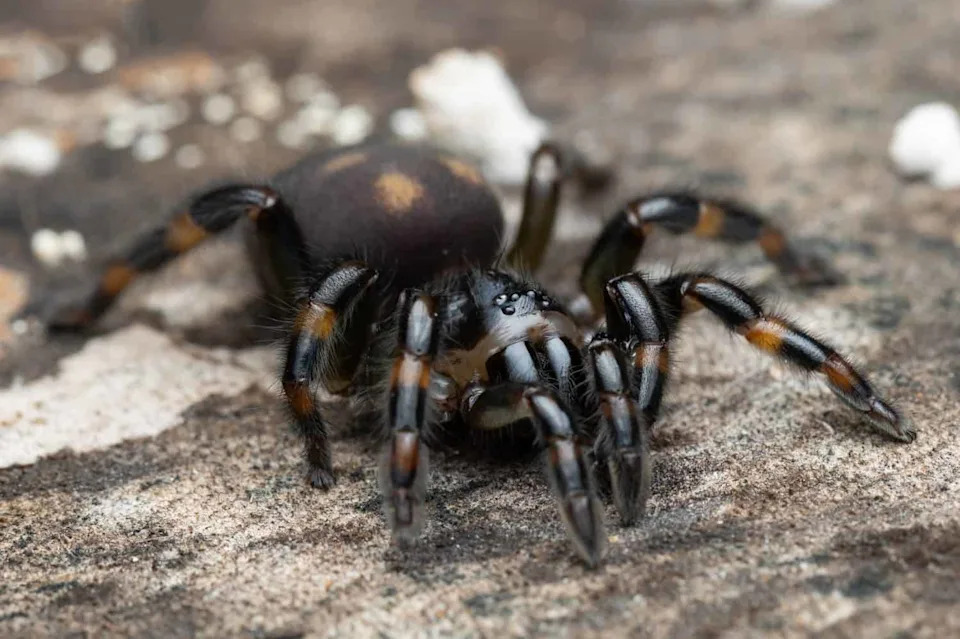
Hexura vandal, a similar species to this trapdoor spider, was a surprise discovery.©santhosh_0708/Shutterstock.com
How It Was Discovered
University of Idaho research technicians Ethan Briggs and Arnau Calatayud-Mascarell were sampling for Microhexura along the Lochsa River when they noticed an unfamiliar spider and shifted focus to investigate. The team published their findings in the journal ZooKeys. The species was named Hexura vandal in reference to the University of Idaho mascot.
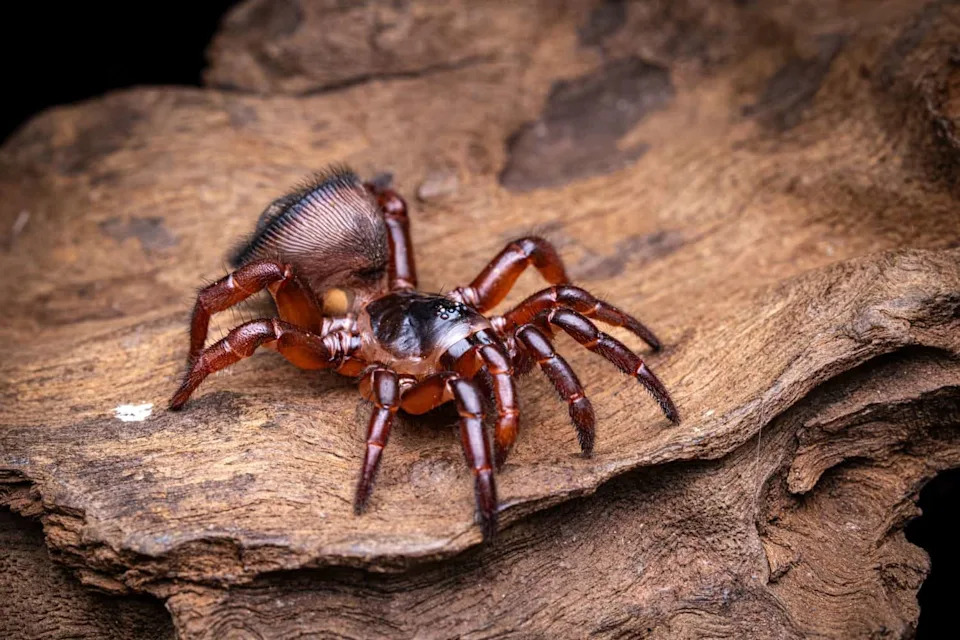
Hexura vandal, a species similar to this trapdoor spider, was found to have developed its sexual organs differently from other Hexura spiders.©Silapavet Konthikamee/Shutterstock.com
Identification and Evidence
After the initial specimen was found, researchers collected 53 additional individuals (54 total) over subsequent visits. The team combined genetic analyses with careful dissections and found consistent differences in the development of the spiders' reproductive organs compared with Hexura populations from the Cascades. Those anatomical and genetic differences indicate long-term isolation and provided strong evidence that the Idaho population represents a distinct species.
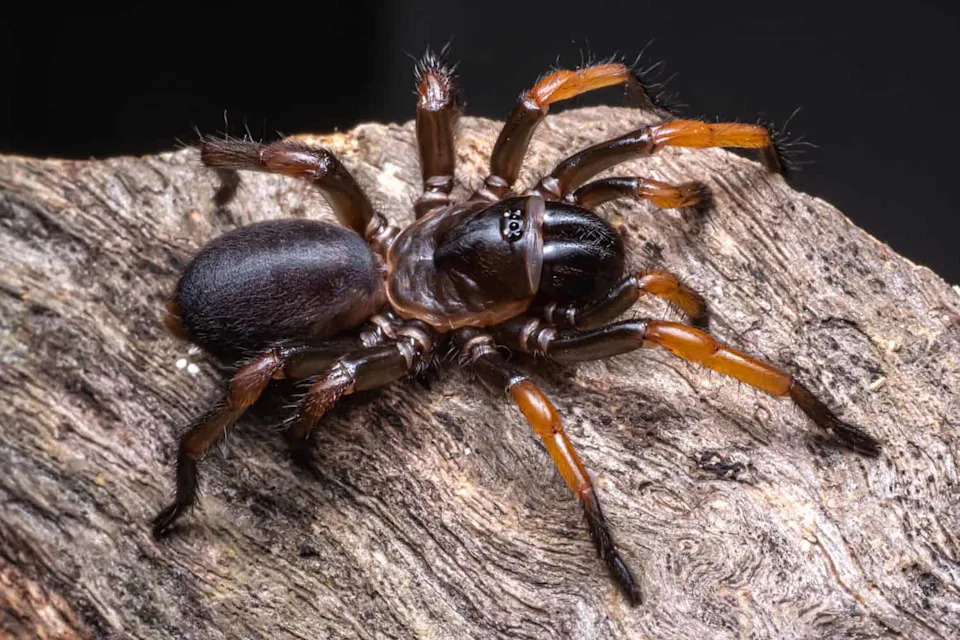
Given their remote microhabitats, Hexura Vandal spiders, a species similar to this trapdoor spider, went undiscovered for centuries.©nokkaew/Shutterstock.com
Habitat and Behavior
Hexura vandal occupies narrow microhabitats: it builds small funnel-shaped webs beneath leaf litter and inside rotten logs in cool, moist forest patches. The spiders are small and reclusive, so even when their retreats are disturbed they can be easily overlooked—helping explain why they eluded detection despite repeated surveys of the area.
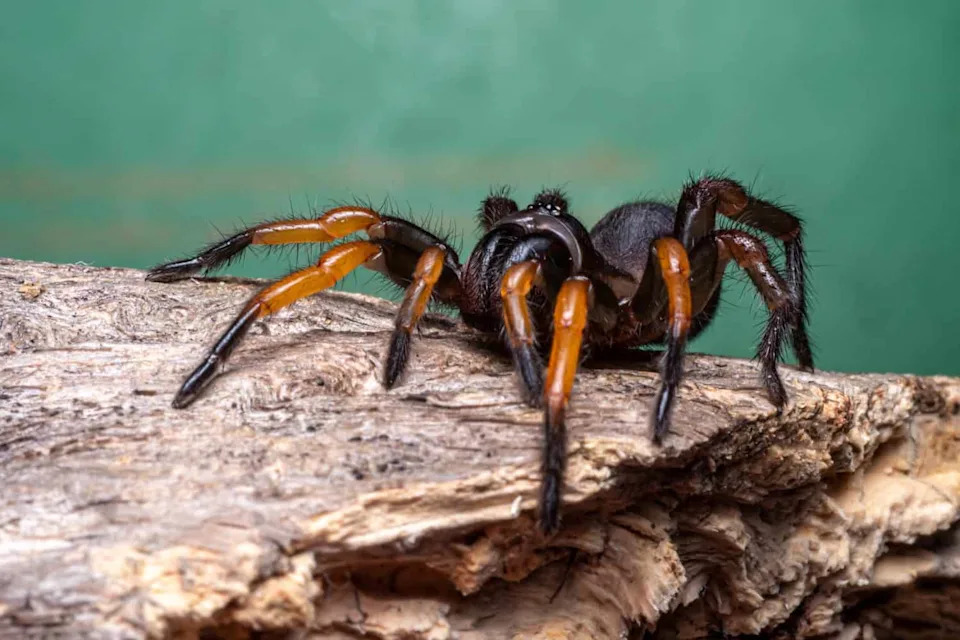
Hexura vandal, a species of spider similar to this trapdoor spider, is vulnerable to habitat changes, such as fire, logging, climate change, and more.©nokkaew/Shutterstock.com
Conservation Concerns
Because the species appears to be confined to a limited area and very specific microclimates, it is vulnerable to disturbances such as wildfire, logging, reduced snowpack and drought, and rising temperatures from climate change. The Nez Perce–Clearwater National Forest provides some protection, but large-scale disturbances or persistent climate shifts could threaten the species because it likely has limited dispersal ability.
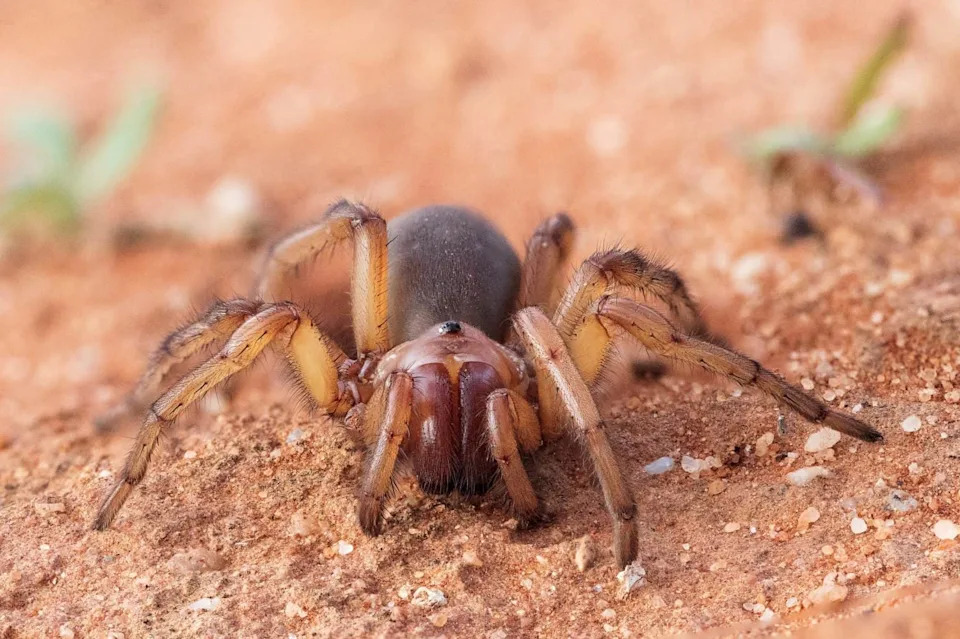
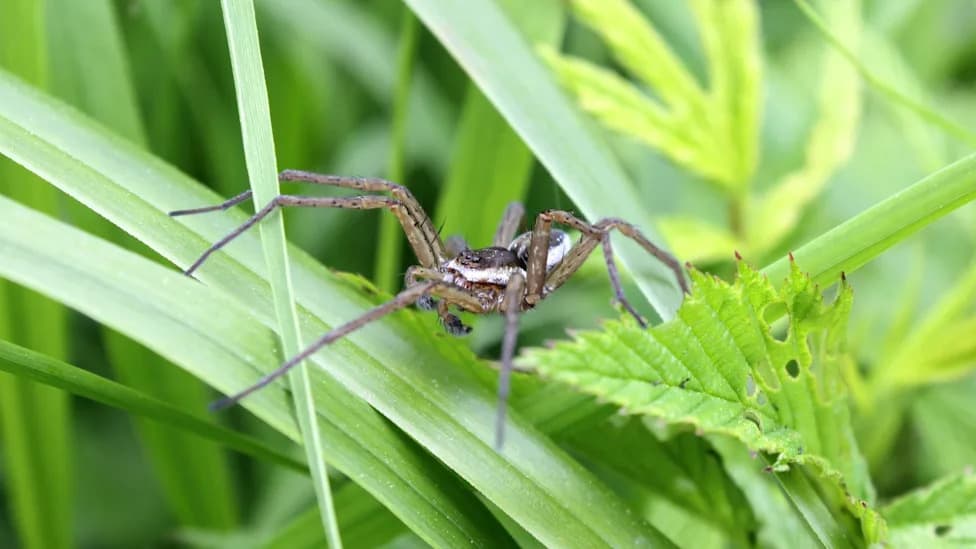
With 150,000 to 200,000 more species of spiders still to be discovered, there is no telling what may still be out there to find.©Ken Griffiths/Shutterstock.com
Broader Significance
The discovery underscores that new species can still be found in well-visited landscapes. Scientists estimate there may be 150,000–200,000 spider species yet to be described worldwide; roughly 50,000 species are currently known. Finds like Hexura vandal highlight the value of careful field surveys and the need to protect microhabitats that harbor hidden biodiversity.
Quote: Calatayud-Mascarell described the moment of discovery as "like going to a remote island and finding something new," reflecting both the surprise and the conservation importance of the find.
Help us improve.