The Woolston Eyes reserve in Cheshire has been transformed from a Manchester Ship Canal dredging dump into freshwater pools and reedbeds since 2021. It now hosts almost two-thirds of the UK's breeding black-necked grebes, with 35 breeding pairs recorded across the reserve by 2025 and 29 nesting in the restored area. Four pairs first nested in 2023 and raised 15 young, and over 60 birds were present in spring 2025. The RSPB cites the site as a strong example of successful industry–wildlife collaboration.
Restored Cheshire Wetland Becomes Haven For Nearly Two-Thirds Of UK's Rare Black-Necked Grebes
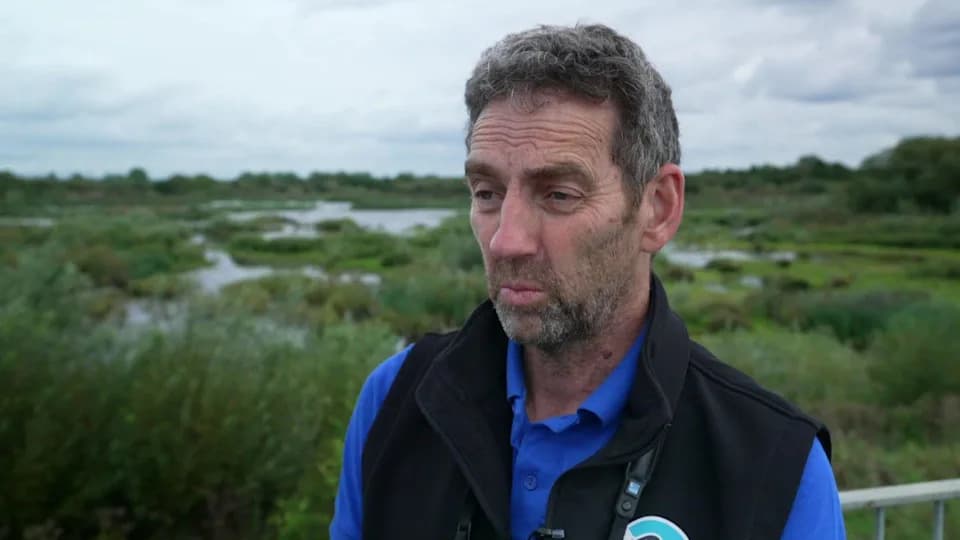
Robin Horner, RSPB, said the conservation project is a real 'success story' [BBC]
The restored Woolston Eyes reserve, near Warrington in Cheshire, has become a vital breeding site for one of Britain's rarest waterbirds — the black-necked grebe (Podiceps nigricollis).
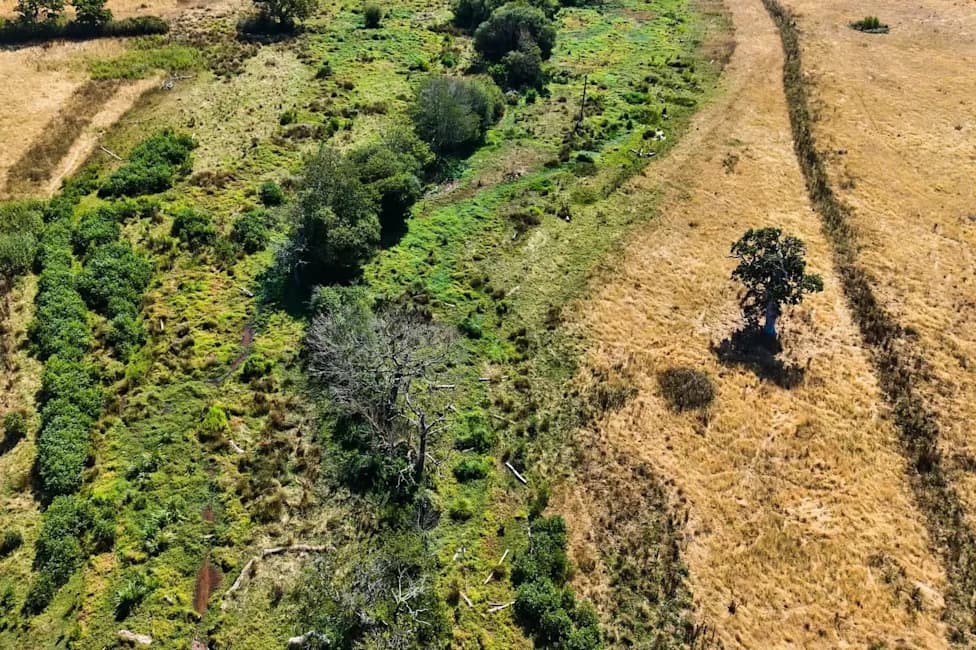
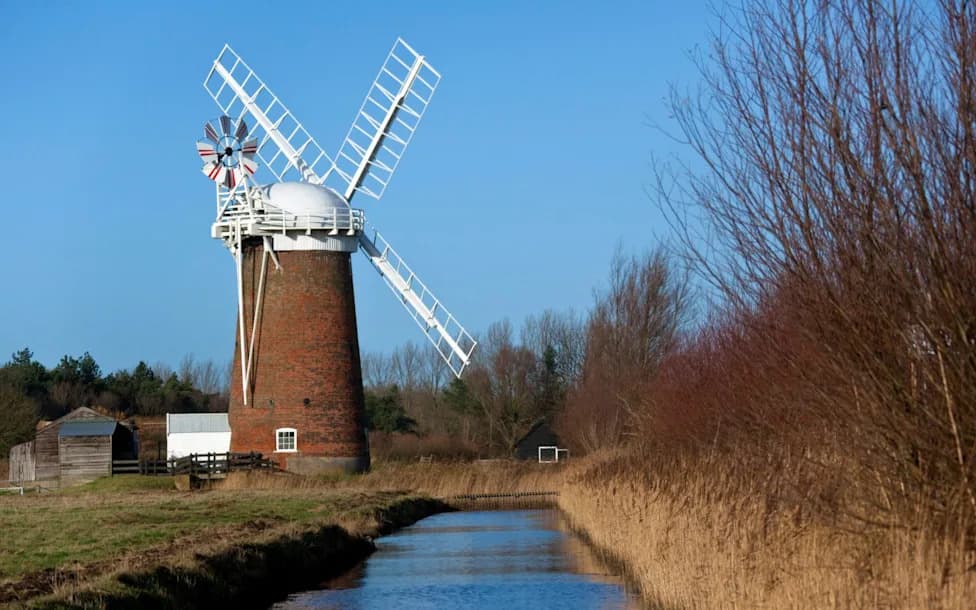
Previously used as a dumping ground for dredged material from the Manchester Ship Canal, Woolston Eyes has been reshaped since 2021 into a mosaic of freshwater pools and reedbeds designed to attract and support breeding waterbirds.
Rapid Recovery And Rising Numbers
The RSPB estimates the UK averages about 55 breeding pairs of black-necked grebes each year. Woolston Eyes now supports almost two-thirds of that national breeding population, making it the country's largest colony for the species.
Although the species was already breeding nearby, four pairs nested on the newly restored area in 2023 and successfully raised 15 young. By 2025 the RSPB recorded 35 breeding pairs across the reserve, with 29 pairs nesting specifically in the restored wetland. Observers recorded over 60 individual grebes on site in spring 2025.
'It is fantastic to see black-necked grebe numbers increasing at Woolston Eyes,' said RSPB ecologist Gavin Thomas. 'The rapid growth in numbers shows how effective targeted conservation action can be.'
'This spring they had over 60 birds present on site,' said Robin Horner of the RSPB. 'It doesn't sound a lot but when you consider how scarce it is in the UK it's pretty amazing. It's one of those real success stories where industry and wildlife can actually work together.'
Woolston Eyes is now highlighted by conservationists as a clear example of how habitat restoration, when planned alongside industry, can deliver rapid and measurable benefits for rare species. Continued monitoring and habitat management will be important to secure the grebes' long-term future at the site.
Help us improve.