New research led by Dr. Shawan Chowdhury finds that most insect species, particularly in tropical regions, are severely underrepresented in conservation planning. The study blames a longstanding vertebrate bias and "parachute science" that sidelines local expertise and regional data. Researchers found many species documented informally — including on social media — but missing from scientific literature and protected-area plans. The authors call for stronger partnerships, better use of citizen science, and improved regional research visibility to close these critical gaps.
Most of the World’s Insects Are Missing From Conservation Plans — The Hidden Cost of "Parachute Science"
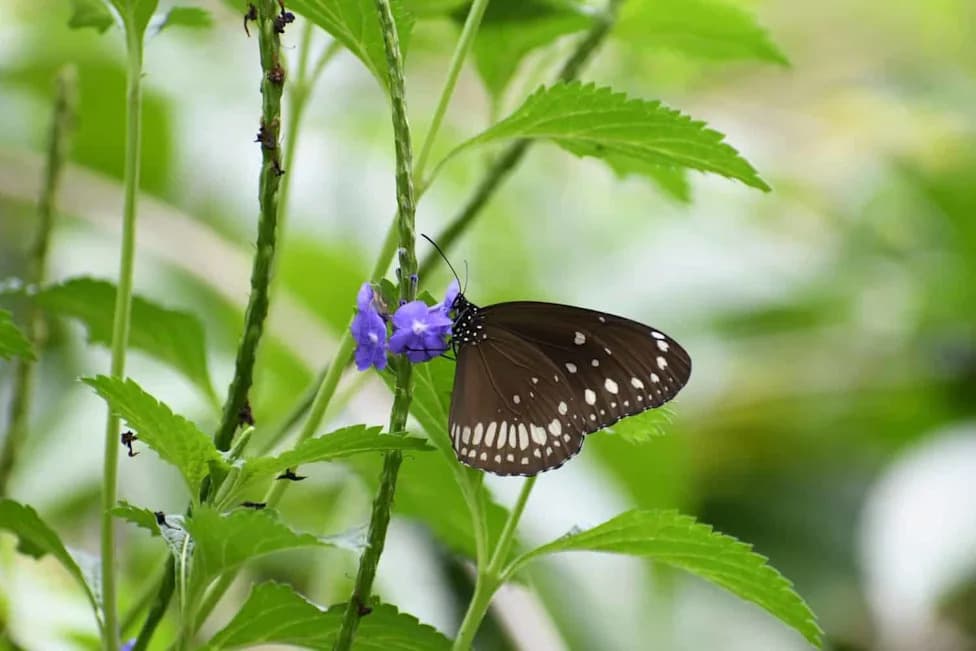
Indian common crow butterfly Sundarban West Bengal© AlokeformSundarban/Shutterstock.com
If you've scanned endangered-species lists such as the IUCN Red List, you may have noticed a striking omission: most insect species are absent. Many are tiny, globally distributed, and critically important to ecosystems, yet they receive far less conservation attention than mammals, birds, reptiles and amphibians.
A new study led by Dr. Shawan Chowdhury of Monash University's Global Change Ecology Lab explores why insects — especially tropical species — remain underrepresented in conservation planning. The paper, A Framework for the Strategic Conservation of Tropical Insects, highlights a long-standing vertebrate bias and identifies another major barrier: "parachute science" — research conducted by outside teams that rarely builds local capacity or integrates regional knowledge.

The Miami Blue butterfly is now one of Florida's most endangered insects. Only a single extant population remains, with fewer than 100 individuals.©pixelworlds/Shutterstock.com
Why Insects Are Overlooked
Public concern tends to favor charismatic vertebrates, and even well-known pollinators such as bees and butterflies receive disproportionate attention compared with the enormous diversity of other insect groups. Beyond public perception, structural problems in research and conservation practice further exclude insects from protection.
Parachute Science And Missing Local Data
Dr. Chowdhury and colleagues show that useful information often exists locally — in regional journals, museum collections, citizen-science records, photos, and social media — but international teams frequently overlook these sources. This sidelining of local expertise worsens data gaps, undermines long-term conservation, and can leave entire species undocumented.

Bangladesh is home to a large majority of endangered butterfly species, such as the Sundarban crow.©Chobi_Wala/Shutterstock.com
"We cannot effectively conserve species if we don't know what is there, where populations are changing, or even where important existing knowledge can be found. Insects are fundamental to functioning ecosystems and food production, but they remain dramatically underrepresented in biodiversity monitoring, protected areas and conservation policy." — Dr. Shawan Chowdhury
Case Studies: Miami Blue And Bangladesh
The Miami Blue butterfly is now among Florida’s most imperilled insects, with a single remaining population of fewer than 100 individuals. More broadly, the team used Bangladesh to illustrate how parachute science and limited local engagement skew our understanding: researchers documented 111 butterfly species in-country, but only 34 species appeared in the formal scientific literature, and just three of those publications addressed conservation status.
Social media and other informal records proved rich sources of observations: the study found online evidence for 167 of 169 endangered butterfly species examined. Overall, only one of 226 butterfly species assessed was adequately represented within existing protected areas — a stark mismatch between observations and conservation planning.
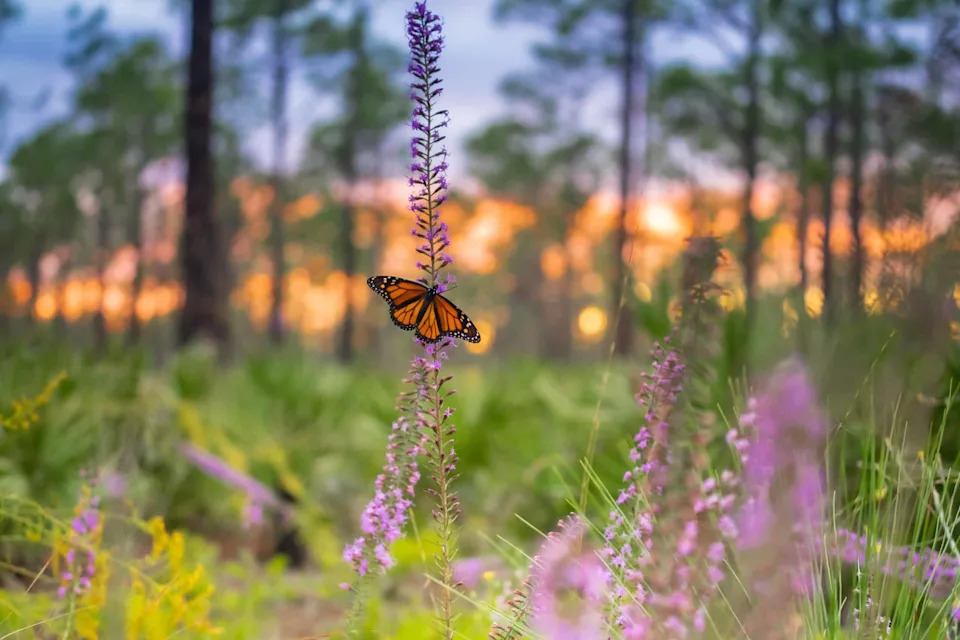
Monarchs are classified as endangered globally, but join the ranks of many others outside of temperate climates that don't have enough support.©AlejandroCarnicero/Shutterstock.com
Four Priority Areas For Improvement
- Boost Global Visibility Of Regional Research
- Close Major Data Shortfalls By Integrating Local Sources
- Strengthen Research Infrastructure And Local Capacity
- Increase Targeted Conservation Action For Insects
These issues cannot be solved by funding alone. The authors argue for better integration of local expertise, durable partnerships with regional researchers, and systematic use of citizen-science and informal records (including social media) to reduce an estimated ~26% gap in known insect distributions. Without these changes, tropical insects will remain an afterthought — with potentially serious consequences for ecosystems and food production.
What Needs To Happen Next: conservation organizations, researchers and funders should prioritize region-specific studies, incorporate local and citizen-collected data, and commit to long-term collaborations that build local capacity and ensure that insect diversity — especially in the tropics — is monitored and protected.
Help us improve.