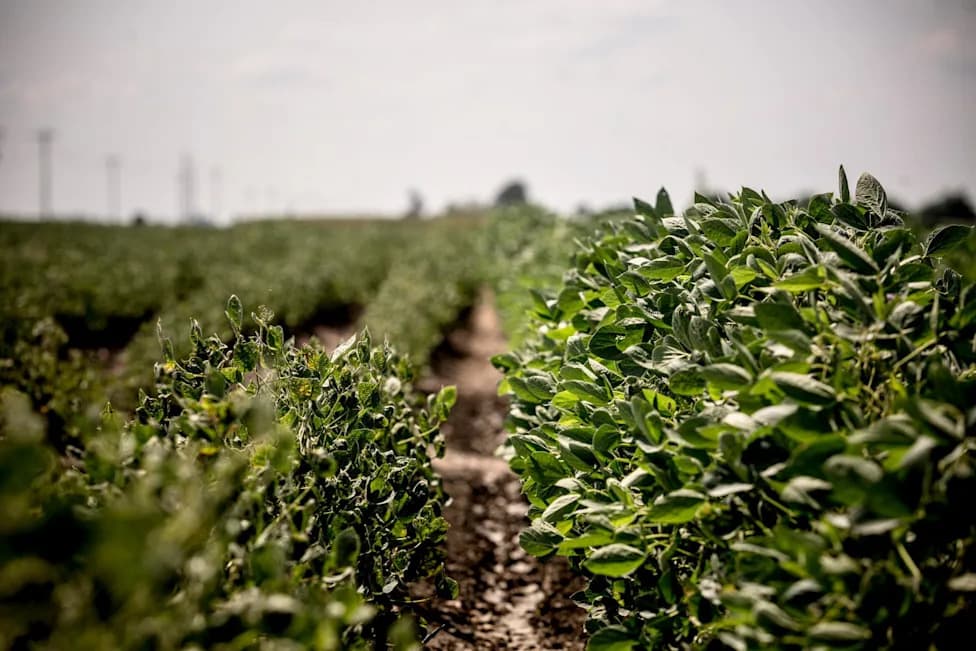
Officials have urged the public to report sightings after the Asian hornet was recorded in Somerset for the first time, raising fears it could spread into Devon, Cornwall and the Channel Islands. A single hornet nest can eat about 11 kg (24 lbs) of native insects in a season. As of 3 September, the National Bee Unit recorded 167 sightings and 53 nests across Britain, while Channel Islands authorities reported 734 nests so far this year. Local teams use spring trapping and a "Track, Don't Trample" public-reporting strategy; members of the public are encouraged to photograph suspected hornets and report them via the Asian Hornet Watch app.
First Somerset Asian Hornet Sighting Prompts Urgent Call to Report Sightings Across the South West
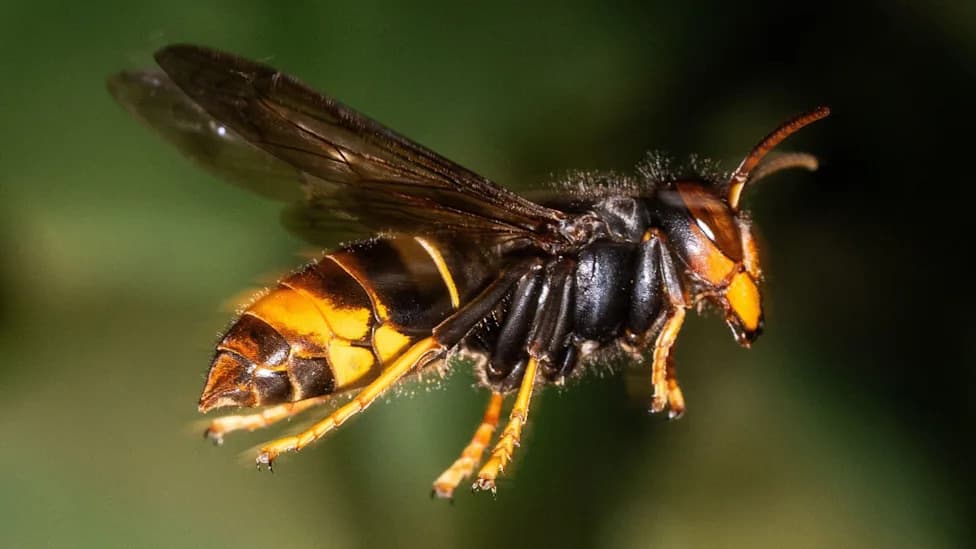
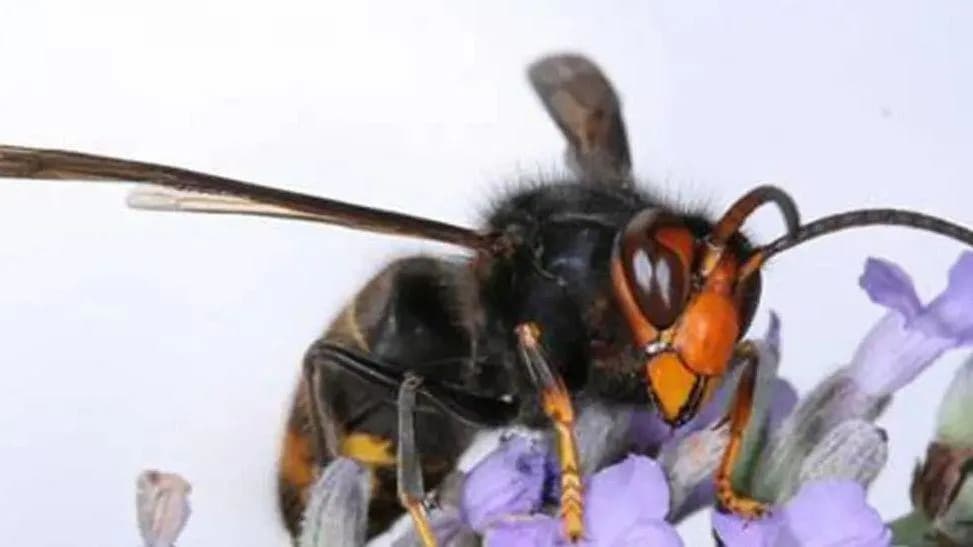
Asian hornets are apex predators which prey on insects including bees, butterflies and beetles [PA Media]
Officials are urging the public to report sightings of the non-native Asian hornet after the species was recorded in Somerset for the first time. The predator threatens native pollinators — including honeybees, butterflies and beetles — and a single nest can consume roughly 11 kg (24 lbs) of insects in a season.
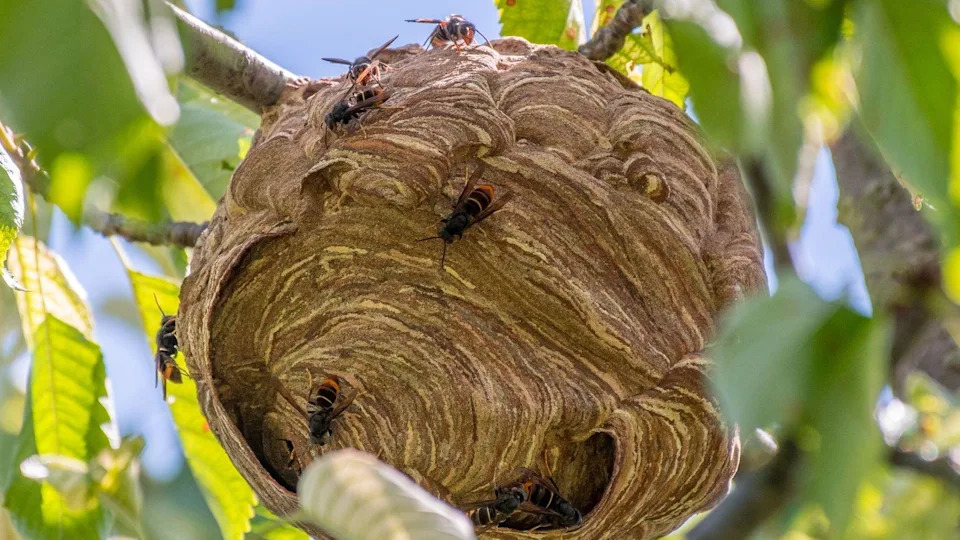
Asian hornets are apex predators which prey on insects including bees, butterflies and beetles [PA Media]
Current Situation
The Somerset sighting, reported just over the border from Tiverton, has heightened concern that the hornets may move further into Devon and Cornwall. As of 3 September the National Bee Unit had logged 167 yellow-legged hornet sightings and 53 nests across Britain. Channel Islands authorities reported 734 nests so far this year, up from roughly 500 at the same point last year.
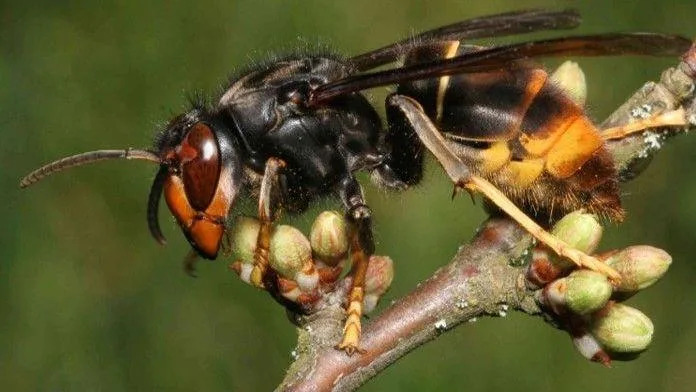
Simon O'Sullivan predicts more Asian hornets will be seen in Devon and Cornwall in the coming years [South West Water]
"They're slowly coming towards us and we're trying to get organised," said Simon O'Sullivan of the Devon Hornet Action Team. "If not controlled, they'll spread very rapidly."
How Asian Hornets Spread
Asian hornet queens can be carried across the Channel by wind and are sometimes transported unintentionally in vehicles, cargo and on yachts. Weather patterns strongly influence establishment: long, hot summers boost populations, while prolonged wet winters reduce the survival of overwintering queens. Local catches can vary year to year depending on wind direction and strength from France.

Alastair Christie said about 734 nests had been reported this year [BBC]
Local Impacts
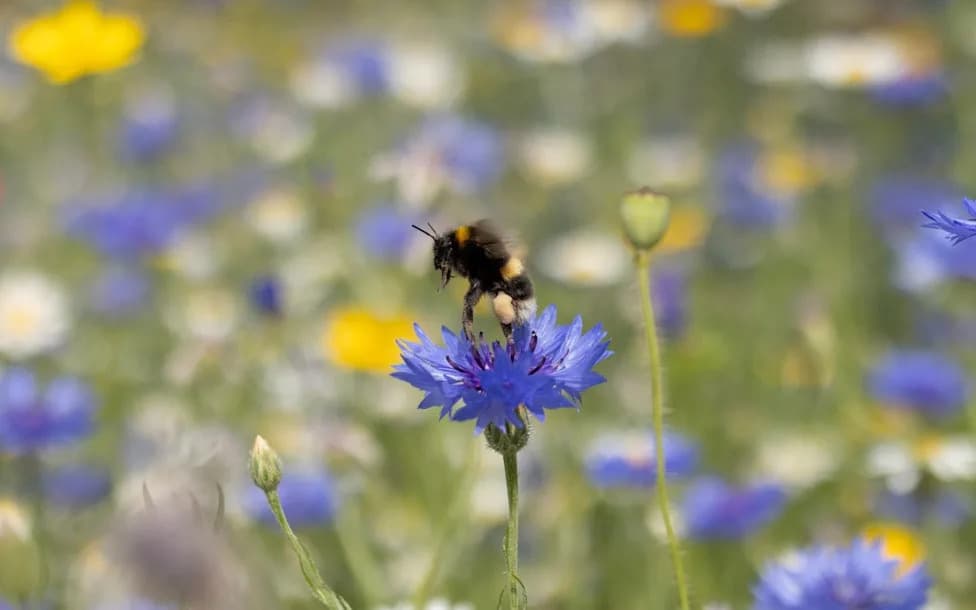
Asian hornets prey heavily on bees; about half of their food intake comes from bees, with the remainder taken from flies, wasps and butterflies — all important pollinators for fruit and vegetable crops. Coordinators warn that strong declines in pollinators would reduce production of soft fruit and tomatoes and could have knock-on effects up the food chain, affecting birds and freshwater life that rely on insects.
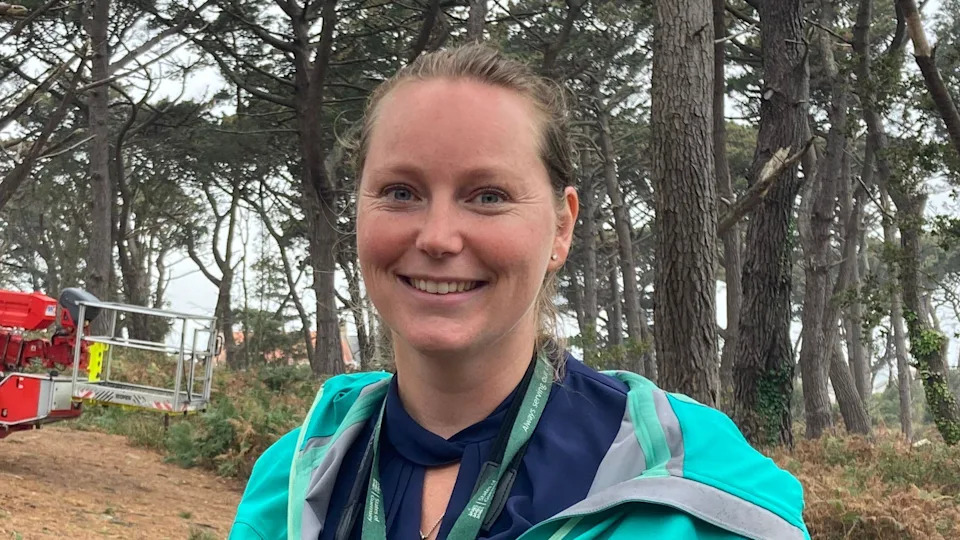
Annelotte Baas-Jehan said Guernsey has two main ways of dealing with Asian hornet sightings [BBC]
Response and Monitoring
Authorities and volunteer groups are using a two-stage approach. In spring, teams focus on "queening" — trapping and removing queens to prevent nests forming — by deploying a network of traps roughly every 500 m that are checked daily. In summer and autumn the public are asked to follow a "Track, Don't Trample" approach: report sightings and record flight directions so teams can locate and destroy nests safely.
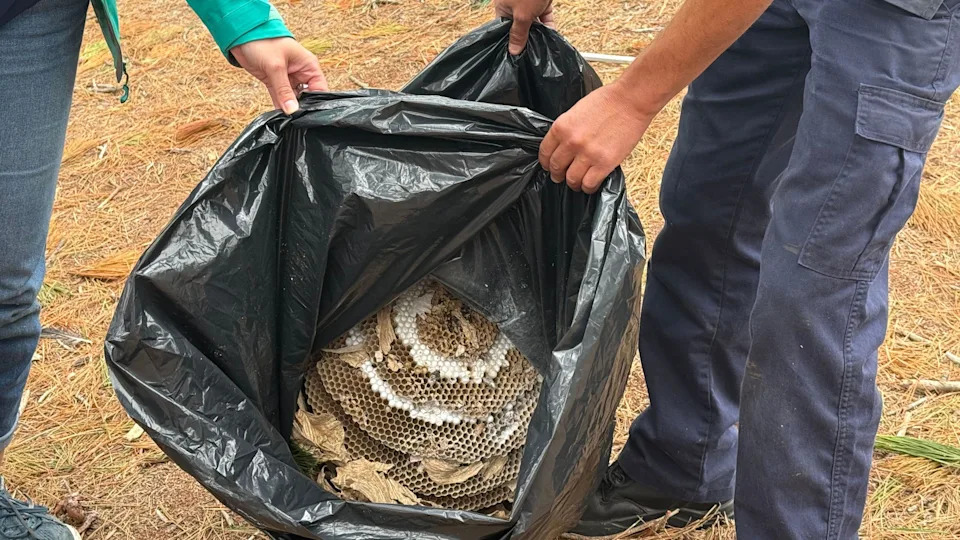
People have been asked to report sightings of Asian hornets and nests [BBC]
South West Water and local wildlife groups are urging residents in Devon and Cornwall to report any suspected hornets. Rebecca Northey, the company's invasives and biosecurity officer, said: "The Asian hornet is a major threat to our native insects. It's vital that communities help monitor and manage the species."
What You Can Do
- Do not attempt to remove or destroy a nest yourself.
- If you see a hornet, take a clear photograph from a safe distance.
- Report the sighting via the Asian Hornet Watch app or contact your local beekeeping group so experts can investigate.
Early reporting and coordinated response are key to limiting spread and protecting pollinators and local agriculture.
Help us improve.