The glutinous freshwater snail Myxas glutinosa, now surviving in the wild only at Wales’s Llyn Tegid, is being protected through captive breeding and ark populations. Ian Hughes and his family have bred around 2,000 snails in homemade tanks and observed eggs in captivity for the first time. Zoos and trusts including BIAZA and the Freshwater Habitats Trust are partnering to research the species and prepare potential reintroduction sites under a wider government-backed conservation programme. If research goes well, small-scale reintroductions could begin within about three years.
Saving Britain’s Tiny Glutinous Snail: Family-Led Breeding Spurs Ark Populations
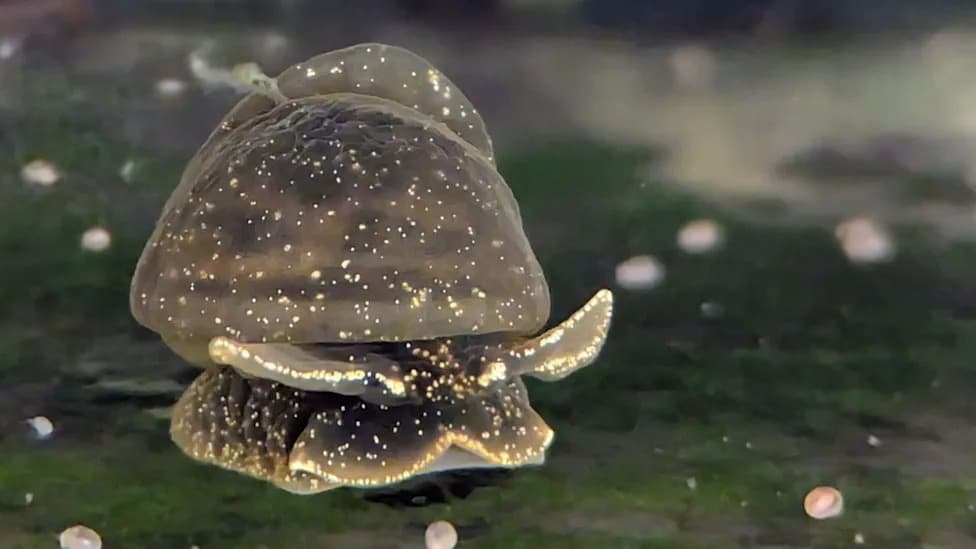
The glutinous snail was once widespread in the UK, but is now only found in one Welsh lake [Dudley Zoo]
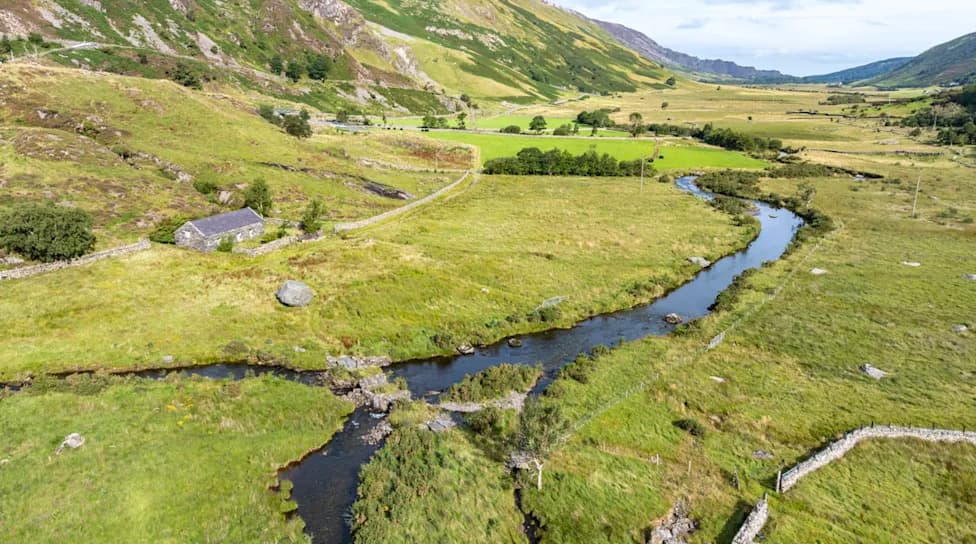
Conservationists and zoo partners are racing to protect the glutinous freshwater snail Myxas glutinosa — a fingertip-sized mollusc now found in only one UK lake. Once widespread, the species has declined across England and survives in the wild only at Llyn Tegid (Bala Lake) in Eryri National Park, Wales.
A Backyard Breakthrough
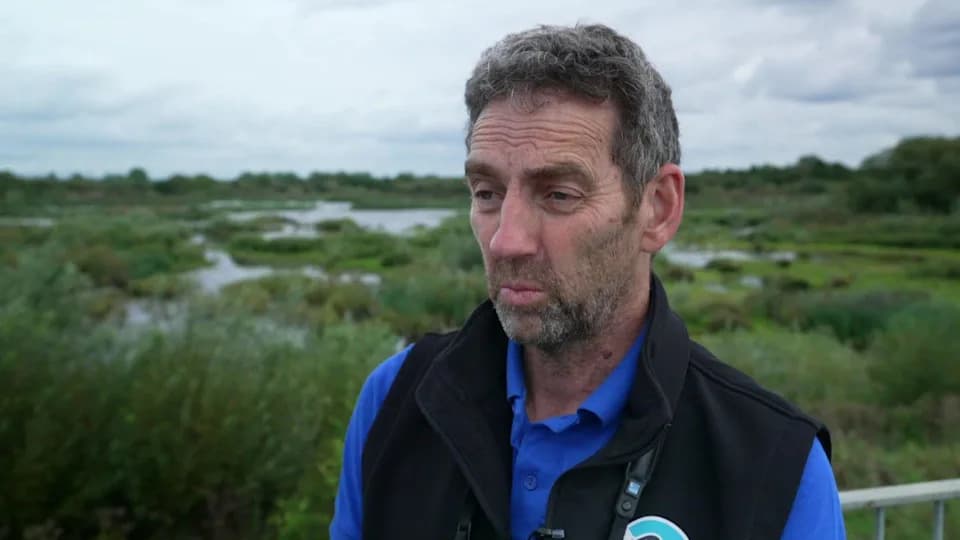
Since 2014, conservationist Ian Hughes has waded into Llyn Tegid under licence from Natural Resources Wales to collect and monitor the snails. Working from a greenhouse and homemade tanks at his home in Llanarth, Ceredigion, Hughes and his family have bred roughly 2,000 snails. After months of careful husbandry, the team achieved a major milestone when they observed eggs in captivity for the first time — a breakthrough that gave new hope for the species' future.
What Makes the Snail Special?
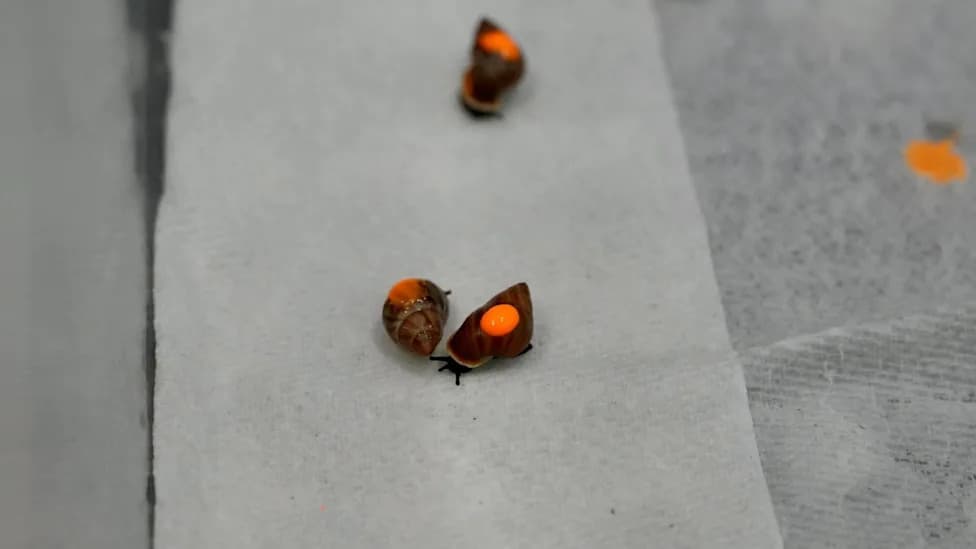
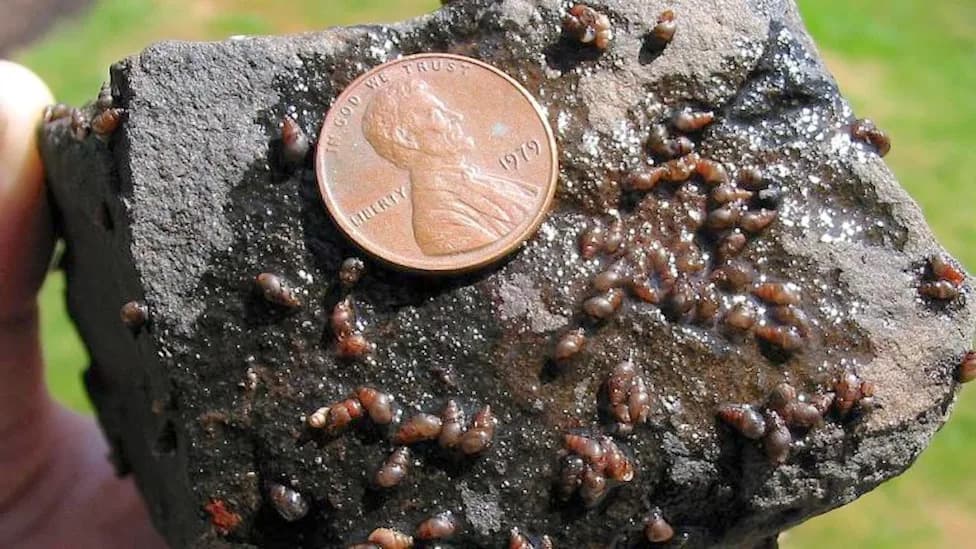
Myxas glutinosa is notable for the translucent, mucus-like mantle that partly covers its delicate, gold-flecked brown shell. No larger than a fingertip, the snail has long, expressive antennae that Hughes affectionately describes as "big floppy ears." The species feeds on algae and is regarded as an indicator of high-quality freshwater habitats.
Expanding the Safety Net
To spread risk beyond the single wild site, several British zoos and wildlife parks are creating "ark" populations. Working with the British and Irish Association of Zoos and Aquariums (BIAZA) and the Freshwater Habitats Trust, partners receiving snails include Wingham Wildlife Park, Askham Bryan Wildlife Park, Longleat, Dudley Zoo and Chester Zoo. Wingham collected 24 snails on a dedicated transfer trip and has constructed three ponds to study and breed them.
"Having all your eggs in one basket is always a dangerous move, so having more experts looking after it is really the right way to go," said Ian Hughes.
Conservation Science And Next Steps
Partners are researching the species’ ecology, husbandry needs and genetics to inform future reintroductions. The Freshwater Habitats Trust is scouting suitable water bodies for potential release. Nicky Needham, head of species management and conservation at BIAZA, said that with robust data the project could be in a position to begin reintroductions within about three years.
Threats And Significance
The species lost much of its former range in England due to polluted water and habitat loss; climate change now presents an additional risk. Conservationists emphasize that protecting small, specialised species like the glutinous snail helps maintain wider freshwater ecosystem health. Hughes compares the snail to an "Egyptian artefact" — a small but priceless piece of natural heritage worth preserving for future generations.
Family Effort And Wider Impact
The Hughes family — Ian, his wife Kerry and their sons Jake, George and Ben — have turned rearing rare invertebrates into a family endeavour, also caring for scarlet malachite beetles, ladybird spiders and tadpole shrimp. Their illustrations and husbandry work have helped attract support from zoos and conservation organisations and tied into a larger, government-backed £60 million programme to protect rare species across the UK.
Outlook: With captive populations now distributed across multiple institutions and ongoing research into ecology, genetics and release sites, conservationists are cautiously optimistic that reintroductions could begin in the coming years — offering a credible path to secure the future of this tiny, remarkable snail.
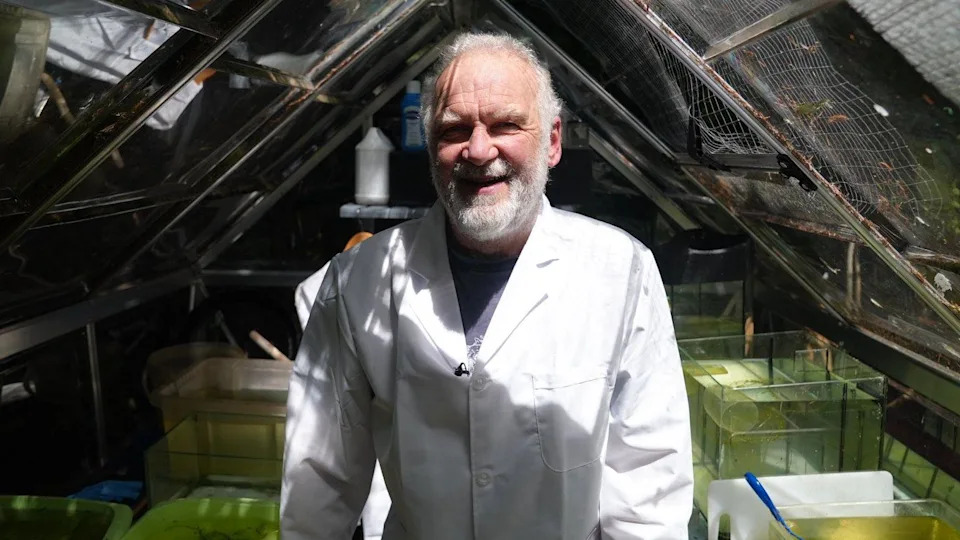
Ian has about 2,000 of the snails in homemade tanks in his garden [BBC]
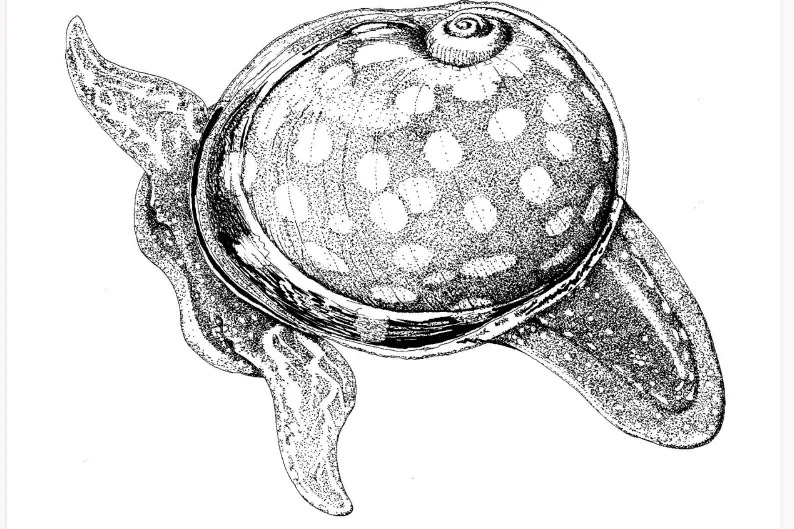
The Hughes family are also known for their illustrations of the rare species they have worked to protect [Lifeforms Art]
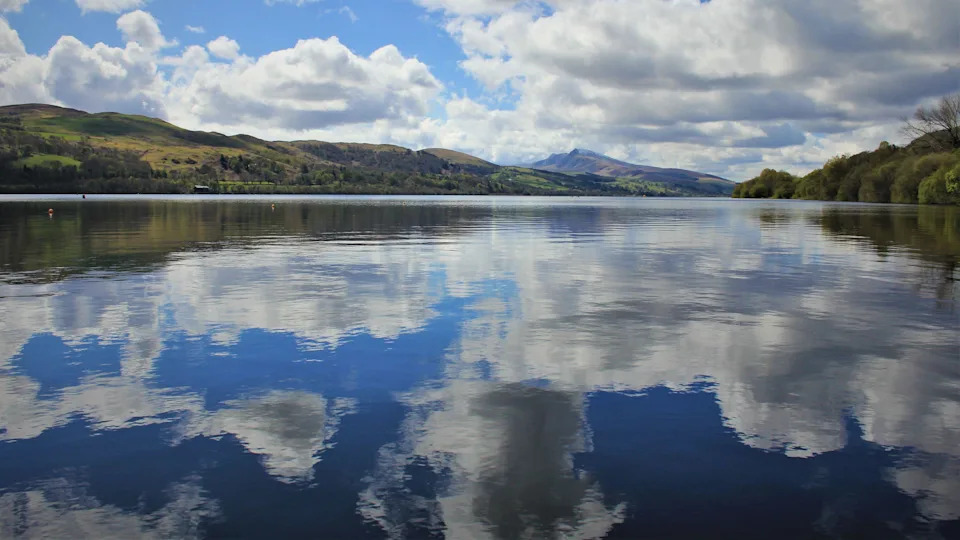
Llyn Tegid is the last known home of the glutinous snail in the UK [Frederick Bishop]
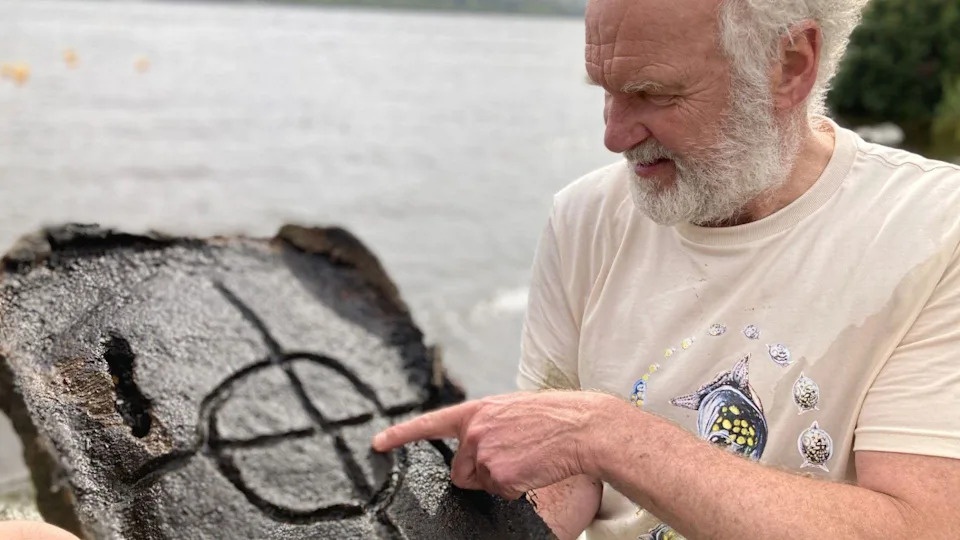
This is the lid of one of the concrete refuges Ian made for the snails in Llyn Tegid [BBC]
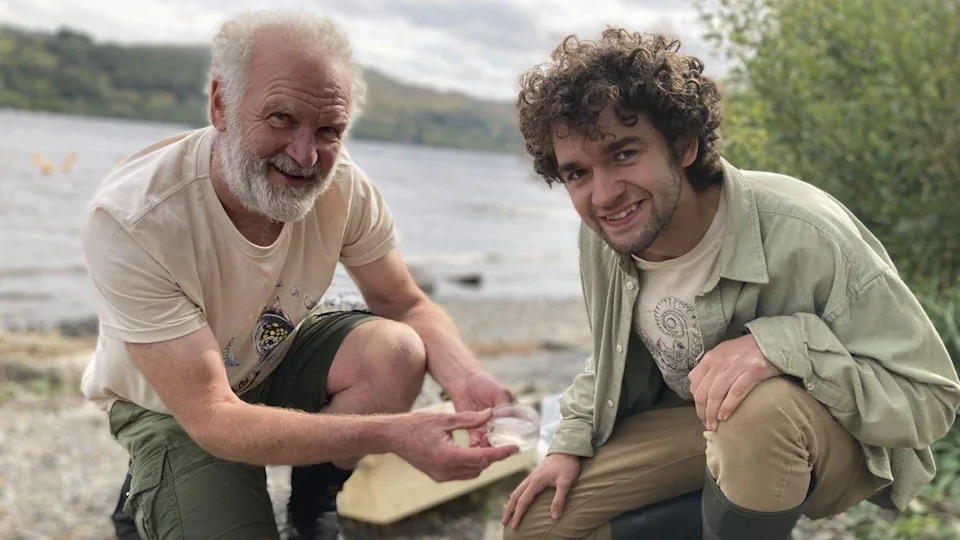
Like father, like son - Ian and Ben say helping save Britain's rarest water snail from extinction is worth wading into Llyn Tegid for - even on the coldest of days [BBC]
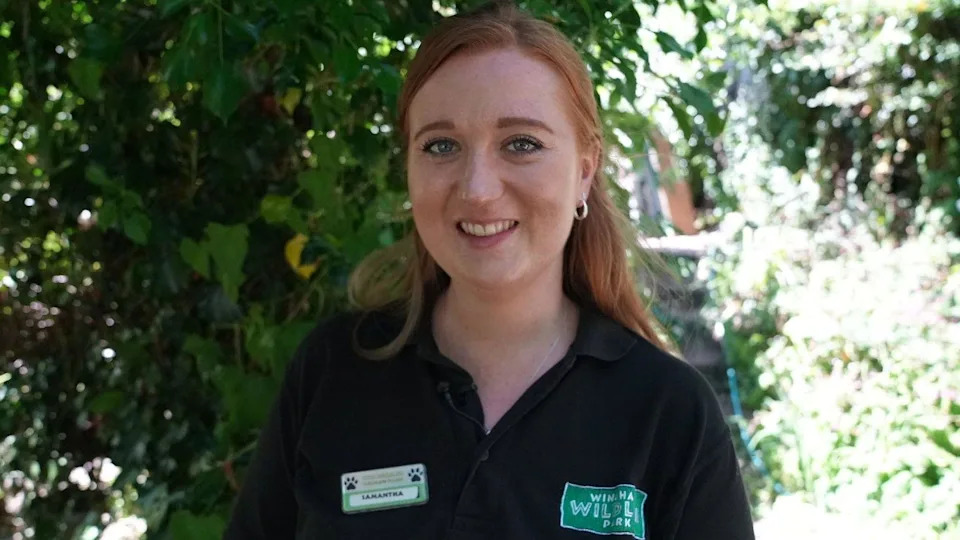
Samantha made the six-hour journey from Kent to Ceredigion to pick up some of Ian's snails [BBC]
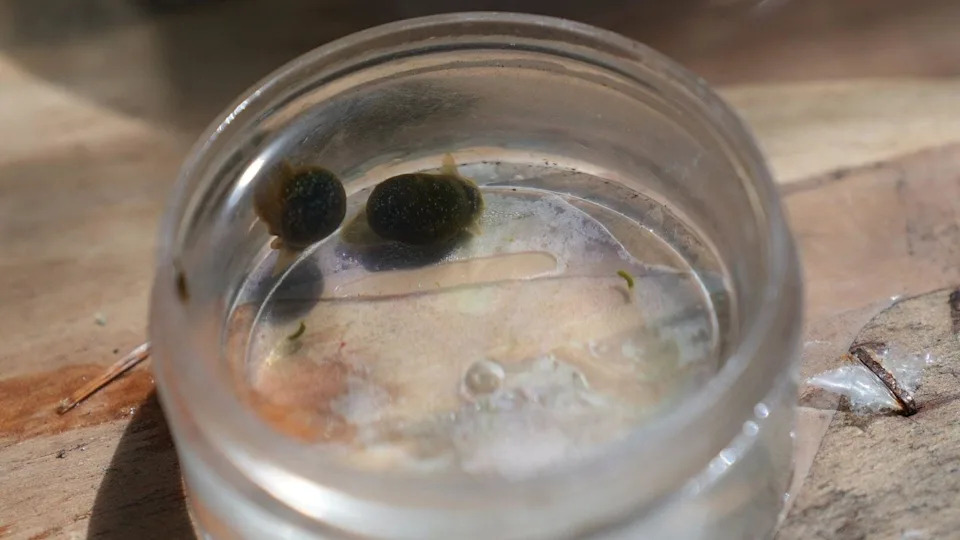
The snails are covered by a 'glutinous' mantle - a layer of translucent tissue that wraps around the shell from beneath. [BBC]
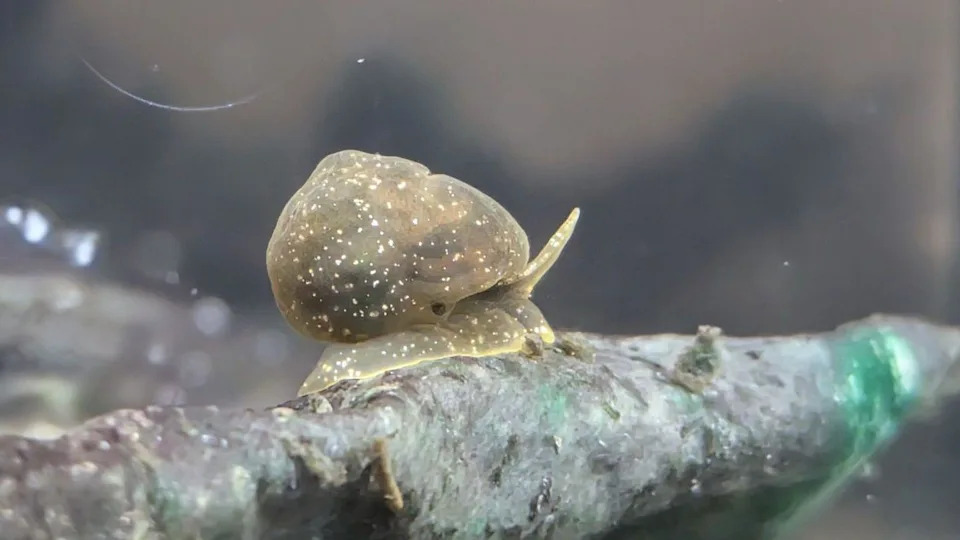
The snails are settling into their new tanks at Dudley Zoo [Dudley Zoo]
Help us improve.