US forces sank the Ecuadorian fishing boat Don Rufo on 8 September after boarding the vessel in international waters; ten crew were left adrift and later rescued. The US says the boat served as a "floating refuelling station" for drug speedboats, a claim denied by survivors and local NGOs. The operation is one of several recent joint US‑Ecuador actions that human‑rights groups and a UN rapporteur say may amount to serious rights violations. Families and advocates are calling for transparency, independent investigations and accountability.
US Strikes on Ecuadorian Fishing Boats Spark Humanitarian Outcry as Joint Counter‑Narcotics Push Intensifies

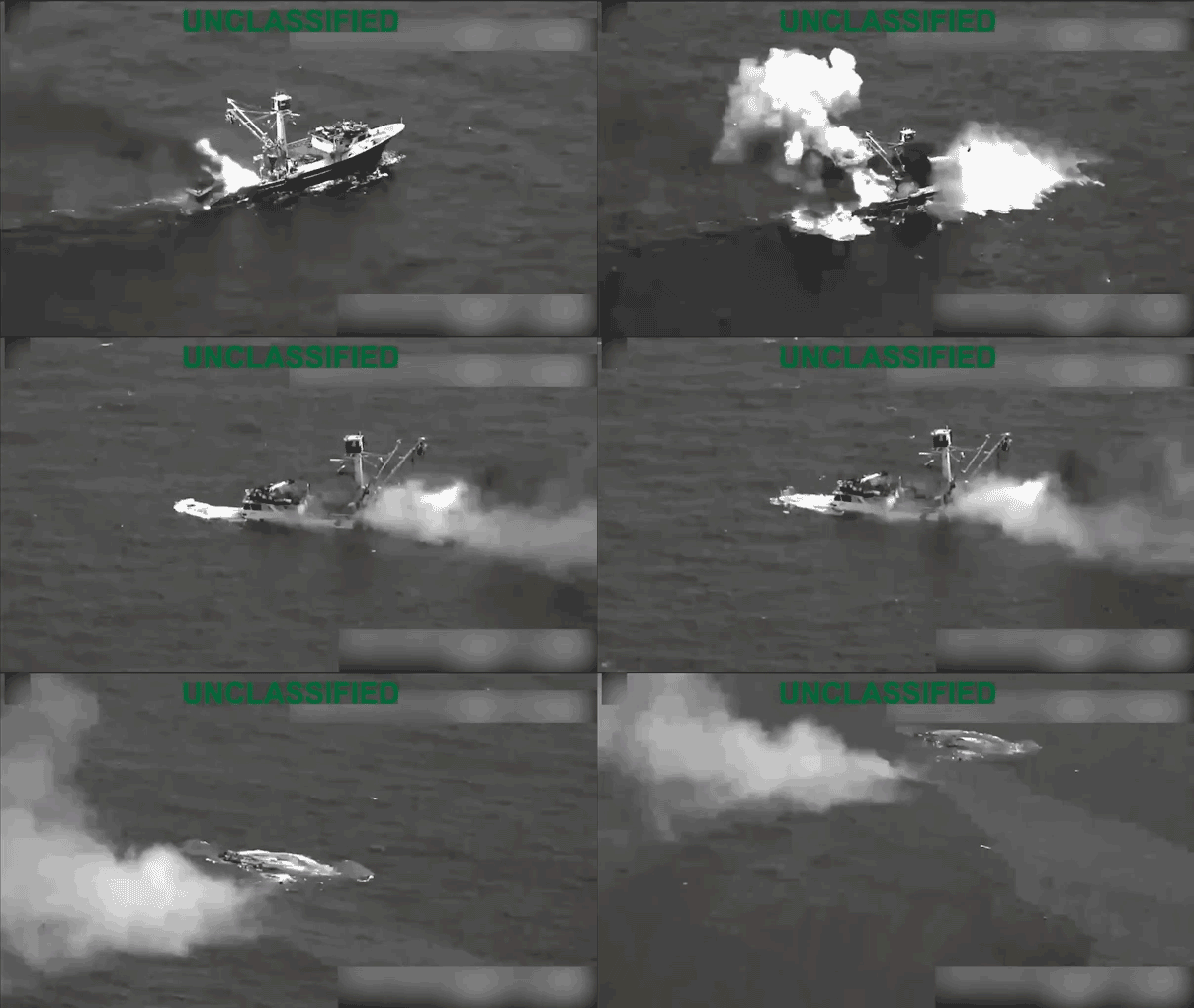
US forces intercepted the Ecuadorian vessel Manta on 5 September before the vessel was destroyed.Photograph: US Marine Corps Forces, South
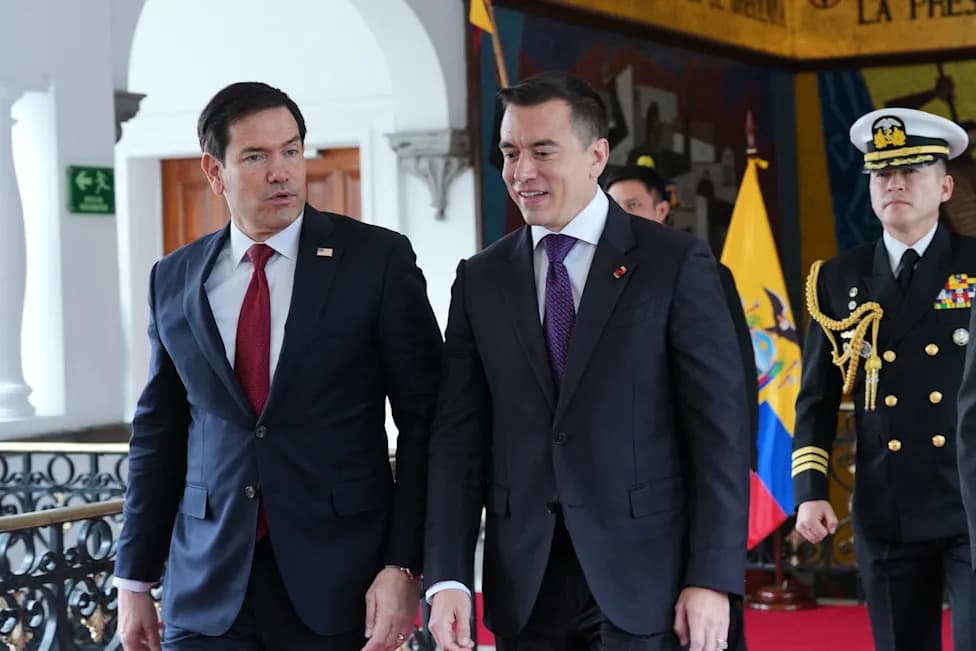
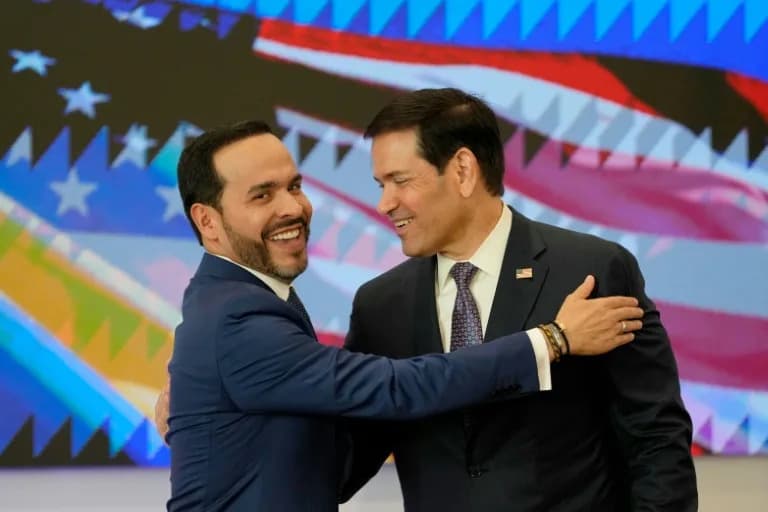
While US Secretary of State Marco Rubio was being honored in Quito for "helping to promote peace in the region," ten Ecuadorian fishers were left adrift in the eastern Pacific after their boat was destroyed by US forces in an operation that has drawn international human‑rights concern.
What Happened
On 8 September, a US patrol vessel intercepted the fishing boat Don Rufo in international waters off Ecuador. According to survivors, heavily armed personnel boarded the vessel, removed six crew members, handcuffed and blindfolded them, and brought aboard large explosives before sinking the boat. Ten other crew members were fishing in a smaller skiff and could not return to shore; Ecuador's navy rescued them on 10 September, by which time Rubio had already left the country.
"The gringos were all armed as if they were going to war," said Captain Mero Calderón. "I tried to show them our catch to prove we were working, but they wouldn't listen."
Official Claims and Local Denials
US Southern Command released an edited 14‑second clip of the Don Rufo operation and said intelligence indicated the vessel was being used as a "floating refuelling station" for speedboats allegedly carrying drugs. Survivors and local NGOs deny those claims and say many of the targeted fishers were engaged in ordinary fishing.
Scope and Context
The Don Rufo incident was one of eight operations involving Ecuadorian boats in slightly more than two weeks. These recent boardings differ from nearly 70 US airstrikes in the Pacific and Caribbean since last year, which sources report have killed 234 people; in the new series of maritime operations crews were typically removed before vessels were destroyed.
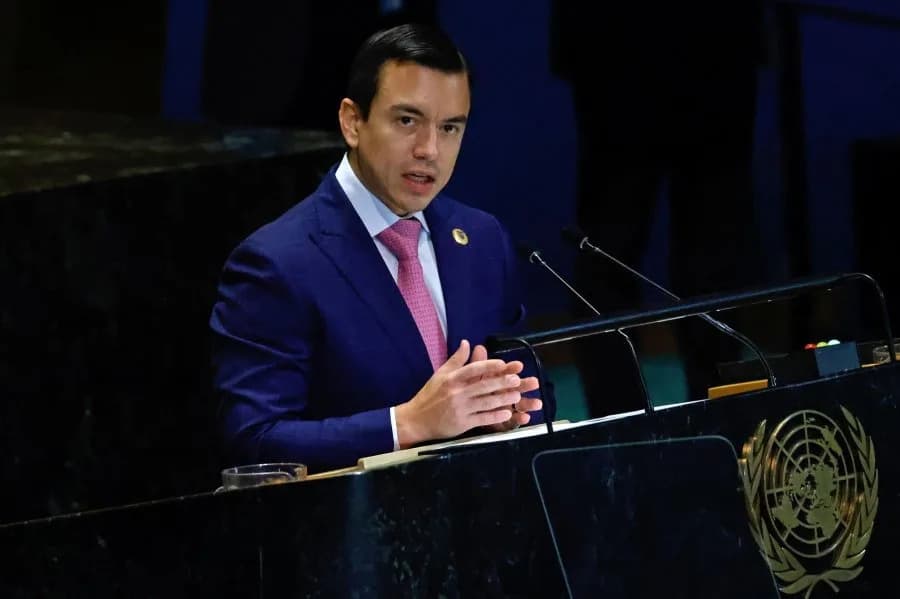
Ecuador's president, Daniel Noboa, has publicly supported so‑called "joint operations" with the US and signed an agreement granting US personnel involved in counter‑narcotics missions immunity from criminal prosecution. The cooperation comes amid President Donald Trump's broader regional initiative, Shield of the Americas, which seeks multinational participation in anti‑trafficking efforts.
Human Rights Concerns
Human‑rights organizations and a UN special rapporteur have raised serious concerns. Ecuador's Permanent Committee for the Defence of Human Rights estimates that more than 220 fishers have faced "violent boardings, arbitrary detentions, enforced disappearances, torture and the destruction of vessels" during this year's operations. A UN rapporteur has said there are "reasonable grounds to believe" some strikes may amount to crimes against humanity.
Critics also note unresolved cases from earlier in the year. On 20 January the fishing vessel Fiorella disappeared with eight crew aboard; relatives said crew members had reported being monitored by drones and a vessel with a US flag days earlier. Journalists and human‑rights groups have linked Fiorella and two other incidents to a covert US programme, as reported by The Washington Post; the CIA declined to comment and US Southern Command has said it had no knowledge of involvement in the Fiorella case.
Voices From Affected Communities
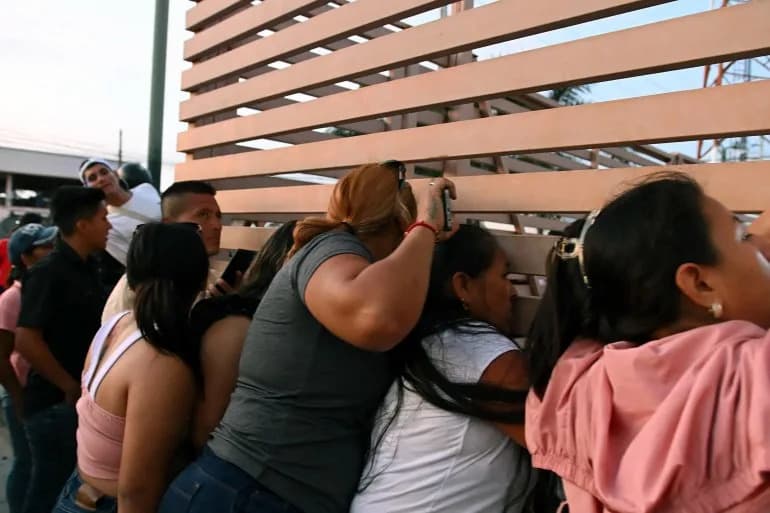
Families of missing fishers have criticized the lack of transparency and demanded answers. María Mero, whose husband and brother were aboard the Fiorella, said: "They were fishers, not criminals. We are poor and we just want our loved ones back." Local lawyers have questioned the decision to destroy vessels if authorities claim they are evidence of criminal activity.
Analysis and Outlook
Analysts suggest Ecuador is being used as a testing ground for a more aggressive US‑backed approach to maritime counter‑narcotics operations. Advocates warn that without improved transparency, independent investigation and judicial oversight, joint operations risk serious human‑rights violations while offering uncertain gains against trafficking routes.
What Remains Unresolved: the identities and fates of some missing crew members, the chain of custody for evidence, and whether the recent maritime operations have had any measurable effect on drug flows. Calls for independent investigations and greater public reporting continue from rights groups, journalists and affected families.
Help us improve.