The first wasp spider recorded in Cheshire was found during a biodiversity survey at the 205‑hectare Chester Zoo estate and confirmed by the British Arachnological Society. The yellow-and-black arachnid, nicknamed “Wendy,” measures about 2–3 cm, builds ornate orb webs and is harmless to people. Experts say the sighting illustrates a broader northward shift in species ranges as the climate warms and underscores ongoing biodiversity risks from climate change and habitat loss.
First Wasp Spider Recorded in Cheshire — 'Wendy' Highlights Climate-Driven Range Shifts
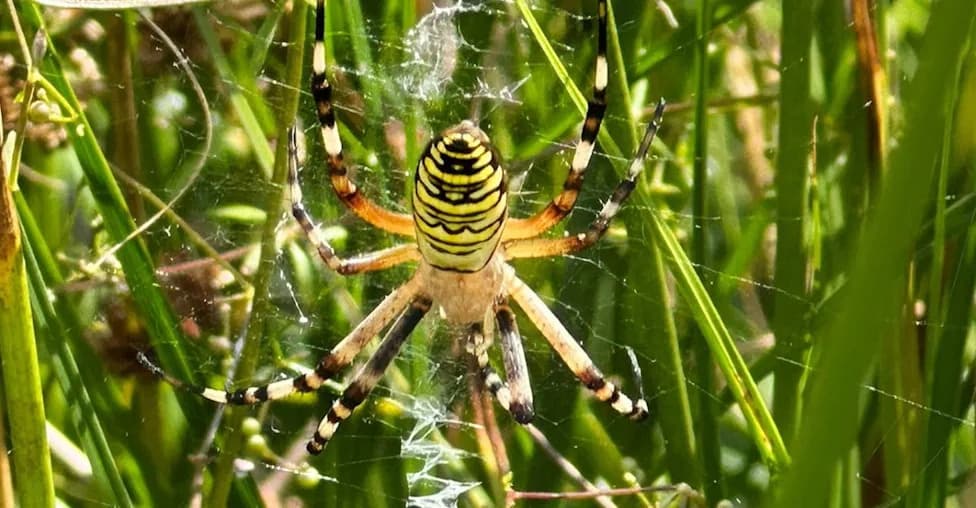
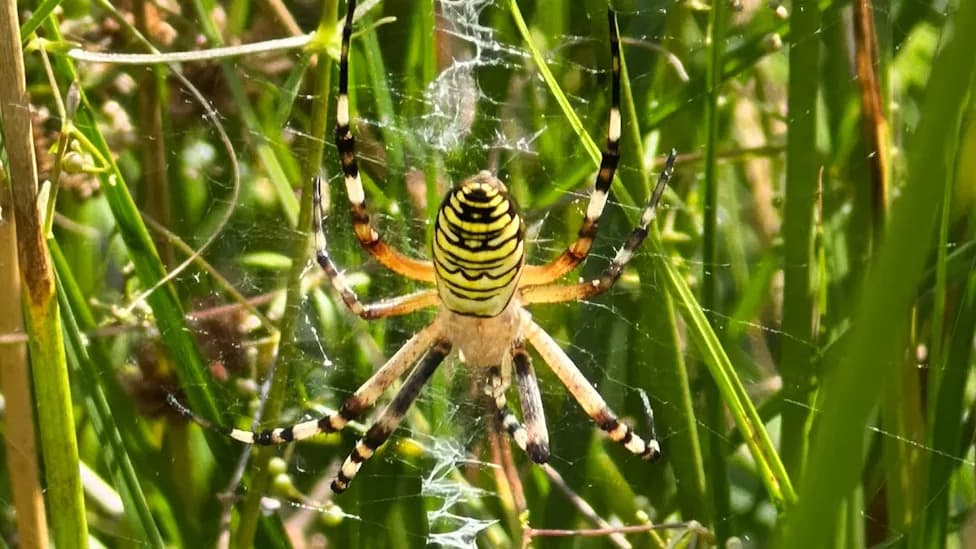
The wasp spider on the Chester Zoo estate. (Chester Zoo via SWNS)
A large yellow-and-black wasp spider has been recorded on the Chester Zoo estate in Cheshire — the first confirmed sighting in northwest England. The individual was identified during a biodiversity survey and verified by an expert from the British Arachnological Society.
Discovery and Identification
The spider was found on the zoo's mixed-habitat estate and has been nicknamed “Wendy” by staff. An expert from the British Arachnological Society confirmed this is the first wasp spider documented in the region, marking a notable range extension for the species in the UK.
About the Wasp Spider
Wasp spiders (Argiope bruennichi) typically have bodies about 2–3 cm across and are strikingly patterned in yellow, black and white. Females build ornate orb webs in grassland and heathland and often attach silk egg-sacs to surrounding grasses. Despite their dramatic appearance, experts emphasise that wasp spiders are harmless to humans.
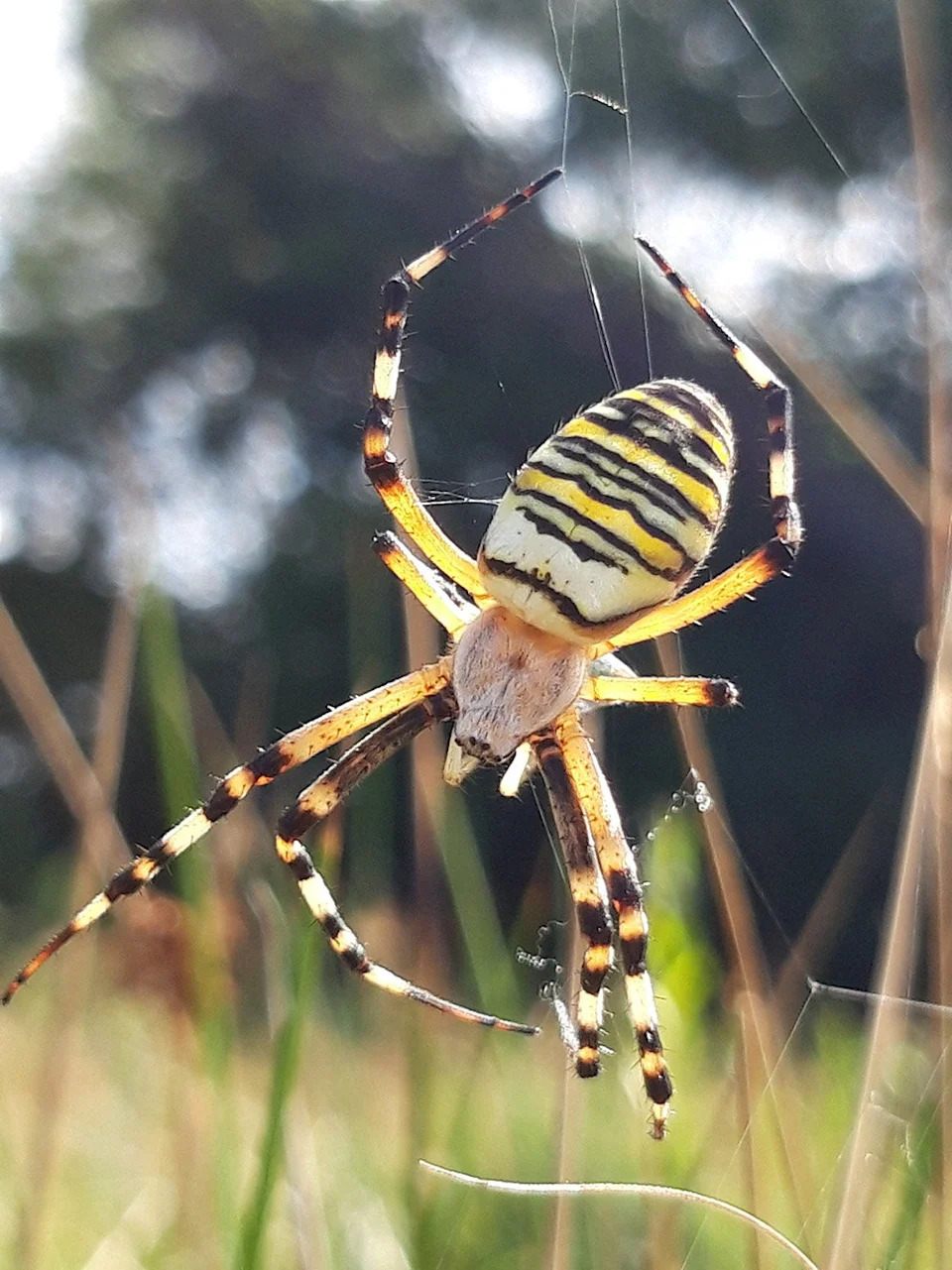
A large wasp spider has been spotted in Cheshire for the first time and experts are calling it a "climate refugee." (Chester Zoo via SWNS)
Why This Matters
Conservation staff say Wendy’s arrival reflects a broader pattern of species shifting northwards as the climate warms. Some groups describe animals forced to relocate by climate change as “climate refugees,” underlining the role of human-driven environmental change in altering species distributions.
"We were really thrilled to find Wendy. She's a beautiful and fascinating species, and recording a wasp spider in Cheshire for the first time is really exciting," said Ruby Merriman, estate biodiversity manager at Chester Zoo.
Scott Wilson, head of field programs at Chester Zoo, added: "Seeing new species onsite is encouraging, but this sighting is part of a broader, worrying trend. Climate change and habitat loss are already driving shifts in where species can survive."
Chester Zoo's Habitat And Conservation Context
The zoo's wider estate covers 205 hectares and includes wet meadows, ponds, reedbeds, species-rich grasslands, woodlands, orchards and hedgerows that support a wide range of wildlife. Recorded species include harvest mice (listed as Near Threatened on the IUCN Red List), great crested newts, badgers and nesting barn owls, as well as dozens of dragonfly, moth and butterfly species.
While Wendy has sparked local interest, Chester Zoo stresses the sighting is also a reminder that climate change is already affecting species distributions in the UK. Continued monitoring and habitat management will help conservationists understand and respond to these changes.
Help us improve.