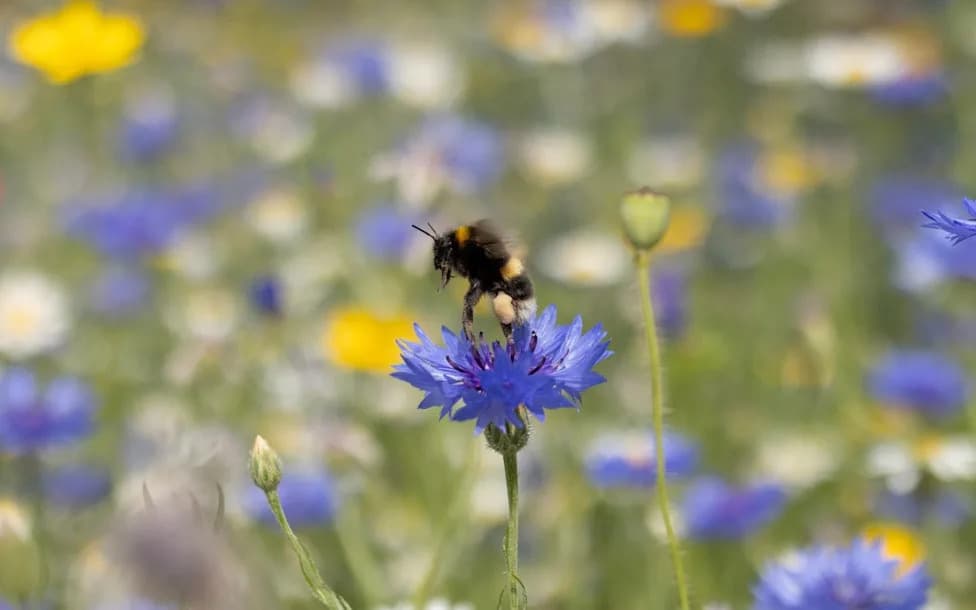
Volunteers in Devon and Cornwall reported strong adult butterfly counts in the 2026 Big Butterfly Count — 77,151 insects from nearly 5,000 participants in Devon and 47,712 from almost 3,000 in Cornwall. Experts caution that earlier droughts may have damaged caterpillar food plants, so the full impact could emerge next year. Professor Richard Fox warns that with 80% of UK butterfly populations having declined since the 1970s, more frequent hot, dry summers risk pushing vulnerable species toward extinction. The charity recommends planting native vegetation, installing water butts and leaving areas of grass uncut to help recovery.
Strong Summer Counts Mask Risk Of Butterfly 'Crash' as Drought Threatens Populations

White House bars CNN from travelling with Trump on Air Force One
Volunteers across Devon and Cornwall recorded excellent adult butterfly numbers in Butterfly Conservation's 2026 Big Butterfly Count, but experts warn that prolonged hot, dry conditions could still trigger sharp declines in future generations.
Survey Results
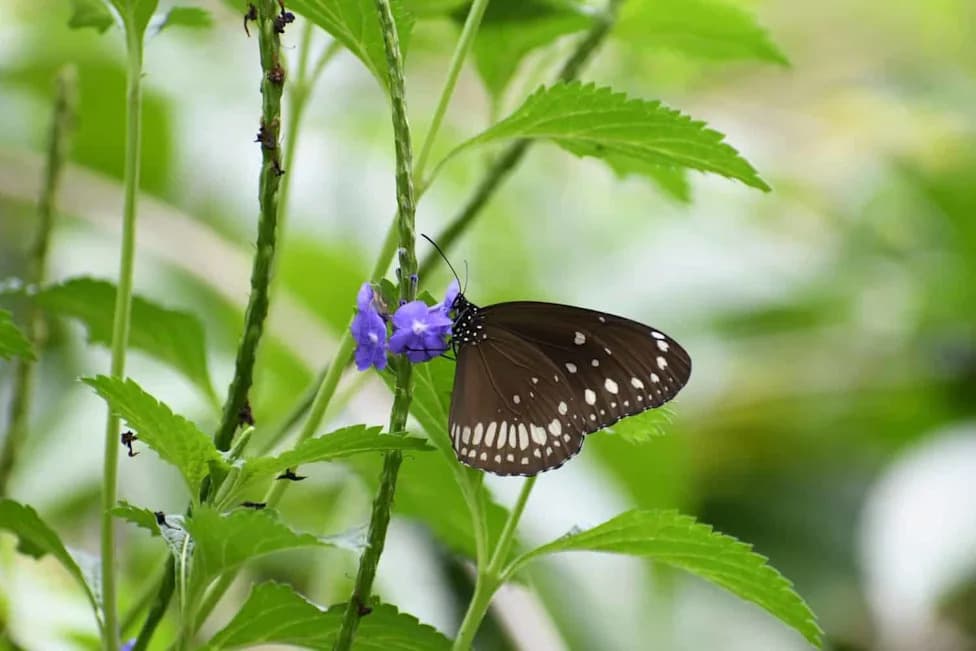
Nearly 5,000 volunteers in Devon recorded 77,151 butterflies and day-flying moths during the three-week survey, while almost 3,000 participants in Cornwall reported 47,712 sightings. The Gatekeeper was the most commonly recorded species across both counties. In Devon the Meadow Brown was the second most common species followed by the Red Admiral; in Cornwall the Red Admiral was second and the Painted Lady third.
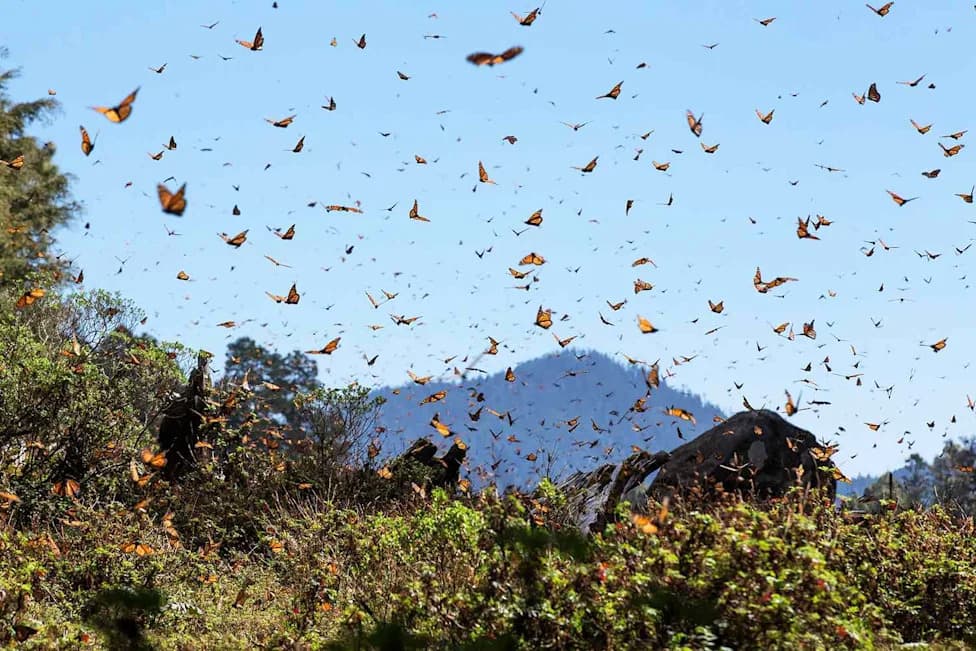
The Painted Lady was a standout species this year, with 6,955 individuals recorded in Devon and 6,033 in Cornwall. This migratory butterfly has enjoyed a strong year nationally and is known for its remarkable multi-generation migration from Africa to the UK, crossing the Sahara and the Mediterranean.
Why Conservationists Are Worried
Butterfly Conservation's Head of Science, Professor Richard Fox, said that while adult butterflies benefit from warm sunny weather, extreme droughts can severely damage populations by harming the plants caterpillars need to survive.
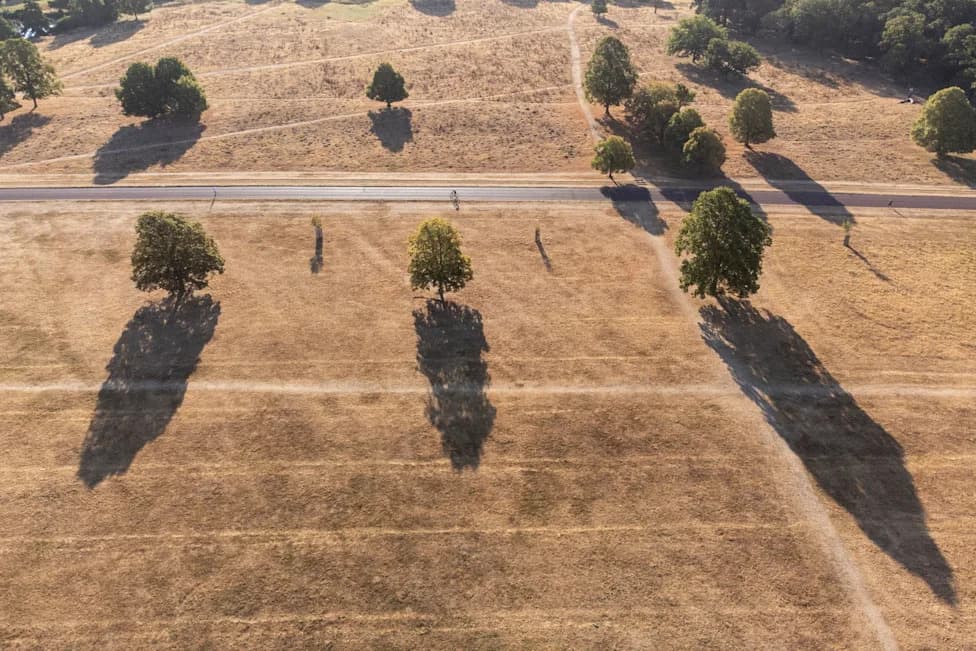
"The extreme droughts in 1976 and 1995 had severe impacts on butterfly populations, with some species never fully recovering. With increasingly frequent hot, dry summers and droughts driven by climate change, degraded habitats and already depleted populations, some species may be pushed further and faster towards extinction," Fox said.
The charity notes that around 80% of the UK's butterfly populations have declined since the 1970s. It also warns that earlier drought conditions this year may have caused larval food plants to wither before caterpillars finished feeding, meaning the true impact could become clearer next year.
How People Can Help
Butterfly Conservation urges simple, practical actions to help insects and strengthen habitats:
- Plant native trees, shrubs and nectar-rich flowers to provide food and shelter.
- Install water butts to collect and store rainwater during dry spells.
- Leave areas of long grass and allow wild corners in gardens to support caterpillars and other invertebrates.
- Support local conservation groups and report notable sightings to citizen-science projects.
While this summer's adult counts are encouraging, conservationists say sustained habitat restoration and action on climate resilience are needed to prevent a future population crash. Continued monitoring will show whether this year's strong adult numbers translate into healthy future generations.
Help us improve.