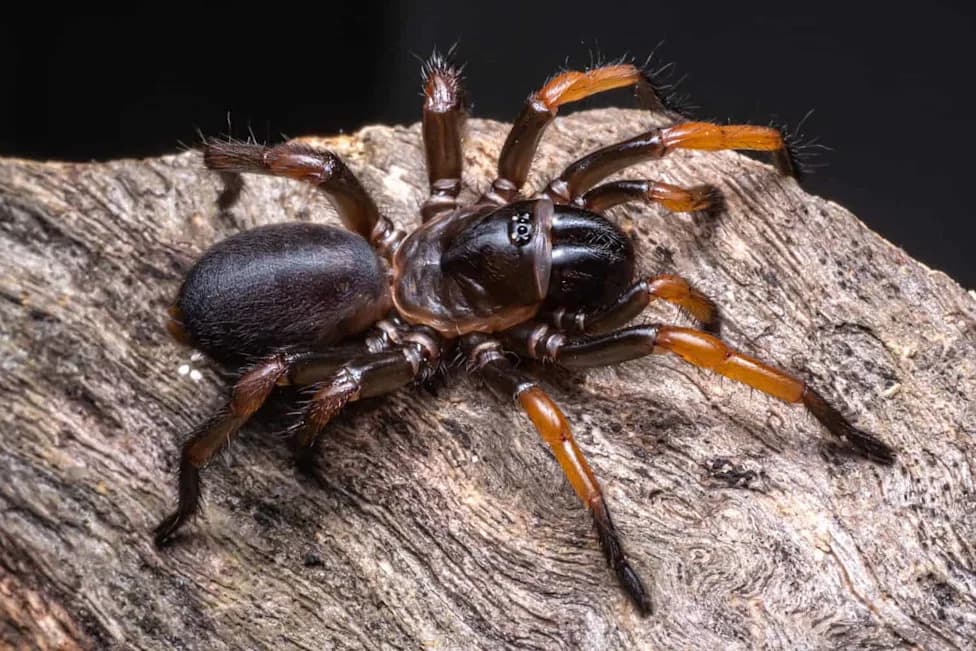
Researchers at Curtin University used orb spider webs as passive collectors of environmental DNA and detected 85 animal species that were not directly observed. They sampled 49 webs at Karakamia Wildlife Sanctuary (32 species) and additional webs at Perth Zoo (61 known exotic species). Because orb spiders regularly rebuild webs, the DNA reflects recent activity (hours to days), making this a useful, non-invasive method to guide targeted surveys. Reptiles were underrepresented, so combining web eDNA with vegetation and water sampling provides a more complete biodiversity picture.
Spider Webs Reveal 85 Hidden Species: How Orb-Web eDNA Uncovers Elusive Wildlife
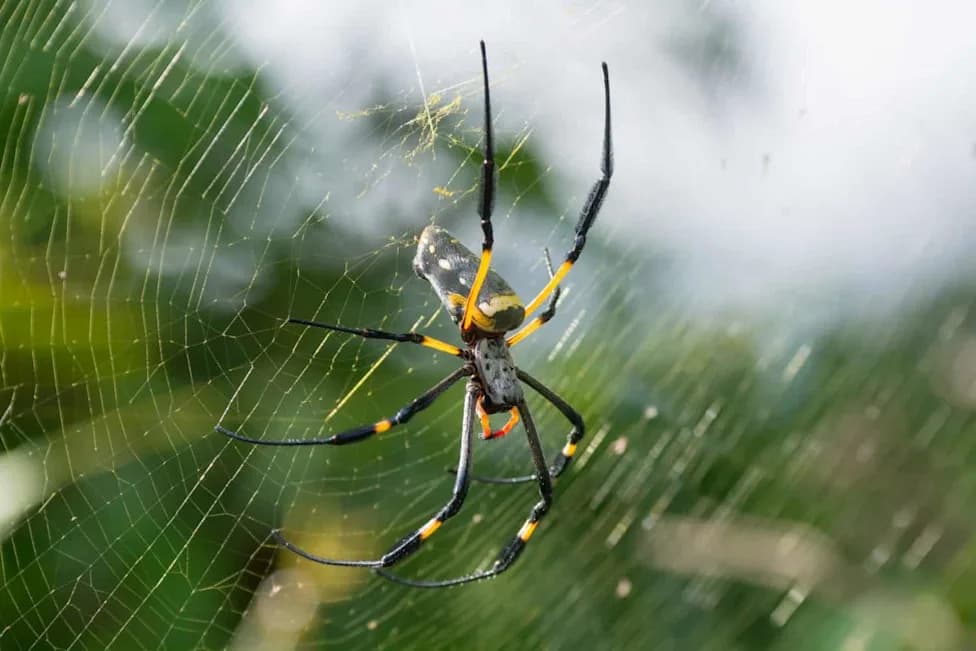
A female Golden SIlk Orb Weaving Spider waiting on her web© Dave Montreuil/Shutterstock.com
As climate change reshapes habitats, tracking wildlife has become more urgent — yet many species are hard to observe directly. New research shows that orb spider webs can act as passive collectors of environmental DNA (eDNA), allowing scientists to detect animals without ever seeing them.
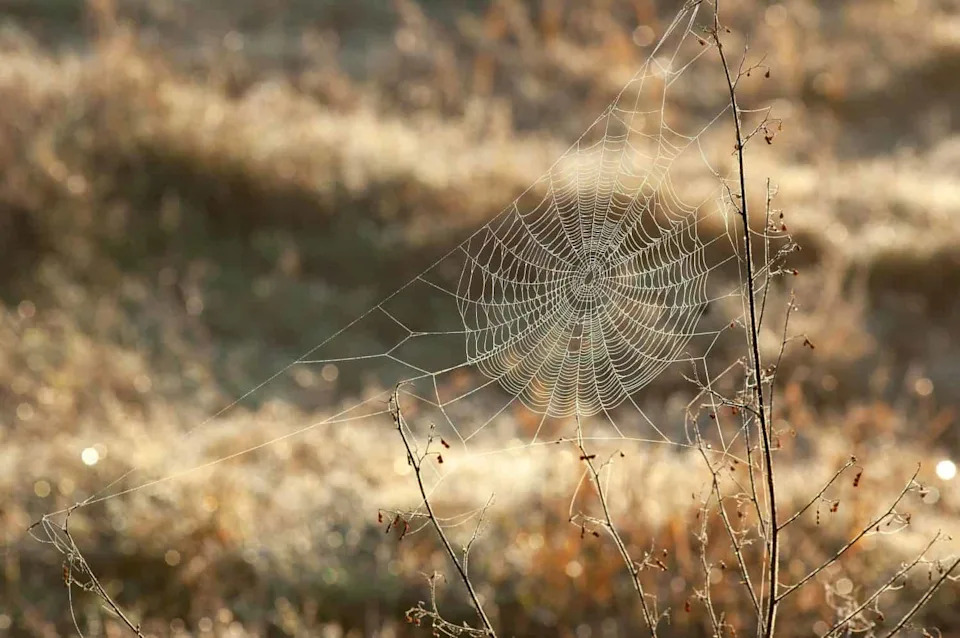
Orb spider webs were collected at Karakamia Wildlife Sanctuary and Perth Zoo to determine whether they contained environmental DNA.©Donna Bollenbach/Shutterstock.com
How The Study Worked
Researchers from Curtin University in Perth, Australia, led by Ph.D. student Josh Newton and evolutionary biologist Morton Allentoft, collected orb spider webs by wrapping them around sticks at two sites: Karakamia Wildlife Sanctuary and Perth Zoo. They analyzed 49 webs from Karakamia and additional samples from Perth Zoo to see what genetic material the webs contained.
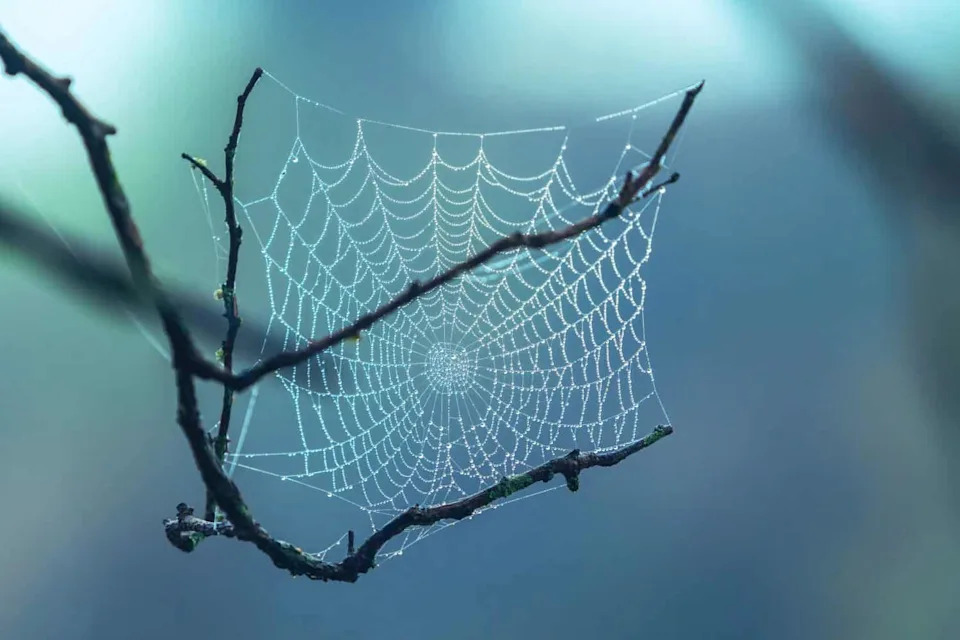
Thanks to the stickiness of the spider web, DNA gets caught, revealing which animals live in a habitat.©Diego Grandi/Shutterstock.com
What They Found
Laboratory analysis identified 32 distinct animal species from the 49 Karakamia webs and 61 exotic species from the Perth Zoo samples. In total, web-derived eDNA revealed 85 animal species that researchers had not directly observed in the field. These results validate spider webs as a reliable, non-invasive source of biodiversity data.
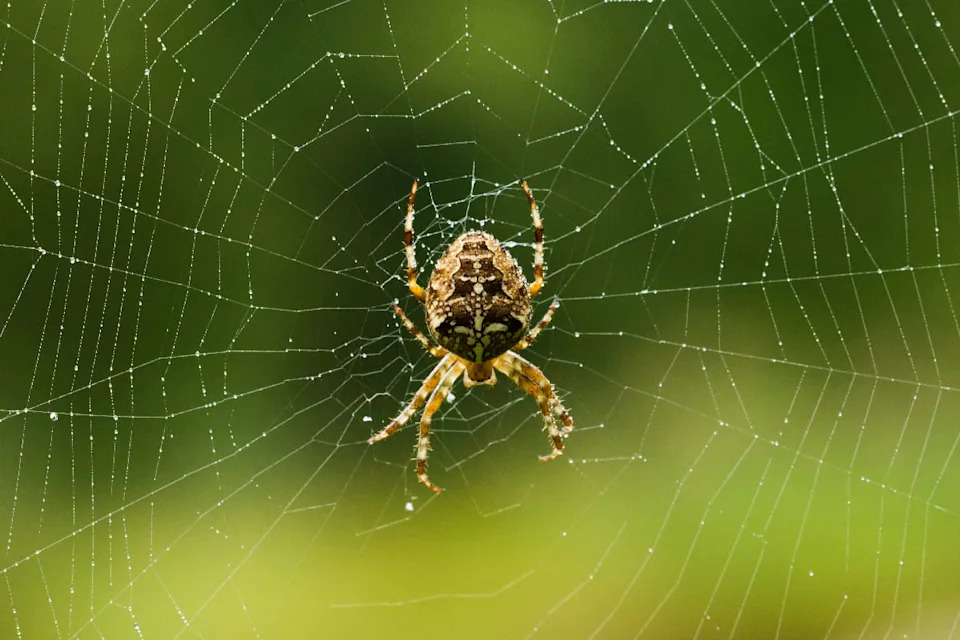
Because orb web spiders typically take down and rebuild their webs within several hours to several days of their creation, any animal DNA found is recent.©iStock.com/mirceax
'You can see they're messy, they're dirty. And I was thinking to myself, "Maybe these spiderwebs are big passive air filters,"' Allentoft told NPR, describing the insight that inspired the study.
Why Webs Capture eDNA
All organisms constantly shed biological material — skin flakes, hairs, and cellular debris — that can become airborne or travel via water and sediment. The adhesive silk of orb webs traps these particles. Small prey items leave DNA directly when captured, while larger animals can contribute DNA indirectly as cells and fragments drift through the environment and settle on the silk.
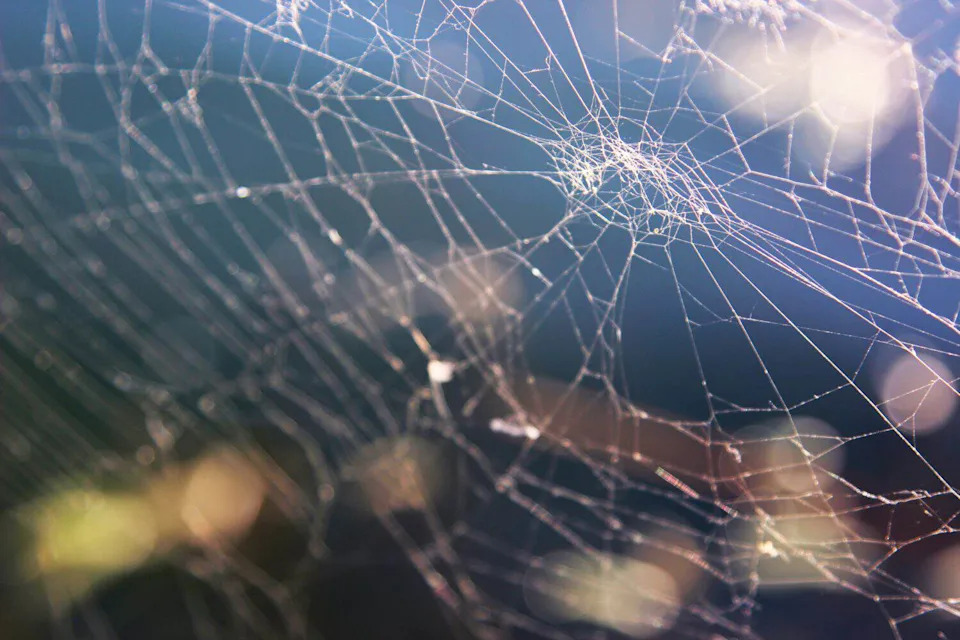
Even elusive animals shed DNA, making it easier to detect their presence in a habitat, thanks to spider webs that capture it.©Emily Rose Photography/Shutterstock.com
Timing Matters
Many orb spiders dismantle and rebuild their webs nightly or every few days. That behavior means the DNA collected from webs is recent, typically reflecting animal activity from hours to a few days before sampling. This short-timeframe snapshot helps researchers detect recent presence without long field deployments.
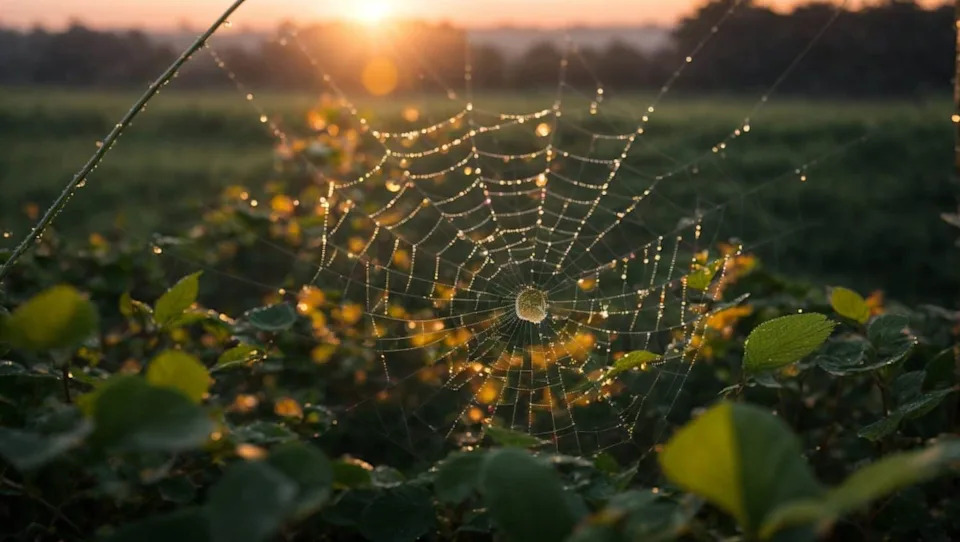
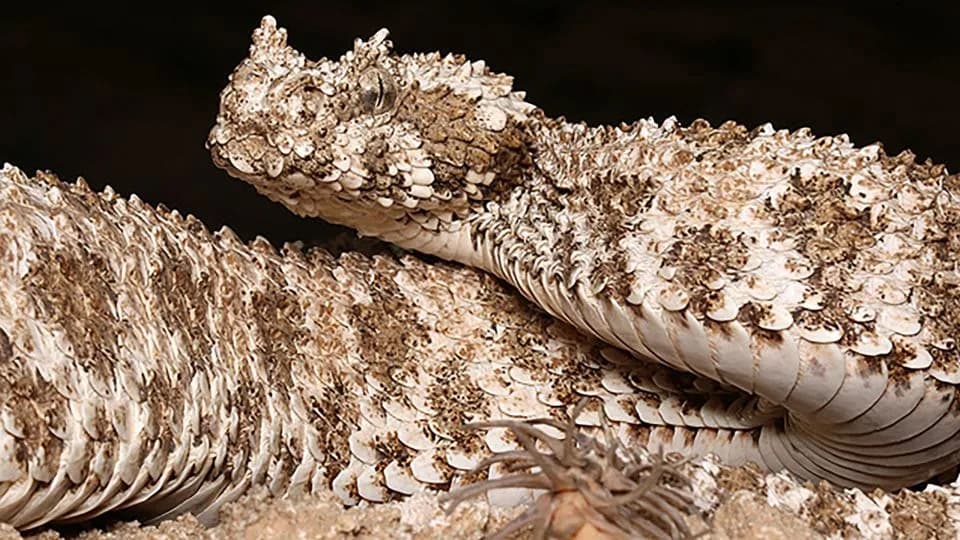
While spider webs help collect DNA, reptiles are often underrepresented among identified creatures because they shed fewer cells than other animals.©Wirestock Creators/Shutterstock.com
Practical Benefits
Spider-web eDNA is non-invasive, low-cost, and passive. It can help pinpoint where elusive animals have been, allowing teams to focus camera traps and targeted surveys more effectively and efficiently. This makes it a valuable complementary tool for conservation monitoring and biodiversity assessment.
Limitations And Best Practices
The method is not comprehensive. The study found reptiles were underrepresented in web-derived DNA, likely because they shed fewer cells that travel to webs. Because no single technique captures an entire ecosystem's fauna, researchers recommend combining spider-web sampling with other eDNA approaches like vegetation swabs and water sampling to create a fuller picture.
Conclusion: Orb spider webs act as natural, short-term collectors of environmental DNA, revealing many hard-to-observe species and offering a practical, non-invasive tool to support traditional wildlife surveys and conservation efforts.
Help us improve.