The fen raft spider (Dolomedes plantarius), the U.K.'s largest spider, is making a strong recovery thanks to captive-breeding and persistent wetland restoration. Chester Zoo and partners reared hundreds of spiderlings and released them into restored sites; Norfolk now supports about 3,750 breeding females across 12 locations, with around 10,000 estimated across the U.K. Conservationists emphasize that ongoing habitat management is essential to secure these gains and support wider wetland biodiversity.
UK's Giant Fen Raft Spider Makes Remarkable Comeback After Wetland Restoration
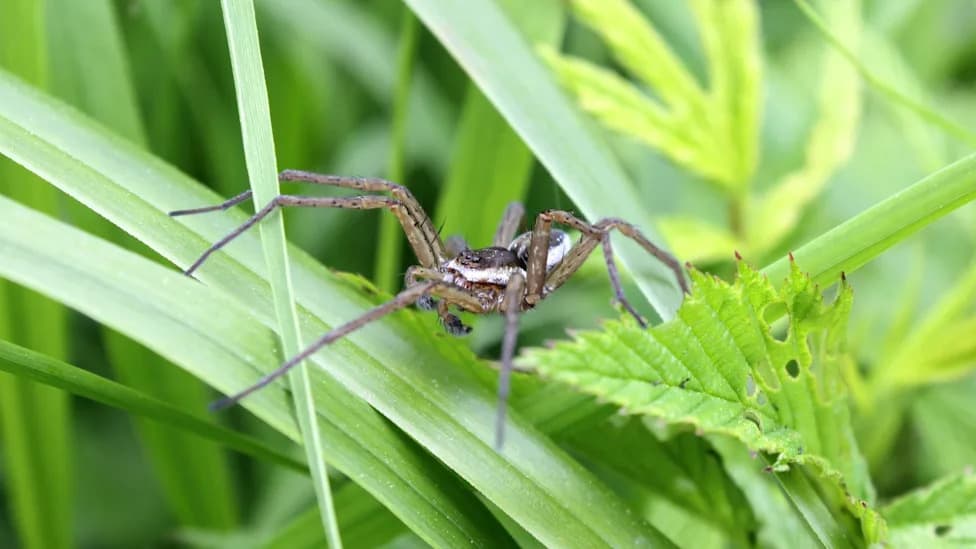
Photo Credit: iStock
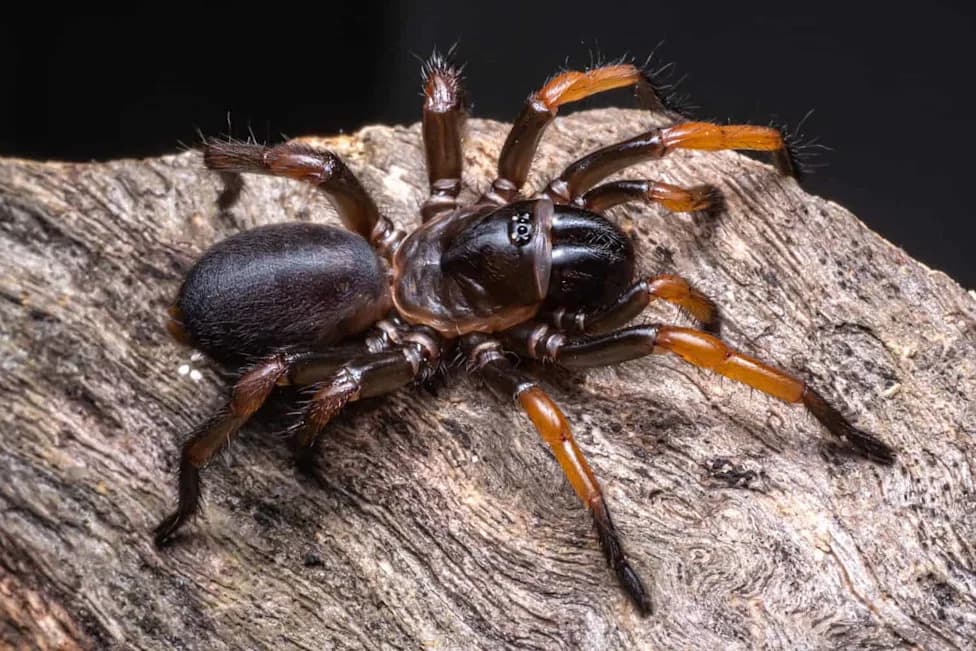
The United Kingdom's largest spider, the fen raft spider (Dolomedes plantarius), is bouncing back after years of devoted habitat restoration and captive-breeding work.
Once close to extinction in the U.K., the species has shown a strong recovery in Norfolk following sustained wetland conservation, according to local reports and announcements from Chester Zoo. The zoo described the news as a "huge conservation" success and highlighted a collaborative rescue-breeding programme in which teams reared hundreds of spiderlings in test tubes and hand-fed them tiny flies until they were robust enough to be released back into restored habitats.
In 2010 the fen raft spider was perilously rare in the U.K. Today, Norfolk alone supports about 3,750 breeding females across 12 sites — a dramatic reversal for a species once counted among the nation's rarest invertebrates. Chester Zoo estimates roughly 10,000 breeding females across the U.K. this year, the best figure on record.
Although its size and appearance can seem intimidating, the fen raft spider is not dangerous to people. This semi-aquatic predator can run across the surface of water to hunt, preying on other spiders, damselflies, dragonfly larvae, small fish and tadpoles.
Conservationists' perspective
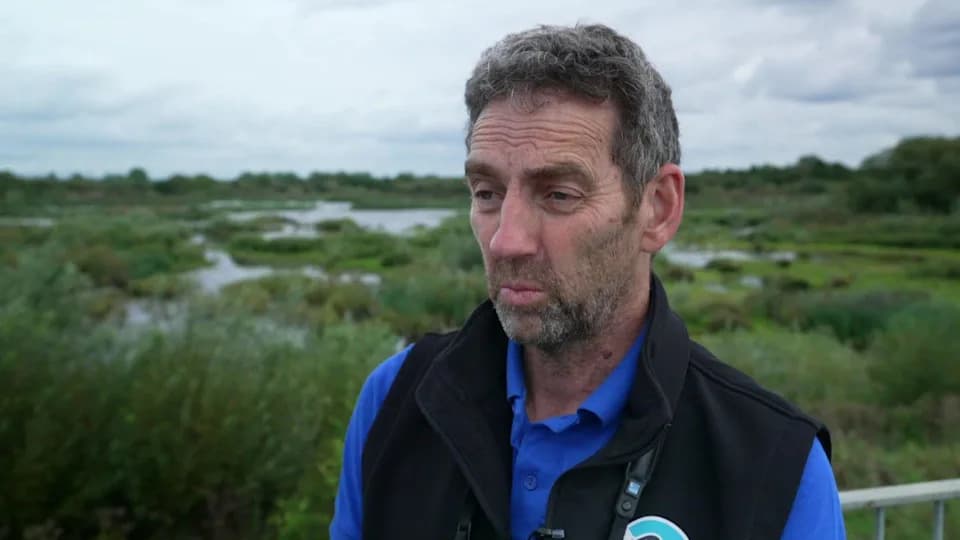
"The fen raft spider is one of the U.K.'s rarest invertebrates, and we are proud of the role our reserves and teams have played in its recovery," said Tim Strudwick, site manager for the RSPB's Mid Yare nature reserves. Strudwick described the spiders as "fairly shy" but essential to maintaining the rich aquatic diversity in grazing ditches on reserves such as Strumpshaw Fen.
RSPB involvement has been central: managers have restored and maintained grazing marsh ditches, kept conditions suitable for breeding and hunting, and supported reintroduction efforts. Records from multiple RSPB sites in Norfolk suggest the rebound is spreading across suitable wetland habitats.
"We must continue to restore, manage and protect the wetland habitats where the fen raft spider thrives to ensure the future of not just this species but many others too," RSPB ecologist Jane Sears said.
Why it matters
Biodiverse wetlands support healthy ecosystems and provide distinctive landscapes that can benefit local communities and economies. The return of the fen raft spider indicates improving wetland health and helps to stabilise the broader food web.
People are most likely to spot adult females and their nursery webs in grazing marsh ditches from June through September. The meadow trail at Strumpshaw Fen is among the better places to see them in Norfolk.
Help us improve.