The Saving Wildcats partnership uses 72 cameras and minimal human contact to monitor captive-bred wildcats before release into the Cairngorms, assessing behaviours needed to survive in the wild. So far 46 animals have been reintroduced and released females have produced at least 20 wild-born litters since 2024. Ongoing monitoring uses up to 100 trail cameras and temporary collars, while a national strategy will focus on habitat restoration and measures to reduce hybridisation. Climate events and other threats make multiple, geographically dispersed populations essential to long-term recovery.
Inside Scotland’s Wildcat HQ: 72 Cameras, Minimal Contact — A High-Stakes Return to the Cairngorms
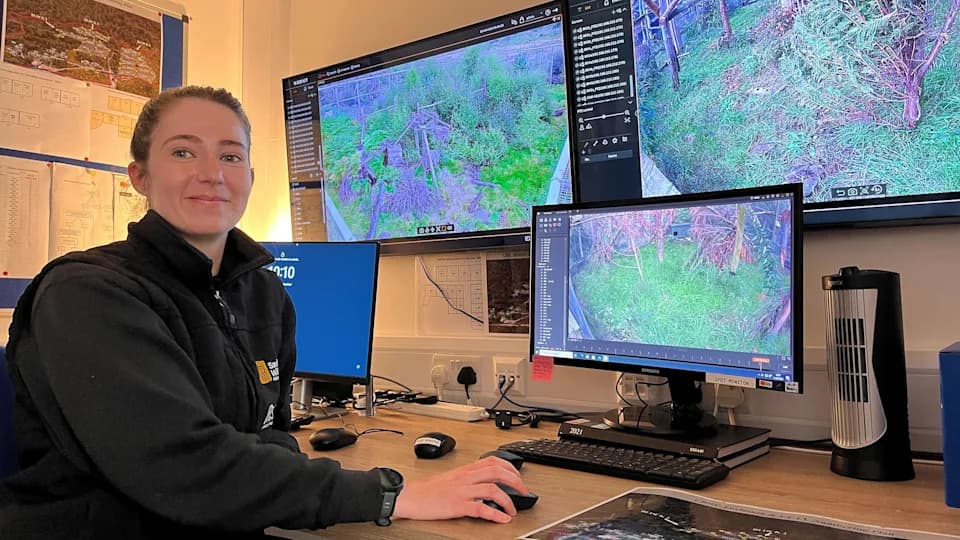
Estelle Morgan monitors the wildcats via 72 cameras in the Cairngorms [BBC]
From a small, windowless monitoring room in the Cairngorms, a bank of screens tracks the future of Scotland’s only native wild cat. Estelle Morgan, animal team leader for the Saving Wildcats partnership, watches dozens of enclosures via 72 cameras as captive-bred wildcats prepare for release into the wild.
“It’s like Big Brother for cats,” Morgan says, referring to the constant surveillance — a deliberate approach designed to keep human contact to an absolute minimum while assessing each animal’s ability to survive independently.
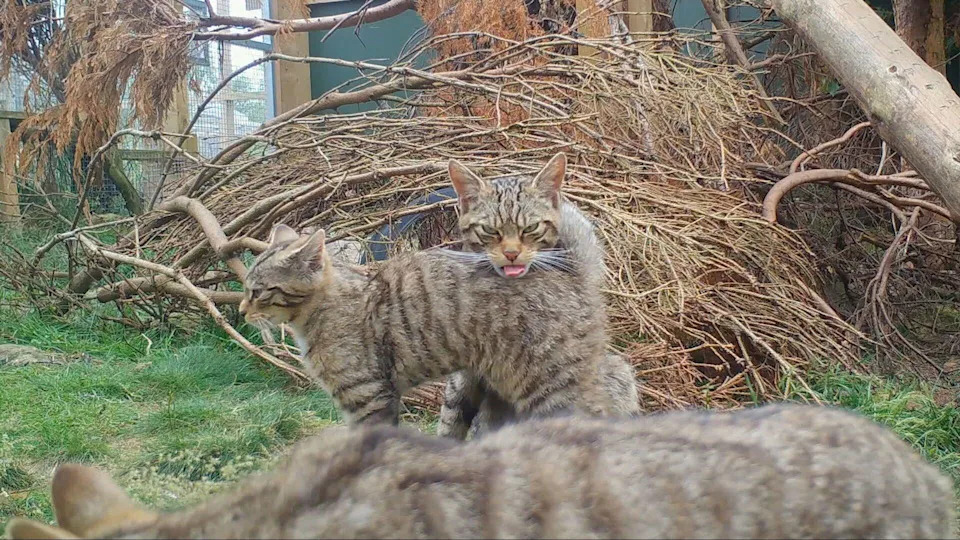
Seventy-two cameras are being used to watch over the animals in their enclosures [BBC]
What The Team Is Looking For
The footage is used to judge health and natural behaviour: can the cats climb, pounce, navigate complex structures and maintain activity at natural times? This year the team even captured, for the first time on camera, a wildcat giving birth — a milestone that highlights both the intensity and importance of the monitoring programme.
Preparing For Release
Before release, behavioural assessments identify individuals that might be at higher risk near roads, farms or settlements if they show boldness around humans. Saving Wildcats has reintroduced 46 wildcats into the Cairngorms’ flats and foothills; released females have produced at least 20 wild-born litters since 2024.
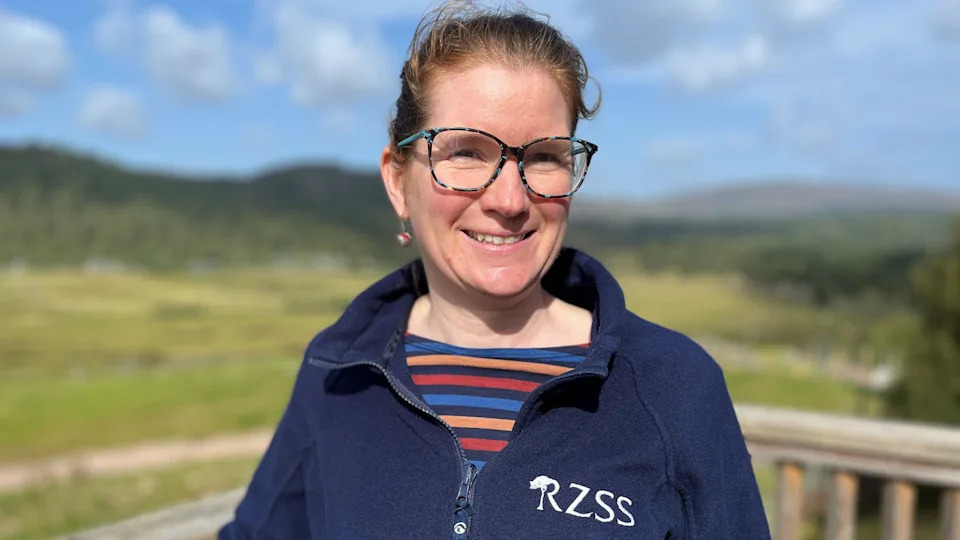
Helen Senn said climate incidents had the potential to have an impact on the wildcat conservation programme [BBC]
Tracking In The Wild
Even after release the cats are closely monitored. A network of up to 100 trail cameras records movements, and temporary collars — designed to drop off after about seven to nine months — emit a short daily signal to help researchers locate animals. Finding cats in the wild can be difficult: they may shelter in hollows, tree roots or roam across mountains, but each sighting sheds light on hunting behaviour and habitat use.
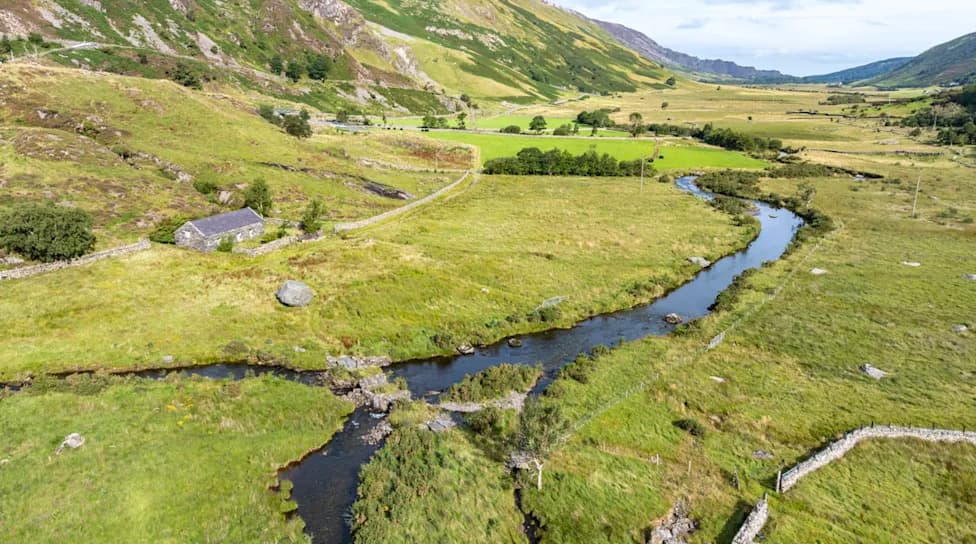
“Wildcats never cease to surprise us,” says Louise Hughes, operations manager for the Saving Wildcats partnership, pointing to Sully — a wildcat released in 2024 that was filmed swimming across the River Spey.
Nationwide Strategy And Threats
Project partners, including NatureScot and the Royal Zoological Society of Scotland (RZSS), aim to scale up reintroductions beyond the Cairngorms. A national strategy will prioritise restoring and reconnecting habitat, and in chosen release zones there will be increased microchipping, neutering and vaccination of pet and feral cats to reduce hybridisation risk.
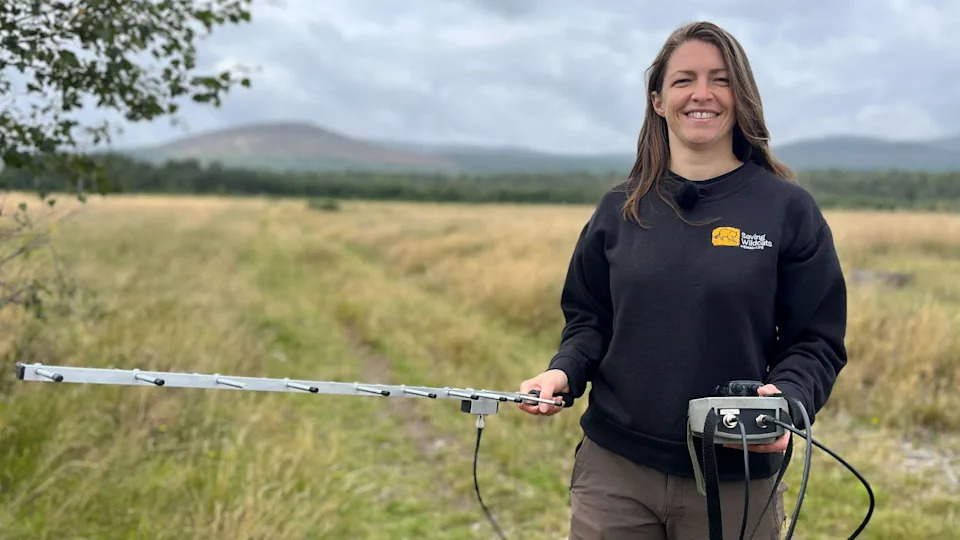
Louise Hughes leads the team that tracks the wildcats as they establish their new territories [BBC]
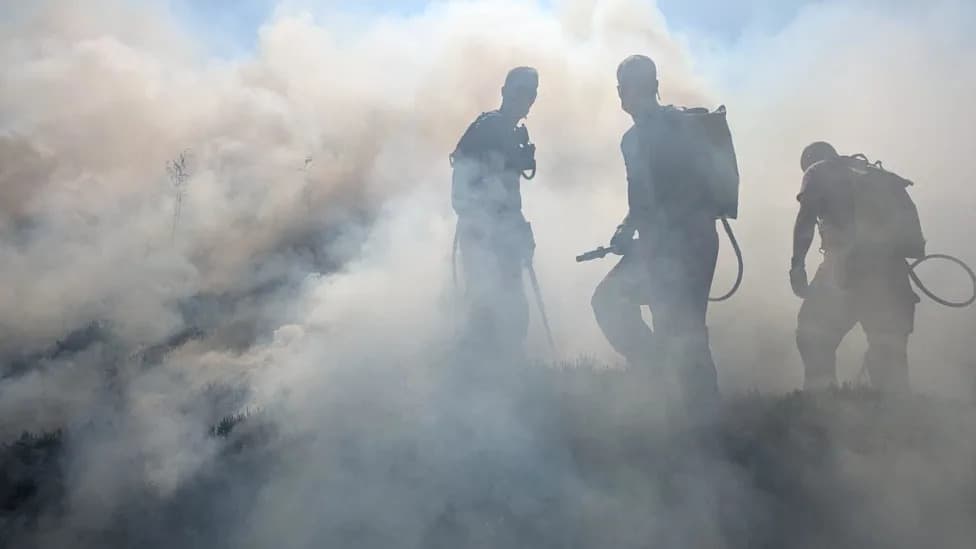
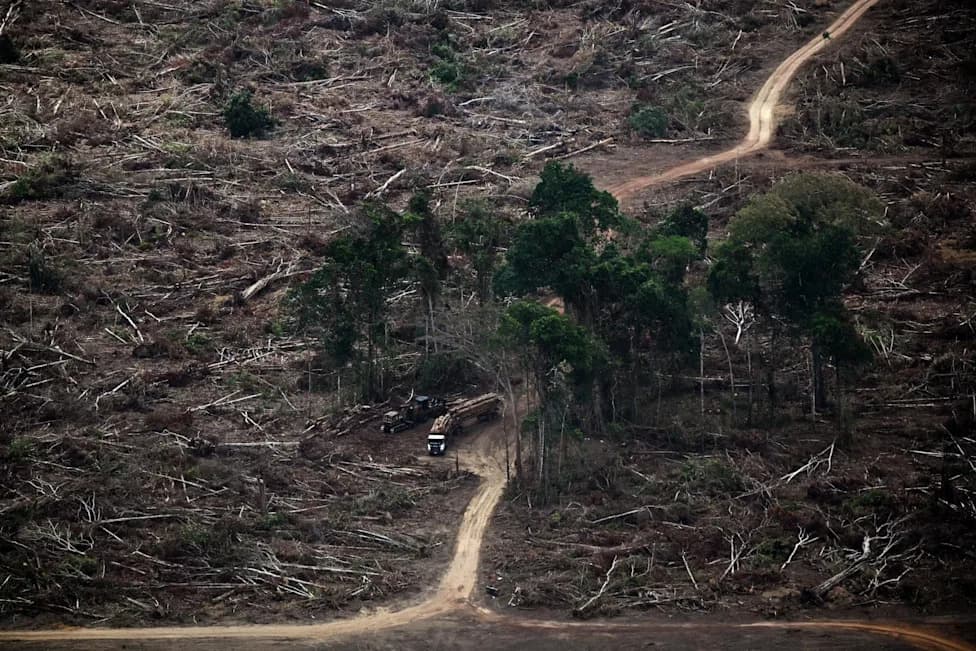
Dr Martin Gaywood of NatureScot calls the Cairngorm project “an enormous amount of success, but only the first step,” stressing that long-term, large-scale planning is needed to restore wildcats across Scotland. Dr Helen Senn (RZSS) warns that recent climate incidents — major storms, flooding and a significant forest fire in the release area — underline the need for multiple, geographically dispersed populations to build resilience.
Local Support And Community Science
Scottish Land and Estates and a number of private estates have supported release sites, monitoring and recording sightings. Public reports also contribute valuable data that help researchers map territories and behaviour.
Though scientists warned in 2018 that the Scottish wildcat was functionally extinct, the species remains critically endangered. The conservation work in the Cairngorms offers hope and practical lessons that will inform future releases elsewhere in Scotland.
“The only native cat found in the wild in Britain deserves to be here — they’re part of the landscape,” Morgan says, as teams plan the next steps to expand and protect wildcat populations nationwide.
Help us improve.