Researchers at the University of Chicago's Climate Impact Lab estimate a strong El Niño could cause about 451,000 additional heat-related deaths worldwide in the first nine months of the event, with the heaviest burden falling on the Global South. The report flags major risks for countries including Brazil and India and estimates large combined death tolls in parts of Africa and Southeast Asia. Officials are urged to deploy targeted actions—such as heat warnings, cooling centers, hydration points and worker protections—to prevent tens of thousands of deaths.
Strong El Niño Could Add About 451,000 Heat-Related Deaths, With Heaviest Toll in the Global South

Photo Credit: iStock
Researchers at the University of Chicago's Climate Impact Lab warn that a strong El Niño event could contribute to roughly 451,000 additional heat-related deaths worldwide during the first nine months of the climate pattern, compared with a typical year. The report projects the heaviest impacts will fall on lower-income countries in the Global South, where limited access to cooling, strained health systems and weaker emergency response capacity make extreme heat especially deadly.
What The Study Found
The Climate Impact Lab's analysis highlights regional vulnerabilities and provides country-level estimates. CBS News noted that Brazil and India are projected to experience particularly severe losses. The researchers estimate that Nigeria, Sudan, Niger and Chad could together exceed 65,000 heat-related deaths, while the Philippines, Vietnam, Thailand, Cambodia and Indonesia combined may approach about 40,000 additional fatalities.
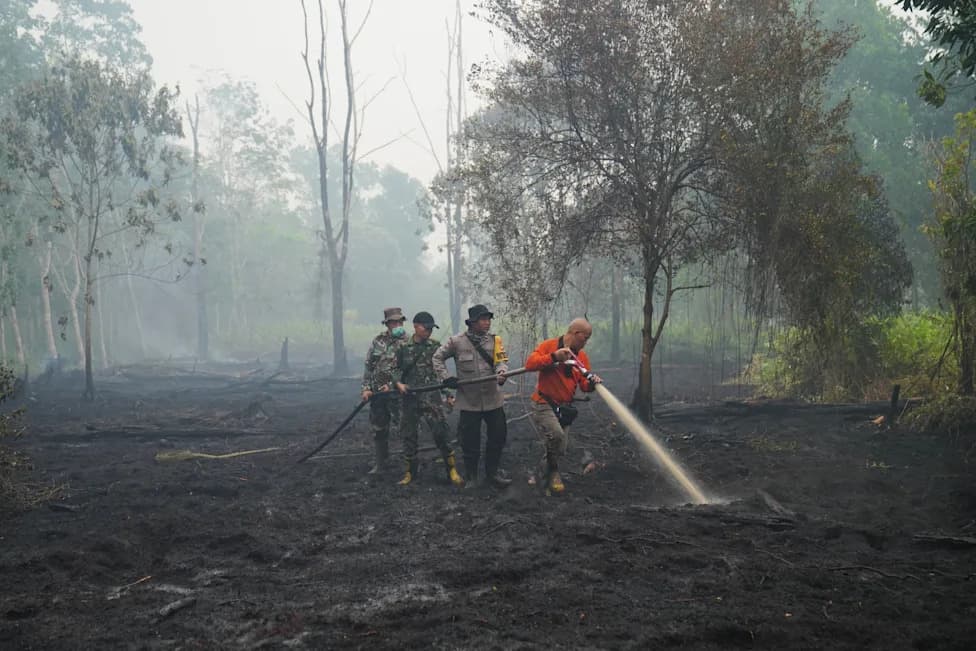
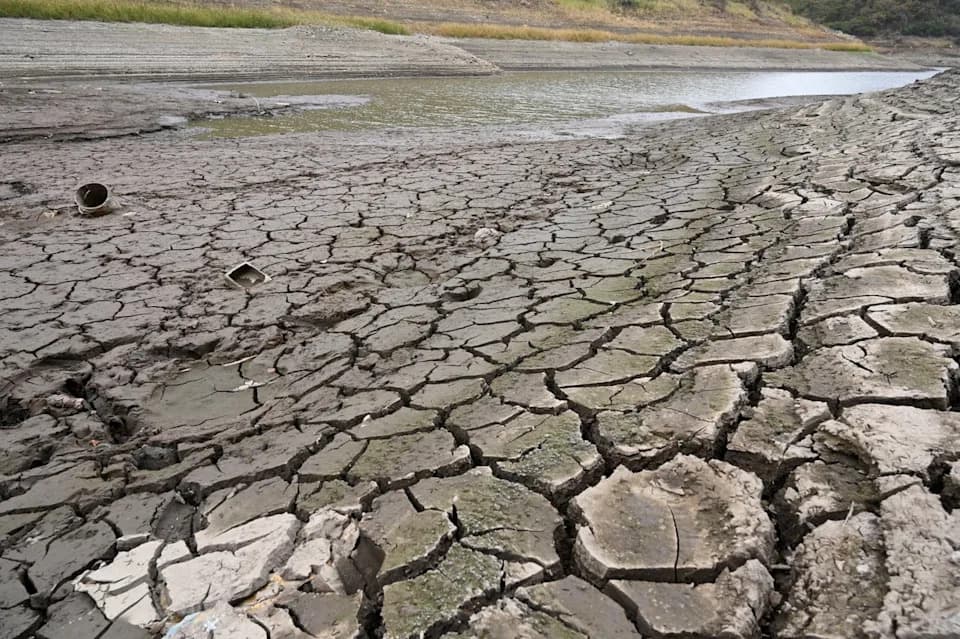
El Niño occurs when surface waters in parts of the equatorial Pacific become warmer than normal. That change can reorganize global weather patterns, increasing the likelihood of extreme heat in some regions while amplifying drought, flood and wildfire risk in others.
“That's on top of the impacts from droughts, wildfires and flooding expected from hotter temperatures and shifting rainfall patterns as this El Niño could become the strongest on record,” the Climate Impact Lab said in a news release.
Timing And Global Context
The U.S. Climate Prediction Center has indicated El Niño could persist into spring, and the World Meteorological Organization has warned this event may become the strongest ever recorded, with peak intensity possible closer to the end of 2026. The projected heat deaths are therefore part of a broader set of risks tied to this powerful climate event.
Practical Steps To Reduce Harm
Researchers emphasize the report is intended to guide governments and humanitarian organizations to prioritize rapid, targeted interventions where they will save the most lives. Recommended measures include:
- Improved heat-warning systems and targeted outreach to vulnerable people
- Designated cooling centers and public hydration points
- Protections and schedule adjustments for outdoor workers
- Strengthening health-system surge capacity and emergency response
“The report allows decisionmakers to see exactly where emergency actions can be taken to save tens of thousands of lives in the coming months,” said Climate Impact Lab cofounder Michael Greenstone.
Beyond the numbers, the lab stresses these are lives—parents and children, neighbors, and workers—underscoring the human cost of heat driven by climate variability and change. The pattern is consistent with other findings showing that extreme heat and climate-related health risks disproportionately affect the most vulnerable communities.
Additional Observations
- Across Southeast Asia, unprecedented coastal water temperatures signaled severe conditions in April.
- In Spain, research has shown that lower-income groups faced higher mortality risk during heat waves.
- Scientists warn this El Niño could push weather extremes beyond what past events produced, increasing hazards worldwide.
Policymakers and aid groups are urged to use these projections to accelerate protective measures now, especially in the highest-risk countries and communities.
Help us improve.