Proposition 316 would require cities with grocery-tax rates at or below 2% to obtain voter approval before adopting or increasing grocery taxes. Supporters say the change protects shoppers from tax hikes; municipal leaders warn it could limit flexible revenue for essential services, particularly in small and rural towns. Examples like Bisbee (3.5% grocery tax generating roughly $700,000 annually) highlight how local budgets and visitor-shifted costs could be affected.
Prop. 316 Could Curb Grocery Tax Hikes — But Leave Holes In Arizona City Budgets
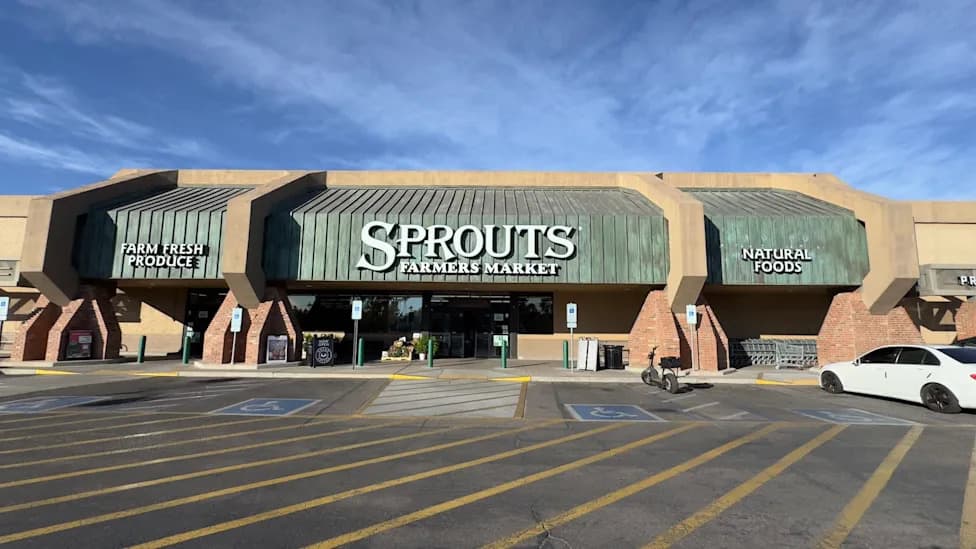
Photo Credit: iStock
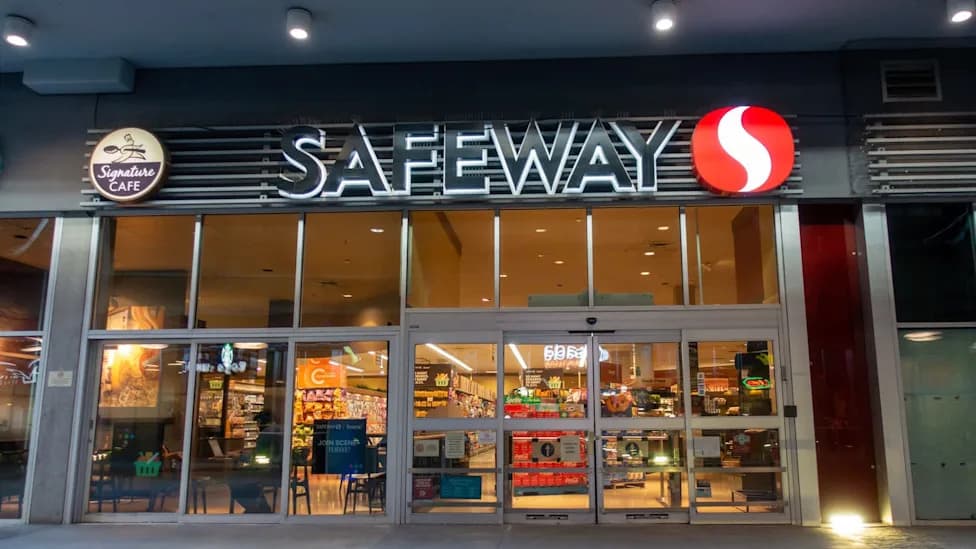
Arizona voters will decide in November whether cities with grocery-tax rates at or below 2% must get resident approval before creating or raising grocery taxes. Supporters say the measure protects shoppers from future tax hikes as living costs rise; local leaders warn it could reduce flexible, dependable revenue for essential services.
What Proposition 316 Would Do
According to the Arizona Mirror, Proposition 316 would require any city with a grocery tax rate of 2% or less to put any new grocery tax or increase to a public vote. The change would not immediately cut existing rates in cities already charging more than 2%, but it would restrict how municipalities with low rates can raise revenue going forward.
Why Local Officials Are Concerned
City leaders say the measure could limit municipal flexibility when budgets tighten, a problem that is often most acute in smaller and rural towns. Officials argue that voter approval requirements could slow or block responses to emergencies or costly infrastructure projects that require quick funding decisions.
“The original conversation for years has been to entirely remove this. Lobbying multiple times with other mayors, this seemed (like) something that can accomplish the state's goals concerning food taxes as well as the cities' goals concerning protecting a revenue source. It was kind of an uneasy win-win,” said Chandler Mayor Kevin Hartke, president of the League of Arizona Cities and Towns.
Examples From Small Towns
Some of the highest grocery-tax rates are found in smaller communities. Taylor charges a 3% grocery tax, while Bisbee's rate is 3.5%. Bisbee Mayor Ken Budge says that tax yields roughly $700,000 a year for a city with an annual budget of about $9 million and is used for infrastructure upgrades and wastewater treatment. Budge also notes that such taxes shift part of the cost to visitors rather than placing the entire burden on residents.
Officials in Page caution that restricting steady, resident-generated revenue sources like rental and grocery taxes could force greater reliance on tourism-related collections, which fell in FY26: hotel and lodging tax receipts dropped 7.4% and amusement tax receipts fell 15.4%.
History And The Debate
Since 2023, Republican lawmakers have pushed versions of proposals to limit grocery taxes as part of a cost-of-living agenda. An earlier bill that would have eliminated grocery taxes statewide was vetoed by Governor Katie Hobbs after municipal opposition. City officials say their lobbying helped transform the plan into the current compromise on the ballot.
Supporters of Prop. 316 emphasize consumer protection from future grocery-tax increases. Critics counter that it removes decision-making power from the communities closest to local needs, especially when quick action is required for emergencies or major projects.
“Why should the state be able to tell local governments and their residents how much and how they are willing to be taxed to support their town? Let these decisions be made by the people that are affected, not by state representatives trying to make one size fit all municipalities,” Mayor Ken Budge said in an emailed statement.
Why It Matters
The outcome will shape how Arizona cities balance consumer protection against local fiscal autonomy. Voters will weigh whether limiting the ability of local governments to raise grocery taxes is worth the potential trade-offs in funding for fire trucks, wastewater systems, road repairs and other essential services.
The story is part of a broader national conversation about local taxes, fees and regulations that affect consumers and retailers, from bag fees to bans on single-use plastic bags and restrictions on service ware.
Help us improve.