Iranian FM Abbas Araghchi said Tehran has offered Washington a deal — delivered via Qatar and tied to a 14-point June MOU — that could reopen the Strait of Hormuz within seven days if specific conditions are met. The MOU sought a ceasefire, nuclear restraint, sanctions relief and commitments to secure commercial shipping, but the accord collapsed after renewed strikes. Shipping has been disrupted (about 20% of global oil/LNG transited the strait pre-crisis), and mediators say talks are ongoing. Rising Houthi attacks in the Red Sea add a further regional threat.
Iran Says It Offered US Deal To Reopen Strait Of Hormuz Within Seven Days
[Bloomberg via Getty Images]
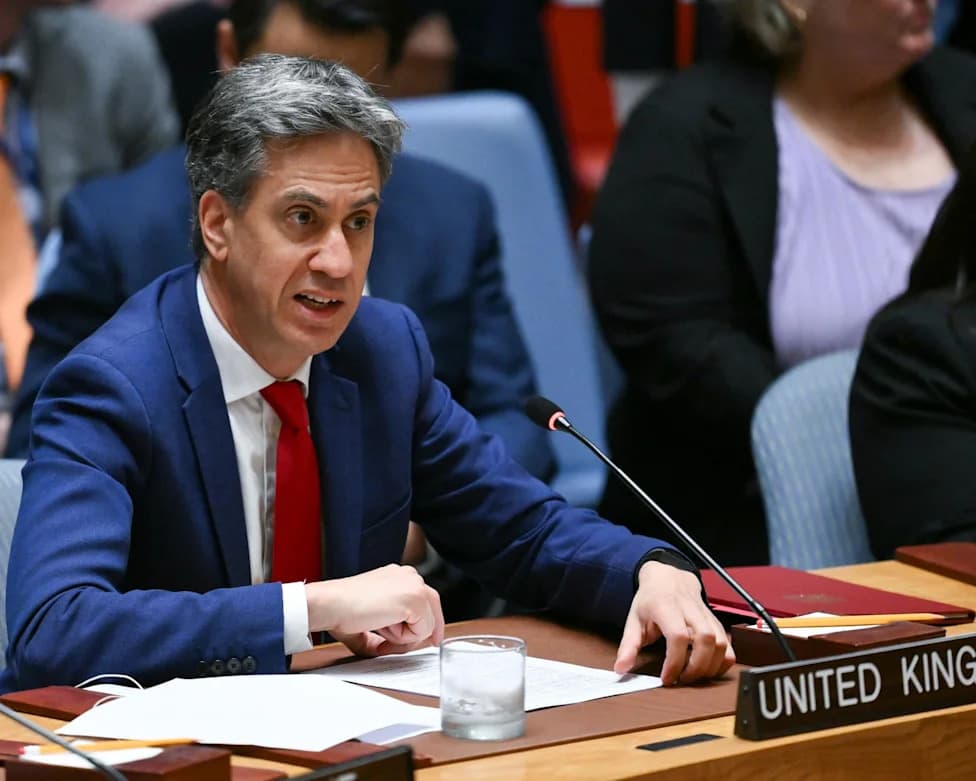
Tehran says it has presented Washington with a proposal — delivered via mediators in Qatar — that could restore normal commercial passage through the strategic Strait of Hormuz within seven days if conditions set out in a June memorandum of understanding (MOU) are met.
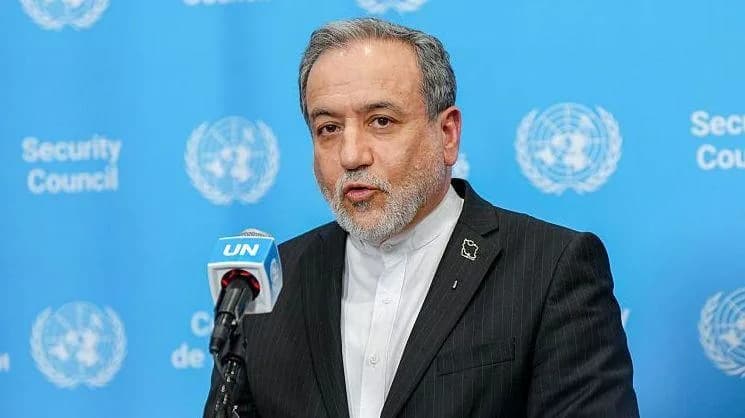
What Iran Says: Iranian Foreign Minister Abbas Araghchi told reporters at the United Nations in New York that the proposal refers to terms laid out in a 14-point MOU signed on 18 June. He said the steps Iran expects from the United States are contained in that agreement and that Tehran is prepared to move quickly if the US shows seriousness.
"If the necessary conditions are met, the strait can be reopened, a normal maritime passage restored within seven days," Araghchi said.
US Response And Mediation
A US official told the BBC that mediators, including Qatar, were facilitating "positive" discussions that also touch on nuclear issues. The official added the United States remains in a "very strong position with control of the Strait of Hormuz," and therefore is not rushing to finalise an agreement.
Background: The MOU And Recent Hostilities
The June MOU was a 14-point framework intended to bring about a ceasefire and at least partially reopen the strait. It reportedly included commitments that Iran would not pursue a nuclear weapon, that parties would end military operations "on all fronts," and provisions for lifting certain blockades and sanctions relief. The agreement also called on Iran to "make arrangements using its best efforts for the safe passage of commercial vessels" and to hold talks with Oman on shipping arrangements.
[BBC]
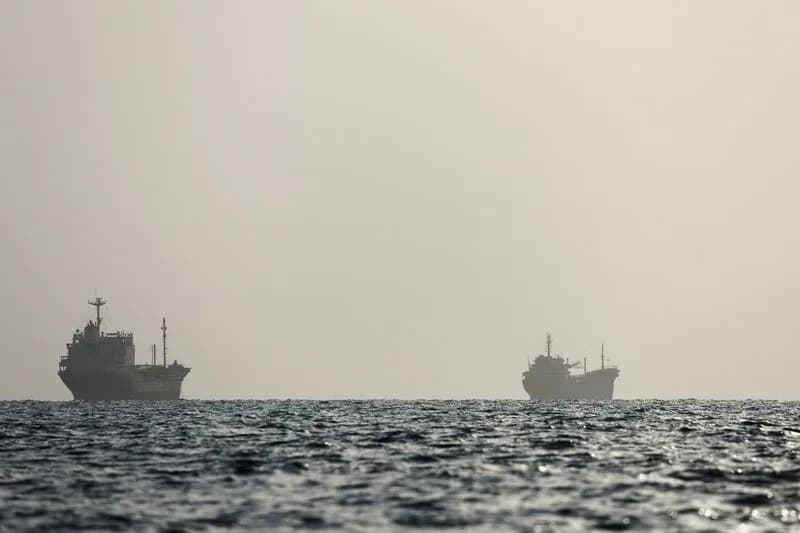
That accord unraveled after renewed strikes by both sides. The recent period of hostilities has included air strikes and retaliatory attacks targeting military sites, bases and vessels, and Iran has said it will intercept ships it alleges attempt to cross the strait without permission. The situation has disrupted shipping and shaken energy markets.
Impact On Global Energy And Shipping
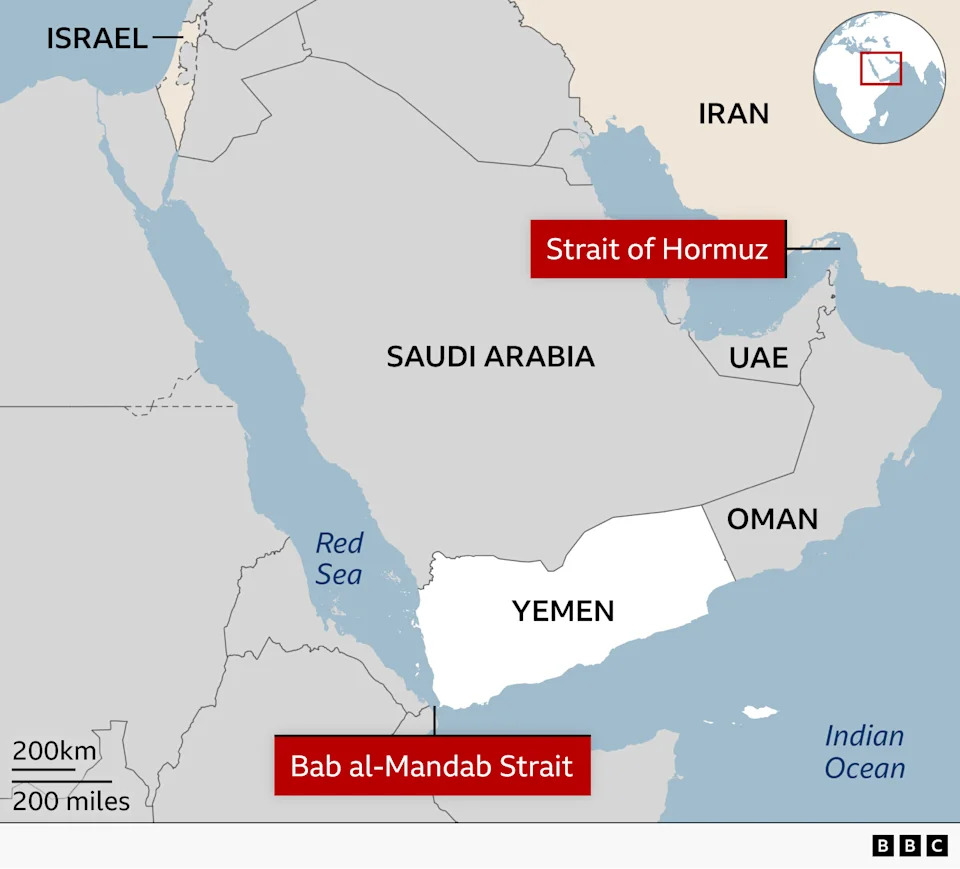
Before the crisis, about 20% of the world’s oil and liquefied natural gas transited the Strait of Hormuz. Shipping analytics firm Kpler reported a recent 10-day average of roughly 18 transits per day, with daily counts falling as low as nine on some days — a sign of tightened traffic and continued volatility in energy markets.
Wider Regional Risks
Complicating the picture, Yemen’s Houthi forces — allied with Iran — have intensified attacks aimed at disrupting Saudi oil exports through the Red Sea. In a rapid offensive this month, the group seized stretches of Red Sea coastline, including the port of Mokha near the Bab al-Mandab Strait, creating an additional threat to global shipping routes. Houthi strikes on Saudi oil infrastructure have reportedly led Riyadh to seek further security support.
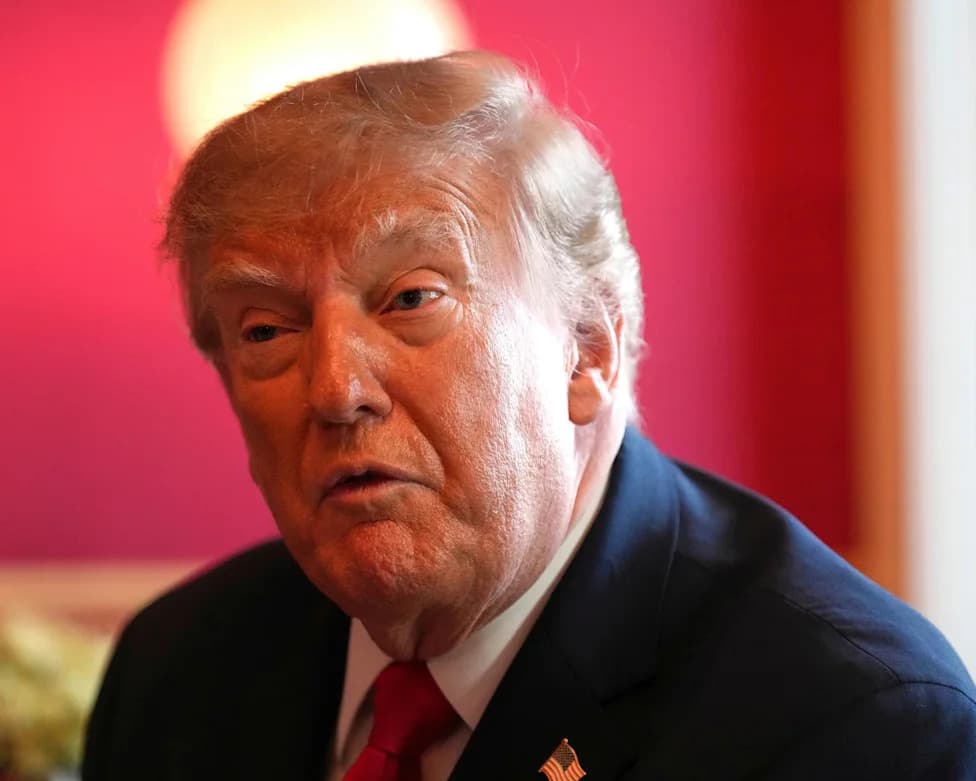
At the UN General Assembly this week, US President Donald Trump said he faced a choice between a deal or confronting Iran militarily, declaring he would not "give them a chance to kill and destroy people and countries again." Araghchi responded that Iran rejects "coercion, threats or intimidation," adding, "peace cannot be built through threats of annihilation."
What Happens Next: Araghchi said the decision now "rests with the United States." Officials on both sides are reported to be engaging through intermediaries, and any swift reopening of the strait would depend on agreement over the MOU conditions and steps both parties are willing to take.
Help us improve.