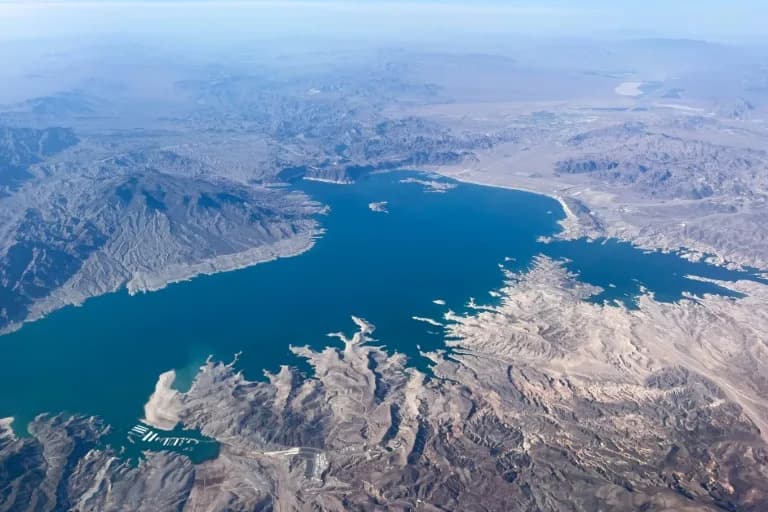
Researchers warn a federal plan could reduce Lower Basin Colorado River deliveries by about 40% annually from 2028–2036. Arizona — especially Phoenix and Tucson — would face costly, historically large reductions to maintain municipal water supplies. The proposal raises fairness questions because the Upper Basin would face no mandatory cuts, and the study points to agriculture as a major source of additional savings. Cities say taps can be kept flowing, but the fixes will be expensive and politically difficult.
Arizona Warns: Federal Plan Could Force Unprecedented 40% Colorado River Cuts Affecting Phoenix And Tucson
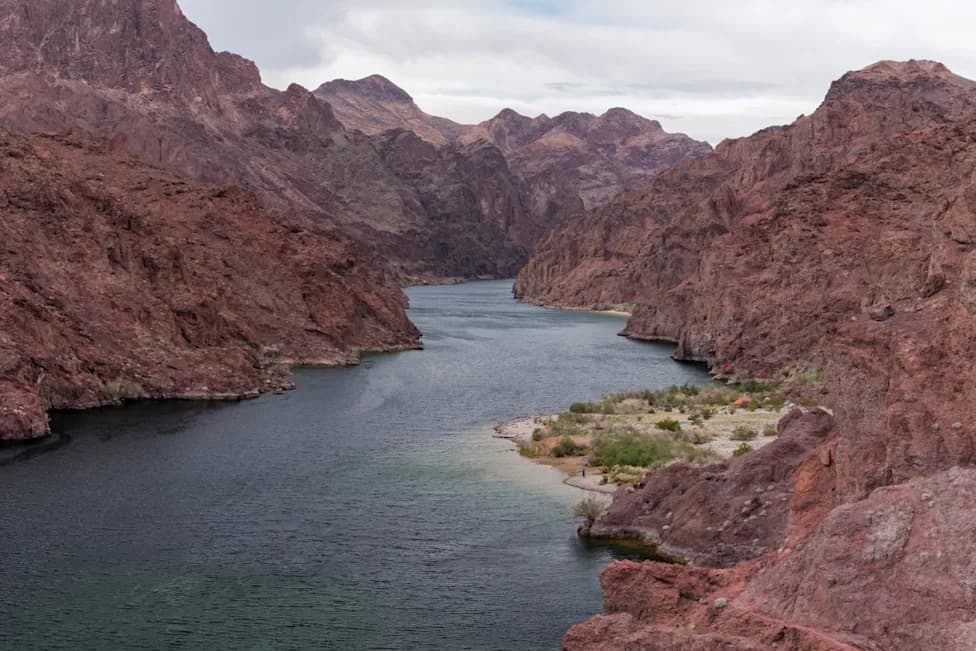
Photo Credit: iStock
Independent researchers warn a federal proposal to reduce Colorado River deliveries could force the Lower Basin to cut supplies by roughly 40% annually from 2028 through 2036 — a scale of reductions experts call unprecedented and potentially costly for Arizona communities that rely on the river, especially Phoenix and Tucson.
What The Federal Proposal Would Do
The federal plan, prompted after basin states failed to agree on their own cutbacks, would sharply reduce Lower Basin deliveries. At its most severe, annual totals would fall to levels "not seen since 1935," according to reporting on the study. Short-term agreements already negotiated by Arizona trim deliveries about 20% for 2026–2027, but the federal framework contemplates much steeper reductions starting in 2028.
Why Experts Call The Cuts "Unprecedented"
Jack Schmidt, a co-author of the study and a Colorado River researcher at Utah State University's Center for Colorado River Studies, said the scale of the proposed cuts is extraordinary:
"To achieve those kind of cuts would be completely unprecedented in the Lower Basin... the economic impacts of implementing those kind of very large numbers, for which there's no historical analogy, would be very serious issues."
Impact On Arizona — Cities, Farms, And The Central Arizona Project
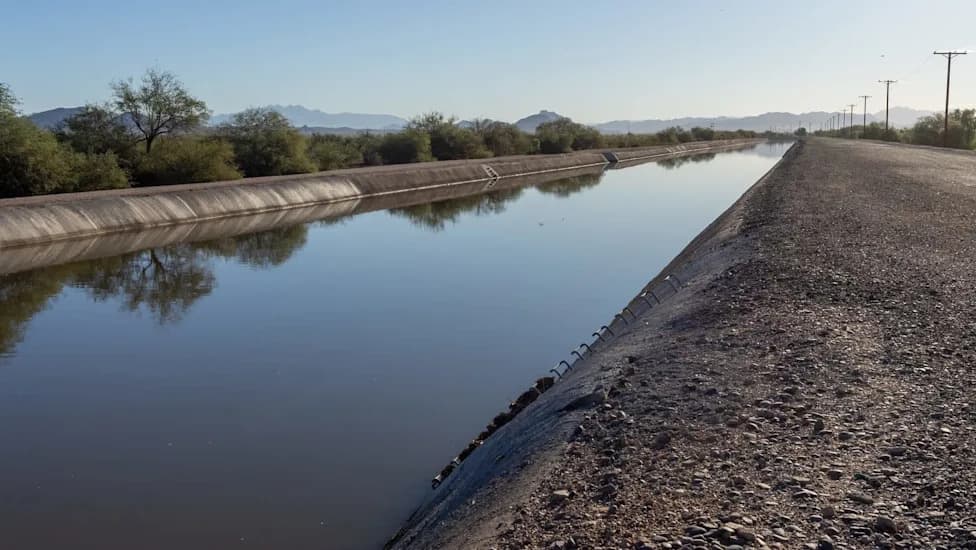
Arizona's Central Arizona Project (CAP), the canal system that delivers water to Phoenix, Tucson and surrounding suburbs, has already reduced deliveries: CAP use has declined roughly 40% since 2022. Meanwhile, other Arizona users — largely agricultural operations — have only reduced use by about 6% over the same period. Researchers say additional statewide cuts will be necessary so CAP does not shoulder nearly all reductions.
Upper Basin vs. Lower Basin: A Central Dispute
A major point of contention is fairness across the basin. The federal approach would not impose mandatory cuts on Upper Basin states (Colorado, Utah, Wyoming, New Mexico) even as Lower Basin users are asked to accept historic decreases. Schmidt and others argue this imbalance is politically and practically difficult to justify.
Agriculture And Other Conservation Opportunities
The study identifies agriculture as a key area for further savings. For example, Southern California's Imperial Irrigation District could reduce summer irrigation for field crops such as alfalfa while protecting winter vegetable production. Shifting crop schedules, fallowing, or incentivizing reduced irrigation are among the tools analysts say could help.
Costs, Contingencies, And Next Steps
City leaders say municipal taps can be kept flowing with engineering, legal, and financial measures, but those steps would be expensive. Arizona is also exploring long-term backstops, including a proposed Pacific desalination water swap. Federal officials have extended 18 critical agreements designed to stabilize river management while negotiations continue.
What To Watch
- Whether negotiations produce a basin-wide agreement that shares cuts more evenly.
- State and agricultural responses to proposed reductions — including conservation programs and crop-shifting incentives.
- Implementation timelines and federal rulemaking that could begin reductions as early as 2028.
Decisions made across the Colorado River basin over the coming months will shape water availability and costs for millions of Arizonans. Policymakers, water managers, farmers, and city residents will be watching closely as federal and interstate talks unfold.
Help us improve.