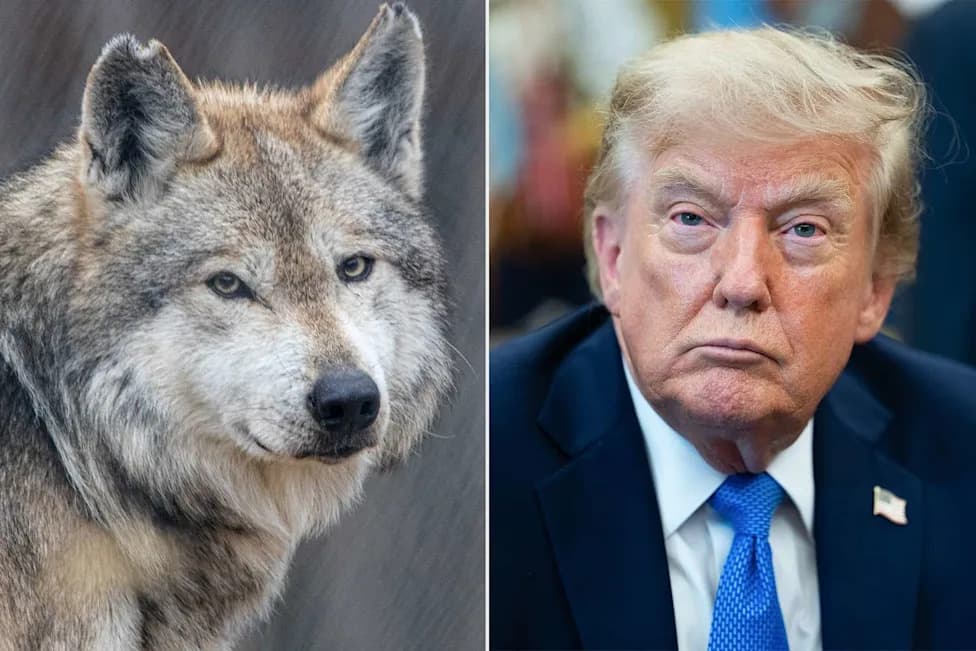
Donald Trump used a fiery UN appearance to threaten Iran even as his domestic standing weakens. Federal courts, slipping approval ratings, economic pressures and growing discomfort among Republican lawmakers have narrowed his room to maneuver 20 months into his second term. Allies tout policy achievements, but critics warn that a sidelined president may resort to more dramatic or unilateral measures. If Democrats regain the House, planned investigations could further escalate tensions in Washington.
“The Weaker He Gets, The More Dangerous He Becomes”: Trump Lashes Out As His Power Erodes

There is a widening gap between the president's self-perceived invincibility and the reality of his waning influence.Illustration: Guardian Design / Getty Images
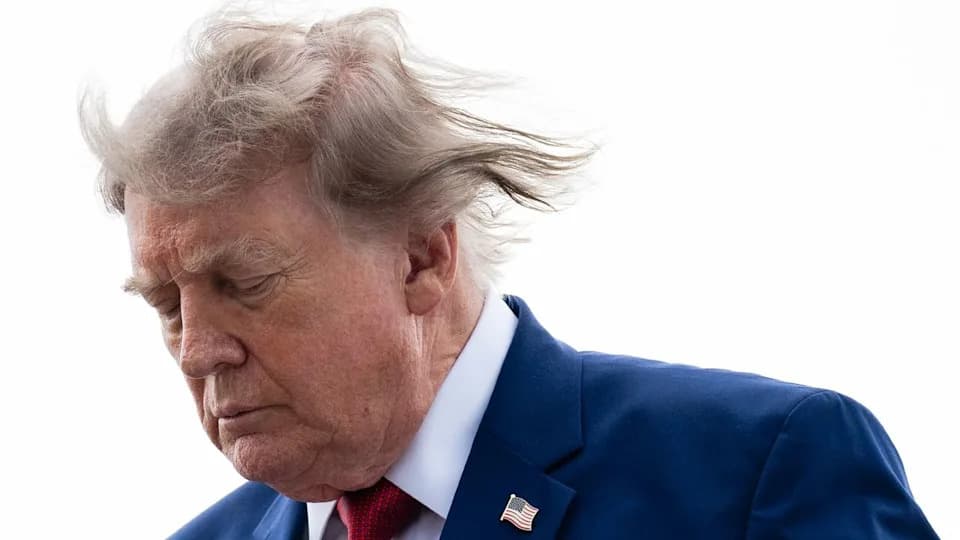
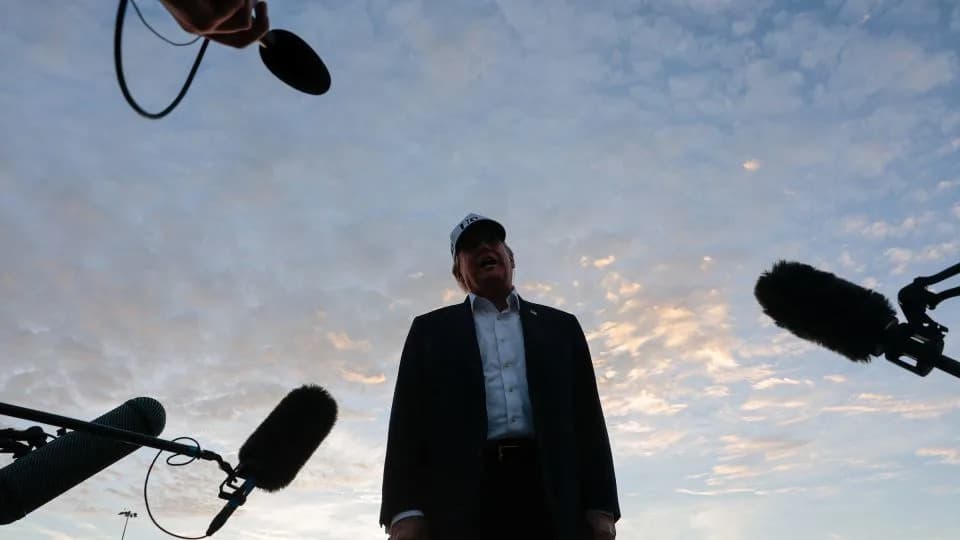
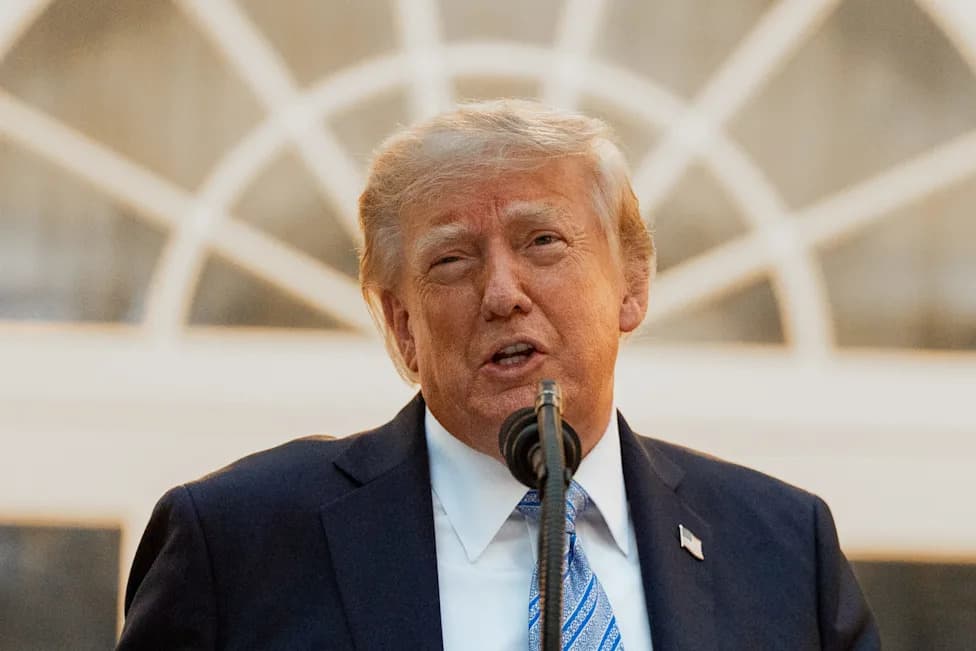
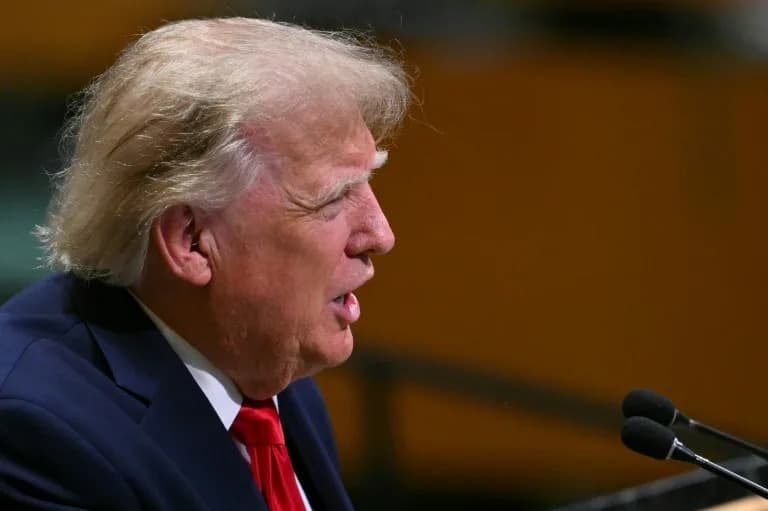
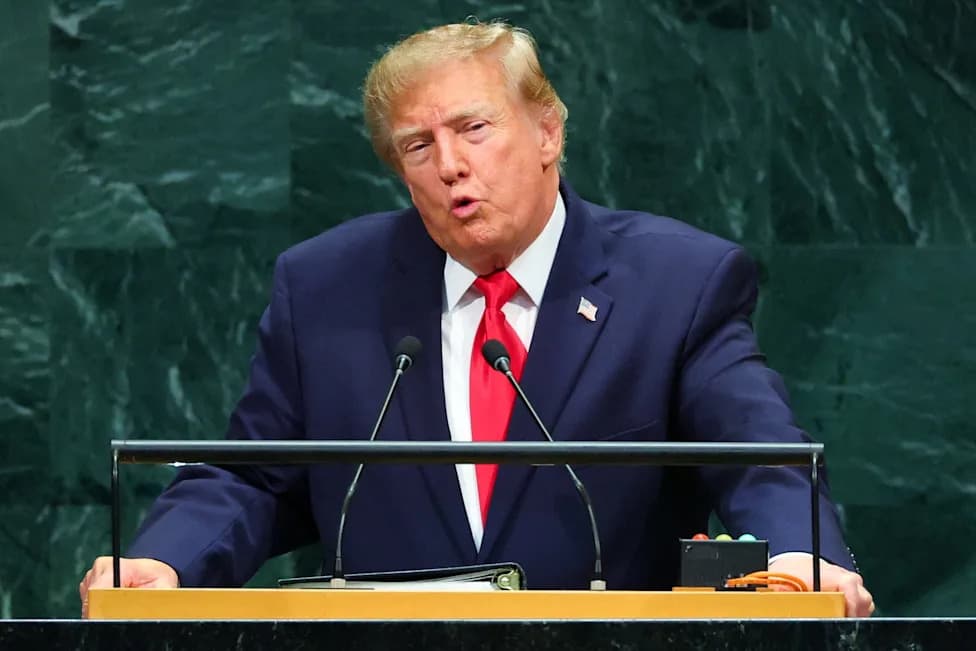
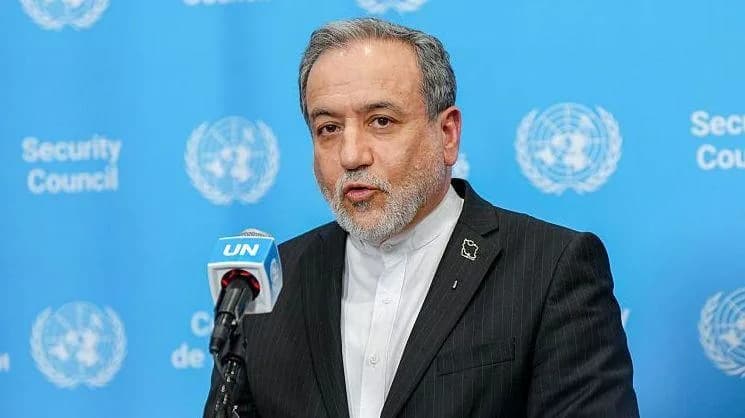
Donald Trump stood at the United Nations on Tuesday and vowed to "annihilate" Iran — a show of global force that did little to conceal mounting strains at home. As he entered the UN headquarters in New York, the 80-year-old president snapped at CNN correspondent Kaitlan Collins, saying, "I'm surprised that CNN is here covering me. You should not be here covering me." The exchange underscored a growing tension between theatrical displays of authority and real limits on his influence.
Courts, Polls and Political Headwinds
Twenty months into his second term, Mr. Trump's self-image as all-powerful is colliding with concrete constraints. Federal courts and the Supreme Court have rebuffed several administration actions, including attempts to restrict mail-in ballots ahead of the midterms and to bar some news outlets from White House grounds. One judge blocked his effort to affix his name to the Kennedy Center, prompting an outspoken threat against the arts complex.
Economic pressures — persistent inflation, rising fuel prices and the political fallout from an unpopular conflict with Iran — have contributed to sagging approval ratings. The Federal Reserve also resisted White House pressure on interest rates, further frustrating the administration's attempts to portray a successful domestic agenda.
Fractures Within the GOP
Even within the Republican Party, loyalty is fraying. With control of Congress at stake in November, some Republicans are recalibrating. In Florida, gubernatorial candidate Byron Donalds quietly removed most references to Mr. Trump from his campaign website, and Congresswoman María Elvira Salazar ran ads criticizing federal immigration enforcement and warning that Latino voters "feel betrayed."
"This is the beginning of the end. This is the decline," said longtime Republican strategist Rick Wilson. "There's no political upside from a president who is at 29% approval rating in some polls... The voters now have very much put that together."
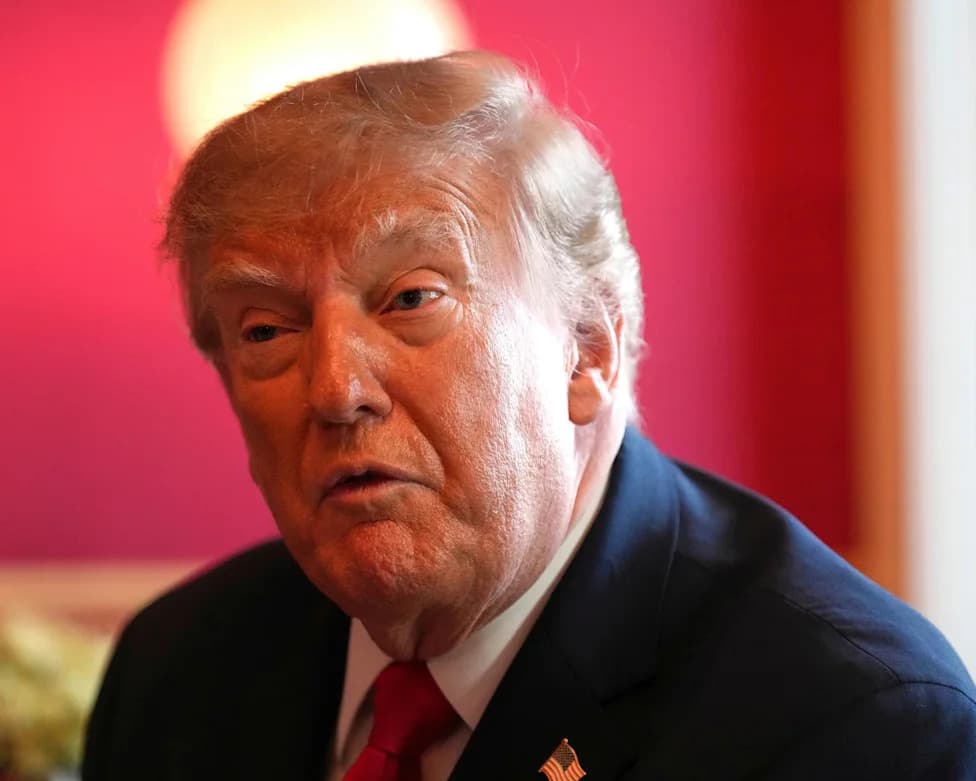
Wilson and other critics argue a feedback loop is forming: the more Mr. Trump becomes an electoral liability, the more he lashes out, demanding loyalty he increasingly cannot secure.
Administration Response
The White House disputes that characterization. Spokesperson Davis Ingle said in an emailed statement that "President Trump is the unequivocal leader, best messenger, and unmatched motivator for the Republican Party," and highlighted the administration's record on tax cuts, prescription drug costs, border enforcement, energy production and private-sector job growth.
What Comes Next?
If Democrats reclaim the House next year, they have indicated plans for aggressive oversight and investigations into alleged abuses of power, patronage and other actions by the administration. Meanwhile, attention will gradually shift toward the 2028 presidential landscape, potentially intensifying rivalries within the GOP.
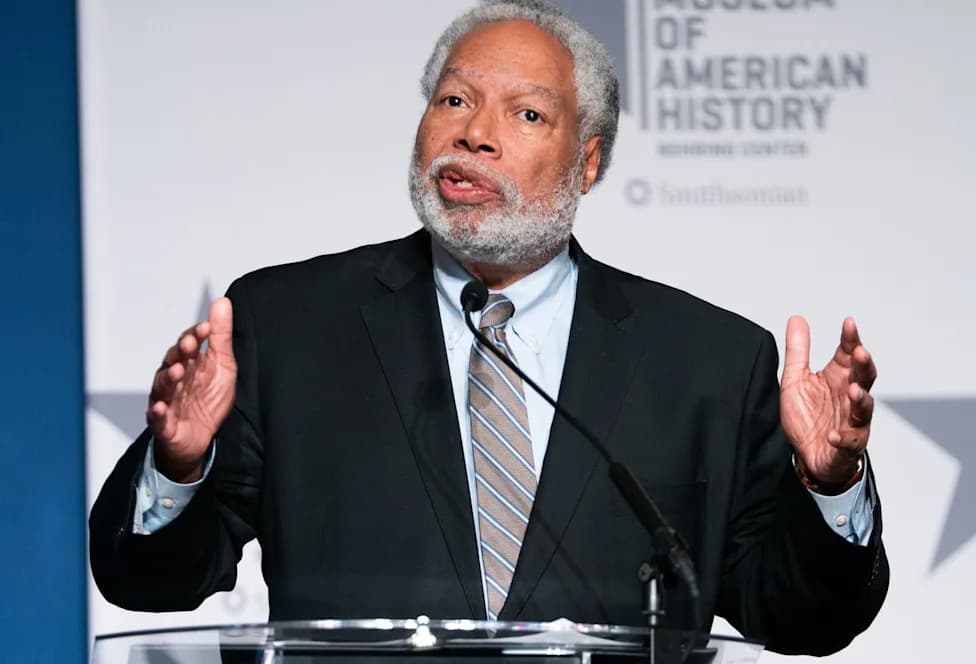
Scholars and commentators warn that a president who feels cornered may turn to unilateral executive measures. Bill Galston of the Brookings Institution noted the psychological toll of losing the spotlight: "The prospect of passing the torch, giving up the spotlight, is intensely painful for him. It's his oxygen." Similarly, historian Allan Lichtman called out what he views as the classic perils of a troubled second term, while conservative commentator Charlie Sykes warned: "Donald Trump fears irrelevance more than anything and he'll rage against it as long as he can. The paradox is the weaker he gets, the more dangerous he gets."
Whether through heightened rhetoric, dramatic gestures or expanded use of executive authority, the coming months may see Mr. Trump rely more heavily on tools he can wield without congressional consent — a development that opponents say is alarming and that allies dismiss as political noise.
Help us improve.