Summary: Fighting has resumed in Ethiopia's Tigray region, threatening to unravel the Pretoria peace deal signed in 2022. A coalition led by the TPLF and six opposition groups, including Amhara Fano and the Oromo Liberation Army, raises the prospect of coordinated multi‑front fighting. Analysts warn the accord is "on life support" and fear the violence could spread to other regions and draw in Eritrea, deepening an already severe humanitarian crisis.
Ethiopia on the Brink: Fighting Resumes in Tigray and Threatens Wider War

FILE - Ethiopian Prime Minister Abiy Ahmed Ali attends a session at the World Atomic Week forum at the Exhibition of Achievements of National Economy (VDNKh) in Moscow, Russia, Thursday, Sept. 25, 2025. (Sergei Bulkin, Sputnik, Kremlin Pool Photo via AP, File)(Sergei Bulkin/Pool Sputnik Kremlin via AP)
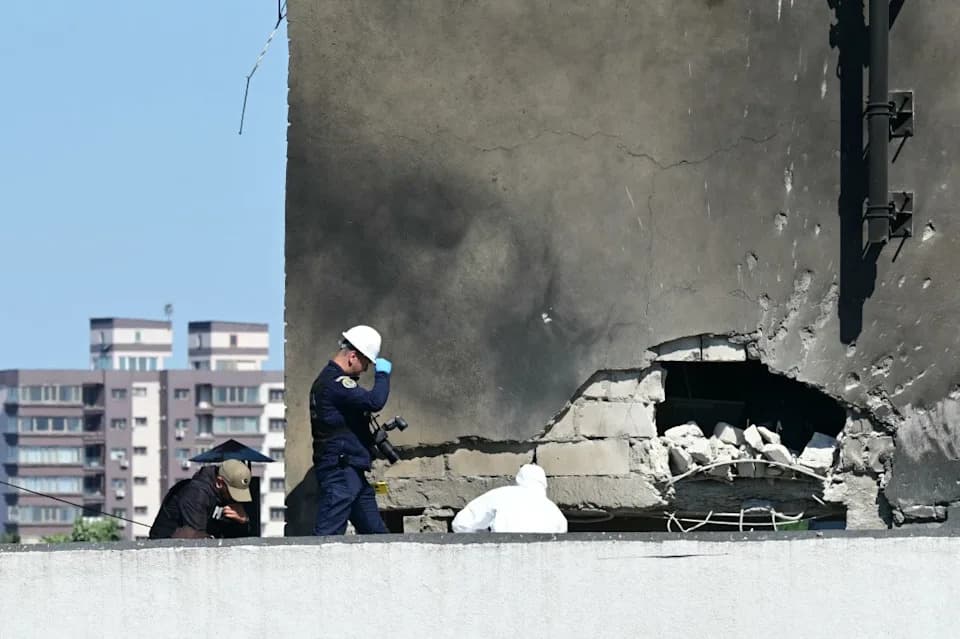
NAIROBI, Kenya (AP) — Fighting has flared again in Ethiopia's Tigray region, raising fears that the Pretoria peace agreement that ended intense fighting in 2022 could collapse and that the violence could spread to other parts of the country and beyond.
Five Things To Know
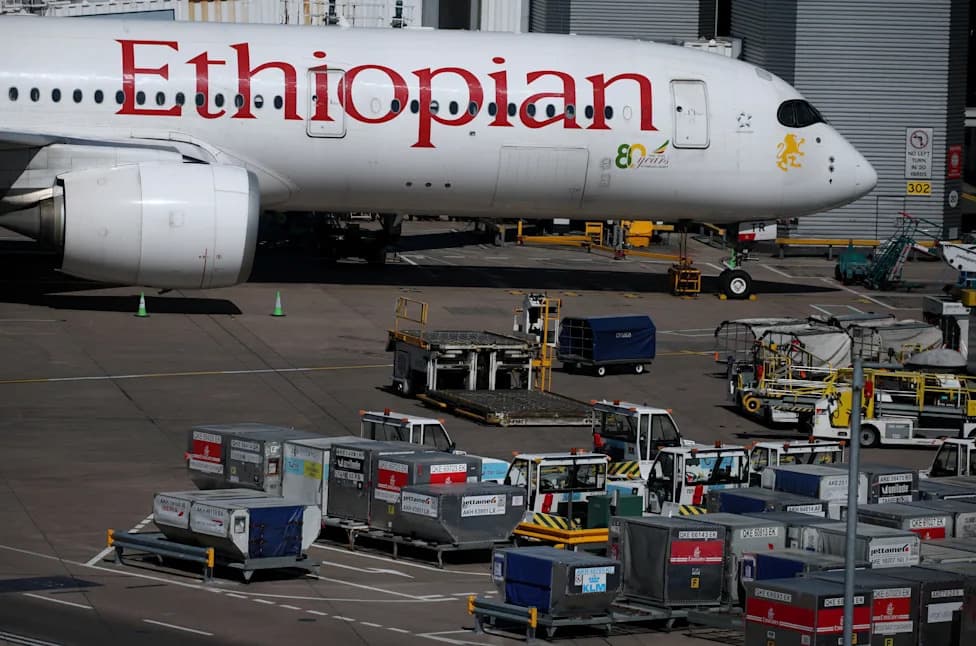
1. Fighting Has Restarted — Federal and Tigrayan forces accuse one another of reigniting hostilities nearly four years after the Pretoria agreement. Tigrayan forces reportedly seized Mekelle airport this week, and Ethiopian Airlines suspended flights to the region. Residents told The Associated Press that roads linking Tigray and Afar were closed; AP could not independently confirm all of these reports. Internet monitor NetBlocks recorded disruptions across northern Ethiopia, reviving memories of the earlier war when Tigray was isolated and civilians struggled to obtain food, medicine and reliable information.
2. A Broad Opposition Coalition Has Formed — The Tigray People's Liberation Front (TPLF) has joined six other opposition groups in an alliance aimed at removing Prime Minister Abiy Ahmed's government. Members reportedly include the Amhara Fano National Movement and the Oromo Liberation Army, which had been on opposing sides in the prior conflict.
3. Risk Of Coordinated, Multi‑Front Fighting — Magnus Taylor, deputy project director for the Horn of Africa at the International Crisis Group, described the alliance as combining political opposition to Prime Minister Abiy with an "opportunistic military alliance." If these groups coordinate effectively, federal forces could be forced to fight on multiple fronts. However, deep territorial disputes and longstanding grievances raise doubts about the partners' ability to sustain unified military operations.
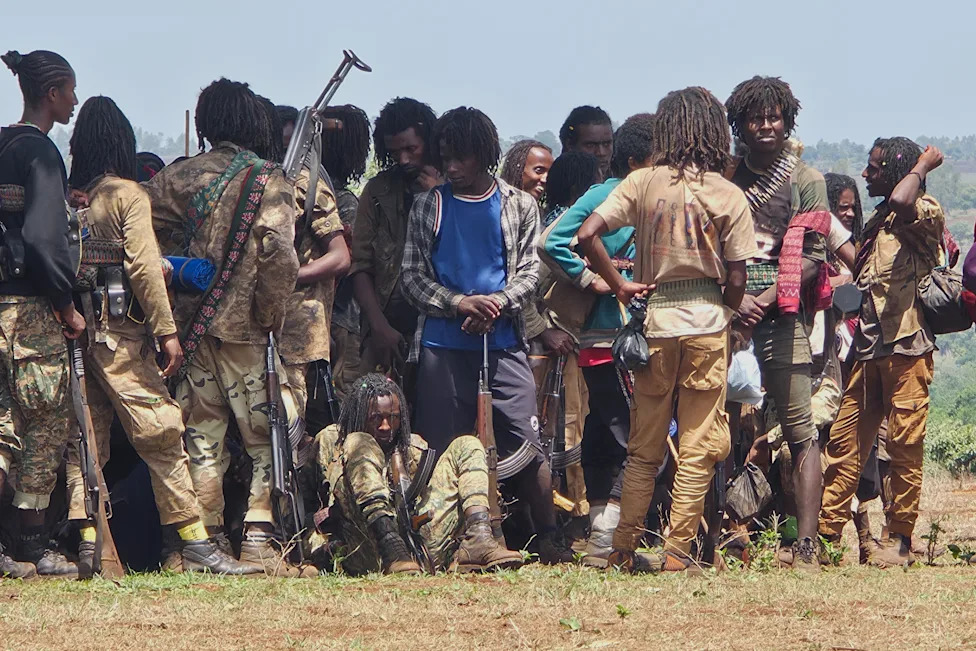
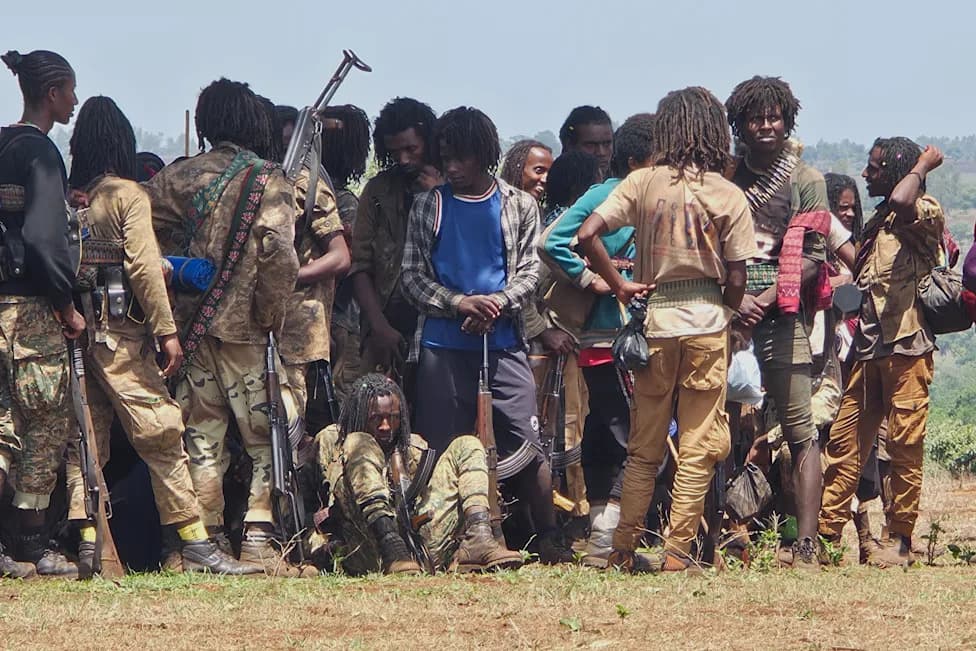
FILE - Oromo Liberation Army (OLA) fighters attend an orientation session in western Oromia, Ethiopia, June 2, 2025. (AP Photo, File)(AP Photo/)
4. The Pretoria Agreement Is Under Strain — The 2022 deal ended major combat but left unresolved issues over territory, security arrangements and accountability. Taylor said the accord was "on life support," and a TPLF spokesman told the AP the agreement was no longer valid. Human Rights Watch regional director Laetitia Bader said key provisions had been violated for years and pointed to ongoing abuses, including what the organization describes as forced expulsions of ethnic Tigrayans from parts of western Tigray; AP could not independently verify those claims.
5. Danger Of Regional Escalation And A Deepening Humanitarian Crisis — Eritrean troops fought alongside Ethiopia's federal forces in the earlier Tigray war, and relations between Addis Ababa and Asmara have since deteriorated. Ethiopia accuses Eritrea of backing armed opponents, while Eritrea accuses Addis Ababa of preparing for conflict as Ethiopia seeks greater Red Sea access. Analysts warn that renewed fighting could draw Eritrea in and create a second regional conflict alongside the catastrophic war in Sudan.
Researchers at Ghent University have estimated that the previous conflict caused roughly 500,000 civilian deaths in Tigray, most of which they attribute to famine and the collapse of health services rather than direct violence. The fighting also displaced millions across northern Ethiopia, and hunger-related deaths continued to be documented after the ceasefire. Experts warn that renewed hostilities, plus transport and communications restrictions, could quickly interrupt deliveries of food and medicine and make civilian suffering harder to monitor and document.
What It Would Take To Prevent Wider War — Analysts say preventing a broader conflagration will require an immediate halt to the fighting, renewed negotiations, and sustained international pressure to address the underlying disputes over territory, security arrangements and accountability before separate conflicts converge.
Help us improve.