Texas is pursuing property-tax relief, but experts warn the debate often overlooks who already pays the most. Studies show Texas has one of the most regressive state and local tax systems, with lower-income households paying a larger share of income in property taxes than the wealthy. Missing sales data and inconsistent assessments, especially for high-end and off-MLS transactions, can cause lower-priced homes to be taxed more heavily relative to value, compounding inequity. Effective reform must shrink bills and fix assessment fairness.
How Texas' Property Tax System Can Favor the Wealthy Twice — And Shift the Burden
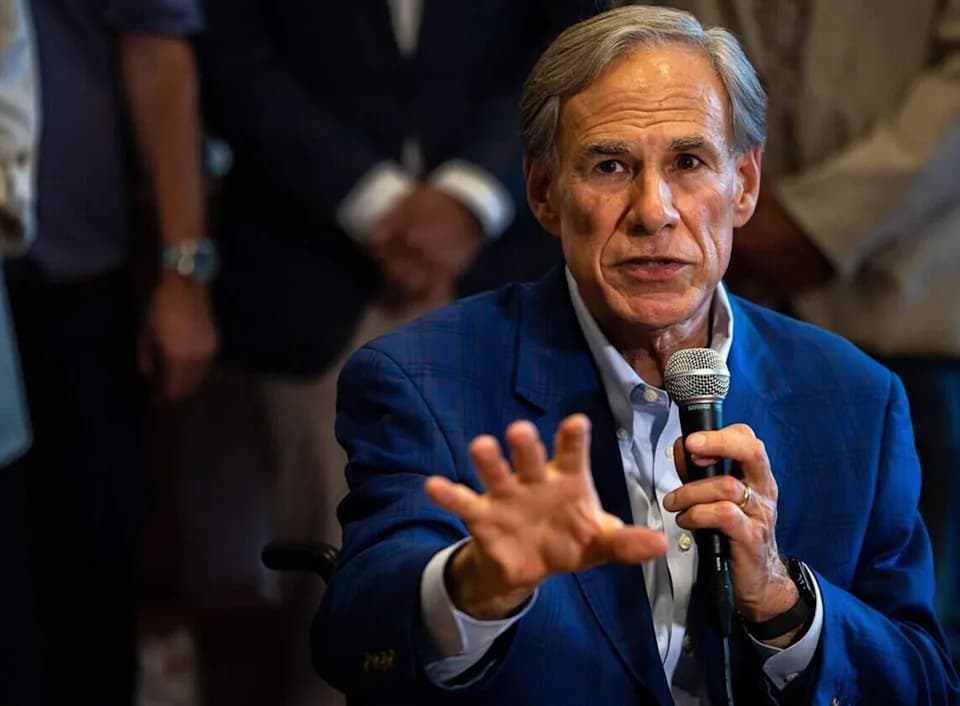
"Texans shouldn't be taxed out of their homes," Gov. Greg Abbottsaid in Junewhile calling for an overhaul of the state's property-tax system. Abbott has pushed for lower tax burdens and greater predictability in appraisals (Elvis Martinez-Cartagena/Fort Worth Star-Telegram/Tribune News Service via Getty Images))
Texas is again debating ways to lower property taxes. On Sept. 15 the Texas House Ways & Means Committee will study options to expand property tax relief, while Gov. Greg Abbott is promoting an affordability agenda he says would save the average homeowner roughly $3,000 a year. But experts warn that the bigger question is who is already bearing the burden.
Regressive Tax Structure
Research from the Institute on Taxation and Economic Policy (ITEP) ranks Texas among the most regressive state and local tax systems in the country. Property taxes are a major reason. ITEP estimates that families in the bottom 20 percent of earners pay about 4.5 percent of their income in property taxes, while the top 1 percent pay about 2.7 percent.
Neva Butkus, a senior analyst at ITEP, says lower- and middle-income households are asked to contribute larger shares of their income than wealthier households.
Why Property Taxes Can Be Regressive
A state without a personal income tax, like Texas, relies more heavily on property and consumption taxes. A progressive income tax would require higher earners to contribute a larger share of income, but property taxes are levied on assets regardless of an owner s current income or liquidity. For many middle-income families, home equity is the bulk of their net worth, while the wealthiest households hold more diversified assets.
Consider two examples: a household earning $80,000 annually would need roughly 4.6 years of income to afford a median-priced home of $365,000, while a household earning about $744,000 a year (roughly the top 1 percent threshold in Texas) could buy a $750,000 home for about one year of income. In Austin, luxury homes beginning around $1.3 million are still close to twice a top earner s annual income. Those differences make property-tax bills proportionally heavier for many middle- and lower-income homeowners.
Assessment Practices Can Compound Inequality
Property taxes become still more regressive when lower-priced homes are assessed at higher percentages of true market value than high-priced homes. Marya Crigler, former chief appraiser at the Travis Central Appraisal District, illustrates: if a $300,000 house is assessed near 100 percent of market value but a $3 million house is assessed at 70 percent, the cheaper home carries a larger tax burden relative to its true value. That vertical inequity runs counter to Texas constitutional language requiring equal and uniform taxation proportionate to value.
The University of Chicago s Property Tax Fairness project measures assessment-to-sale-price ratios across market tiers. In the five largest Texas counties, lower-priced homes were assessed more heavily relative to sale prices than the most expensive homes. In Dallas and Bexar counties, for example, the cheapest 10 percent of homes were assessed about 18 percent more heavily relative to sale prices than the priciest 10 percent.
Missing Market Data and Off-MLS Sales
One key reason high-value homes can be underassessed is missing sales information. Texas does not require sale prices to be recorded in the public record. Appraisal districts instead rely on commercial databases, voluntary questionnaires, MLS data where available, protest evidence, and independent appraisals. The state Comptroller notes it cannot evaluate nondisclosed sales because it lacks that data.
High-end properties often generate fewer comparable sales and more private or complex deals, making prices harder to verify. A 2025 analysis by Austin brokerage Berbas Group found off-market transactions rose with neighborhood price, from roughly 15 percent near the median to 30 percent or more in luxury markets. When sale prices disappear from the record or the MLS, appraisal districts can struggle to assemble the quantity and quality of market evidence they have for more moderately priced homes.
Embedded Undervaluation and Persistent Inequity
Information gaps can persist. Texas caps annual appraised-value increases for qualifying homesteads at 10 percent, so an undervaluation in one year may remain embedded in the tax base for many years. That means wealthy owners whose properties are underassessed may effectively pay less for an extended period while middle- and lower-priced homes shoulder relatively higher shares.
Policy Implications
When the state debates property-tax relief, reducing bills without addressing assessment disparities risks preserving a system that advantages wealthier Texans twice: first because of broader tax regressivity, and second because high-value homes can be assessed at lower shares of market value. Gov. Abbott has called for appraisal reforms, warning that rapid appraisals and local tax hikes are eroding savings. But reform should aim both to make bills affordable and to ensure the tax burden is distributed equitably.
Butkus cautions that tax cuts that primarily benefit homeowners can shift costs to others in different ways, and that policymakers must consider who bears the burden now before enacting relief.
Help us improve.