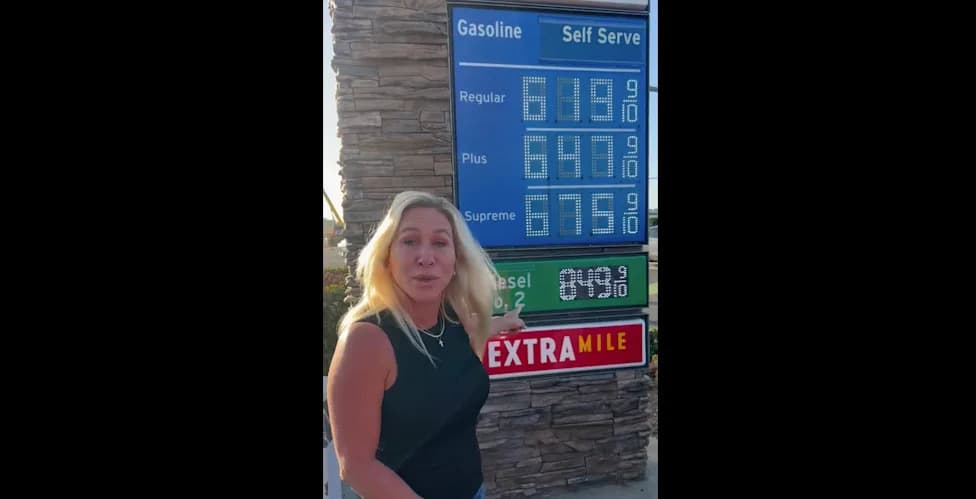
Republican congressional nominee Casey Askar has pledged to introduce legislation to cut federal gasoline and diesel excise taxes if elected, aiming to ease commuting, shipping and grocery expenses for Southwest Florida households. The federal gasoline tax is 18.4 cents per gallon, established in 1932 and last changed in 1993. Supporters say the change would provide immediate relief; critics warn it could reduce incentives for cleaner transport and create a federal revenue gap that lawmakers must address. The proposal adds to a broader national and international debate on balancing short-term cost relief with long-term climate and budget goals.
Florida GOP Nominee Proposes First-Ever Cut to Federal Gas and Diesel Taxes

Photo Credit: Casey Askar
Florida drivers weary of high pump prices are being presented with a new campaign pledge: Republican congressional nominee Casey Askar says he will introduce legislation to reduce the federal excise taxes on gasoline and diesel if elected in November.
What Askar Is Proposing
Askar, the Republican nominee in Florida's 19th Congressional District (which includes Lee and Collier counties), told The Floridian Press he would push a bill to cut the federal fuel excise tax soon after taking office. The federal gasoline tax currently stands at 18.4 cents per gallon. Established in 1932, the levy has never been reduced, and the last change was an increase that took effect on Oct. 1, 1993. Askar advanced to the general election after winning his Republican primary by 13 points; he will face Progressive Democrat Pia Dandiya in November.
Arguments For and Against
Supporters say lowering the gas and diesel excise taxes would deliver near-term financial relief for commuters and households facing higher grocery and shipping costs. Askar frames the proposal as a way to reduce everyday expenses in Southwest Florida.
"Big government needs to be reined in. We need to hold Congress and bureaucrats in Washington, D.C., accountable for their failed initiatives. We need to continue cutting overbearing regulations and federal taxes to help ease the pain at both the pump and the grocery store register," Askar said.
Critics and many policy analysts warn that making oil and gasoline cheaper could slow momentum toward cleaner transportation and home energy choices that reduce pollution and exposure to global oil shocks. They also note a significant fiscal challenge: the federal fuel tax provides revenue tied to the costs of driving, and a long-term cut would create a funding gap that lawmakers would need to replace.
Practical Implications and Broader Context
Reducing dependence on planet-warming fuels remains a key strategy to guard households against volatile energy prices. That can include driving less, shifting to more fuel-efficient vehicles or electric vehicles over time, investing in home energy efficiency, and adopting rooftop solar and battery storage where feasible. Solar panels and home battery systems can lower utility bills and increase resilience during outages, but such investments typically require upfront costs and supporting policies.
This is not just a local debate. Governments and states are wrestling with similar tradeoffs: lowering consumer driving costs while avoiding budget shortfalls and not undermining climate and clean-energy goals. For example, officials in the U.K. are reconsidering how fuel-tax revenue is collected, New Mexico leaders are advancing clean energy policies intended to ease fuel costs, and several U.S. states are designing programs to encourage electric-vehicle adoption among high-mileage drivers.
Voters in Florida's 19th District will weigh whether Askar's proposed federal fuel-tax cut provides meaningful relief—and whether that relief is worth the potential fiscal and environmental tradeoffs.
Help us improve.