The Bay Area Rapid Transit (BART) system is confronting a major fiscal crisis after sustained ridership declines. If regional sales-tax measures on the November ballot fail, BART could close up to 15 stations, cut service frequency by up to 63%, raise fares and end evening service as soon as 2027. Supporters say the proposed taxes would raise about $1 billion annually for 14 years to stabilize transit; analysts warn that without them peak-hour traffic delays could more than double and low-income riders would suffer the most.
Bay Area Transit at a Crossroads: BART Could Close Stations and Cut Service by 63% If Ballot Taxes Fail
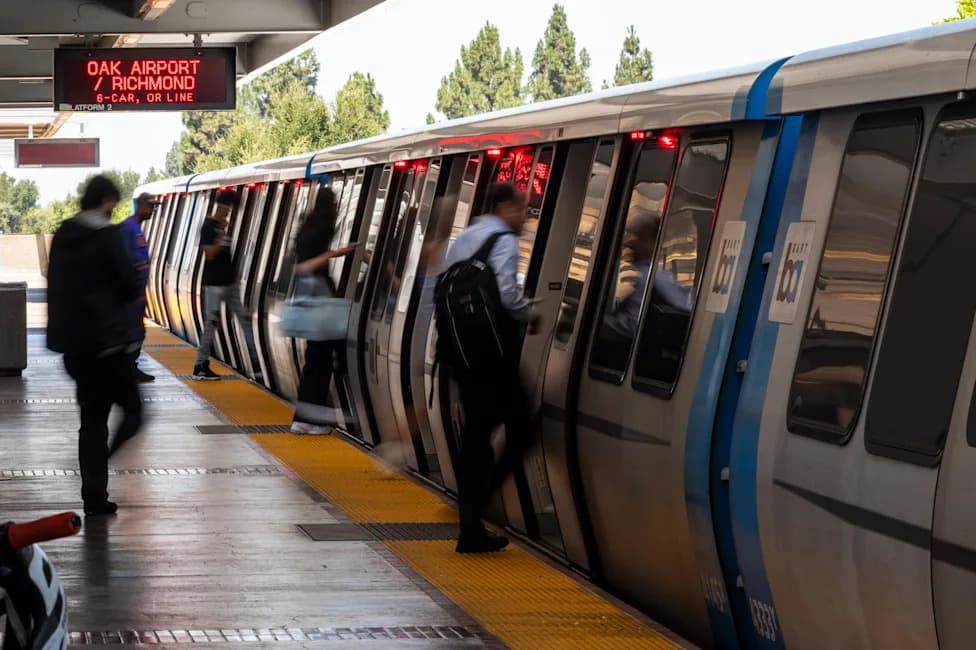
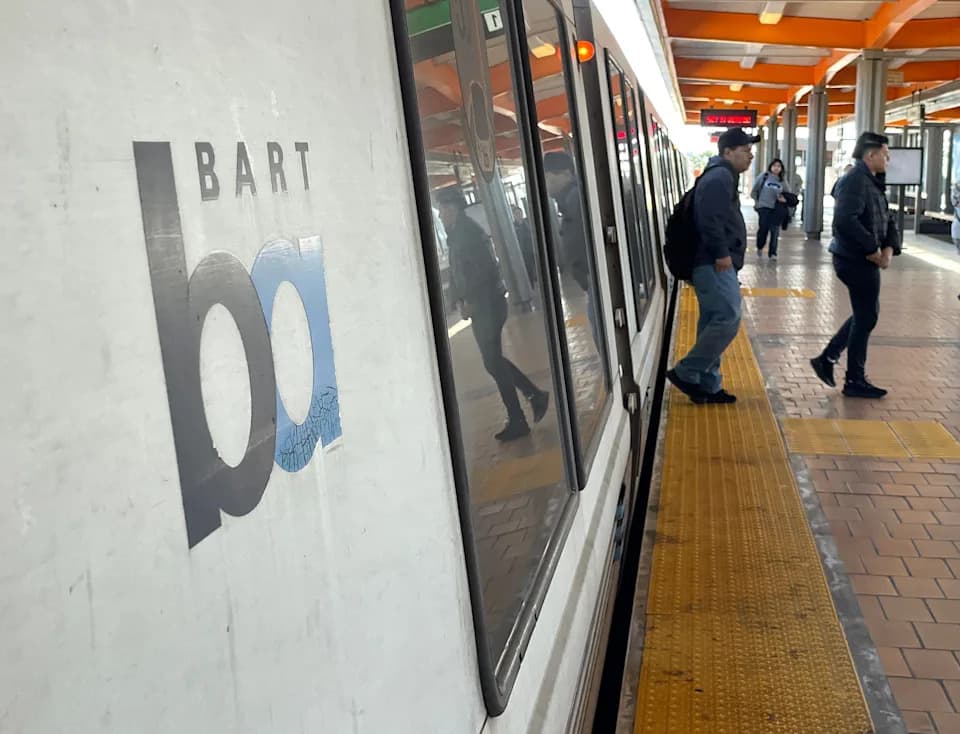
Passengers at the Bart station in Fremont, California, on 7 August 2024.Photograph: Bloomberg/Getty Images
The San Francisco Bay Area's rapid transit network, BART, faces a severe fiscal crisis after pandemic-era ridership declines. Officials warn the system could hit a fiscal cliff that triggers deep service cuts, station closures and higher fares unless voters approve regional sales-tax measures this November.
What Could Change
As early as 2027, BART may be forced to close up to 15 stations, reduce service frequency by as much as 63%, raise fares and parking fees by roughly 30%, and end all service at 9pm. Reduced frequency and higher prices would likely drive away riders, further shrinking fare revenue and prompting additional austerity measures. In a worst-case scenario, officials say the system could be judged unsafe and shut down entirely.
Why BART Is Vulnerable
BART has served the region for more than five decades, linking 50 stations across five counties and operating roughly 131 miles (210 km) of track. Its Transbay Tube—built with flexible joints to absorb seismic movement—runs about 135 ft (41 m) beneath San Francisco Bay and survived the 1989 earthquake without catastrophic damage.
Historically, BART generated about 60%–70% of its operating revenue from passenger fares, making it unusually exposed to plummeting ridership from the pandemic and the region's shift to remote and hybrid work. At its 2016 peak, BART carried about 435,000 riders each weekday and brought in nearly half a billion dollars annually; those numbers have not fully returned.
The Ballot Measures
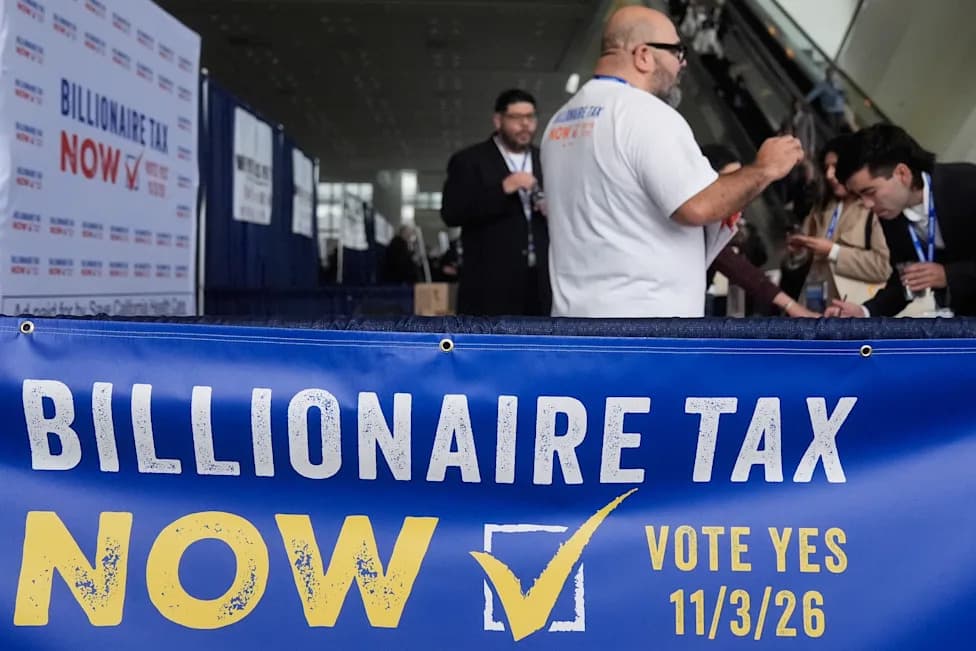
Voters will decide on two related sales-tax measures: a half-cent sales tax across four Bay Area counties and a separate $0.01 sales tax in San Francisco. Together the levies are projected to raise roughly $1 billion per year for the region's four largest transit operators for 14 years. Supporters say the funding is essential to stabilize service and avoid cascading cuts that would cripple the regional economy.
“Losing BART destroys the Bay Area economy,” said Jeffrey Tumlin, former head of the San Francisco Municipal Transportation Agency. Business leaders argue many major companies recognize there is no Bay Area tech economy without reliable rapid transit.
Human and Economic Stakes
Commuters across the region rely on BART for access to jobs, schools and services. Riders describe buying homes or choosing jobs based on proximity to stations. If service is reduced, displaced commuters could face an additional 10 miles (16 km) each way to reach an open station and an estimated $3,280 per year in added transportation costs, according to analysis by the San Francisco Bay Area Planning and Urban Research Association (Spur).
Low-income workers and people with disabilities would be hit hardest: some may be forced to use costlier rideshares or lose hours. Spur warns peak-hour delays on the Bay Bridge and other chokepoints would more than double if the measures fail.
Agency Response and Public Outreach
To entice riders back, BART has upgraded safety and cleaning protocols, improved station restrooms, updated fare gates and payment systems, shortened some trains, retired older cars, and refined schedules to match changing demand. The system has also faced recent operational problems, including multiday delays from overheating equipment and a rocky rollout of the Clipper 2.0 fare card, even as BART reports high on-time performance and improved rider satisfaction.
Grassroots volunteers have been campaigning to pass the ballot measures; one organizer collected 2,501 signatures to put the measures on the ballot. Polling looks promising but remains within the margin of error, meaning outreach will continue through the fall.
Bottom Line
BART sits at a financial inflection point: voter approval of the proposed taxes would provide about $1 billion a year and likely avert the most severe cuts. A rejection of those measures could trigger steep service reductions, higher costs for riders and much worse traffic and congestion across the Bay Area.
Help us improve.