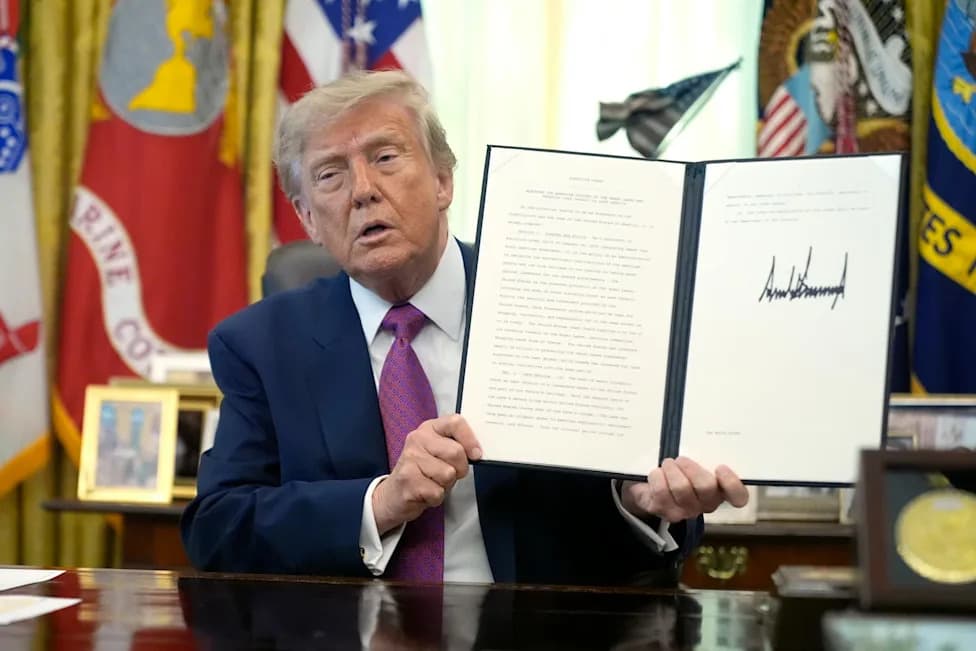
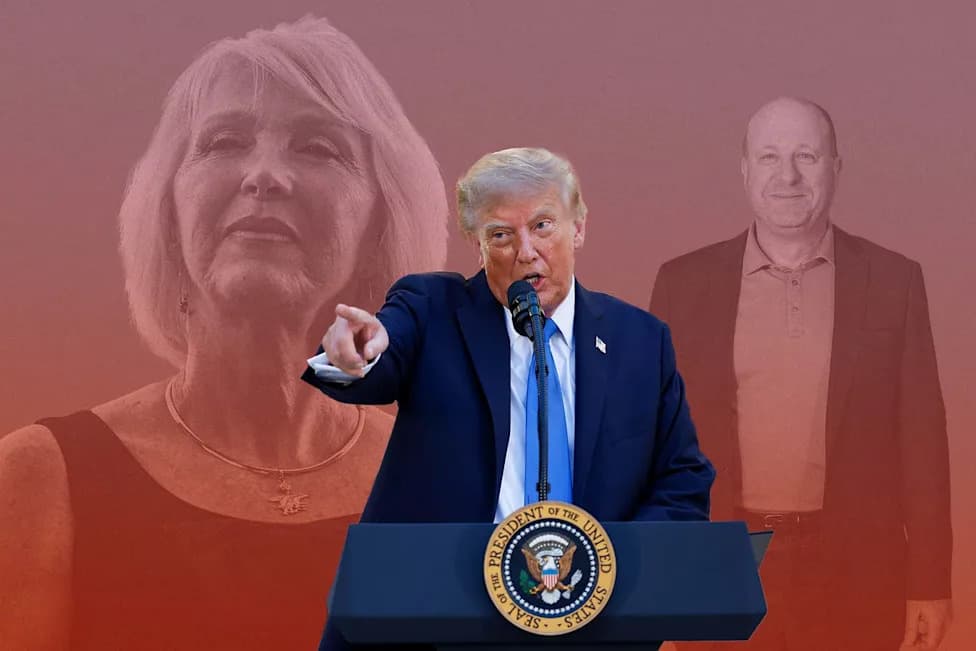
President Donald Trump has moved to cancel nearly $1 billion in spending that Congress had approved, the White House announced on Friday. The administration invoked a rarely used and legally contested tool known as a "pocket rescission" to wipe funding for immigrant services and several diversity-focused programs.
The Office of Management and Budget (OMB) said the rescission targets what it called "the most harmful government spending." The administration argued that much of the funding is no longer necessary because illegal border crossings have reportedly fallen.
What Was Affected
The bulk of the cuts target programs that serve immigrants, including nonprofit groups that assist refugees and unaccompanied minors. A White House press release noted that some affected organizations are led by officials who previously served in the administration of former President Barack Obama.
Political Reaction
The move drew immediate bipartisan concern in Congress. Senator Susan Collins (R-Maine), chair of the Senate Appropriations Committee, said the action was taken without warning or consultation and pledged to work with colleagues to challenge it.
"Not only is the delay itself an impoundment that was not reported to Congress, but also it is a usurpation of Congress's appropriations powers," Collins said. "OMB is an agency of the executive branch. It does not get to decide which programs are worth funding."
Senator Patty Murray (D-Wash.), vice-chair of the Appropriations Committee, called the rescission "theft from the American people" and argued that funds approved on a bipartisan basis should be delivered to recipients rather than cut.
Legal and Institutional Implications
Under normal practice, Congress has an opportunity to review proposed presidential rescissions before they take effect. But the White House announced this action with just five days remaining in the federal fiscal year, effectively limiting congressional oversight. The Government Accountability Office (GAO) has previously concluded that pocket rescissions are unlawful.
Last year, the Trump administration used a pocket rescission to block $4.9 billion in congressionally approved foreign aid. The U.S. Supreme Court declined to halt those rescissions at the time, citing presidential authority in foreign affairs; this year's use targets domestic programs.
Broader Context
Critics say the move fits a pattern of the administration seeking greater control over federal operations and eroding congressional authority, pointing to other actions such as firings of federal employees, tariff increases, and military action taken without prior congressional authorization. Legal challenges and congressional pushback are expected.
What Happens Next: Congressional leaders and oversight bodies are likely to seek legal review and could pursue legislation to constrain or clarify rescission powers. Lawsuits or GAO findings may determine whether this specific pocket rescission can stand.