Jersey City’s City Council approved an $886.5 million budget that raises property taxes by 15.15%, adding roughly $600 a year for the average homeowner. Officials say the increase was needed to cover a major projected deficit even after a state bailout, and several council members voted reluctantly. City leaders warn the hike could ripple to renters and accelerate displacement of long-term residents, while experts say earlier oversight and clearer budgeting might have reduced the need for such a sudden rise.
Jersey City Approves 15.15% Property Tax Hike — Officials Warn 'Pain Will Be Felt Citywide'
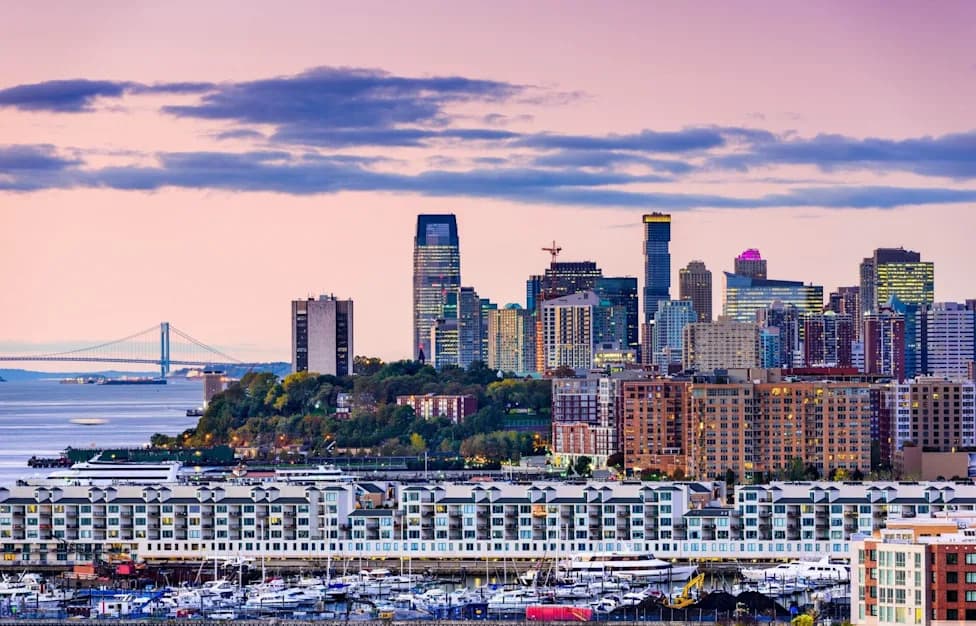
Photo Credit: iStock
For many homeowners in Jersey City, a municipal budget shortfall has shifted from abstract accounting to a direct hit on household finances.
The City Council approved an $886.5 million budget that includes a 15.15% property tax increase — about $600 more per year for a typical homeowner. City leaders moved forward with the hike to close a large projected deficit despite a state bailout, trimming the increase from the level first proposed but still drawing reluctant support from several council members and criticism from residents.
Council Reaction and Local Context
Ward C Council Member Thomas Zuppa Jr., who represents the fast-developing Journal Square area, said the vote "was not a victory." Council Member Eleana Little, whose district includes parts of the historic downtown, also said she supported the budget only reluctantly. Much of the city’s recent growth has been concentrated around Journal Square, a factor in debates over who benefits from development and who bears its costs.
Who Feels the Impact?
A double-digit increase in property taxes can ripple beyond homeowners. Landlords may try to pass higher costs to renters, increasing housing pressure for families already juggling rising expenses for food, utilities, transportation, and insurance. Over time, rising housing-related costs can accelerate displacement of long-term residents and deepen the sense that growth benefits some groups more than others.
Officials’ View and Policy Takeaways
City officials say even a state bailout could not eliminate the need for the tax increase given the projected deficit. Local fiscal experts and leaders argue that earlier intervention, clearer budgeting, faster communication about deficits, and stronger oversight could reduce the likelihood of sudden, steep tax hikes in the future.
"This is certainly not a victory today," Zuppa said. "The pain of this tax increase will be felt in every quarter of our city."
Broader Trends
Jersey City’s decision is part of a broader pattern of rising local costs that affect households nationwide. Other recent examples include proposals in Berkeley to tax large buildings that use natural gas, Hawaii lawmakers approving aid to help homeowners facing steep property insurance costs, and New York City commuters confronting subway fare increases as operating costs rise.
As everyday expenses climb, local and state policy choices increasingly determine how much of the burden households must carry.
Help us improve.