Seattle is close to becoming the first U.S. city to ban "surveillance pricing" for groceries. The proposed Fair Pricing and Transparency ordinance, authored by Councilmember Alexis Mercedes Rinck and Mayor Katie Wilson, would bar large grocers and delivery services from using personal data such as shopping behavior, location, demographics and biometric information to set individualized prices for essentials. Safeway warns the rule could end loyalty-program savings it says average about $30 per week, while FTC and Consumer Reports probes found opaque data-driven price variations of up to 23%. The proposal exempts small chains, convenience stores and farmers markets and includes $1.7M in complementary city support for independent grocers and security upgrades.
Seattle Nears Nation-First Ban On 'Surveillance Pricing' For Groceries — Safeway Warns Shoppers Could Lose Deals
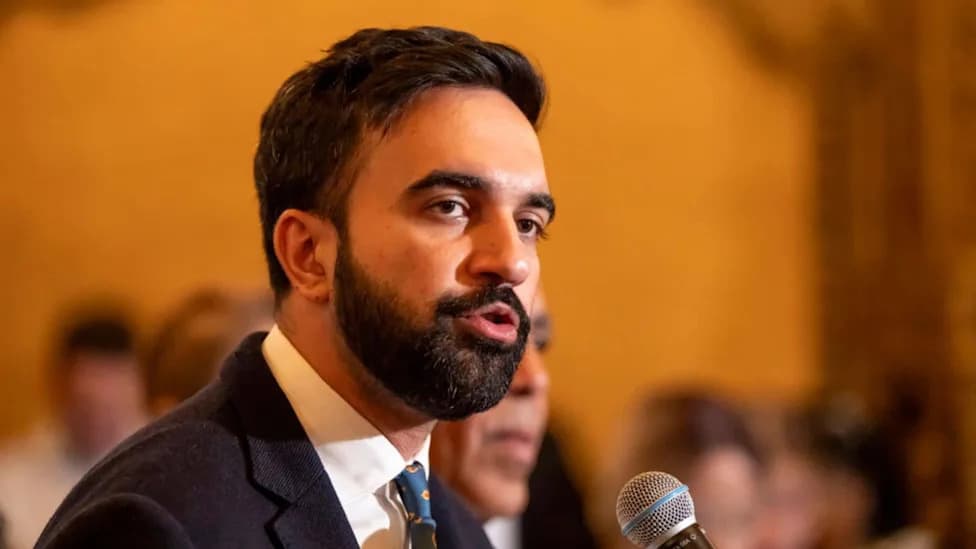
Seattle is moving closer to becoming the first U.S. city to ban "surveillance pricing" for groceries, a practice in which retailers and delivery platforms use shoppers' personal data to set individualized prices. The proposed Fair Pricing and Transparency ordinance, authored by Councilmember Alexis Mercedes Rinck and Mayor Katie Wilson, would prohibit large grocery chains and delivery services operating in Seattle from using personal information — including shopping behavior, location, demographic details and biometric data — to determine prices for essential food items.
What the Ordinance Would Do
The ordinance seeks to stop companies from tailoring prices based on signals about a shopper’s perceived ability or willingness to pay. Proponents say the rule would protect working families from paying more for necessities simply because an algorithm determined they could afford it. Rinck said she introduced the measure because she believes "data brokers" should not help determine the cost of basic goods.
"That's not a good foundation for a fair economy or one that serves working families," Rinck said. "Prices should be based on the product, not the shopper."
Evidence And Concerns
Supporters point to federal and investigative findings showing opaque, data-driven pricing practices. A 2024 Federal Trade Commission inquiry described companies in this market tracking signals from "mouse movements on a webpage" to items left in online carts. Local checks have raised red flags: one Seattle example found the same Safeway basket on Instacart varied by about $10, with only 8% of shoppers receiving the lowest available price. A 2025 Consumer Reports investigation found price differences of up to 23% for identical grocery orders due to surveillance pricing.
Industry Response
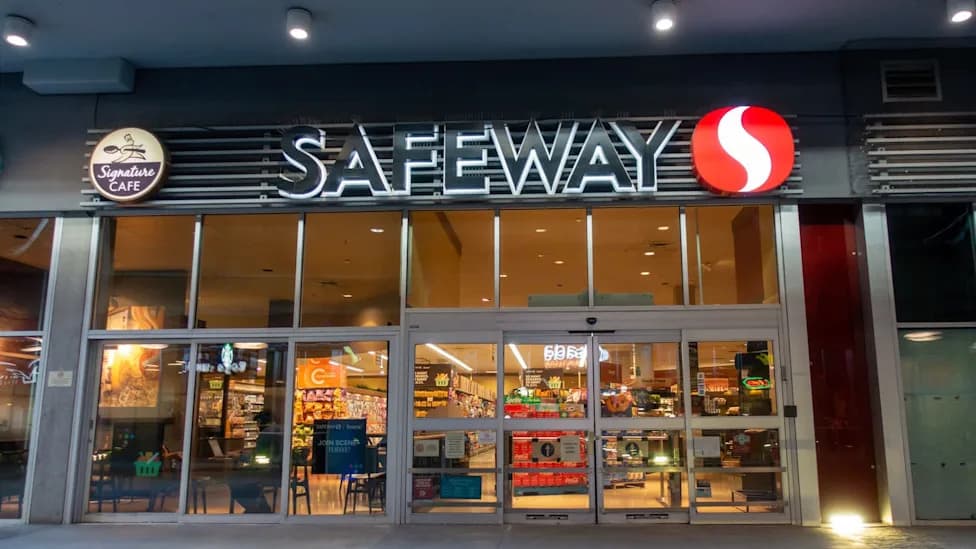
Sara Osborne, spokesperson for the 17 Seattle-area Safeway stores, warned the ordinance could force the chain to end its loyalty program, which she said saves the average shopper about $30 per week. "If the bill passes, we will not be able to offer these additional savings and customers will have to pay full retail price," Osborne said. She added Safeway does not use customers' personal information to charge higher prices and that the company uses data "responsibly to offer voluntary savings." Grocery trade groups also warned the language could have unintended consequences.
Exemptions And Safeguards
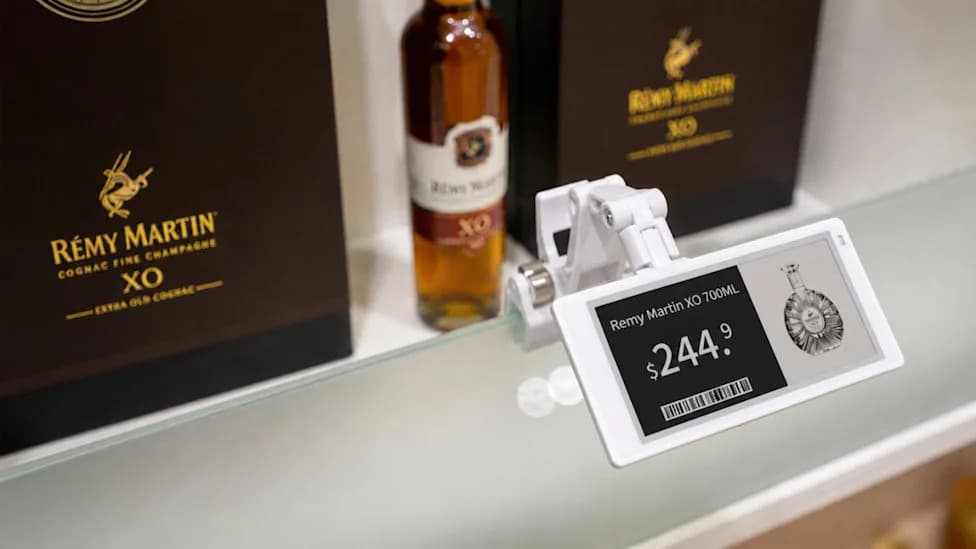
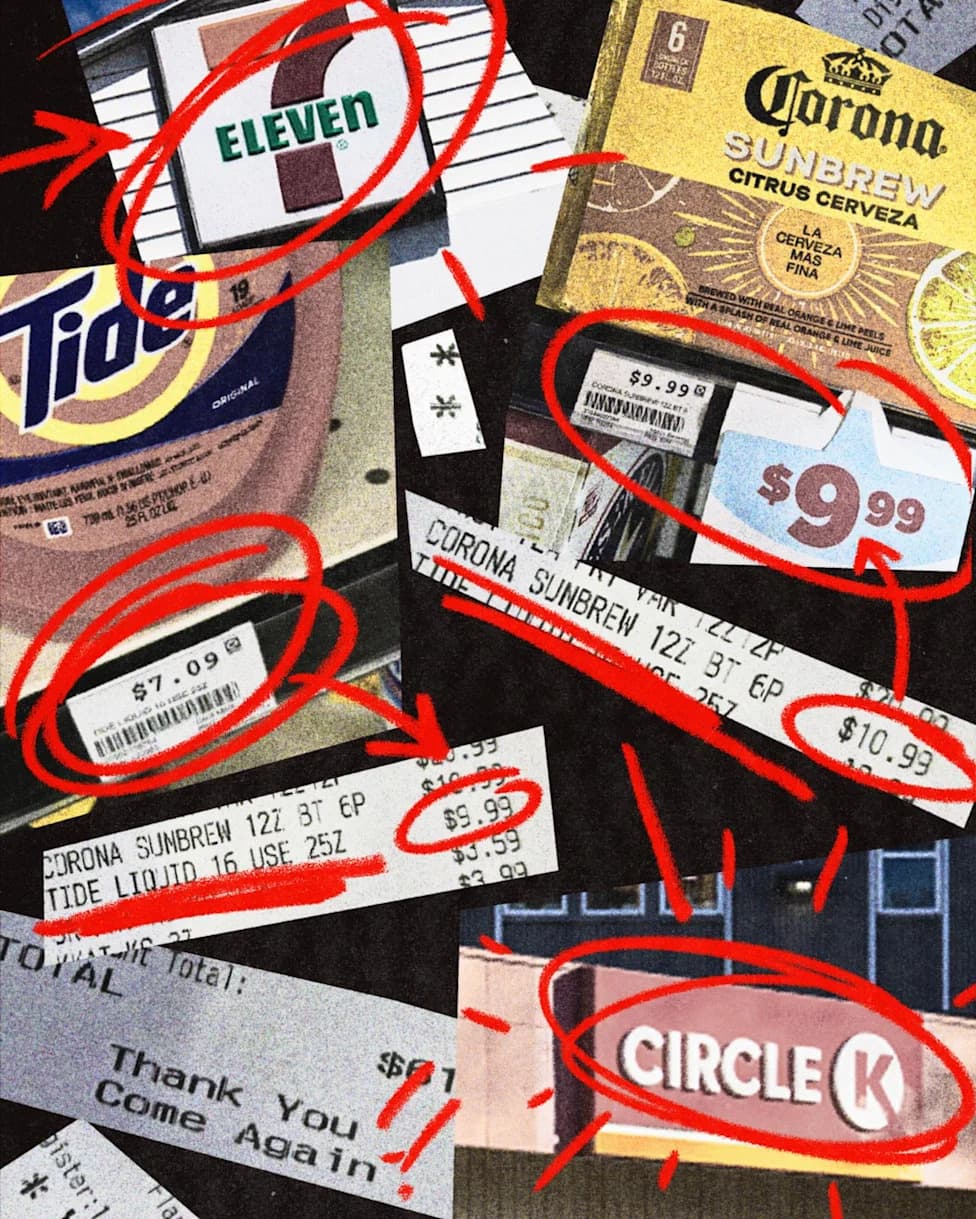
The proposal contains carveouts: it would not apply to chains with fewer than 20 locations, convenience stores or farmers markets. Rinck said she negotiated concessions with grocers, such as allowing electronic shelf labels. Trade associations expressed concern the ordinance might be misread to restrict store security cameras; Rinck said that was not the intent and that she would work with Council President Joy Hollingsworth to clarify the language to protect store safety systems.
Complementary Measures
Mayor Wilson has paired the pricing proposal with several initiatives to strengthen neighborhood grocery access and support independent retailers. The package includes an Independent Grocers Alliance market analysis across eight Seattle neighborhoods, a year of technical assistance for 10 independent grocers, city economic development help for Lam's Seafood Asian Market to open a third location in Rainier Valley, and one-time security upgrades for stores facing elevated retail theft. Wilson approved $1.7 million for these efforts.
National Context
Seattle's move comes amid a national debate over how grocers use technology and data to shape prices and shopping experiences. Similar developments include concerns about digital price tags at Kroger, debates over checkout rules in Park Ridge, a statewide ban in Oregon on a popular checkout item, and new retail rules in Montgomery County, Maryland.
What’s next: The ordinance must clear the Seattle City Council and potentially be refined to address industry and public-safety concerns. If approved, the law would set a precedent for other cities considering limits on algorithmic pricing for essential goods.
Help us improve.