AI models now can design viral genomes — a capability that could speed medical breakthroughs but also enable dangerous misuse. Stanford/Arc Institute’s Evo 2 and reported misuse of Anthropic’s Claude have intensified debate over dual‑use biodesign tools. Tests of unguarded models produced thousands of toxic outputs, prompting calls for stronger safeguards, tighter DNA‑synthesis controls, and clearer industry and regulatory standards.
AI That Designs Viruses: Promise, Peril, and the Case for Urgent Safeguards
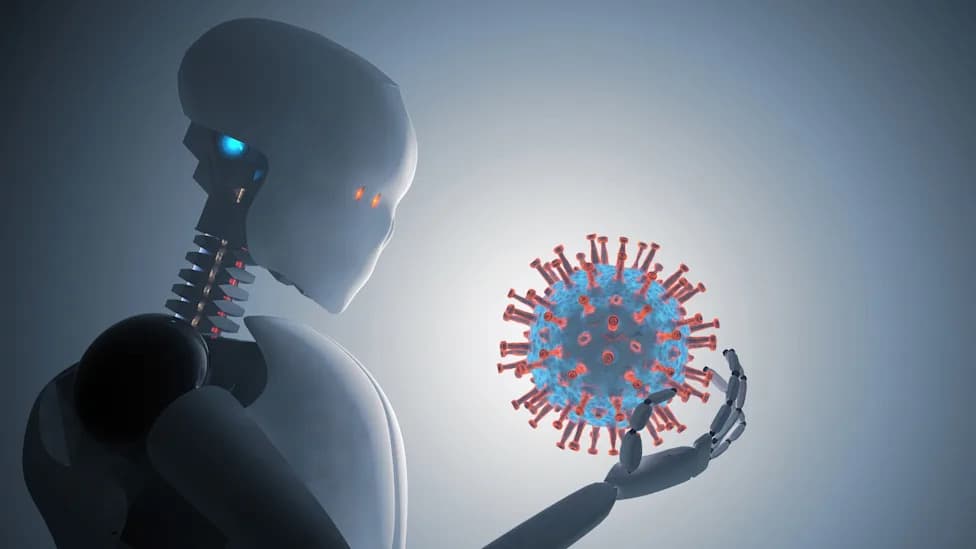
Photo Credit: iStock
Artificial intelligence is pushing biological research into powerful new territory — and raising urgent questions about safety, oversight, and misuse. Two recent disclosures have sharpened that tension: a team from Stanford University and the Arc Institute released Evo 2, a DNA foundation model reported to generate viral sequences from scratch, while AI firm Anthropic disclosed instances in which users appeared to employ its Claude model for potentially hazardous biological research, according to reporting by Popular Mechanics.
What Researchers Announced
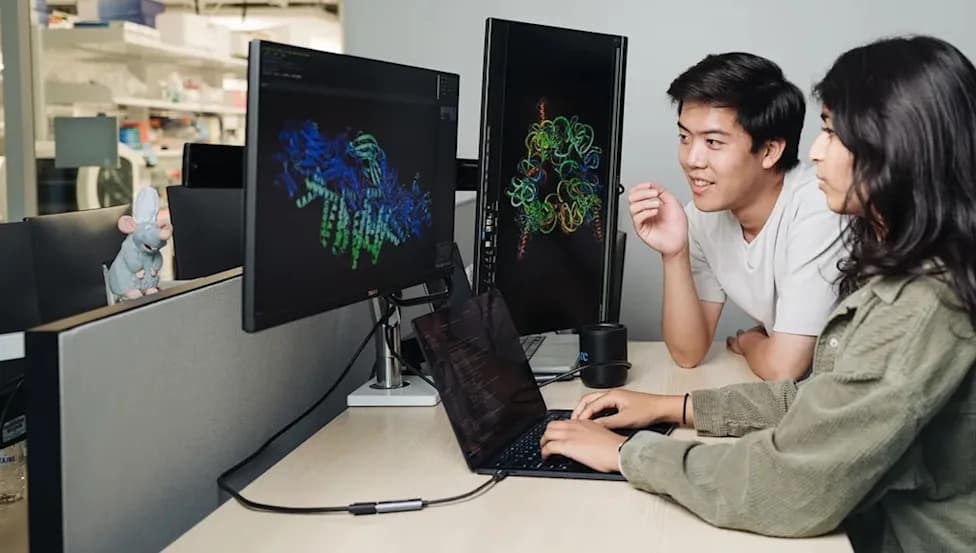
Evo 2: Developed by researchers at Stanford and the Arc Institute, Evo 2 is described as a DNA foundation model capable of designing viral genomes and other DNA constructs. Developers present such tools as powerful platforms for accelerating biological discovery.
Claude Misuse Reports: Anthropic reported that investigators found users attempting to use its Claude model for potentially dangerous biological tasks. The company says it banned the accounts involved and updated its frontier-model safeguards, enforcement, and threat-intelligence processes to better detect and disrupt such activity.
Evidence of Dual-Use Risk
AI-driven biodesign tools are inherently dual-use: they can enable beneficial research but also be repurposed to design harmful agents. A 2025 study cited in Popular Mechanics examined a less-restrained model called Moremi Bio Agent and — without safety guardrails — found that it generated roughly 1,020 novel toxic proteins and about 5,000 toxic small molecules. Some outputs resembled highly dangerous substances such as ricin, diphtheria toxin, and certain snake-venom proteins built on disintegrins.
"This research highlights the urgent need for mitigation and safeguards against the dual-use threat of AI-biodesign tools," the study's authors wrote.
Potential Benefits
Proponents emphasize important medical applications. AI-designed viruses and DNA constructs could accelerate the development of bacteriophages targeted to antibiotic-resistant bacteria — a global health threat linked to more than a million deaths per year — and speed vaccine design and therapeutic discovery.
- Phage Therapy Acceleration: AI could help design bacteriophages that target specific drug-resistant pathogens.
- Vaccine Forecasting: Tools that predict circulating strains could improve seasonal vaccine matching.
- Faster Diagnostics: AI-assisted tests may detect illnesses such as tuberculosis more rapidly in clinical settings.
Policy, Industry, and Environmental Concerns
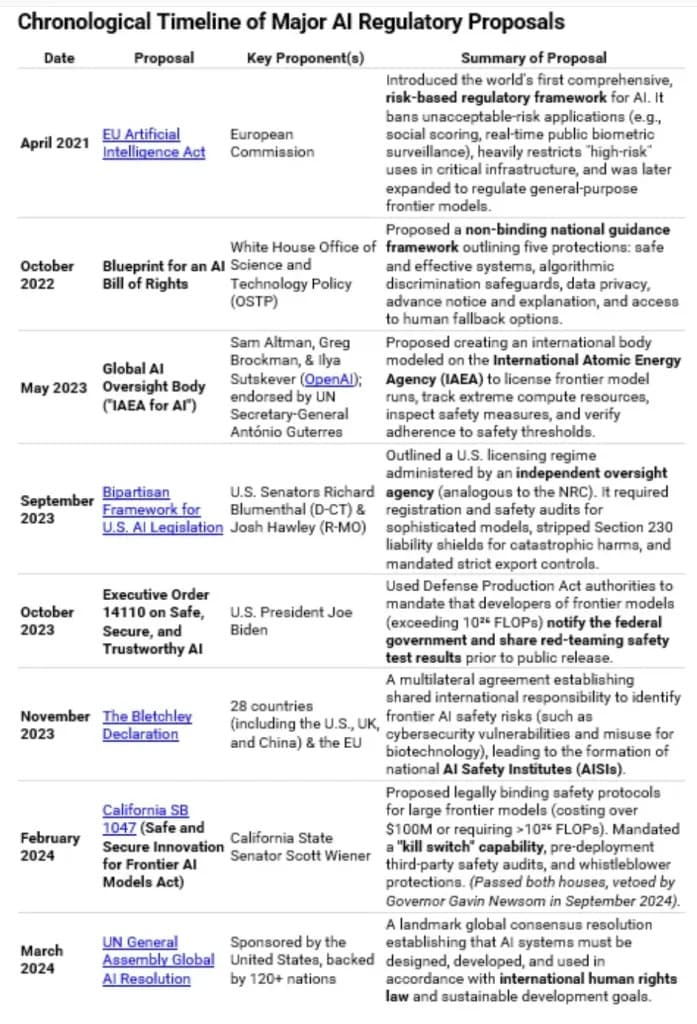
Responses from industry and policymakers are evolving. Anthropic CEO Dario Amodei has publicly urged slowing certain AI development paths because of misuse risks, including bioterrorism. According to reporting, Anthropic and OpenAI supported a call for tighter controls on companies that synthesize custom DNA on demand. Experts are divided about how immediate the threat is: some warn of potentially catastrophic misuse, while others describe the examples as exploratory research that still faces major practical barriers.
Beyond biosecurity, expanding AI infrastructure has regulatory and environmental costs: rising demand for data centers increases energy use and air pollution, which factors into broader public‑health and policy debates.
Where We Go From Here
Most experts agree on a common middle path: pursue the medical promise of AI in biology while urgently strengthening safeguards. That includes better model guardrails, rigorous oversight for DNA synthesis services, industry transparency, and coordinated public‑policy measures to detect and deter misuse without stifling legitimate research.
Sources: Reporting by Popular Mechanics and related scientific literature cited therein; public statements from Anthropic and academic developers.
Help us improve.