The author responds to President Trump's Sept. 18 comments about banning CNN, MSNBC and Politico, arguing that the White House is a public institution held in trust for the American people. He warns that treating the presidency as private property endangers independent journalism and public oversight. A free press is essential to let citizens see inside government, and reporters must continue to hold power to account. The piece closes by reminding presidents that authority is borrowed, not owned.
Not Your House: The White House Belongs to the People — and the Press Must Stay

Nicholas Anderson
There is something revealing about a person who gets too comfortable in someone else's home.
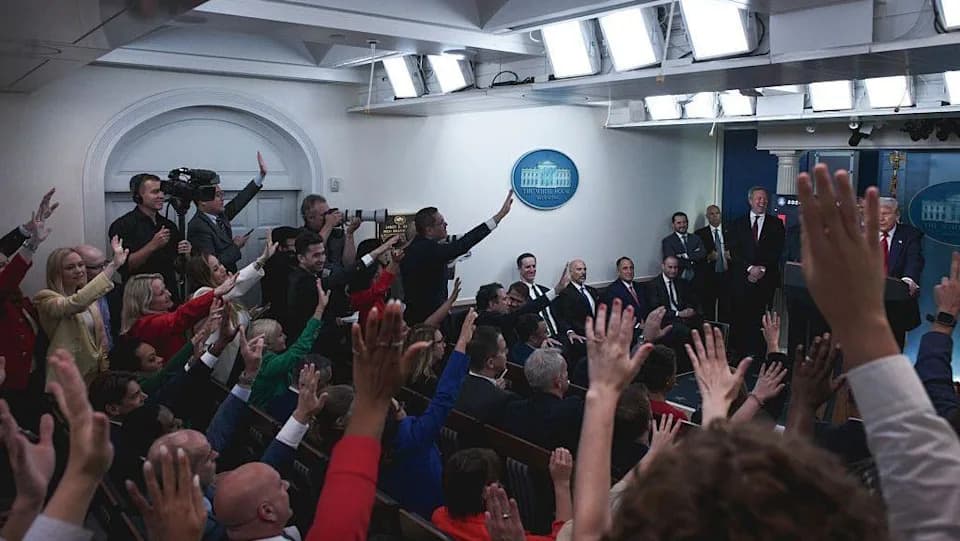
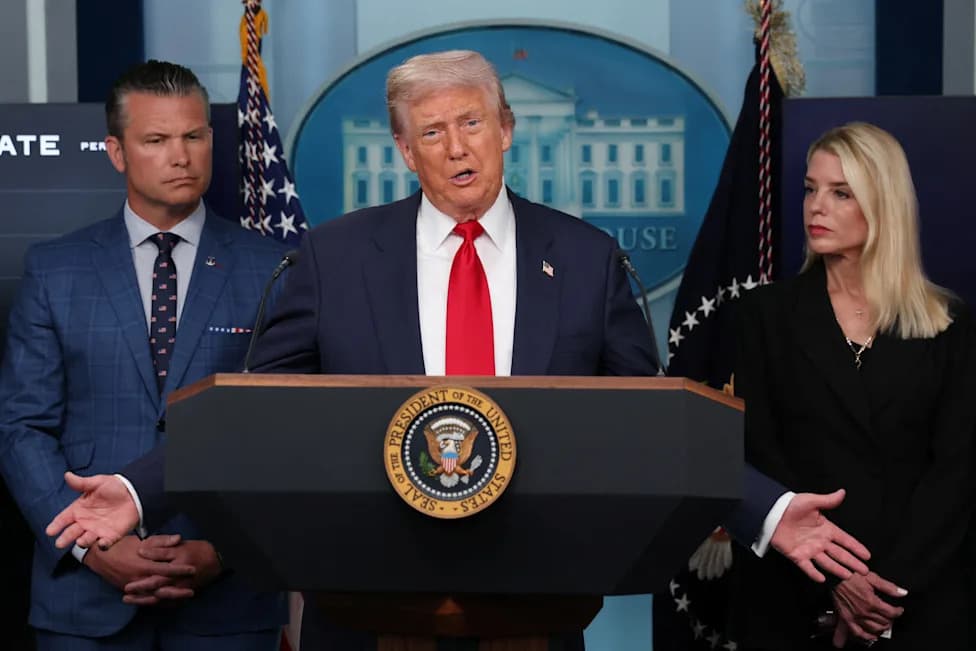
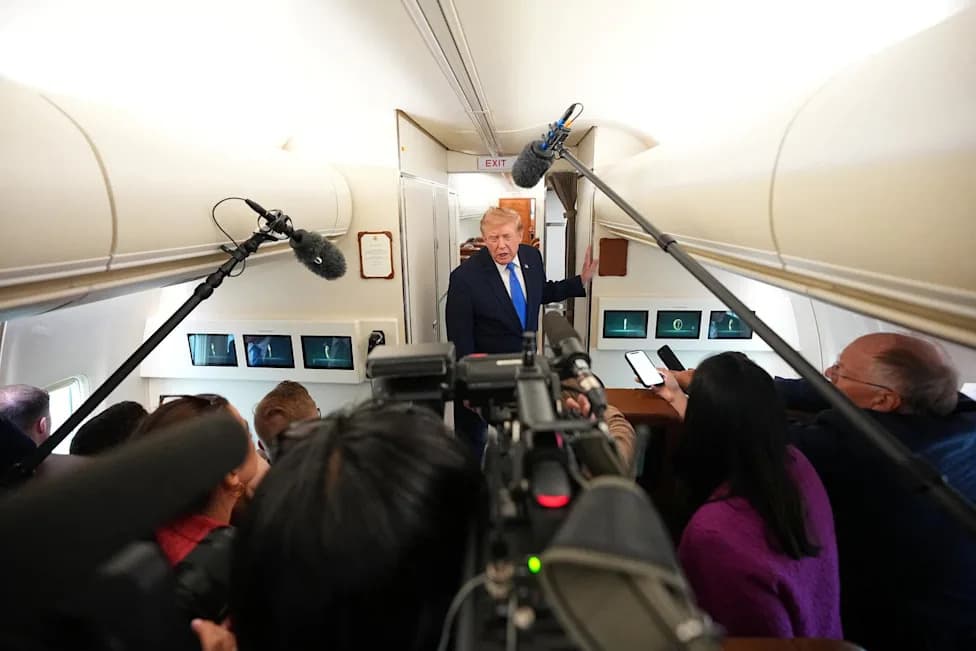
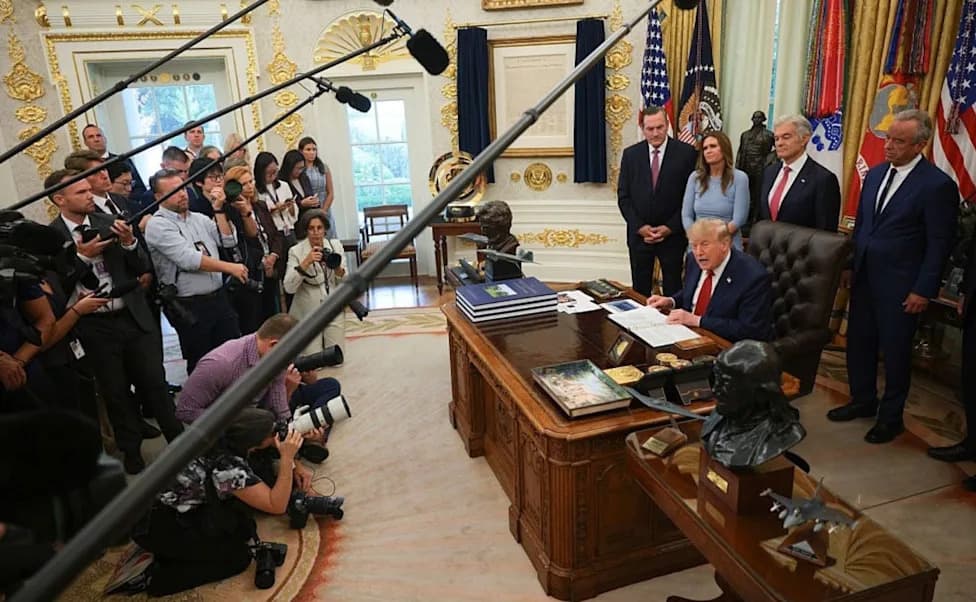
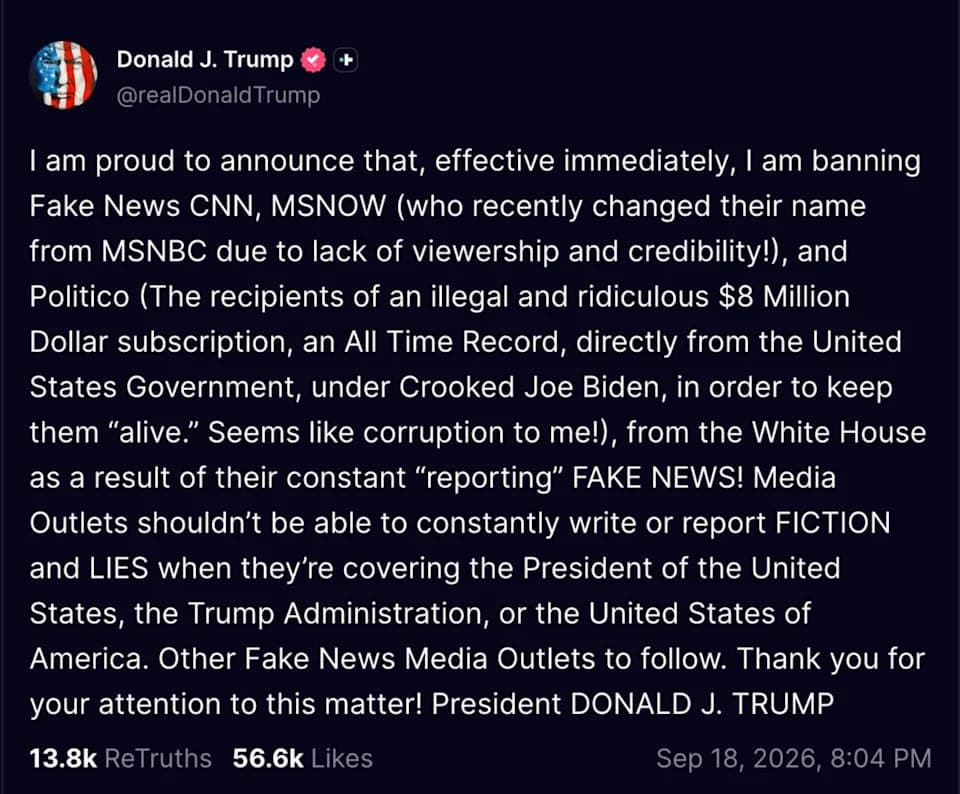
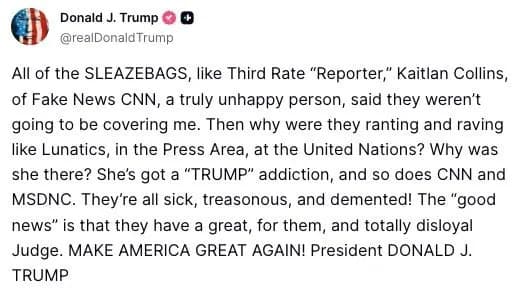
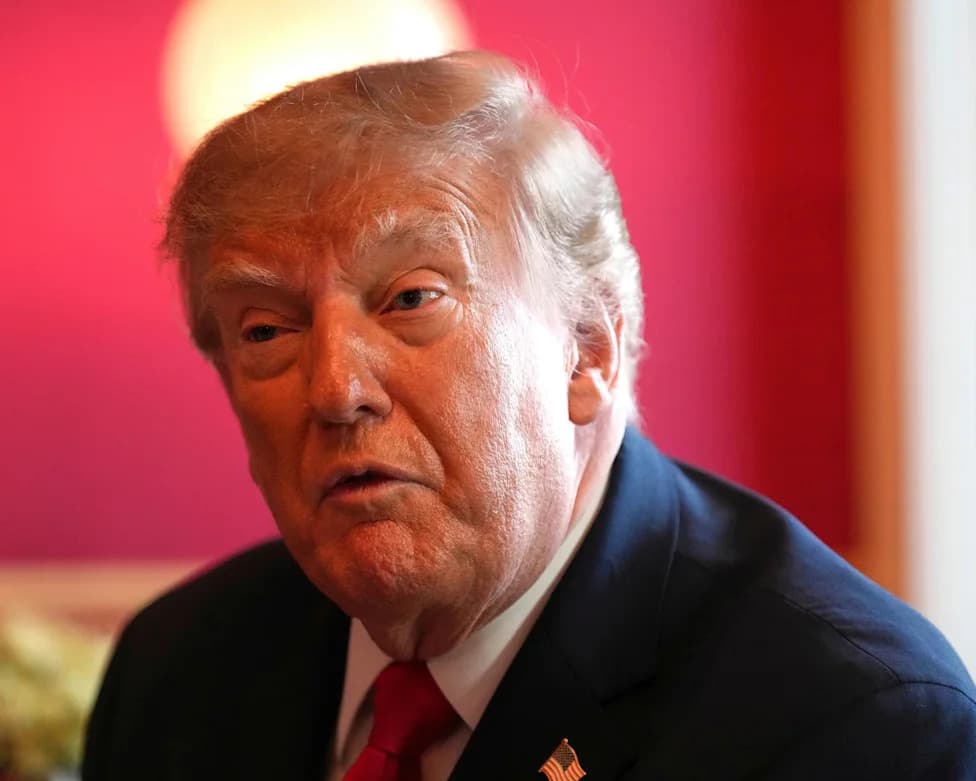
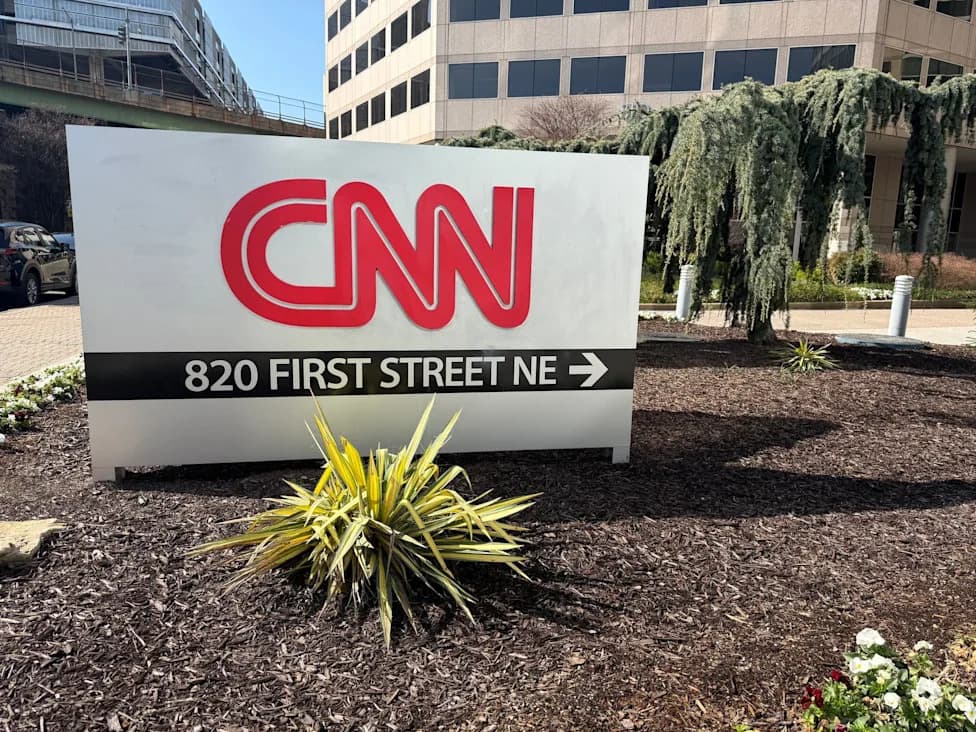
On Sept. 18, President Donald Trump told reporters in the Oval Office that he was considering banning CNN, MSNBC and Politico from White House grounds. Asked about the move, he said, "I don't have to let them into my, into the people's house." Those two small words — "my" and "the people's" — are only a few syllables apart but worlds apart in meaning.
"The White House is owned by the American people." — National Park Service
The White House serves as the president's residence and workplace, but it is not the private property of any occupant. Every president is, by definition, a temporary tenant: they can change furniture, swap portraits or adjust décor, but they do not hold the deed. That distinction becomes dangerous when a president starts treating the people's house as personal property and independent scrutiny looks like trespassing.
Why Access Matters
Mr. Trump's threat did not stem from a single report or a demonstrated security breach; he pointed to what he described as "cumulative stories over the past few years." Within a day, reporters from CNN, MSNBC and Politico were denied entry. When access is restricted as punishment for coverage, the public loses a vital channel of oversight.
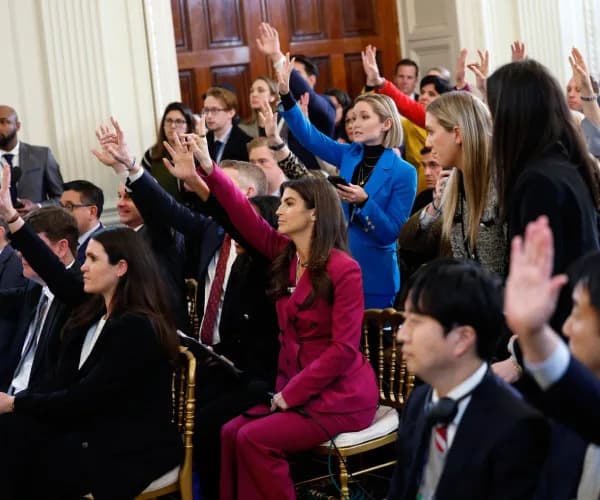
A free press exists precisely to test the boundaries of power. The First Amendment does not guarantee every reporter a front-row seat in every room, but it does protect the public's right to have those who govern them scrutinized. Reporters are not meant to be flattering guests; they ask hard questions, publish inconvenient truths and let ordinary citizens see inside institutions they cannot enter themselves.
Power Is Borrowed
Donald Trump built a career branding private properties with his name. That approach is fitting for private real estate — not for 1600 Pennsylvania Avenue. The letters on the gate do not spell T-R-U-M-P; they spell O-U-R-S. Presidents can change wallpaper and rearrange furniture, but they must never forget whose floorboards they occupy.
Every president receives the keys for a limited season and must eventually return them. The people remain. The press must remain with them — asking questions, opening doors, checking the locks and reminding whoever lives in the house that power is borrowed, not owned.
So, Mr. President, with all due respect: get your damn feet off the Resolute Desk.
Nick Anderson lives in Walnut Hills and is a member of the Enquirer Board of Contributors.
This article originally appeared in the Cincinnati Enquirer.
Help us improve.