Iowa’s cancer incidence is rising while the national rate falls, concentrated in heavily farmed counties such as Cass and Palo Alto. Experts and residents point to decades of intensive agriculture, heavy fertilizer and manure use, drainage systems that accelerate nitrate runoff, pesticide and chemical contamination, and underregulated private wells as contributing factors. Rural hospitals are struggling to meet growing demand for cancer care, and voluntary conservation efforts have fallen short of targets. Community members, clinicians and some farmers are calling for stronger policies and sustained investments to protect public health.
Iowa’s Cancer Rates Climb as Nation Falls: Farming, Water and Rural Care Under Scrutiny
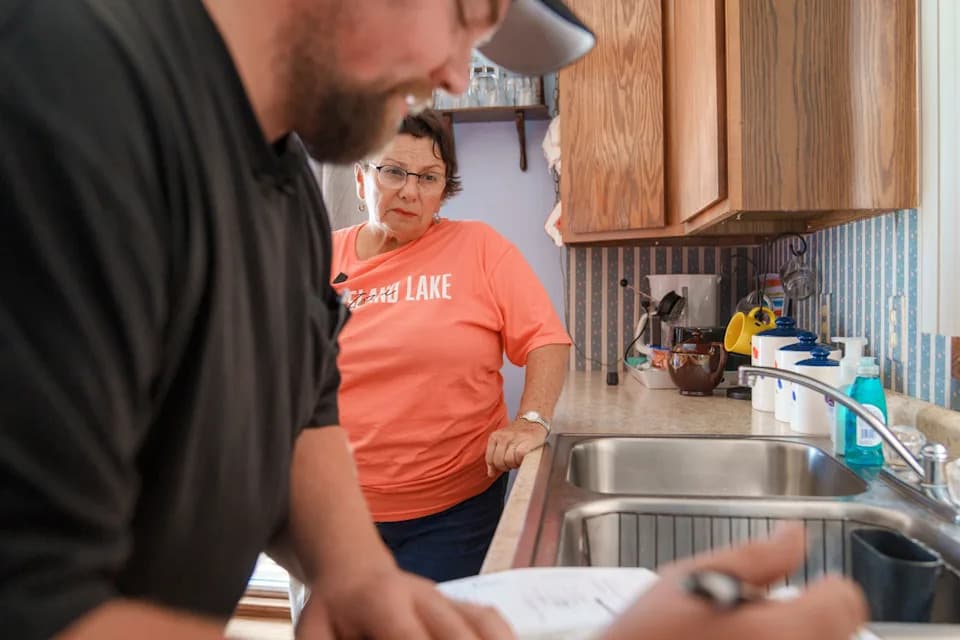
Ben Huntley, environmental health coordinator for Emmet and Palo Alto counties, performs a water test with Maureen Reeves Horsley, a nurse practitioner and Palo Alto County resident, on Wednesday, July 29, 2026.
Lavonne Schroeder has faced cancer three times and was told repeatedly she might be sent home to die. Now, more than two decades after her first diagnosis, she sits in a recliner at Cass County’s only cancer center, a blue cap covering her head while another chemotherapy infusion runs.

Ben Huntley, environmental health coordinator for Emmet and Palo Alto counties, performs a water test with Maureen Reeves Horsley, a nurse practitioner and Palo Alto County resident, on Wednesday, July 29, 2026.
“I never imagined I’d be 72,” Schroeder said. She lives with a stage 4 granulosa cell tumor, a rare ovarian cancer that has required multiple surgeries, rounds of chemotherapy, episodes of sepsis and even cardiac arrest. Three years ago, while still battling her own illness, she cared for her husband until he died from spinal cord cancer.

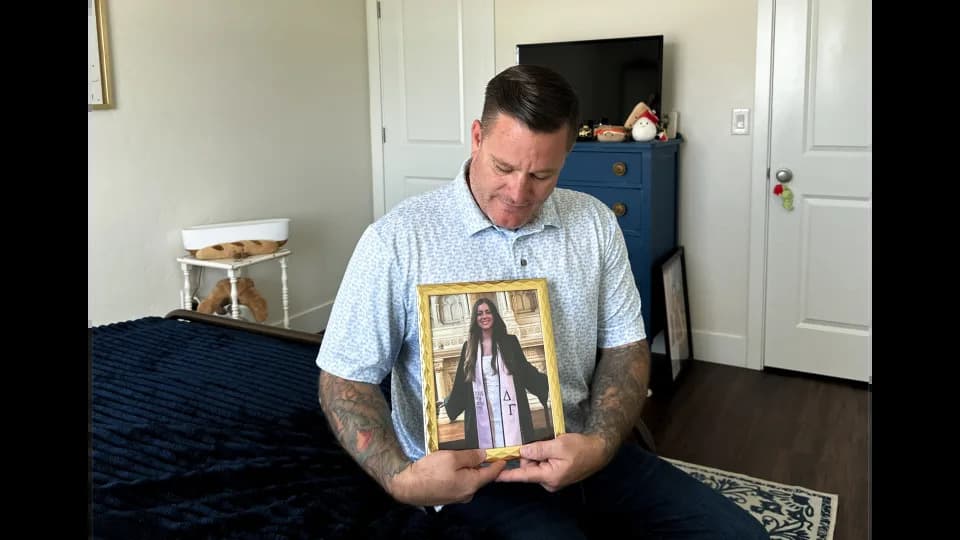
Al Puterbaugh has pancreatic cancer and lost family to cancer. His home county, Palo Alto, has one of the highest cancer incidence rates in Iowa.
Her story — the prolonged medical struggle, the grief and the strain on family — would be painful anywhere. In Cass County and across Iowa, however, stories like hers are increasingly common.
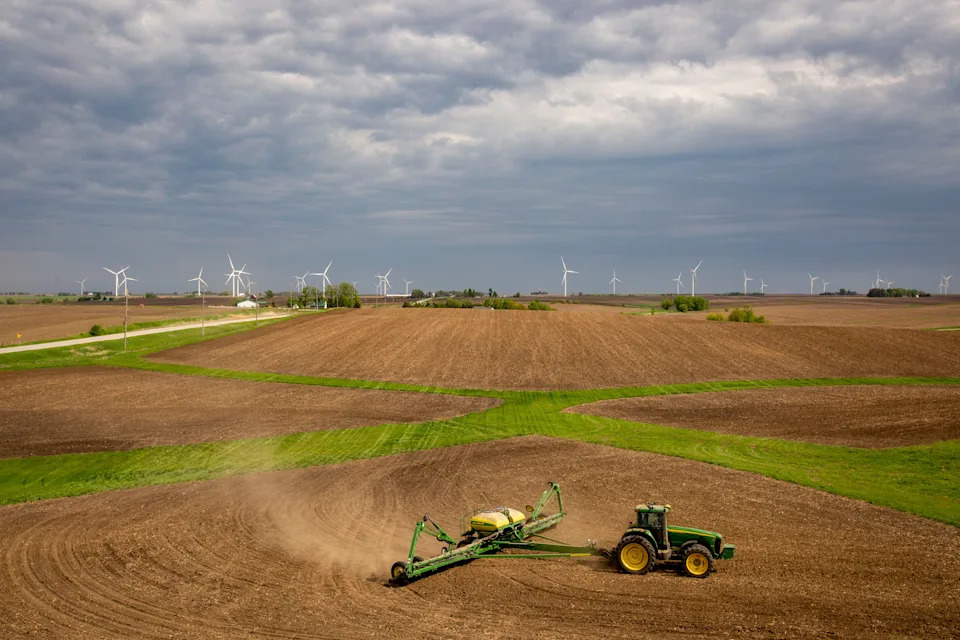
Devan Mann plants soybeans on a field his family farms near Marshalltown, Tuesday, May 17, 2022. After a slow start, Iowa farmers are pushing hard to get their crops planted.
Rising Rates in the Heart of Farm Country
Iowa now ranks second among U.S. states for cancer incidence and is one of only three states where rates are still climbing. The Iowa Cancer Registry projects roughly 21,700 new cancer diagnoses this year and about 6,400 deaths. Nearly half of Iowa’s 99 counties report cancer incidence rates higher than Louisiana’s notorious “Cancer Alley.”
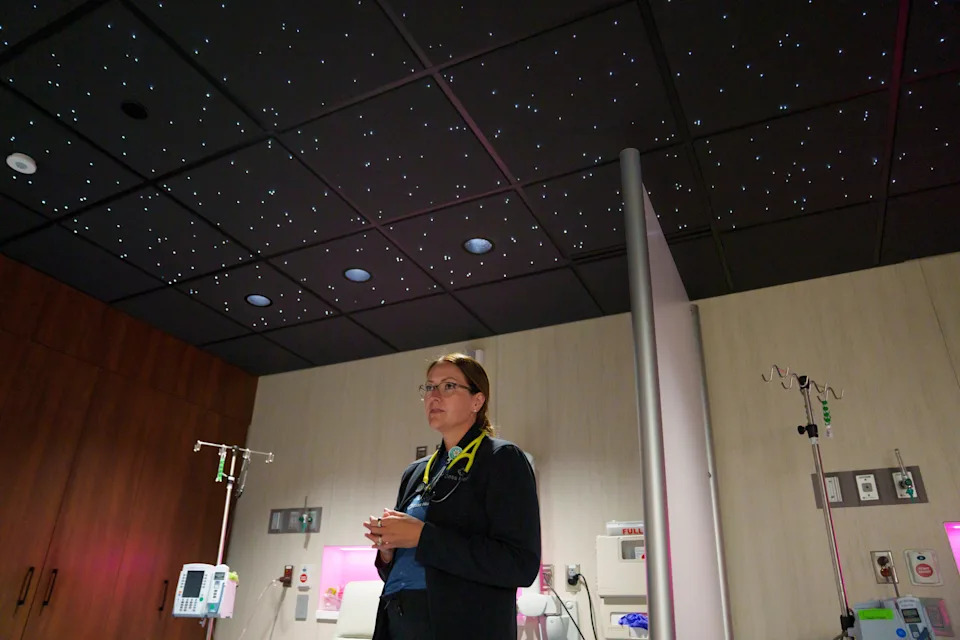
Nurse Emmy Benton works at the Tyler Family Cancer Center at Cass Health on Monday, Aug. 3, 2026, in Atlantic.
Cass County recently overtook neighboring Palo Alto County for the state’s highest county-level cancer rate. Local public-health leaders and clinicians are alarmed as rural cancer centers see younger patients and more demand than they can sustainably meet.
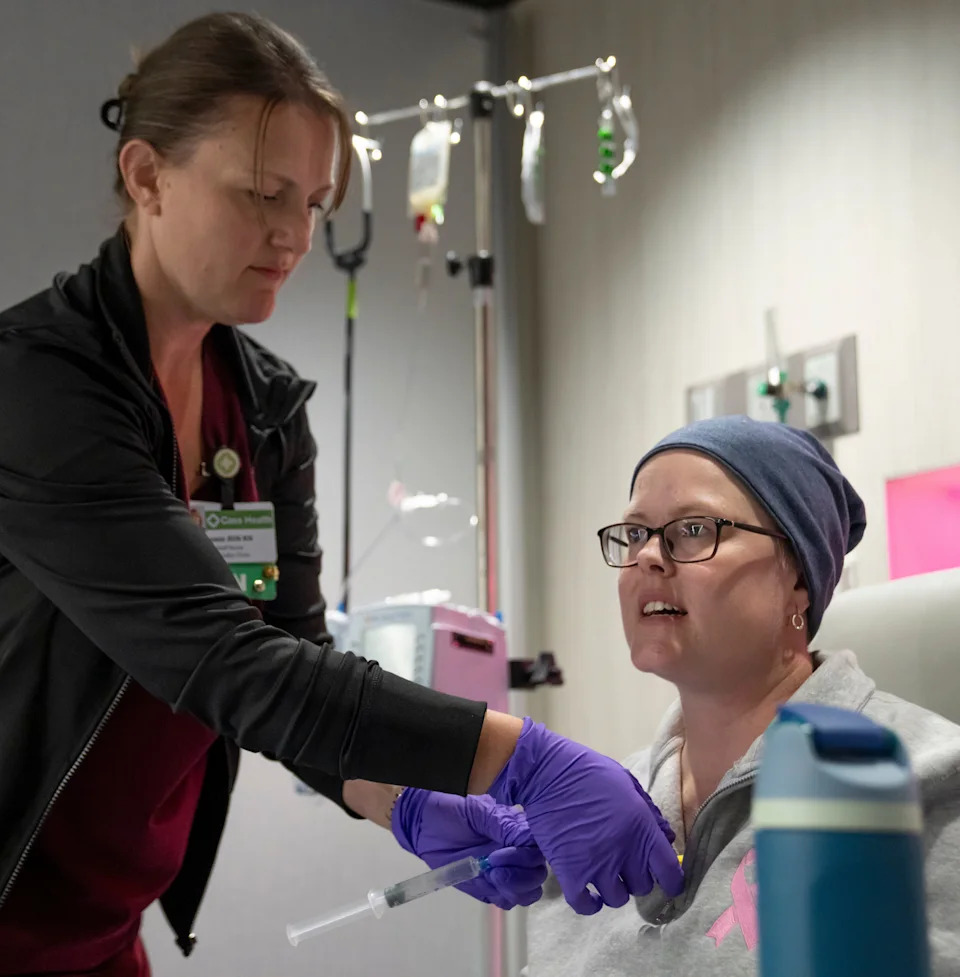
Victoria Means receives chemotherapy at the Tyler Family Cancer Center at the Cass County Memorial Hospital Monday, Aug. 3, 2026 in Atlantic, IA.
Why the Concern Focuses on Agriculture and Water
Iowa is one of the most intensively farmed places on Earth: about 84% of the state is farmland. In 2025 roughly 13.5 million acres of corn and nearly 10 million acres of soybeans were planted across more than 86,000 farms. To support that scale of production, nearly 11 billion pounds of commercial fertilizer are applied and livestock operations produce an estimated 215 billion pounds of manure annually.
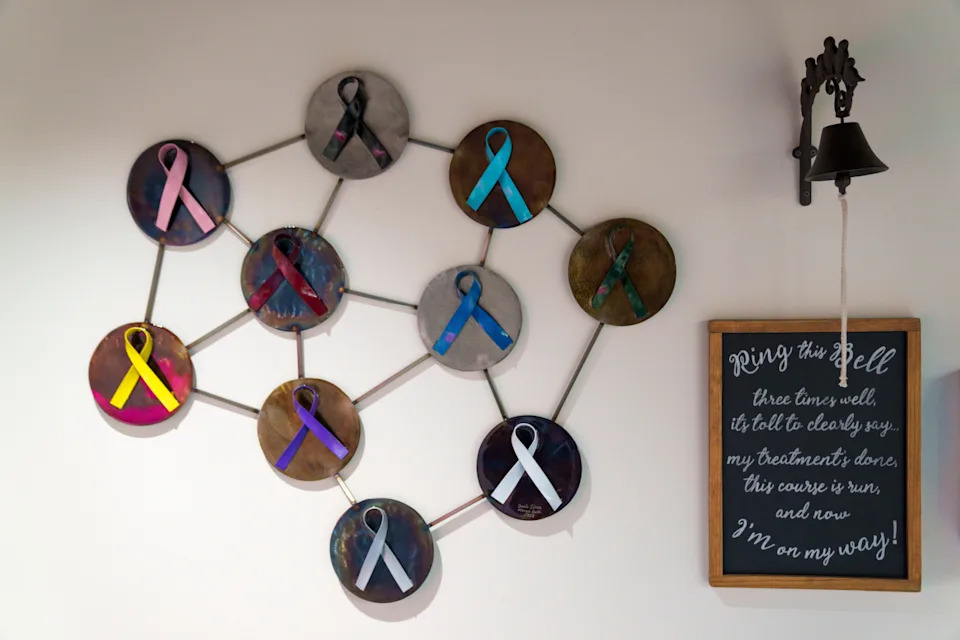
Cancer patients ring this bell at Cass County Memorial Hospital in Atlantic when they complete their treatment.
Beneath many fields sits a complex web of more than 2 million miles of drainage tile — underground pipes that speed water and dissolved nutrients into streams and rivers. These drainage systems often convey excess nitrate (from fertilizer and manure) into waterways that feed municipal supplies. Research cited by Polk County describes the Des Moines and Raccoon rivers among the worst nationally for nitrate pollution.

Ann McCurdy, director of marketing and communications and chair of the Cancer Action Plan Team at Cass Health, cries as she listens to one of the stories from a patient receiving treatment on Monday, Aug. 3, 2026, in Atlantic.
Long-term exposure to elevated nitrate in drinking water is associated with higher cancer risk. While the U.S. Environmental Protection Agency’s regulatory limit for nitrate is 10 mg/L (set to prevent infant health risk), newer research links increased cancer risk at levels around 3 mg/L. From 2021–2023 about 1.2 million Iowans were served by public water systems recording at least one nitrate test at or above 3 mg/L. In one local example, a private tap measured 6.9 mg/L.
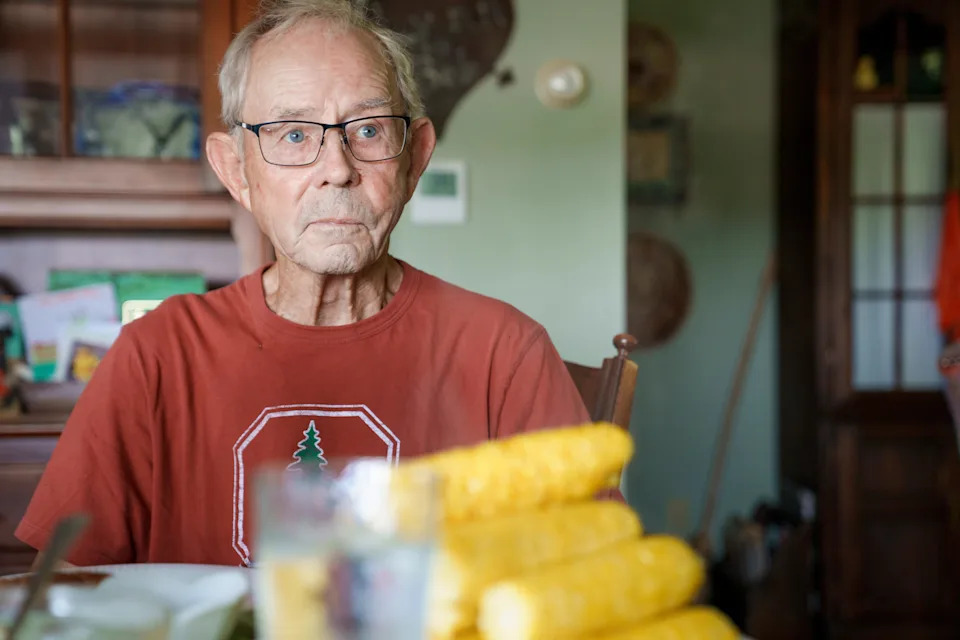
Bob Swan, who last year underwent treatment for duodenal cancer lives around 2 miles away from the Palo Alto County line. He visits with a reporter on Wednesday, July 29, 2026.
Decades-Long Changes, Slow Policy Shifts
The state’s cancer trend began veering from national declines around 2013 — roughly 30 years after the 1980s Farm Crisis accelerated consolidation, concentrated livestock production and heavier chemical use in Iowa agriculture. Many cancers arise decades after exposure, prompting investigators to consider long-term environmental and occupational exposures alongside lifestyle and genetic factors.
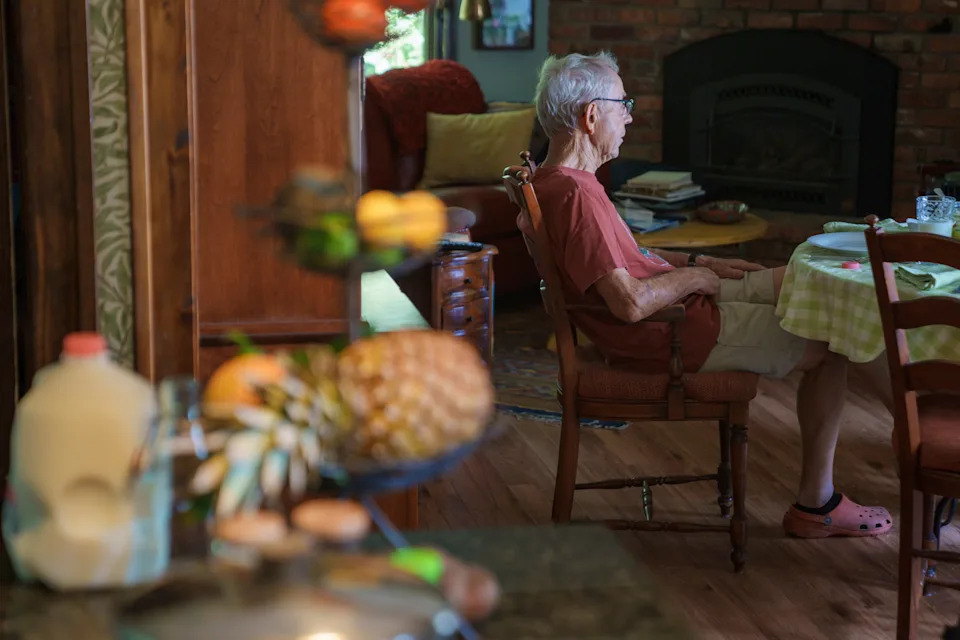
Lynn and Bob Swan live around 2 miles away from the Palo Alto county line Wednesday, July 29, 2026.
A 2026 report from the Iowa Environmental Council and the Harkin Institute identified agriculture as a major contributor to watershed nitrate and flagged pesticides and “forever chemicals” as additional concerns. Iowa’s Nutrient Reduction Strategy (launched in 2013) relies largely on voluntary measures such as planting cover crops. Yet by 2024 cover crops were used on less than 17% of corn and soybean acres — far short of modeled scenarios that assumed roughly 60% coverage to meet pollution goals.
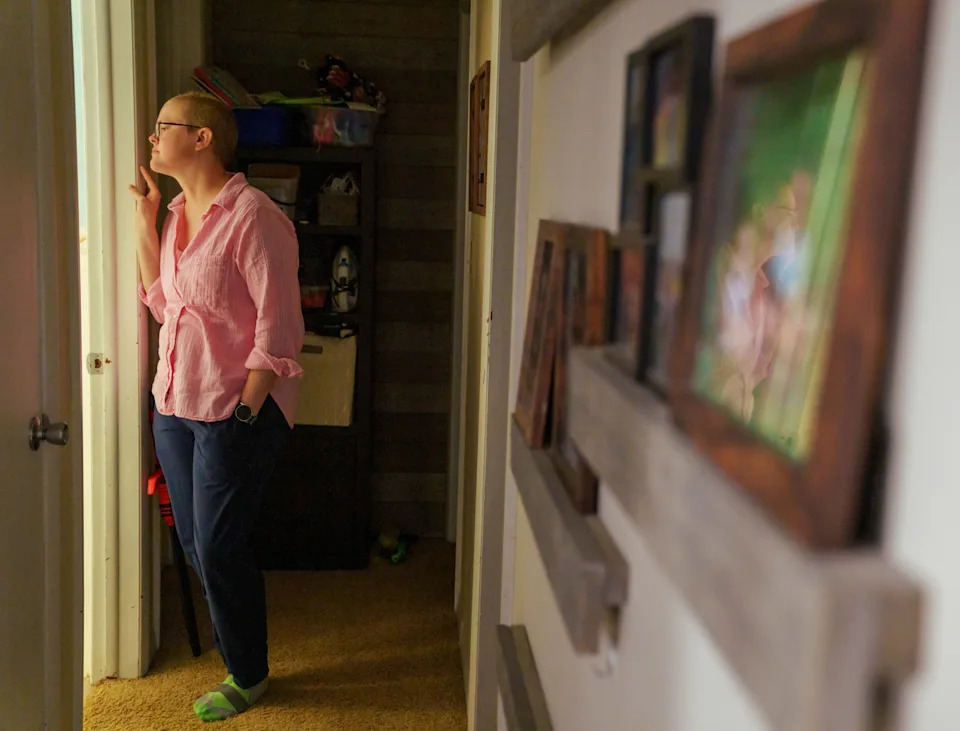
Victoria Means waits outside the bathroom as one of her 3 sons prepares for school Monday, Aug. 24, 2026 in Atlantic, Iowa.
Farmers, Communities and Calls for Change
Some farmers say the system creates pressures they cannot escape — a “hamster wheel” of production driven by market incentives. Others who have lost family members to cancer have begun urging stricter policies and better protections. At the same time, many rural residents feel betrayed by the long-term consequences of chemical exposure and the lack of meaningful regulation.
State leaders have emphasized voluntary conservation and recently announced more than $300 million for conservation and water infrastructure. Critics say voluntary programs have not produced fast enough or comprehensive results.
Strained Rural Health Care
Local hospitals feel the pressure. Cass Health expanded its cancer center in 2022 but by 2026 again struggled with capacity: specialist wait times have stretched from days to months. Leaders warn that federal Medicaid reimbursement cuts scheduled to begin affecting payments by 2028 could force cuts to essential services, including obstetrics — a change with downstream effects on access to screenings and early detection.
Health workers recount younger patients with aggressive cancers and families stretched to the limit by expensive treatments. At the same time, many rural communities have limited access to fresh food and preventive services, compounding health risks.
What Officials and Communities Are Doing
Local hospitals and public-health teams are prioritizing screening for colorectal, breast and lung cancers while trying to detect prostate and cervical cancers earlier. Advocates emphasize that up to 40% of cancers are preventable through a combination of policy change, environmental protection, lifestyle modification and improved access to care.
Residents, clinicians and some farmers are calling for more aggressive policy responses — stronger regulation of agricultural pollutants, wider adoption of conservation practices, better monitoring of private wells, and sustained support for rural health systems.
Looking Ahead
Iowa’s rising cancer incidence is a complex problem that mixes decades of agricultural change, environmental contamination, health-care capacity limits and social factors. As communities reckon with painful personal stories and stark data, the debate over how to protect public health while sustaining productive agriculture is intensifying.
This piece is the first in a series examining Iowa’s cancer crisis and the lives caught in it. If you or someone you know has been affected by cancer in Iowa, share your story with the reporting team.
Help us improve.