Key takeaway: The Florida Policy Institute warns that passage of Amendment 3 could cut $278 million from children's services councils and trusts over two fiscal years — about 15% of their revenue — risking program reductions or eliminations. Many councils rely on property-tax revenue and face legal limits on raising more, while state and federal child care funding has lagged inflation. If approved, the amendment will likely force policymakers to seek replacement funding amid an already strained environment.
Amendment 3 Could Slash $278M From Florida Child Care, After‑School and Early Learning Programs

Photo Credit: iStock
A proposed change to Florida's property tax rules, known as Amendment 3, could significantly reduce funding for child care, after-school programs and early learning services across the state, according to a new analysis from the Florida Policy Institute (FPI).
The FPI report estimates that approval of Amendment 3 would create a combined $278 million shortfall for children's services councils and trusts over two fiscal years — roughly 15% of their total revenue — a reduction that the report says would put many programs at risk of cuts or elimination.
Local Councils Face Tight Limits
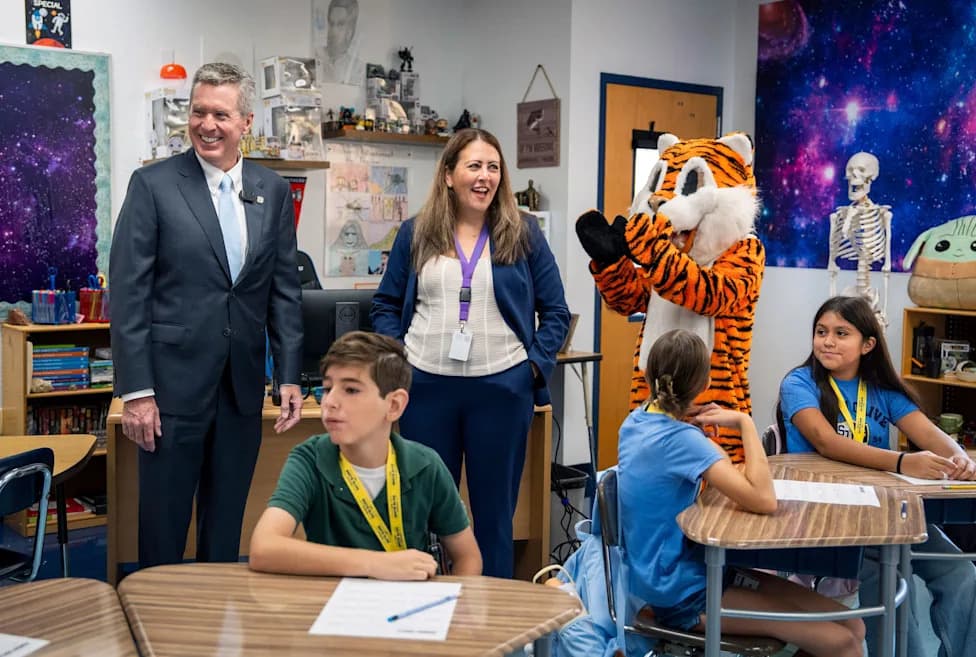
Children's services councils and trusts were created at the county level to fund organizations that serve children and families. They depend heavily on property tax revenue and, in many cases, face statutory caps on how much they can collect. That means these local bodies would have limited options to replace lost revenue if the amendment passes.
"There's this sort of perfect storm of ways that services for children and families and communities are at risk,"
— Norín Dollard, FPI senior policy analyst and director of KIDS COUNT
Compounding Fiscal Pressures
The report highlights further pressures: state and federal child care funding has not kept pace with inflation, and grant opportunities are becoming scarcer. Together, these trends could mean fewer program slots, reduced support for working families, and tougher choices for communities trying to maintain or expand services.
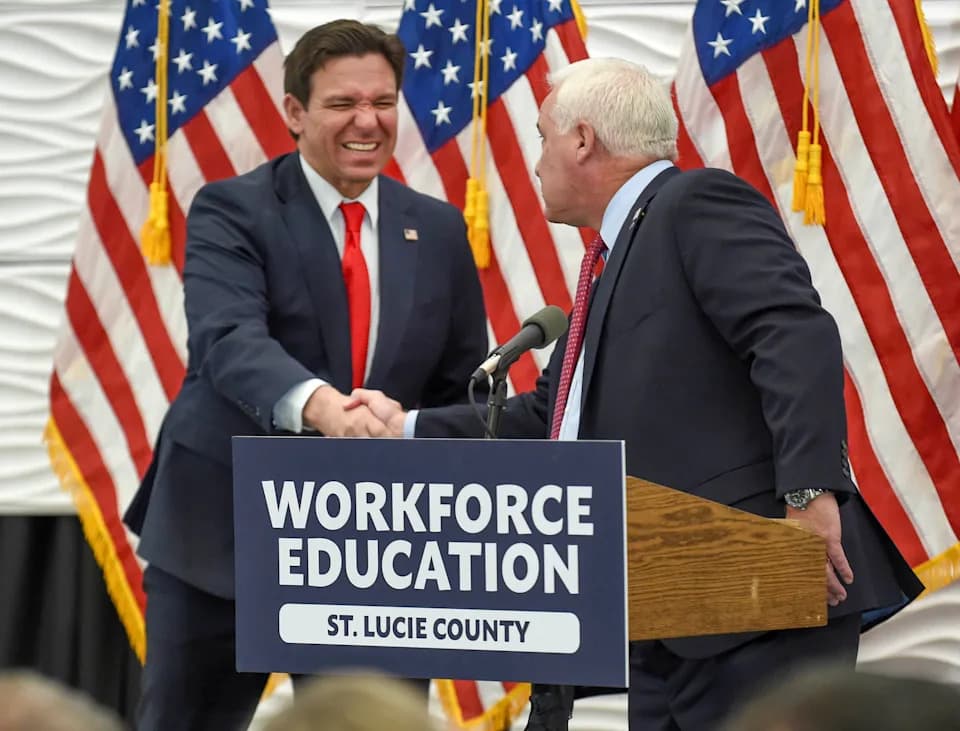
Supporters of Amendment 3, including Governor Ron DeSantis, describe the measure as "modest" and argue it will provide homeowners relief from rising property tax bills. Opponents warn that near-term tax savings could come at the cost of essential services for children and families.
What Comes Next
If voters approve the amendment, policymakers and advocates will likely face mounting pressure to identify replacement funding sources. The FPI report emphasizes that many councils already operate under constrained budgets and limited flexibility, making quick fixes difficult.
Related Context
- WUSF reported on the FPI analysis, which focuses on the fiscal impact across Florida's children's services councils and trusts.
- Other recent state decisions have also reduced public investments in related community and environmental programs, underscoring shifting funding priorities.
Bottom line: Passage of Amendment 3 could sharply reduce local funding for programs that support children and working families, forcing difficult trade-offs between short-term tax relief and long-term community services.
Help us improve.