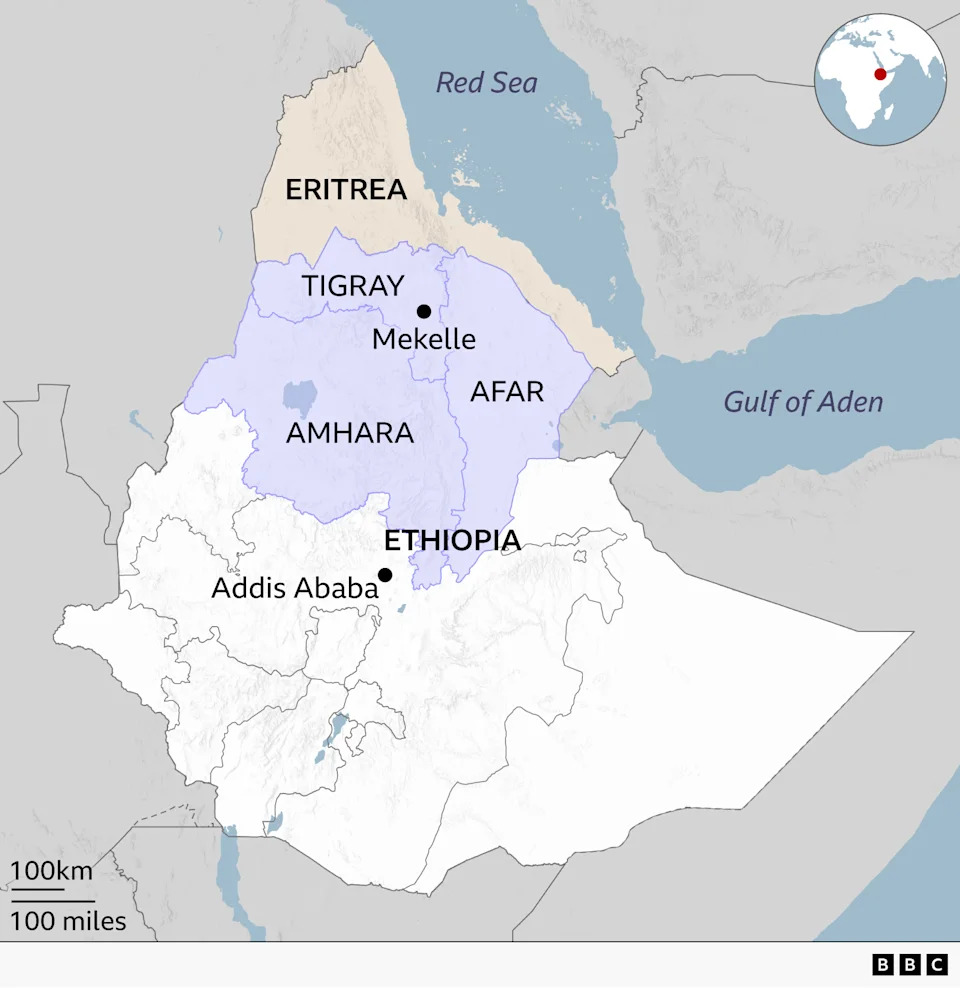
Fighting has flared again in Ethiopia's Tigray region, spreading into Afar and Amhara amid communications blackouts and ATM failures that have prompted panic buying and deepened humanitarian worries. Key unresolved disputes from the Pretoria Agreement — notably control of western Tigray, disarmament and regional governance — are driving renewed tensions. The TPLF has joined an "Alliance for Survival" with other armed groups, complicating diplomacy as the AU, UN and IGAD call for an immediate ceasefire and urgent talks led by Olusegun Obasanjo.
Tigray on the Brink: Clashes Escalate, New Alliances Form and Risk of Wider War in Ethiopia

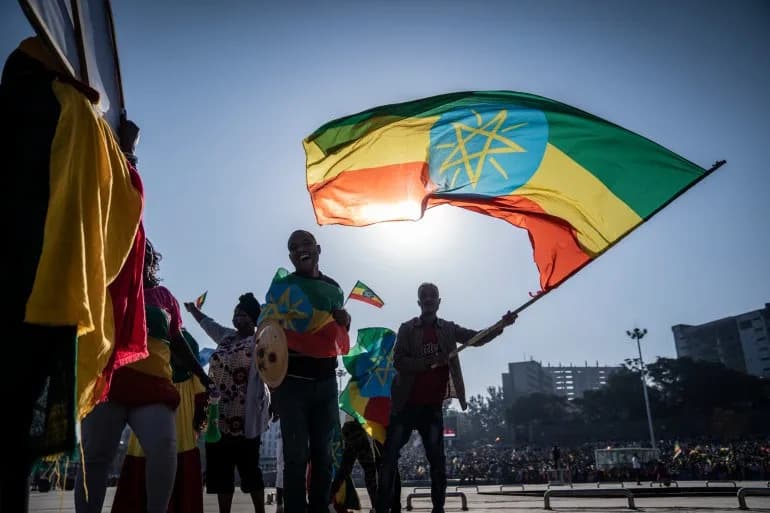
Tigrayan forces have been patrolling the streets of Tigray's capital, Mekelle, this week [Reuters]
Fighting has erupted again in Ethiopia's northern Tigray region, with intense clashes between Tigrayan forces and the federal military that have already spread into neighbouring Afar and Amhara. Reports of panic buying and widespread communications outages have raised alarm about a potential return to large-scale conflict.
Background
The current escalation follows more than six months of deteriorating relations between Addis Ababa and the Tigray People's Liberation Front (TPLF). The Pretoria Agreement brokered by the African Union (AU) effectively ended major hostilities in 2022, but several core disputes remained unresolved.
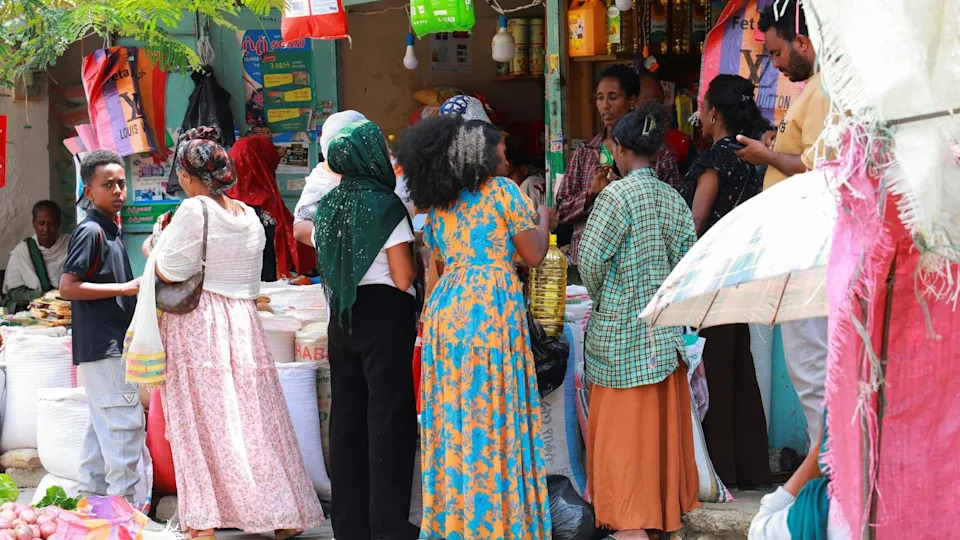
People have been reportedly rushing to buy food, panicking that a full-blown war will start [Reuters]
What Is Driving the Tension?
Four central issues have sustained tensions: control of western Tigray; the disarmament and verification of TPLF forces; the composition and authority of regional administration; and the humanitarian and economic fallout from the earlier war. Western Tigray — a fertile area captured early in the 2020–22 conflict by Amhara-aligned forces — is particularly contested. The TPLF demands its return and the right of displaced Tigrayans to return, while the federal government calls for a referendum to determine the area’s future.
Front Lines and Allegations
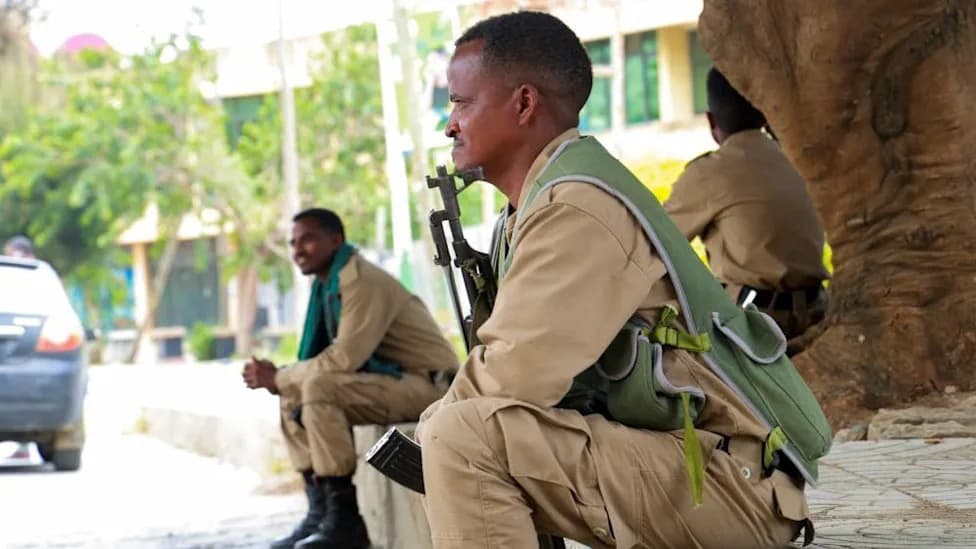
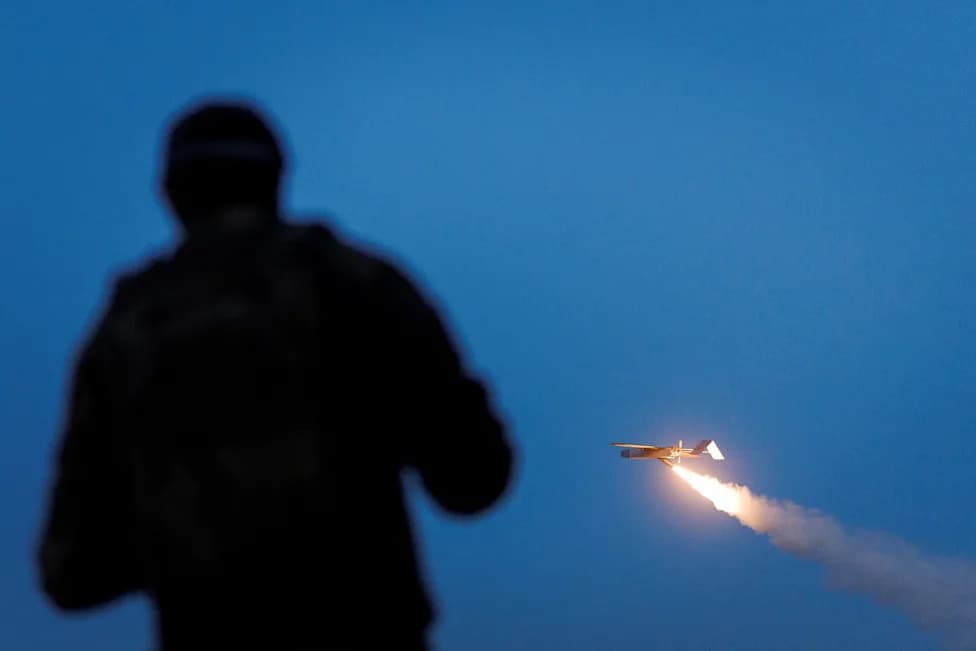
Both sides accuse the other of initiating the latest hostilities. The TPLF says it was responding to a federal offensive that included drone strikes; the government says Tigrayan forces seized airports and struck federal positions. Independent verification of many reported strikes, including drone attacks, remains difficult.
[BBC]
Humanitarian And Economic Impact
Communications blackouts and ATM failures have impeded access to money and information in an economy that has grown largely cashless in recent months. Hundreds of thousands displaced from western Tigray during the earlier fighting remain in camps in Tigray and Addis Ababa. The resumption of hostilities risks deepening humanitarian needs and reversing fragile recovery efforts.
Shifting Alliances
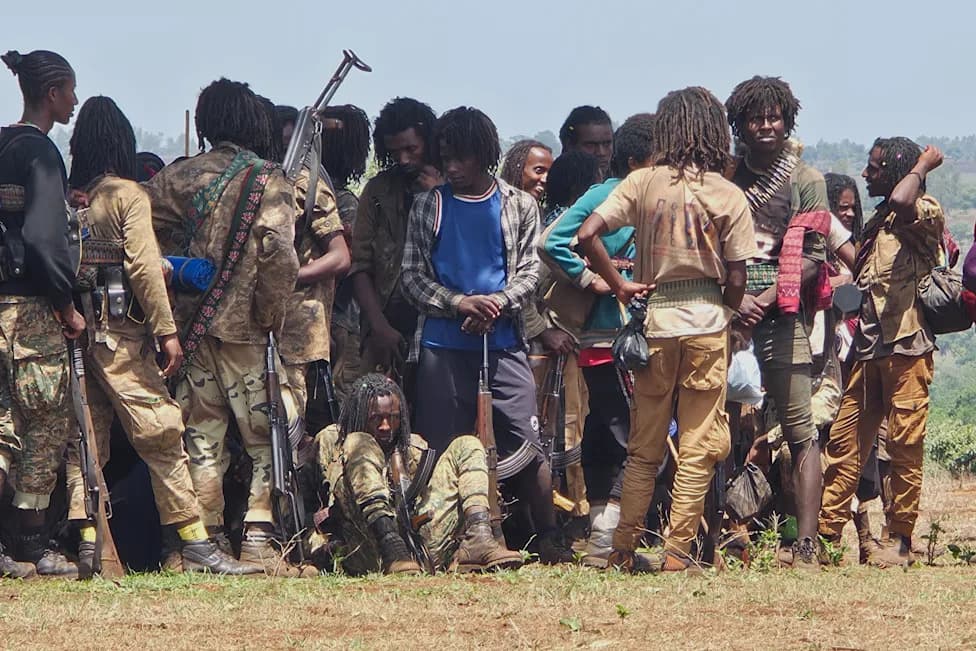
Politically, the TPLF has taken a notable step towards broader cooperation with other armed groups. In September it joined six other movements in an "Alliance for Survival," which includes Amhara’s Fano militia and the Oromo Liberation Army (OLA). Members of the alliance have diverse aims but share a common opposition to Prime Minister Abiy Ahmed’s government. Analysts warn this coalition may be fragile given differing long-term objectives among its partners.

[BBC]
Regional Stakes
Relations with Eritrea also complicate the picture. Addis Ababa has accused Asmara of supporting armed groups inside Ethiopia — a claim Eritrea denies. Rivalry over access to Red Sea ports, particularly the southern Eritrean port of Assab (about 60 km from the border), has increased regional tension and could draw neighbouring states further into the crisis.
Diplomatic Efforts And Risks
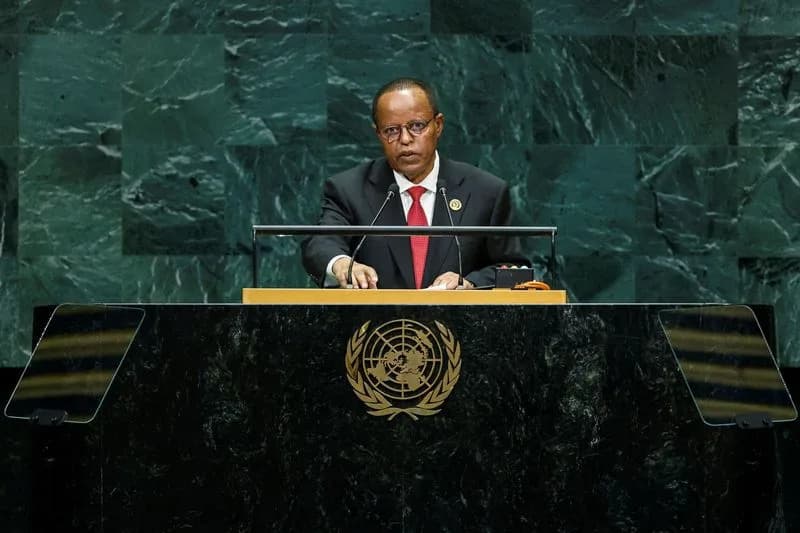
The AU, the UN and IGAD have called for an immediate cessation of hostilities and a return to direct negotiations. The AU has asked former Nigerian President Olusegun Obasanjo to lead urgent engagement in the Horn of Africa. Observers warn there is a real risk that violence could widen across Ethiopia, linking existing conflicts in Amhara and Oromia and potentially inviting renewed external involvement.
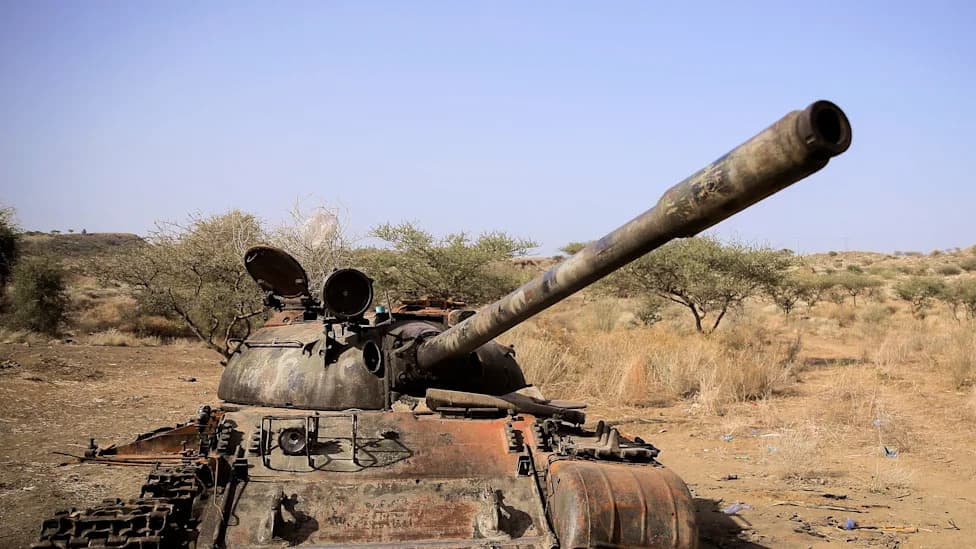
Human Cost: An AU mediator estimated roughly 600,000 deaths during the 2020–22 war and the conflict pushed Tigray close to famine. The fragile truce agreed in November 2022 has not resolved the underlying political, territorial and security disputes that continue to threaten peace.
Help us improve.