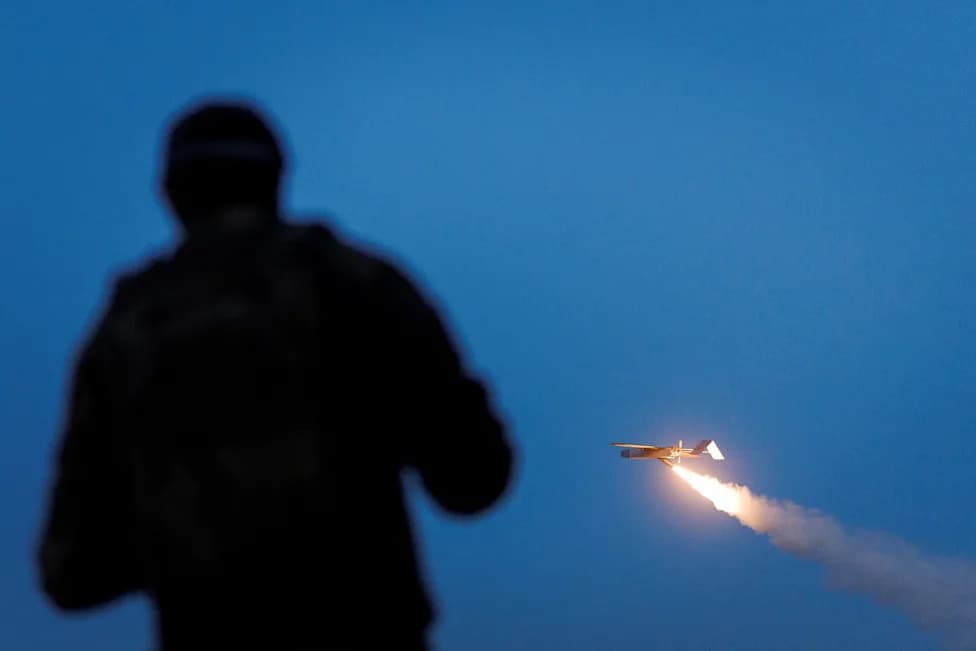
'NAZA' is a Venice-awarded documentary based on interviews with 24 Israeli soldiers and intelligence officers that alleges AI-assisted surveillance and targeting contributed to large numbers of civilian deaths in Gaza. The film has won international praise but provoked accusations of treason from top Israeli officials and heated public debate. Critics call for transparent, evidence-based scrutiny of anonymous testimonies and disputed casualty figures, while supporters warn that attacking filmmakers replaces fact-finding with tests of loyalty.
‘NAZA’: Venice-Awarded Documentary Alleges AI-Guided Civilian Targeting and Sparks Outcry in Israel

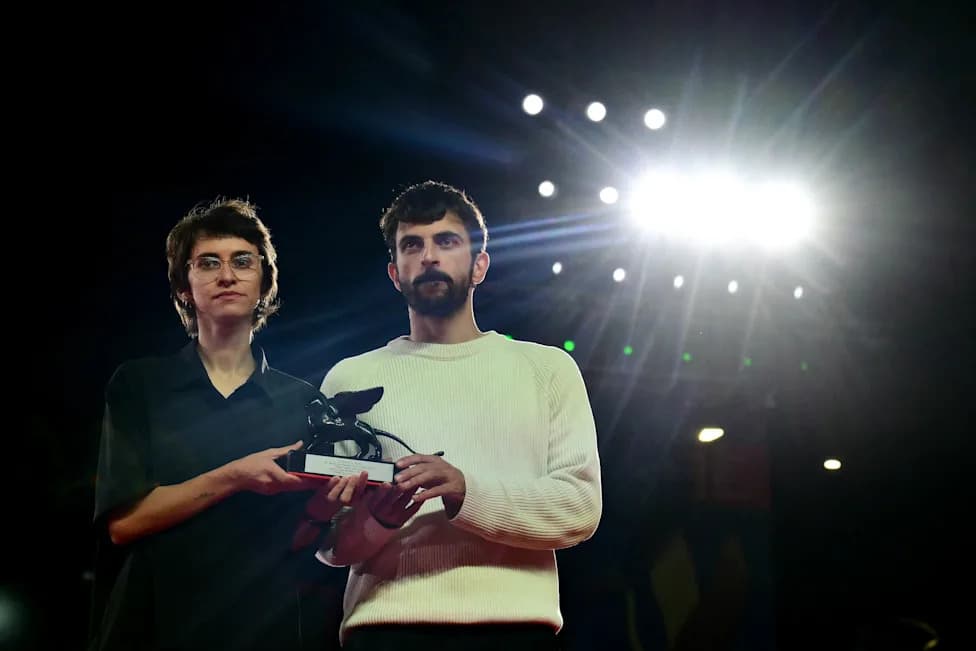
Yuval Abraham and Rachel Szor posing with the Special Jury Prize Award at the Venice International Film Festival. | Credit: Andreas Rentz / Getty Images
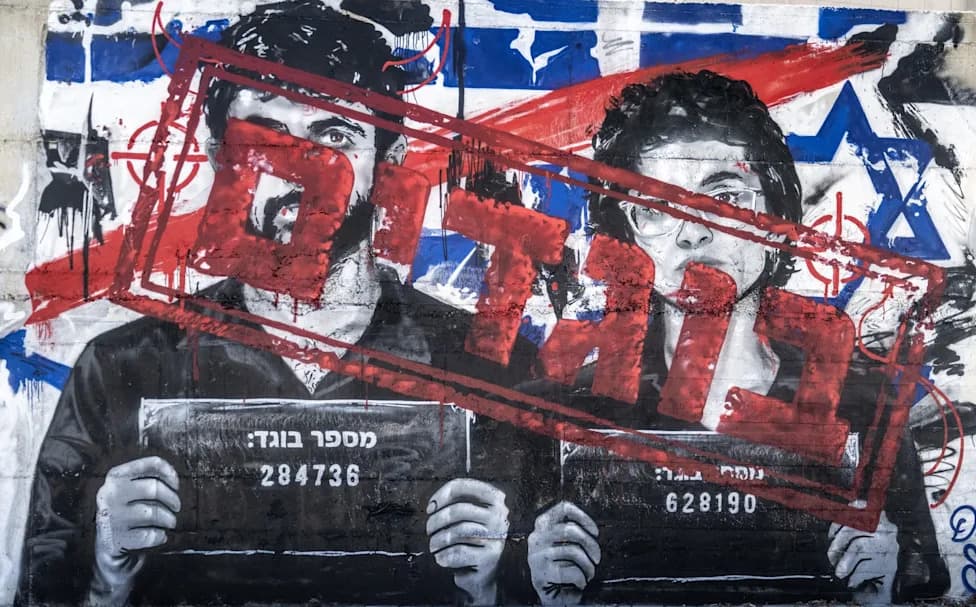
'NAZA' is a provocative new documentary built on on-camera interviews with 24 current and former Israeli soldiers and intelligence officers. Directed by Rachel Szor and Yuval Abraham, the film claims that AI tools and automated surveillance materially shaped targeting decisions in the Gaza war and that thousands of Palestinian civilians were killed as a result.
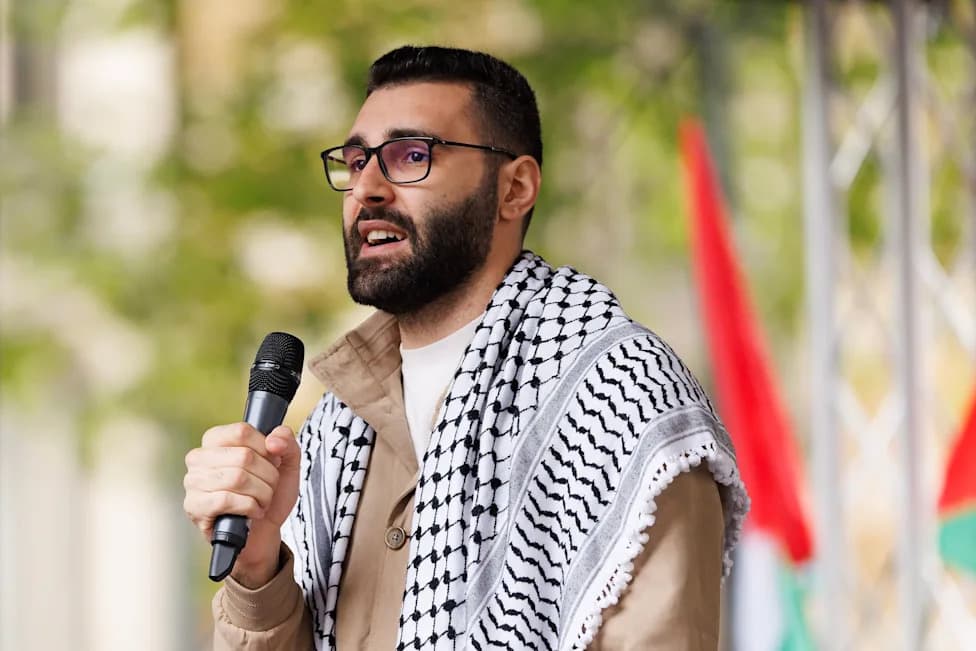
'What surprised me was not the scale or the coldness of the killings, but the proficiency,' wrote Mahmoud Mushtaha in +972 Magazine, reflecting the tone of testimony in the film. Several interviewees describe operations in matter-of-fact terms, sometimes likening them to a 'routine errand' or even a 'video game.'
The title 'NAZA' derives from an Israeli military acronym reportedly used to estimate expected 'collateral damage'—a metric the film suggests was used operationally to weigh civilian harm against tactical objectives. At Venice, the documentary received a 25-minute standing ovation and won a Special Jury Prize.
In Israel the film has provoked fierce reaction. Culture Minister Miki Zohar publicly accused the directors of 'treason' and urged that they be stripped of citizenship, a stance supported by Prime Minister Benjamin Netanyahu. Protesters have also targeted the filmmakers' families, and debate has been heated despite the film not yet being widely screened domestically.
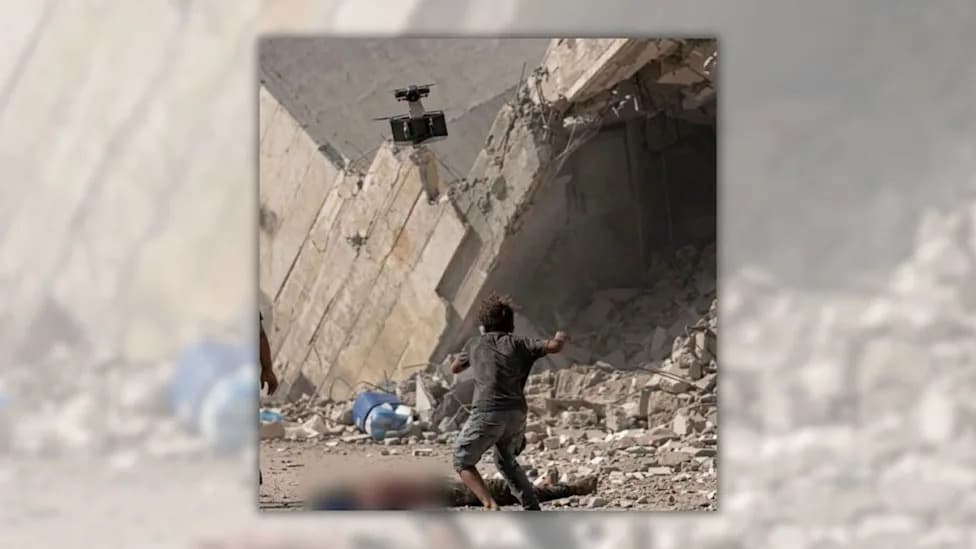
The film presents several stark claims: some interviewees describe benchmarks such as a '20 Naza' ratio—interpreted in coverage as accepting roughly 20 civilian deaths for every one alleged militant casualty—and one on-camera source is portrayed as saying approvals had allowed strikes that produced as many as 500 civilian deaths to hit a single target. The Israel Defense Forces has denied these figures, and independent verification of such specific counts is contested.
Commentators are divided. Critics urge careful public scrutiny of the film's allegations, noting that many interviewees speak anonymously and that their ranks or motives are not disclosed. Some analysts point out apparent discrepancies: for example, Hamas's own casualty compilation lists the largest single strike at 132 fatalities, far fewer than the 500 figure cited in the film.
Supporters of the documentary say attacking the filmmakers undermines factual debate and substitutes tests of loyalty for evidence-based inquiry. Opponents say the film presents unverified claims that demand careful journalistic and legal scrutiny rather than immediate acceptance.
Why it matters: 'NAZA' has reignited international attention on civilian harm in the Gaza conflict, raised questions about the role of AI and automated targeting systems in modern warfare, and exposed deep political and social fault lines inside Israel about accountability, national narrative, and the limits of dissent.
Help us improve.