Lonnie Bunch, the Smithsonian’s outgoing secretary, received a standing ovation at the National Museum of African American History and Culture as he defended the museum against political attacks and reviews ordered by the administration. He argued that confronting slavery and other painful truths is essential to understanding America's foundation and insisted curatorial work must rely on independent scholarship. The event featured a $1 million pledge from Shonda Rhimes to a new legacy fund, seeded by a $3.5 million anonymous gift, intended to protect the museum’s independence.
“Let’s Tell the Truth”: Lonnie Bunch Receives Standing Ovation as He Defends Smithsonian Against Political Pressure
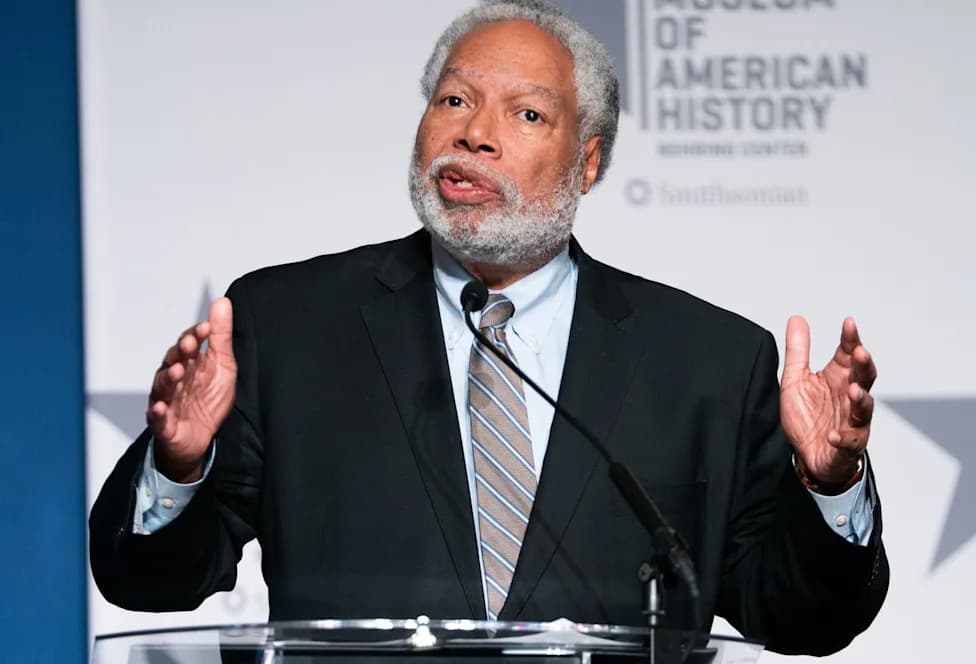
Outgoing secretary of the Smithsonian Institution Lonnie Bunch.Photograph: Allison Robbert/AP
Lonnie Bunch, the outgoing secretary of the Smithsonian Institution, pushed back against political interference on Friday, arguing that honestly presenting the complex and painful parts of American history is an act of "great love" for the country.
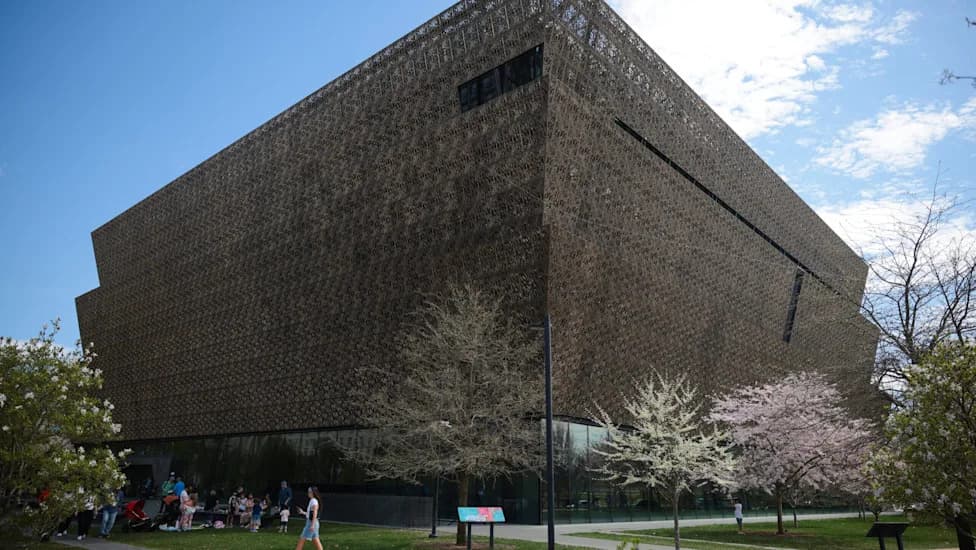
Speaking at the National Museum of African American History and Culture in Washington on the museum’s 10th anniversary, Bunch received a standing ovation from hundreds of audience members after rejecting claims that the Smithsonian’s staff or exhibitions are unpatriotic.
"The notion that somehow this museum or any part of the Smithsonian is done by people who don't love America, don't care about America, is unbelievably wrong," Bunch said. "And what you see in this building is great love. Great respect."
Context and Political Pressure
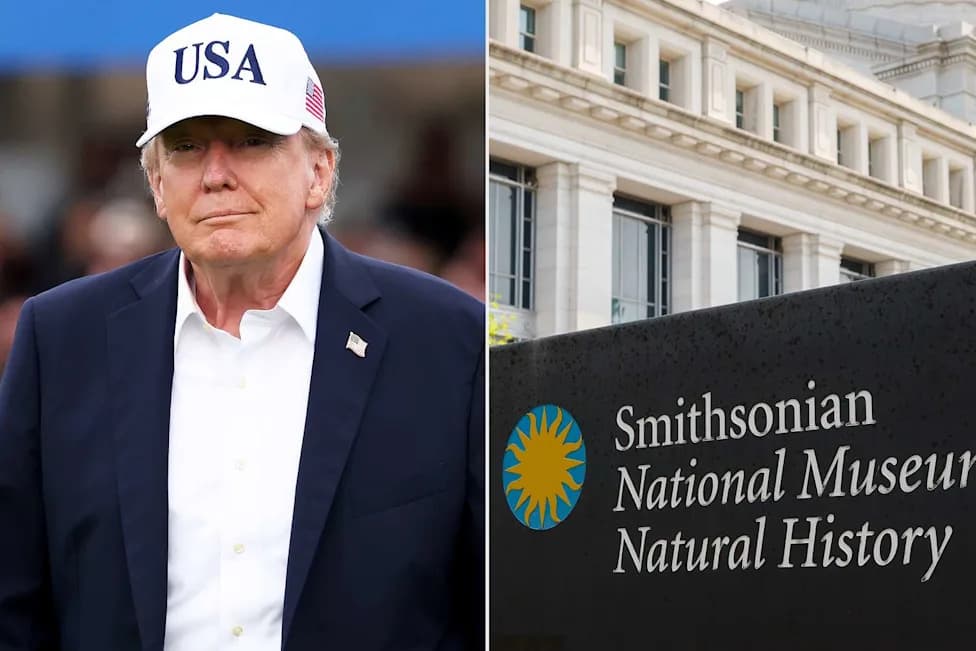
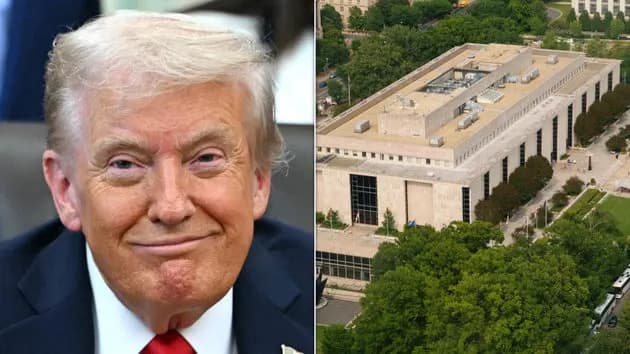
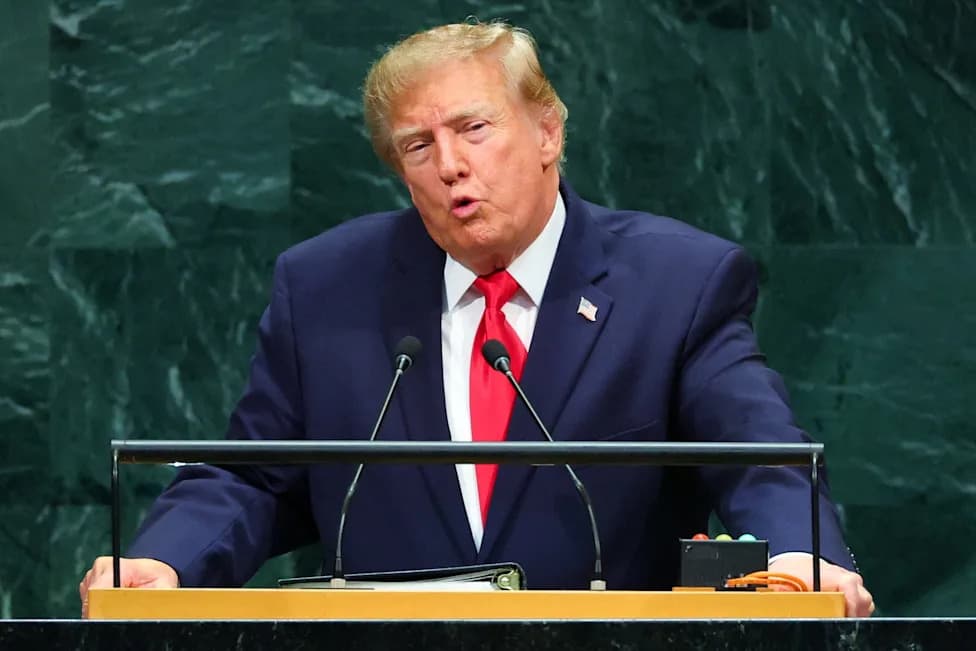
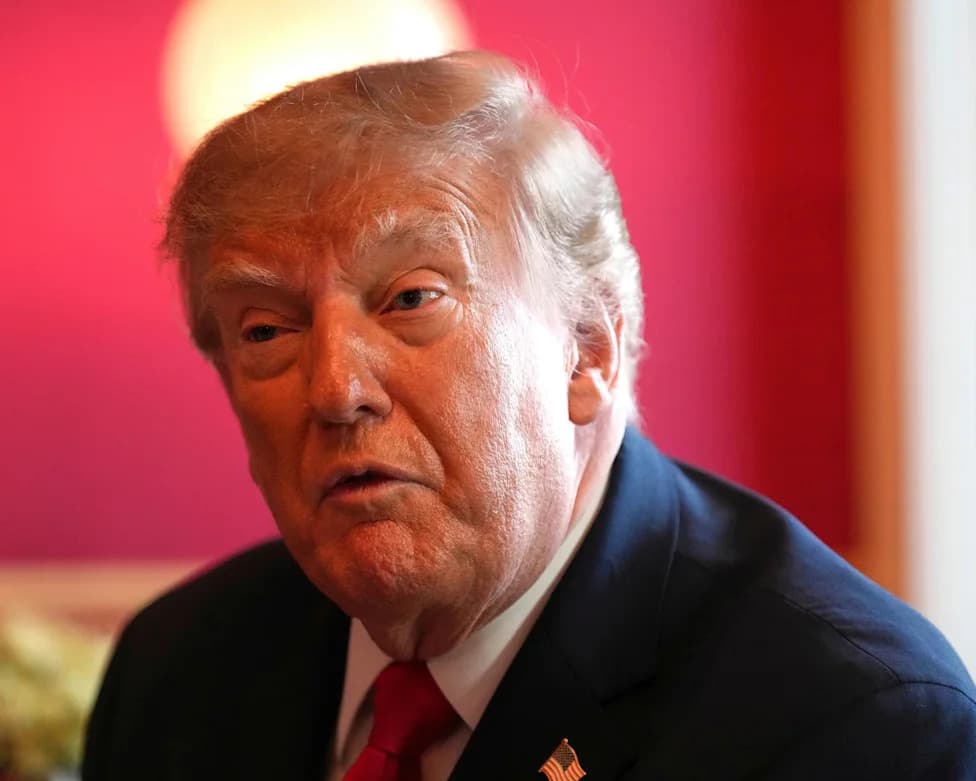
Bunch’s remarks came amid escalating tensions with the administration, which issued a report accusing Smithsonian leaders of acting as radical activists and ordered a broad review of museum content ahead of the nation’s 250th anniversary. Former President Donald Trump criticized the institution last year on his social platform, saying the Smithsonian focused too heavily on slavery and national hardship.
Responding to those criticisms, Bunch said that slavery is "foundational" to understanding the United States. He urged Americans to confront that history not to shame the nation but to grasp how the country was formed and how people maintained hope under unimaginable conditions.
"When people say you talk too much about slavery or that they're embarrassed by slavery, I wish I was as strong as my enslaved ancestor. I wish I could believe in America that they believed... For me, it's not about trying to hurt a country. I'm trying for people to understand: how did these people believe? How did they lay this foundation that we built upon? Because everything started there."
Legacy and Independence
Bunch, who began his Smithsonian career in 1978 and became the Institution’s first Black secretary in 2019, emphasized that curatorial decisions should be driven by independent scholarship rather than political pressure. "You cannot understand the greatness of a country without understanding the totality of a country," he said. "Curating means let's shine the light. Let's tell the truth."
Reflecting on his time as founding director of the National Museum of African American History and Culture, Bunch described the museum as a "beacon of possibility" and "a place of resistance." He recounted how walking past Emmett Till’s casket in the galleries reminded him—and he hoped others—that perseverance and progress are possible.
Support and Funding
The event included television producer and Smithsonian board member Shonda Rhimes, who pledged $1 million to a newly launched legacy fund in Bunch’s honor. The fund was seeded with a $3.5 million anonymous donation and aims for a minimum $10 million goal to support the museum’s independence and programs.
Acting museum director Shanita Brackett said the fund will "support this museum uniquely and solely" and will help ensure continued commitment to inclusion, public engagement, and independent scholarship free from outside influence.
Broader Reactions
After announcing his planned departure at the end of the year, Bunch drew praise from Democratic Senator Alex Padilla for "speaking truth to power." Conservative organizations, including the Heritage Foundation, said they will advocate for a successor who will not treat the Smithsonian as a "culture-war battleground."
The Smithsonian is governed by a Board of Regents that includes the Chief Justice of the United States and the Vice President of the United States. The debate over museum content highlights tensions about how public institutions interpret and present national history.
Even as Bunch prepares to leave, he voiced confidence that the museum and its mission will endure. "No matter what anybody says, you could never erase what's in this building," he said.
Help us improve.