Canadian Finance Minister François‑Philippe Champagne urged the UK to consider joining a proposed Canada–EU economic partnership, calling it “an alliance of the future” amid shifting global trade dynamics. He defended Canada’s retaliatory tariffs against the US as a measured defence of economic sovereignty and said the dispute presents an opportunity to diversify trade and strengthen resilience. The EU has proposed exploring a novel form of associate status for Canada to deepen cooperation on research, education and strategic supply chains, and talks remain exploratory.
Canada Urges UK To 'Team Up' With Proposed Canada–EU Economic Alliance, Minister Says
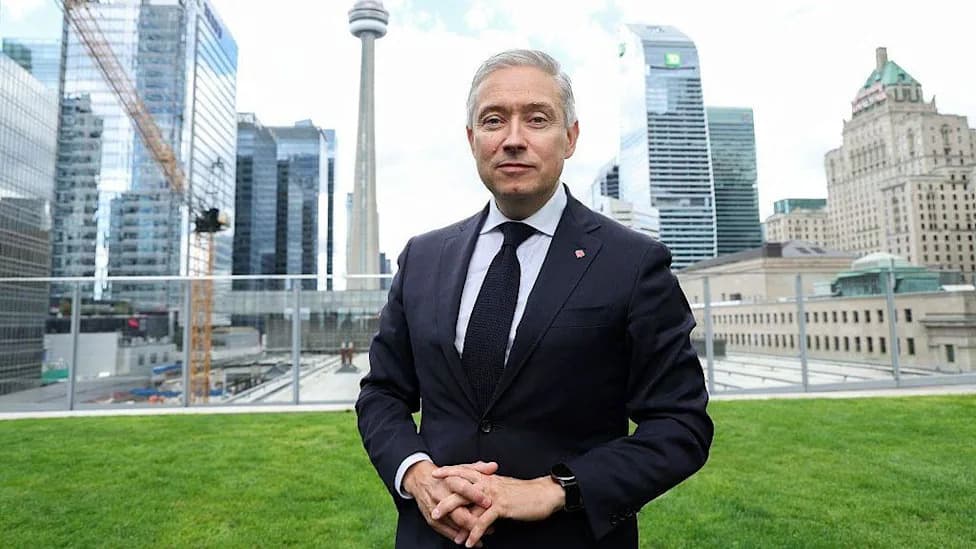
[Valerie Macon/AFP via Getty Images]
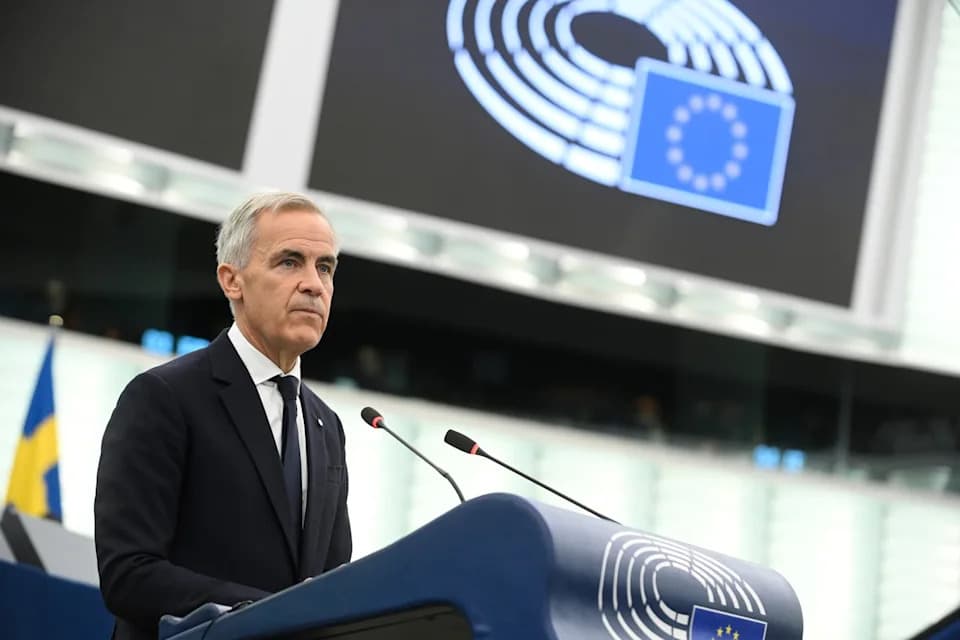
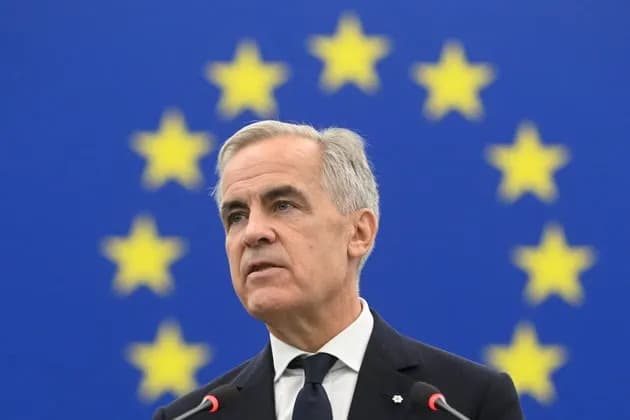
Canadian Finance Minister François‑Philippe Champagne has urged the United Kingdom to consider joining a proposed Canada–EU economic partnership, describing the idea as “an alliance of the future” as global geopolitics shift.
Champagne told the BBC that ties between like‑minded, democratic economies could strengthen economic resilience and security at a moment of rapid change. He framed the proposal as a practical response to shifts in global trade relationships and rising protectionism.
Associate EU Status Proposal
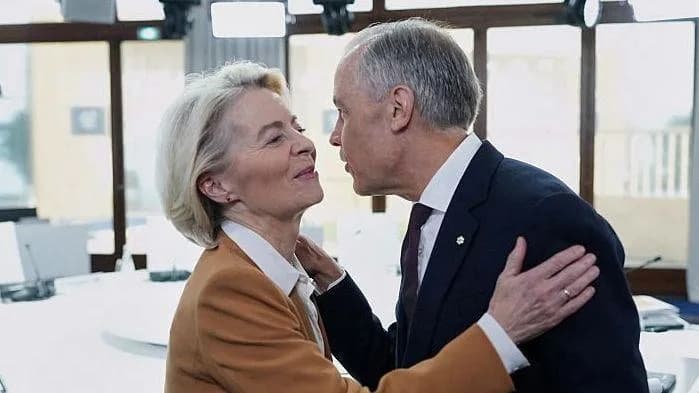
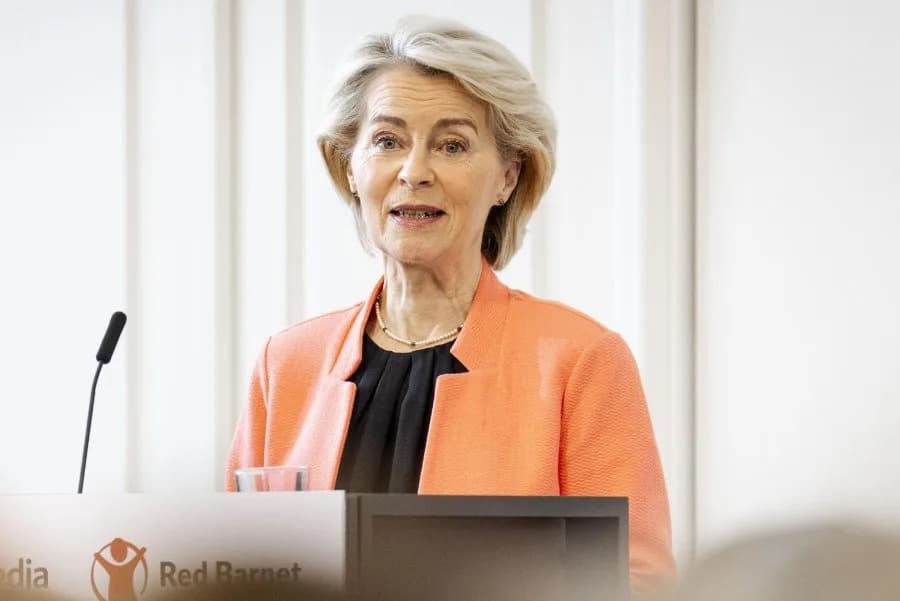
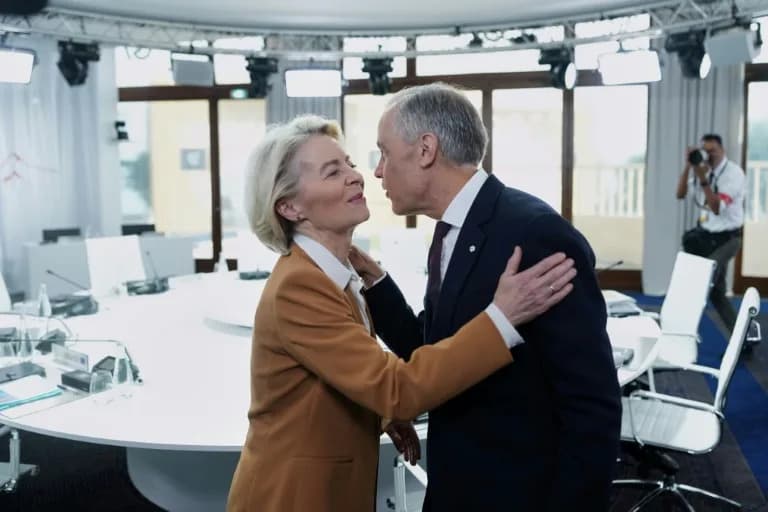
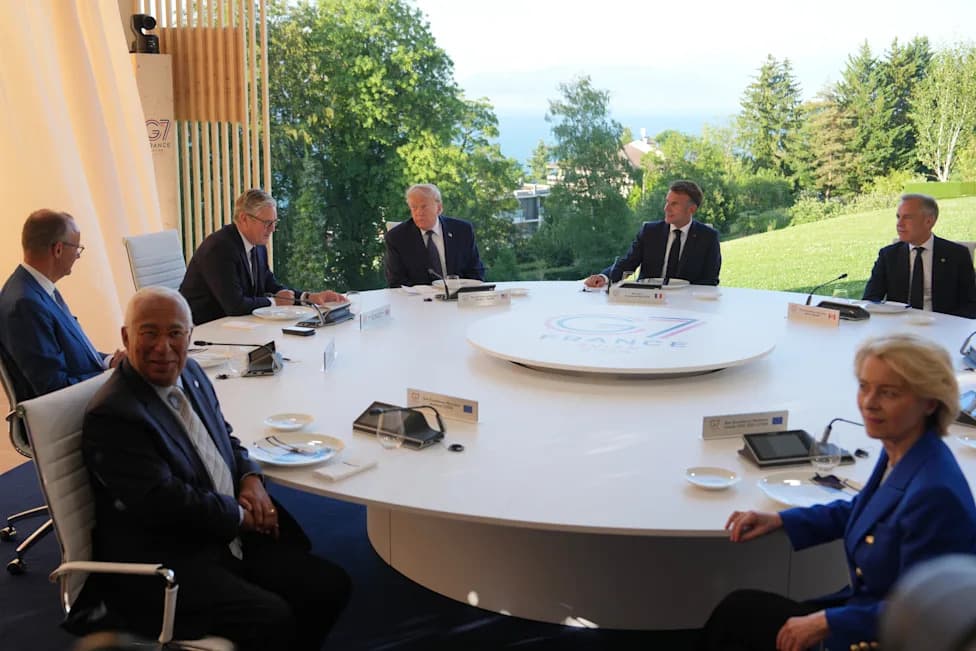
The remarks follow a proposal by European Commission President Ursula von der Leyen to explore a novel form of associate EU status for Canada — an unprecedented step for the bloc. The plan is intended to deepen cooperation on research, education, trade resilience and strategic supply chains without granting full EU membership.
Why Team Up?
“We are independent and sovereign, but we are stronger together,” Champagne told the BBC. “When you look at Canada — and I would say the United Kingdom — we share the same values. Why don’t we team up?”
Champagne and others argue that such a partnership could allow Canada, the UK and the EU to coordinate on critical minerals, energy supplies, technology access, research collaboration and movement of students and professionals.
Context: Trade Tensions With the United States
Champagne defended Ottawa’s decision to impose retaliatory tariffs after talks with the United States collapsed. He described Canada’s response as “measured, targeted and strategic — dollar‑for‑dollar, tariff‑for‑tariff” and said it was meant to protect domestic industries and workers while leaving the door open to re‑engagement.
He argued that Canada’s strong fiscal position had helped its resilience and that the dispute presents an opportunity to diversify trading partners and supply chains.
Wider Diplomatic Moves
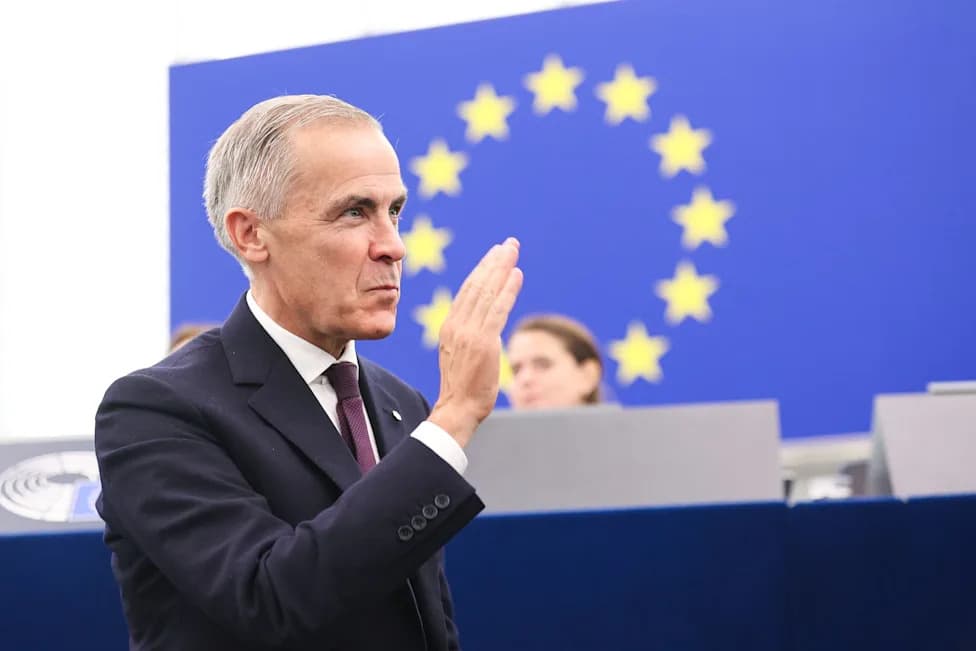
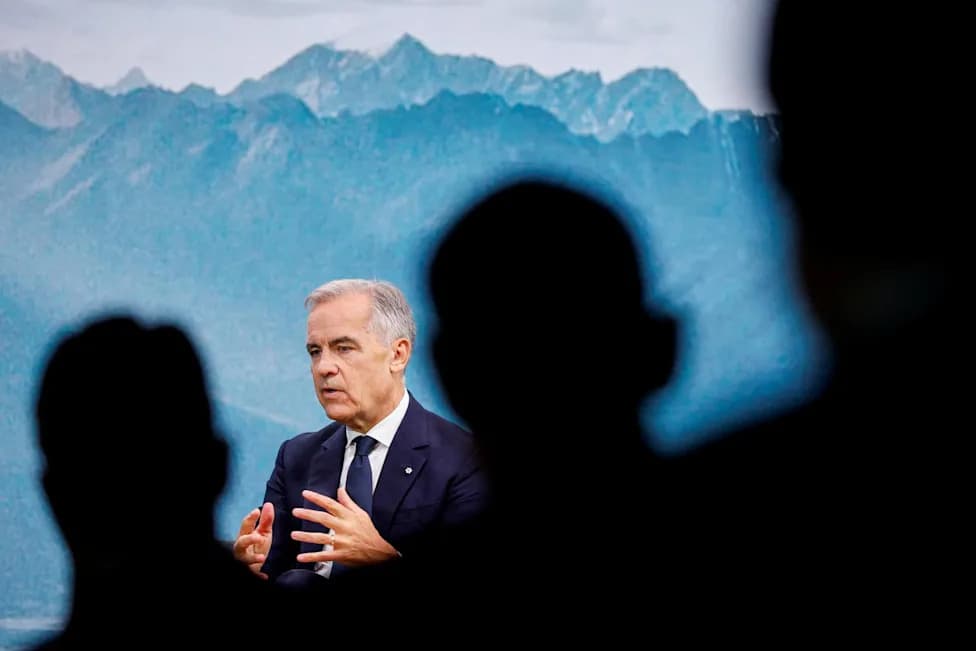
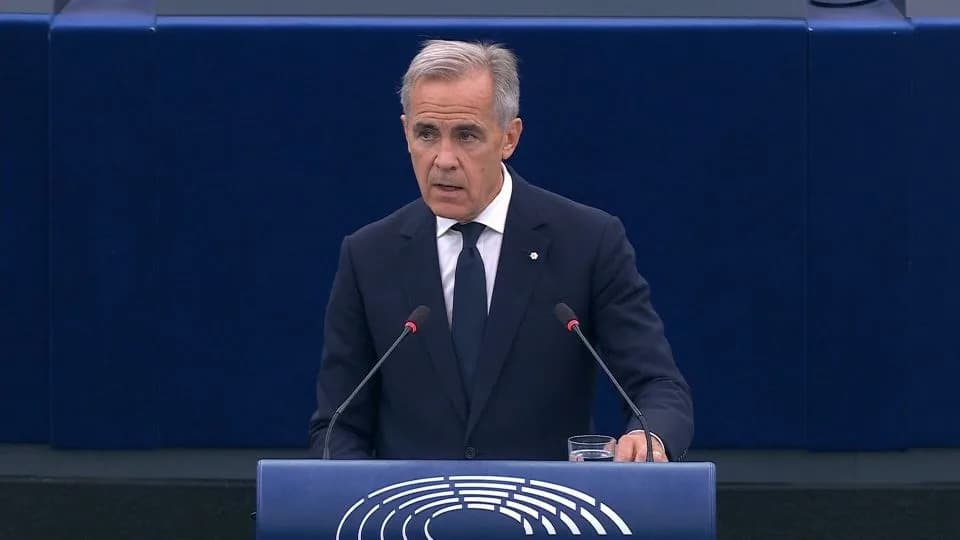
The conversations come as several senior figures — including former Bank of England governor Mark Carney, who has advocated closer ties among middle powers — have been discussing new frameworks for cooperation on growth, resilience and security. Canadian and EU officials have also talked about mechanisms that might include other like‑minded countries such as Australia.
Champagne described the moment as one of “great opportunities” to deepen Canada–EU ties while exploring partnerships with the United Kingdom. He emphasised that Canada did not seek confrontation with the US but felt compelled to defend its economic sovereignty.
Note: Discussions over any formal “associate” arrangement remain at an exploratory stage and details have yet to be negotiated or agreed.
Help us improve.