The White House launched a 24/7 livestream called "TrumpTV: The Essentials Station" on Monday at 7 p.m. ET, debuting with President Trump's July 3 Mount Rushmore speech. The move follows the administration's decision to bar CNN, MSNBC and Politico from White House access — a decision those outlets have challenged in federal court as a First Amendment violation. The television pool suspended coverage rather than replace CNN, and critics say the White House-controlled stream risks functioning like state-run media while the legal fight over access continues.
White House Launches 24/7 'TrumpTV' After Barring CNN, MSNBC and Politico
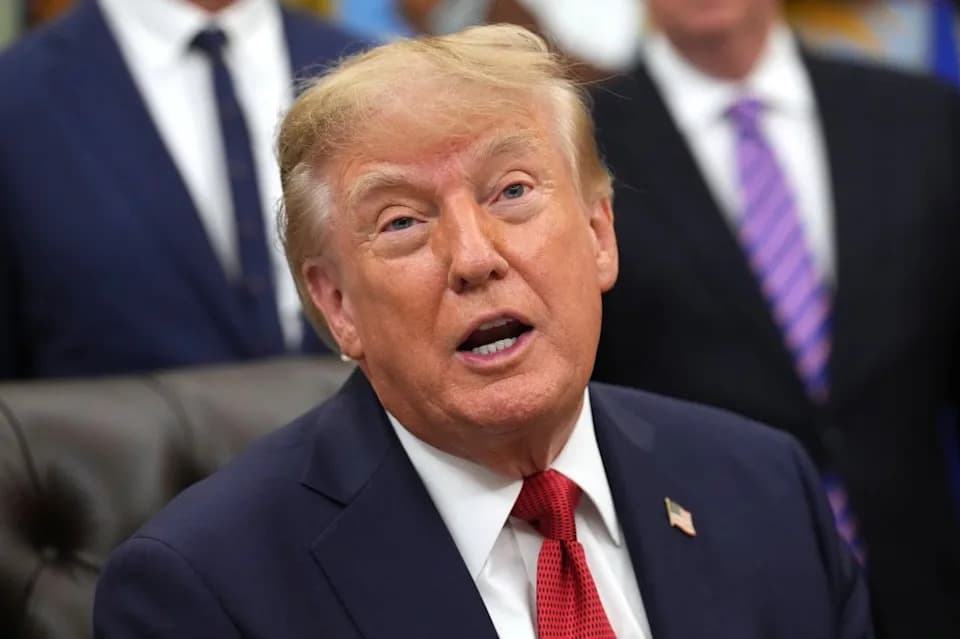
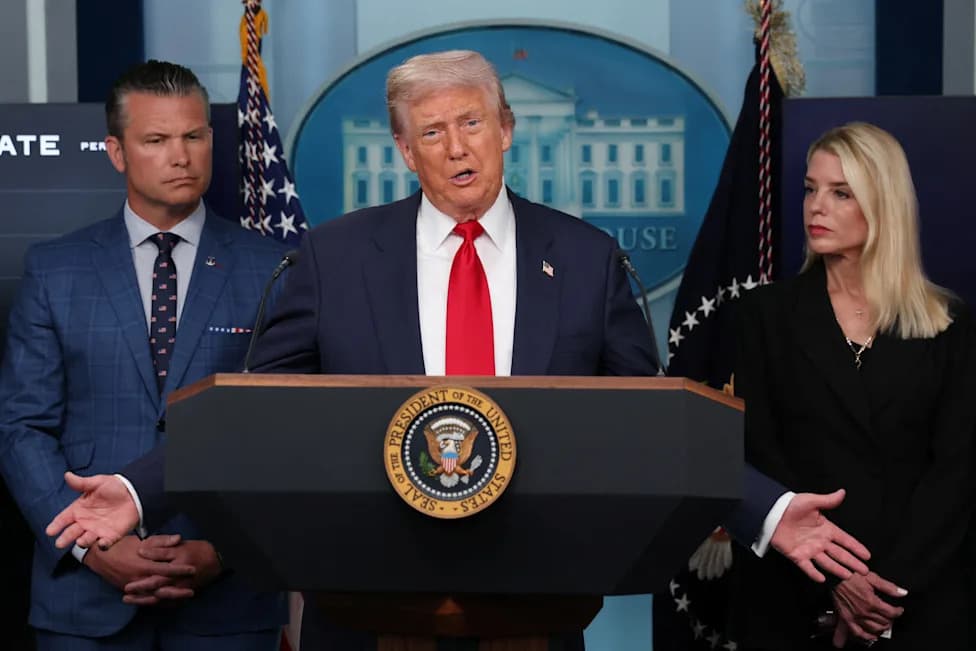
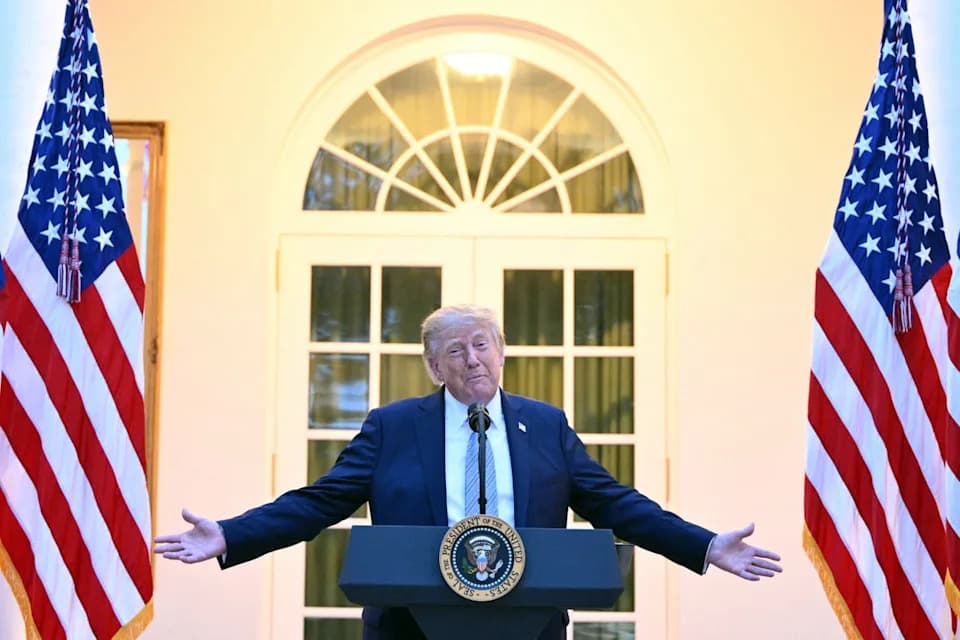
President Donald Trump speaks during an event about healthcare in the Oval Office of the White House, Friday Sept. 18, 2026, in Washington. (AP Photo/Jacquelyn Martin)
The White House on Monday launched a nonstop video channel called "TrumpTV: The Essentials Station", beginning a livestream at 7 p.m. ET that the administration says will aggregate major presidential remarks and highlights in real time. The debut stream featured a July 3 Mount Rushmore speech by President Donald Trump.
Officials promoted the service as a single destination to watch the administration's "biggest moments all in one place." Kaelan Dorr, Deputy Assistant to the President, described the channel on X as a "livestream of the Administration's greatest hits, unfiltered." The White House's livestream page says it will carry administration videos, major presidential remarks and real-time updates.
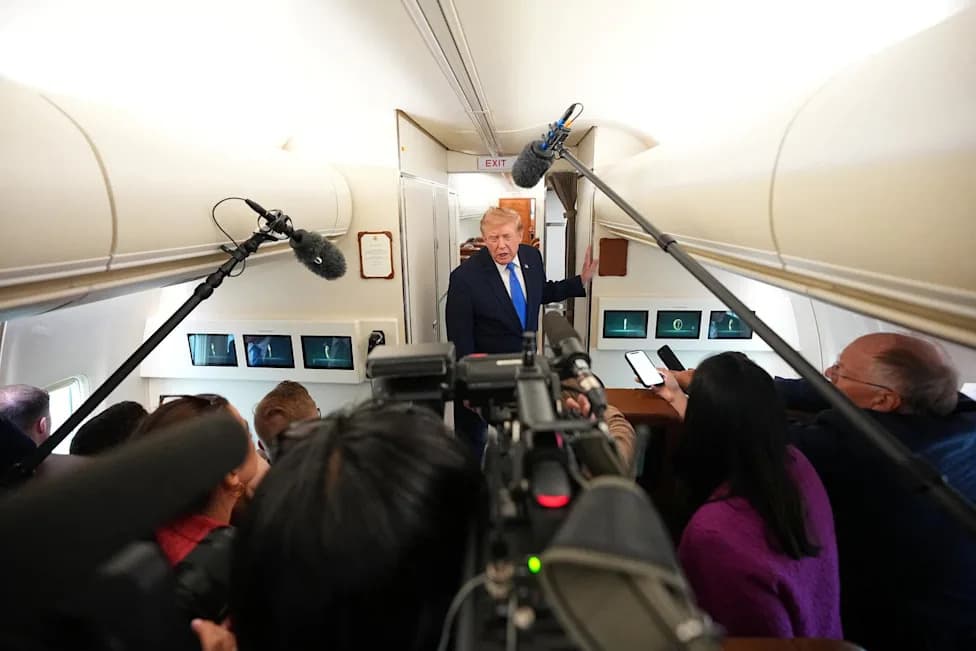
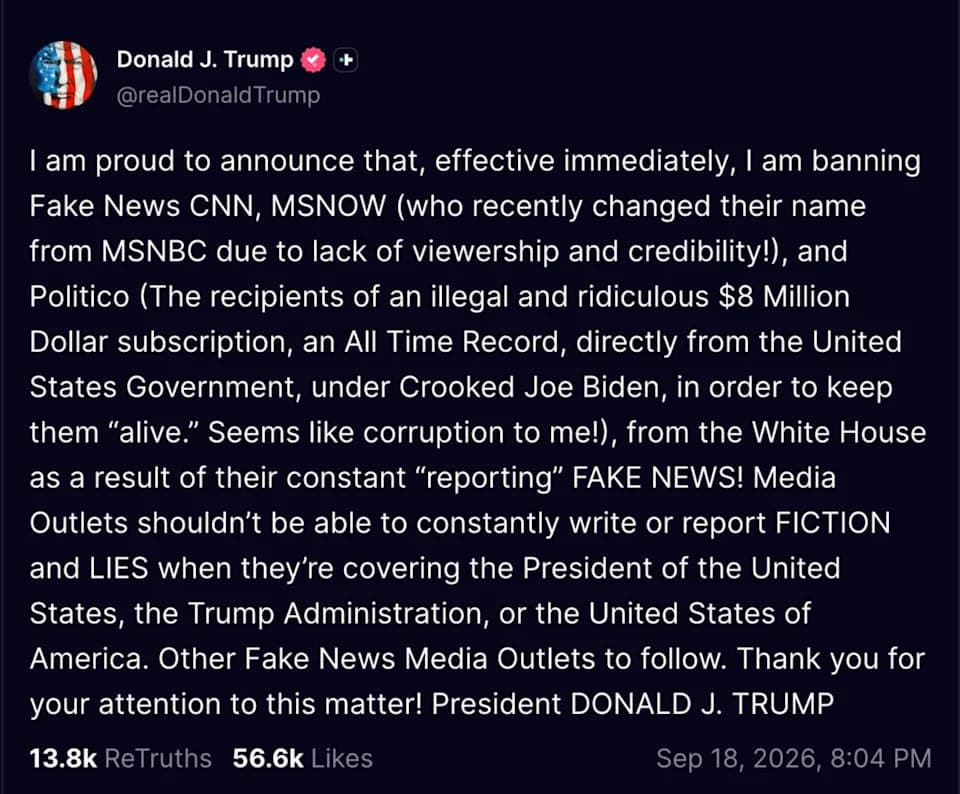
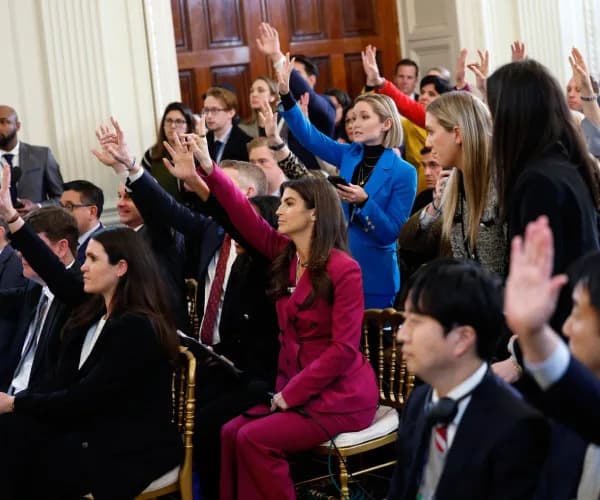
The rollout came amid a sharp confrontation between the White House and several news organizations. Last Friday, President Trump announced that CNN, MSNBC and Politico would be barred from White House access, citing what he called unfavorable and "fake" coverage. Reporters from the three outlets were subsequently denied entry to White House grounds.
On Monday, CNN, MSNBC and Politico filed a federal lawsuit arguing the administration's exclusions violated their First Amendment rights by retaliating against them for their reporting. The outlets asked a court to restore their credentials while the case proceeds.
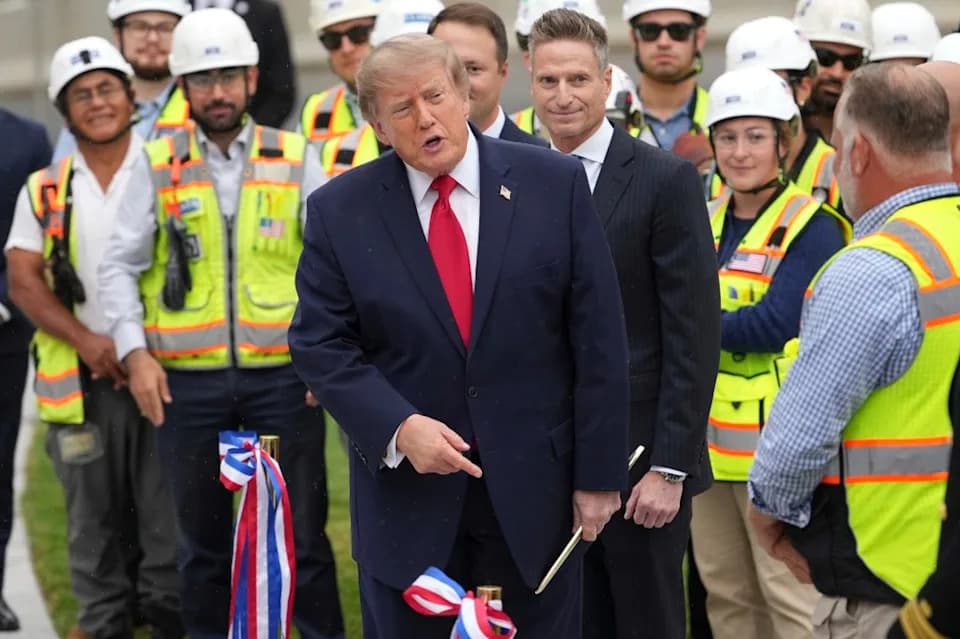
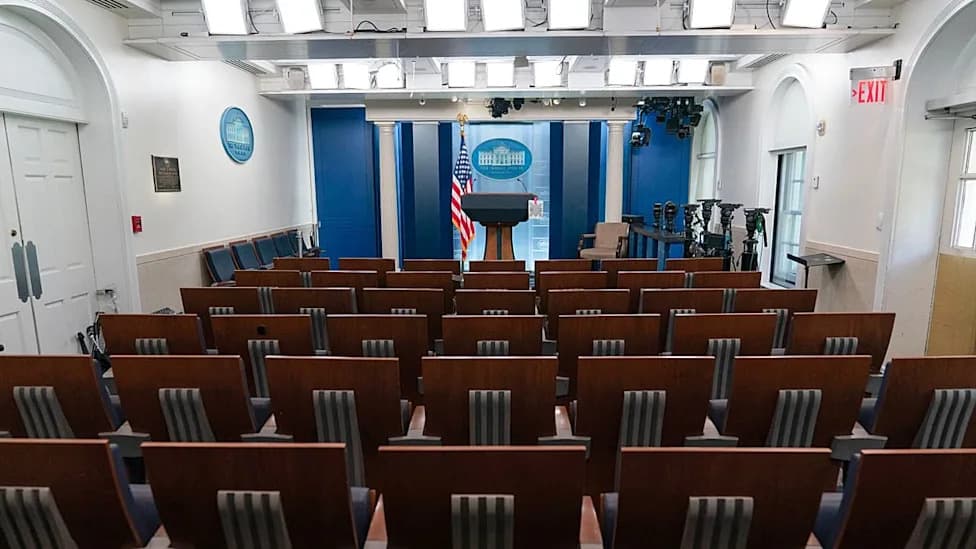
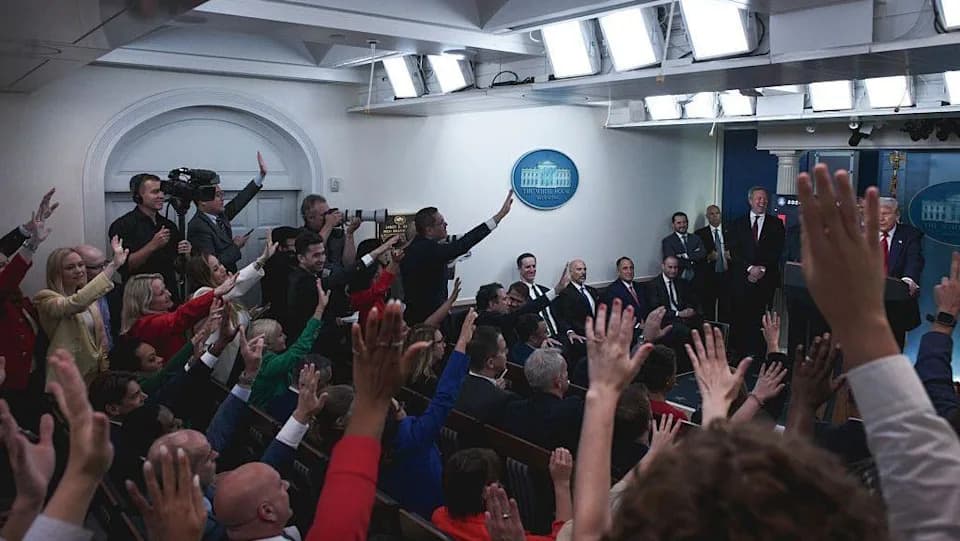
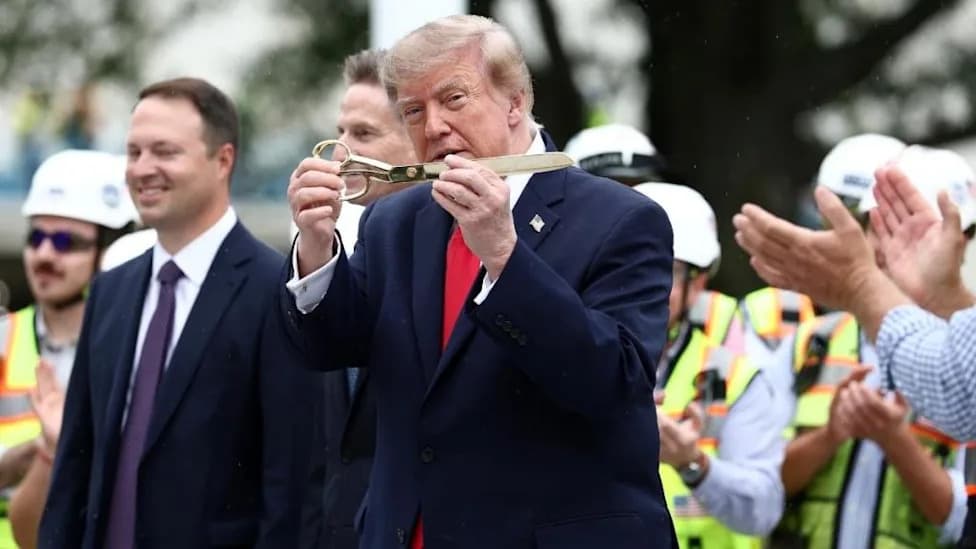
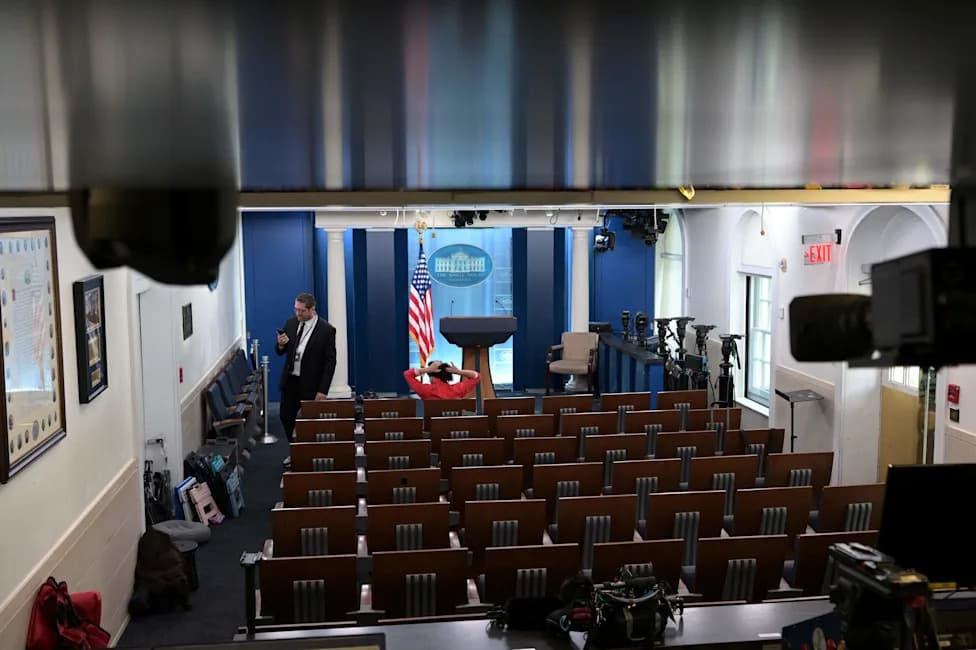
That legal fight contributed to an immediate operational effect: the television pool — which normally rotates coverage among ABC, CBS, CNN, Fox News and NBC and distributes footage to other newsrooms — said it would suspend pool coverage rather than appoint a replacement for CNN's scheduled pool duties. With the pool suspended, there was no traditional network pool camera covering the president's departure for the United Nations General Assembly; the White House instead relied on its own live feed to provide footage, including a ribbon-cutting for a new South Lawn helipad.
Critics quickly compared the new channel to state-run media in authoritarian systems, arguing a White House-owned livestream risks functioning like a propaganda outlet when used to bypass independent media. Commentators from across the political spectrum made that comparison: Breck Worsham, once a Trump supporter turned critic, called it "state run media," while others described the effort as a direct administration channel for messaging.
Analysts note that state-controlled media typically involve direct government control or influence over ownership, funding or editorial content — examples often cited include China Central Television (CCTV) and Xinhua in China and the heavily regulated television environment in Russia.
The administration maintains that its actions concern access, not speech: while the First Amendment protects a news organization's right to publish, it does not, the White House argues, guarantee any specific outlet automatic credentials, briefing-room seats or pool participation. The White House characterized the exclusions as a response to "years of false reporting."
The launch of TrumpTV does not resolve the pending legal dispute. Instead, it provides the administration an alternative channel to distribute video of the president and administration officials while courts consider the access challenge. How courts rule on the constitutional questions and how other news organizations respond will shape whether the new stream supplements or supplants traditional pool coverage.
From President Trump on Truth Social: "Fake News people and publications that only write negatively, and who violate our National Security by writing false and defamatory stories with unknown 'sources,' shouldn't be allowed access to the most important Office anywhere in the World."
Observers say the episode underscores broader tensions over press access, transparency and how governments use direct-to-public platforms in an era when officials can reach large audiences without traditional media intermediaries.
Help us improve.