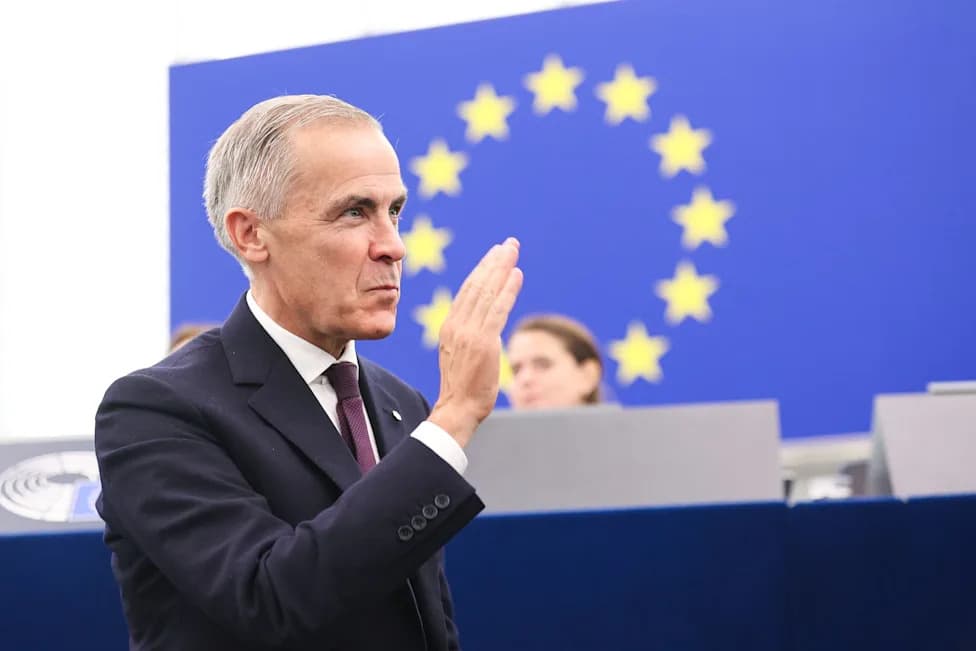
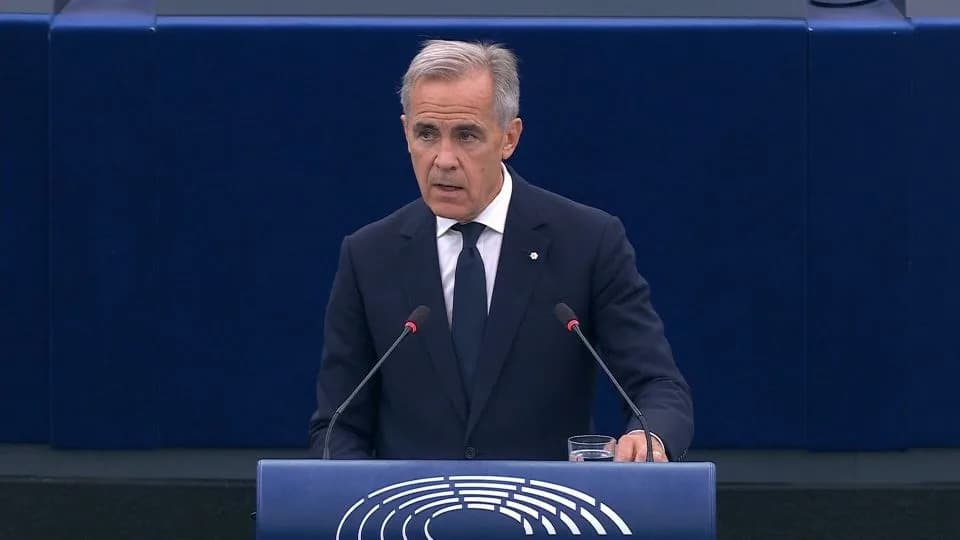
At the European Parliament in Strasbourg on Sept. 17, 2026, Canada’s prime minister Mark Carney urged deeper Canada–EU cooperation to build "strategic autonomy" in areas such as critical minerals, defence manufacturing, AI, energy security and space. He called for accelerated digital trade and expanded mobility for young people, framing the agenda as resilience rather than rivalry. The visit coincided with a proposal from the European Commission to consider Canada as the EU’s first associate member.
Carney Calls for Stronger Canada–EU Partnership, Seeks 'Strategic Autonomy' Amid Transatlantic Tensions
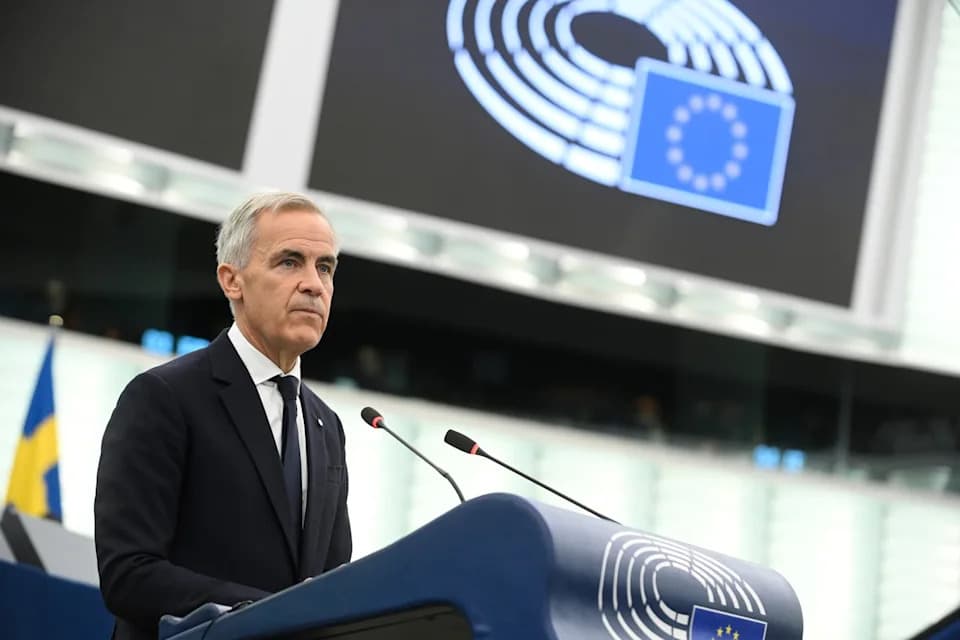
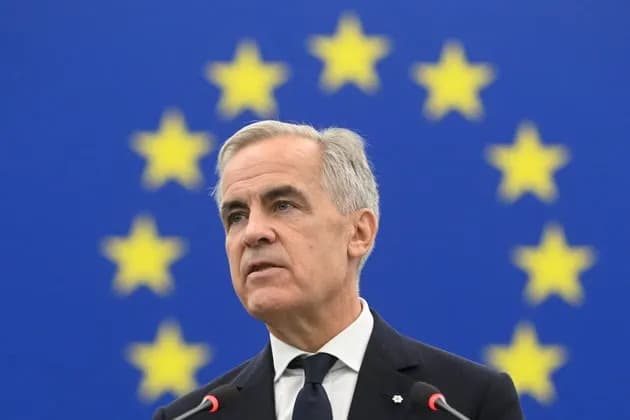
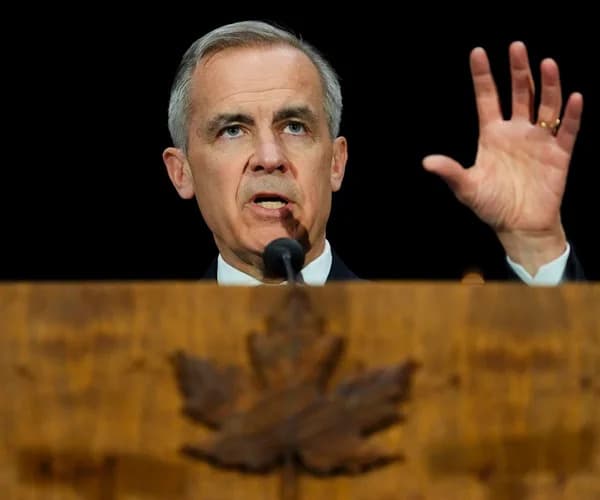
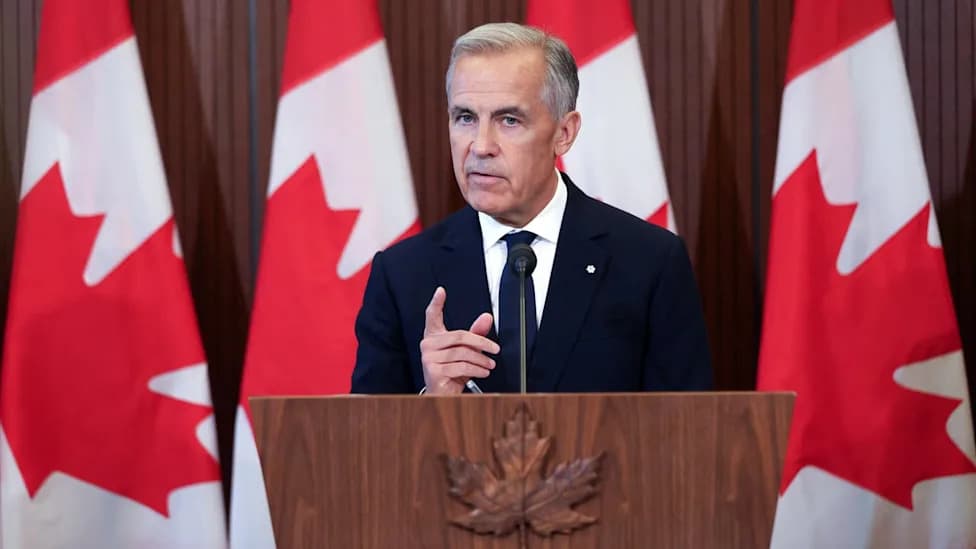
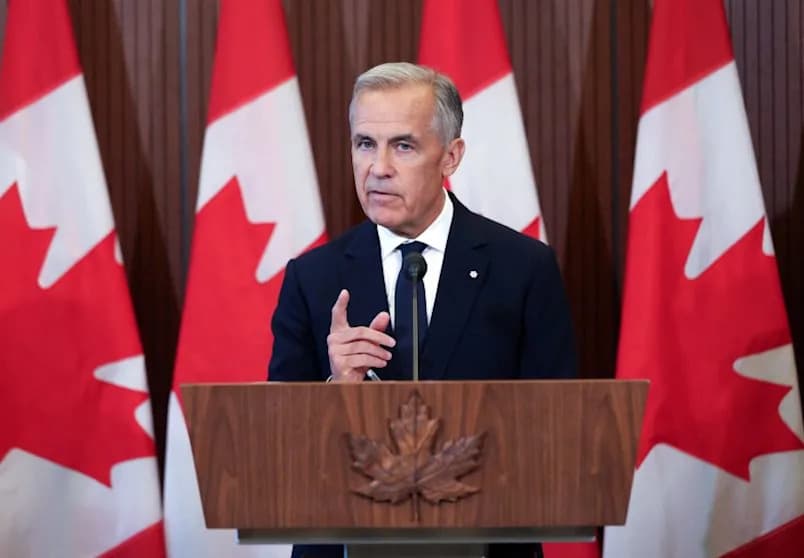
Pascal Bastien/AP Photo - PHOTO: Canada's Prime Minister Mark Carney delivers a speech during a formal sitting at the European Parliament in Strasbourg, France, on Sept. 17, 2026.
Speaking to lawmakers at the European Parliament in Strasbourg on Sept. 17, 2026, Canada’s prime minister, Mark Carney, urged closer cooperation between Canada and the European Union to strengthen resilience across trade, technology and security amid ongoing transatlantic tensions.
Carney framed the push as a practical partnership rather than a confrontational bloc. He said the two sides should build on their complementary strengths to scale supply chains, deepen digital trade and broaden people‑to‑people ties.
Strategic Priorities
Carney outlined concrete areas for collaboration under a shared goal of “strategic autonomy,” naming critical minerals, defence‑industrial capacity, artificial intelligence and computing, energy security and space as immediate priorities. He urged fast, deliberate action to shore up supply chains and technological capacity.
"Canada and Europe are each strong. Canada and Europe are stronger together. Where our strengths differ, they complement. Where they overlap, they create scale," Carney told the Parliament.
He also advocated for "seamless, digital trade in non‑agricultural goods and a wide range of services" and for expanded mobility so young people on both sides of the Atlantic can "work, study and live where they want."
Attempting to defuse concerns about rivalry, Carney quipped: "I'm not proposing a third bloc in order to become a great power rival -- only with better manners." His remark drew laughter; he did not explicitly name the United States or its president during the address.
EU Response: Potential Associate Membership
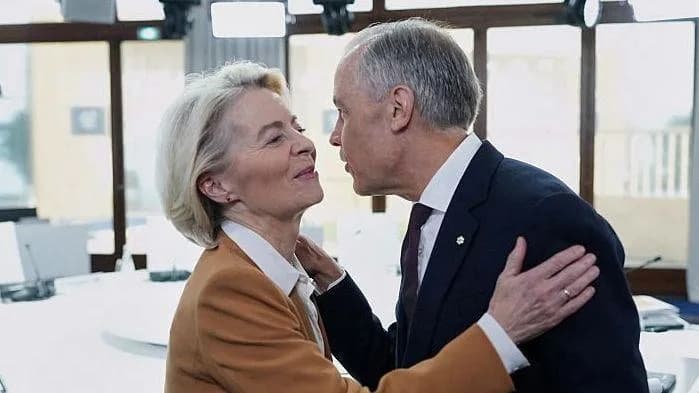
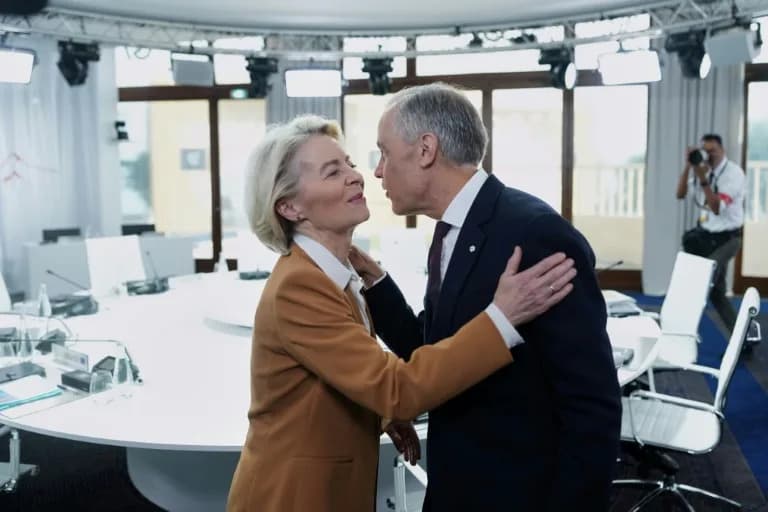
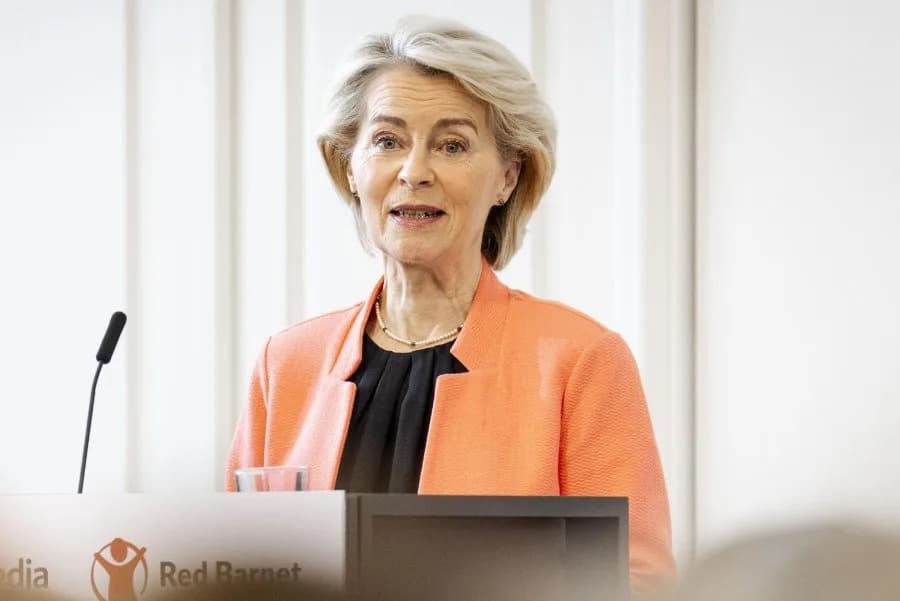
Carney's visit coincided with an unexpected diplomatic overture from Brussels. European Commission President Ursula von der Leyen proposed elevating ties by opening the door for Canada to become the EU’s first-ever "associate member."
"We want to bring the relationship with Canada to the highest level possible. We must urgently reimagine our partnerships," von der Leyen said in Strasbourg, signalling a potential deepening of institutional links.
Carney stressed the alliance’s defensive aims: "We do not seek power to dominate others. On the contrary, we are pursuing resilience so no one—no one—can control our open markets, impair our sovereignty, threaten our territorial integrity, or undermine our freedoms, our democracies, our rule of law."
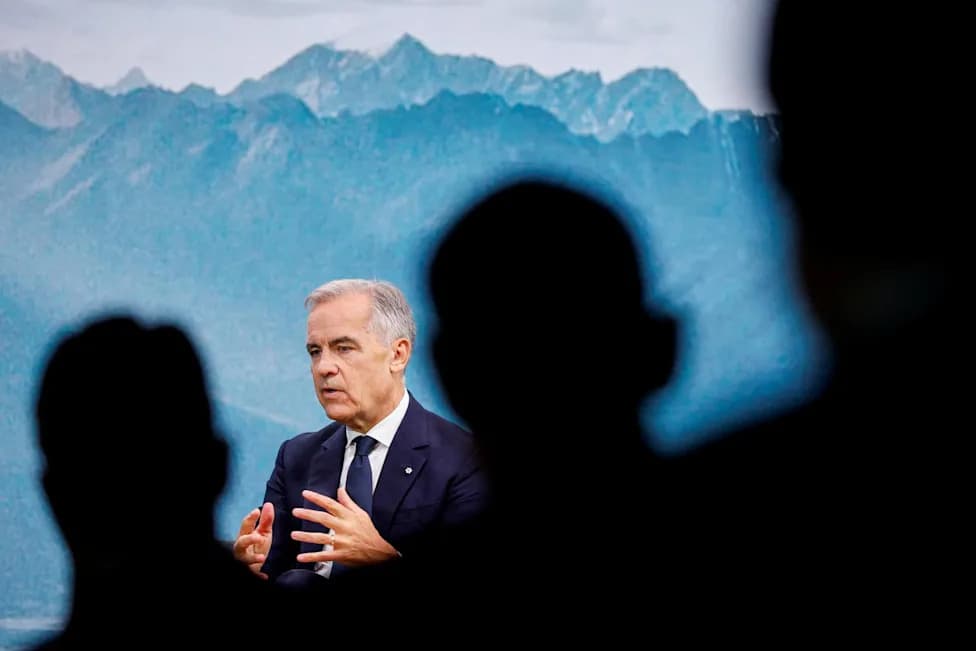
Photo: Pascal Bastien/AP — Canada’s Prime Minister Mark Carney delivering a speech at the European Parliament in Strasbourg, Sept. 17, 2026.
Carney’s proposals come as global trade frictions prompt Western partners to reassess supply chains and strategic cooperation. The discussions in Strasbourg could shape future transatlantic policy on trade, technology and security.
ABC News' Joe Simonetti contributed to this report.
Help us improve.