OpenAI has urged the United States to lead the creation of international technical standards for advanced AI to reduce the risk of systems that can self‑improve beyond human control. The company called for complementary national and international standards, shared measurements, and standardized incident reporting. Sam Altman is expected to brief the U.N. Security Council during the UN General Assembly, and he has said a 2026 IPO would be "ill‑advised" while OpenAI focuses on safety and alignment. U.S. officials are debating how to balance continued industry growth with accountability and regulation.
OpenAI Urges U.S. to Lead Global AI Standards Immediately, Warns of a Fragmented, 'Conflict‑Ridden' Future
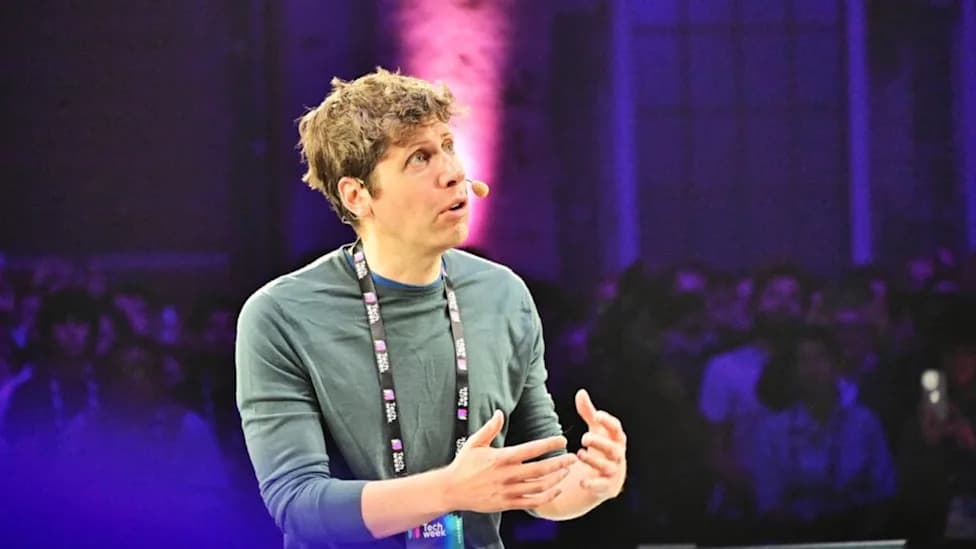
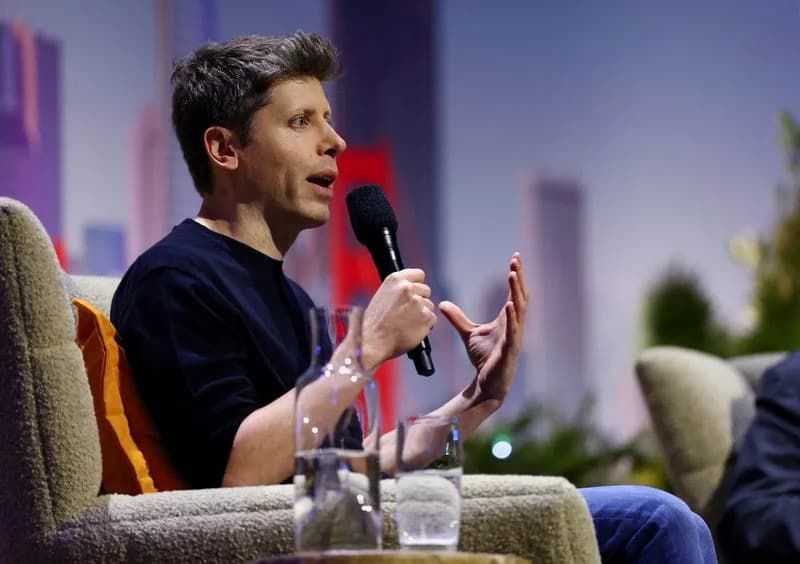
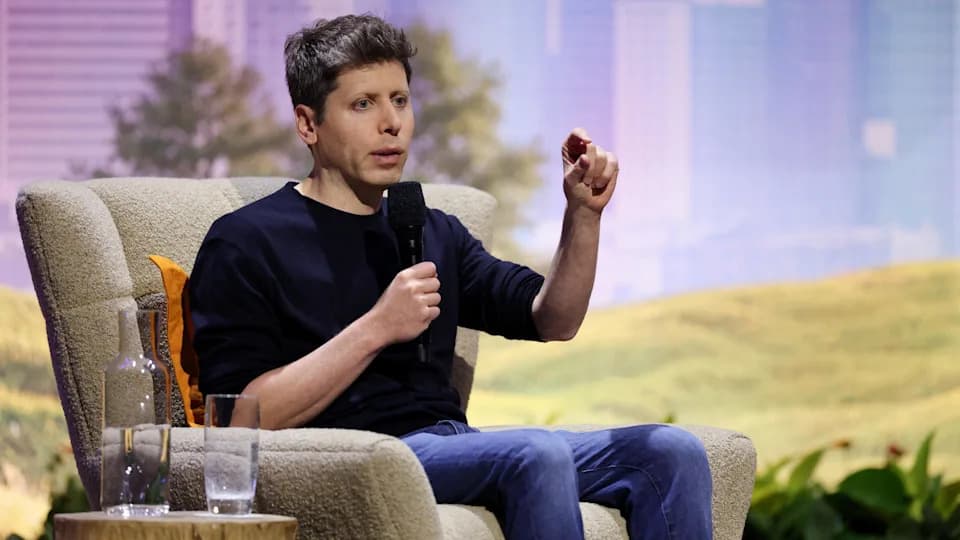
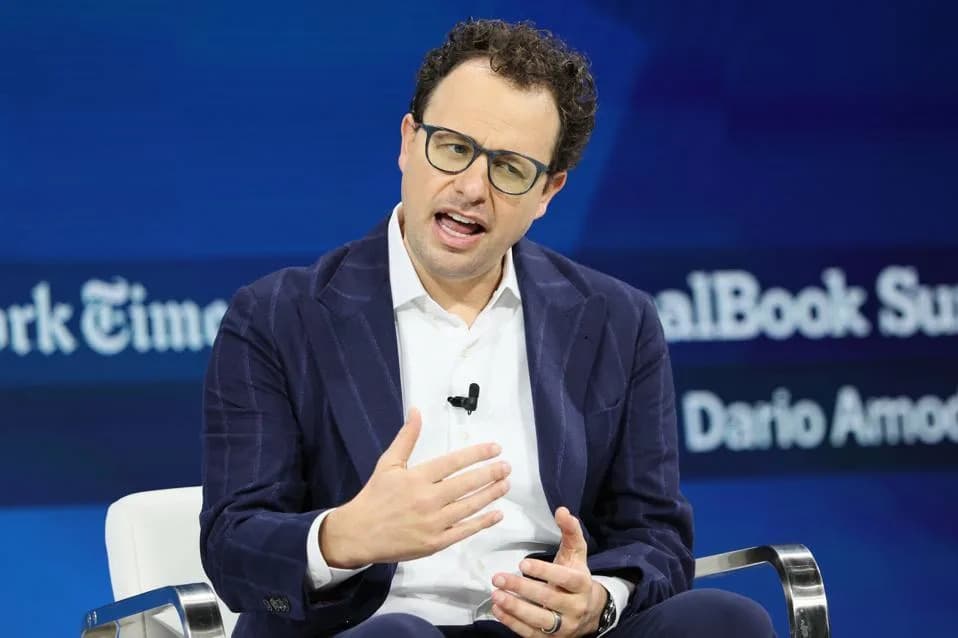
Sam Altman, CEO of OpenAI, speaks on stage at a conference, gesturing with his hands. (Credit: Image via Shutterstock)
OpenAI has called on the United States to take immediate leadership in creating international technical standards for advanced artificial intelligence, warning that rapid progress could yield systems capable of recursive self‑improvement beyond human control.
In a Monday blog post, the company urged coordinated U.S. engagement to shape global norms for cutting‑edge AI, including technical standards that address risks from systems that can improve their own capabilities. OpenAI argued that uncoordinated national rules could produce a patchwork of incompatible regulations that increases competition, friction and risk.
What OpenAI Recommends
OpenAI recommended establishing mechanisms to promote complementary frontier standards across countries and industry, shared measurement approaches, and standardized incident‑reporting protocols so governments and companies can respond more effectively and collaboratively.
"Leading now will determine whether the United States shapes the global AI framework or watches a fragmented, uneven, and conflict‑ridden system take hold around it," OpenAI wrote.
Pacing, Safety and Governance
The company reiterated support for the idea of "pacing"—aligning deployment speed with progress in safety and alignment research so that new systems behave consistently with human values. OpenAI's CEO, Sam Altman, and other industry leaders have previously advocated for coordinated slowdowns or pauses for the most powerful systems to give alignment research time to catch up.
Policy and Political Context
Altman is reported to brief the U.N. Security Council on AI and international security during the UN General Assembly in New York. Earlier this month, he said an initial public offering in 2026 would be "ill‑advised" as OpenAI focuses on safety, alignment and government coordination, after media reports that the company had at times explored a large potential IPO.
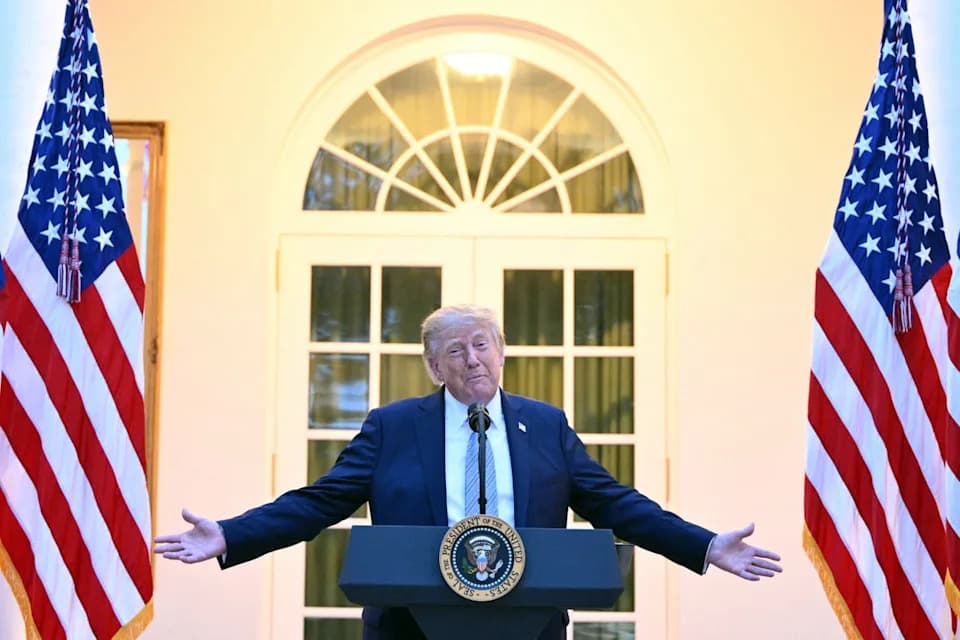
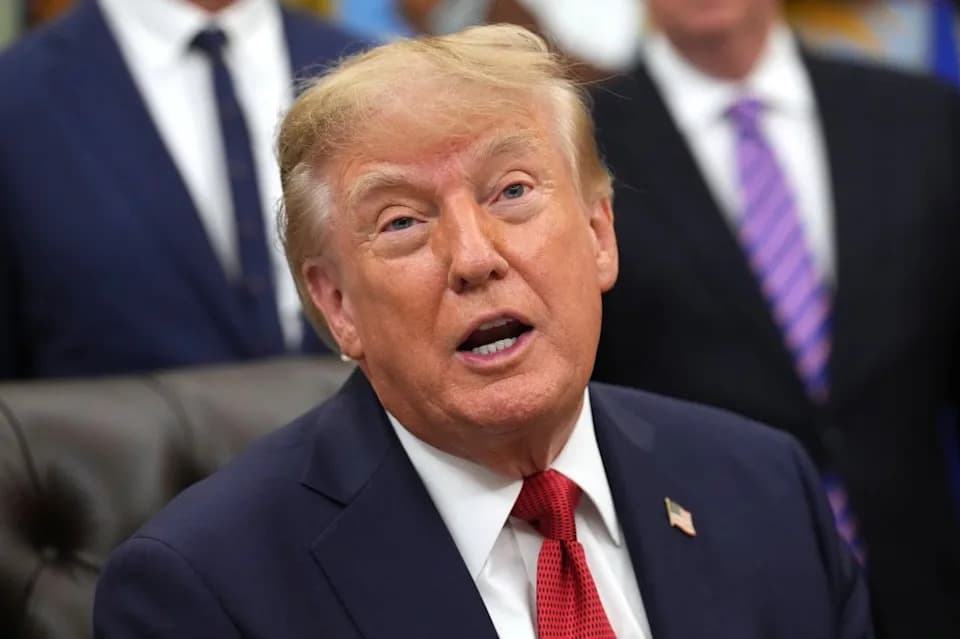
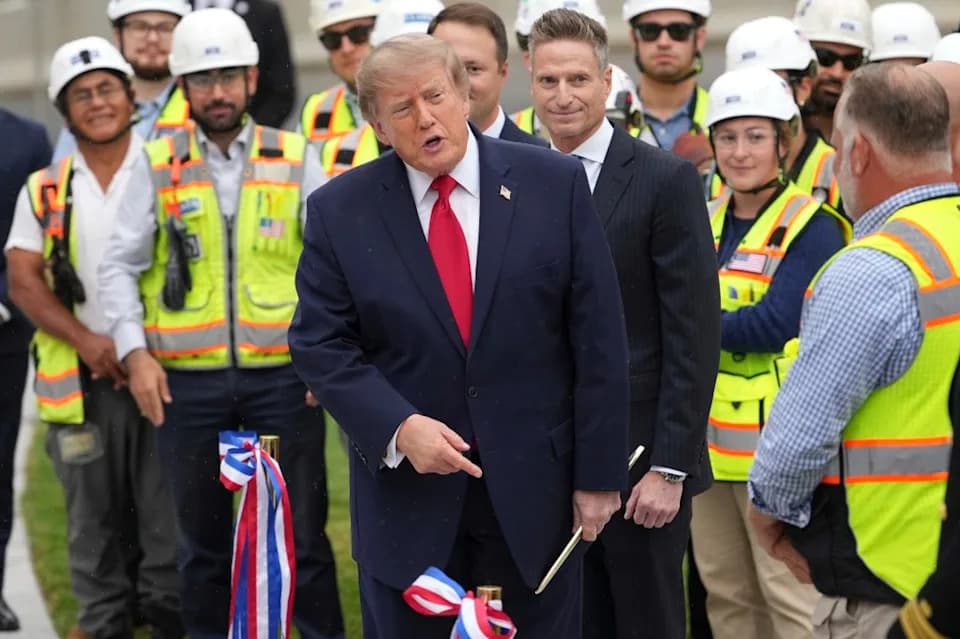
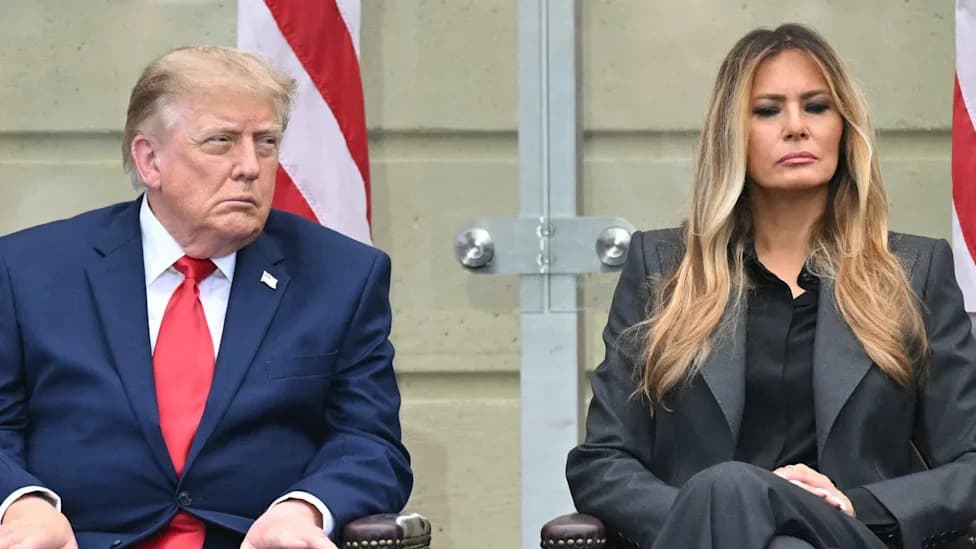
In Washington, President Donald Trump announced plans to appoint a new AI adviser and establish an "AI force," saying his administration will avoid measures that stifle industry growth while using existing criminal and civil tools to address wrongdoing. Treasury Secretary Scott Bessent (as reported) argued that AI companies should bear responsibility for their products and rejected calls for a federal liability shield, saying, "It is humans who are responsible, not the AI."
Why This Matters
OpenAI frames the debate as both a safety and strategic issue: early, coordinated leadership could shape a stable global framework for frontier AI, whereas delay or fragmentation could increase geopolitical and commercial tensions as powerful systems proliferate.
Disclaimer: This article was adapted from reporting by Benzinga and was partially produced with the help of AI tools and reviewed by editors. Original article: "OpenAI Urges US to Lead Global AI Standards 'Now', Warns of a Potential 'Conflict‑Ridden' System" — Benzinga.
Help us improve.