The Trump administration is preparing entity-wide U.S. sanctions targeting the International Criminal Court in response to its investigations and arrest warrants involving Israeli officials and previous probes into U.S. forces. Proposed measures could cut the ICC off from dollar-based financial systems, impose travel restrictions on staff and force service providers to halt contracts. The ICC and some EU officials are exploring legal countermeasures, including the use of a blocking statute, but significant political and practical hurdles remain. Sanctioning an entire international court would be an unprecedented step with broad implications for global justice.
How Proposed U.S. Sanctions Could Cripple the International Criminal Court
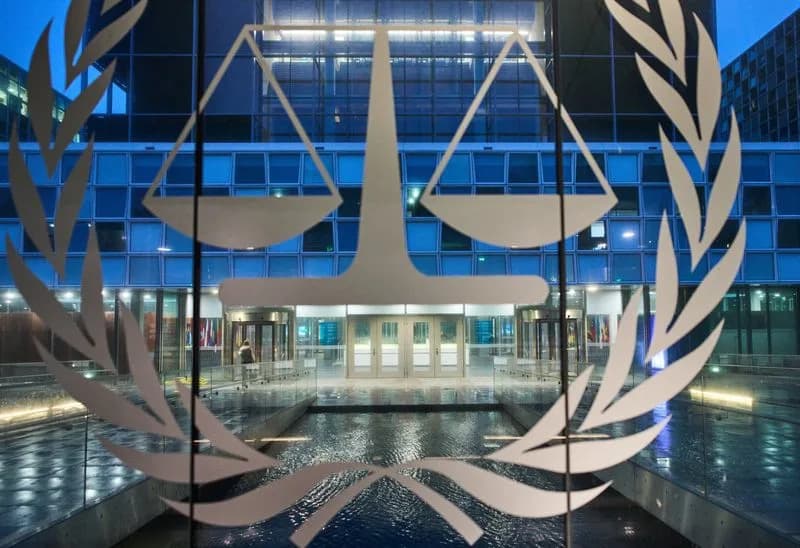
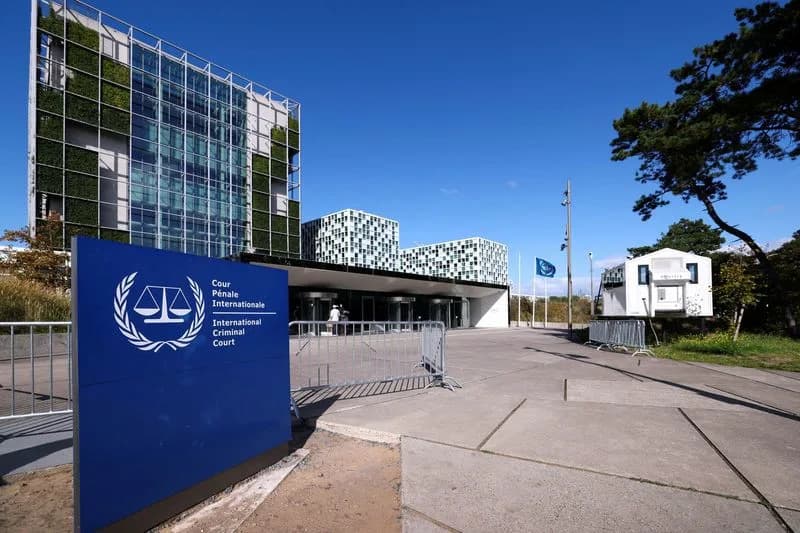
Exterior view of the International Criminal Court (ICC), in The Hague, Netherlands, December 9, 2025. Peter Dejong/Pool via REUTERS
THE HAGUE — The Trump administration is preparing a package of sanctions aimed at the International Criminal Court (ICC), a step that would significantly constrain the court's finances, operations and global reach. The measures appear targeted at pressuring the ICC after investigations and arrest warrants related to Israeli officials and prior probes involving U.S. forces.
Why Is Washington Moving Against the Court?
U.S. pressure on the ICC intensified after the court issued warrants for Israeli officials and after a previous inquiry into alleged actions by U.S. forces in Afghanistan. Senator Marco Rubio and other U.S. officials have framed the court as a potential threat to U.S. sovereignty and the security of its allies, and U.S. policymakers have urged allies to reduce support for the institution. In public statements, some U.S. leaders have signaled they will use all available tools to counter the court's actions.
What Would Sanctions Affect?
Sources say Washington is preparing entity-wide restrictions that could extend to the entire ICC, which employs roughly 900 staff from about 100 countries. Designations by the U.S. Treasury could bar U.S. persons and firms from providing funds, services or goods to the court without an OFAC license. Practical consequences could include blocked personal credit cards for staff, revoked or denied U.S. visas, terminated contracts with providers of data storage, email and other services, and limits on hiring outside investigators.
Beyond direct bans, sanctions could create a powerful deterrent effect: non-U.S. banks, technology firms and contractors may decline to work with the court to avoid legal, financial and reputational risk.
How Could The Court Keep Operating?
Escaping the effects of such sanctions would be difficult. The U.S. dollar is central to global finance, and access to dollar clearing is a major lever for U.S. policy. While payments and services can theoretically be rerouted through non-dollar systems, the real-world risk faced by institutions that transact with a sanctioned entity would sharply limit those options.
ICC President Judge Tomoko Akane has urged the European Union to consider countermeasures such as a so-called blocking statute, which would prohibit EU companies from complying with certain U.S. sanctions deemed unlawful by Brussels. All EU member states are parties to the ICC, but it is unclear whether there is sufficient political consensus in the EU to mount an effective legal or economic defense.
Is There Any Precedent?
The Trump administration previously imposed sanctions on individual ICC staff members in 2020 in response to an Afghanistan investigation. U.S. presidents commonly use emergency authorities to target foreign actors deemed threats to U.S. interests, including terrorists, narcotics networks and rogue officials. But sanctioning an entire international judicial institution that serves as a court of last resort for war crimes, crimes against humanity and genocide would be an unprecedented escalation.
Potential Global Impact
If implemented, sanctions on the ICC could reshape international justice by hindering investigations, complicating cooperation with national authorities and chilling private-sector partners. The move would also raise broader questions about the use of economic power to influence international legal institutions.
Reporting: Anthony Deutsch and Stephanie van den Berg. Additional reporting: Jan Strupczewski. Editing: Andrew Heavens.
Help us improve.