A multinational team led by the Wellcome Sanger Institute sequenced DNA from nearly 500 feline tumors across five countries and 13 cancer types, revealing many of the same driver mutations found in humans. TP53 was mutated in 33% of cat tumors, mirroring human data, and FBXW7 was altered in over half of feline mammary cancers. Targeted drugs sometimes worked better against cells with FBXW7 mutations, and UV-damage signatures in skin tumors paralleled patterns in human melanomas. The raw genetic data for 493 tumors is now publicly available, advancing One Health and comparative oncology.
How Your Cat Could Help Fight Human Cancer: Landmark Study Maps 493 Feline Tumors
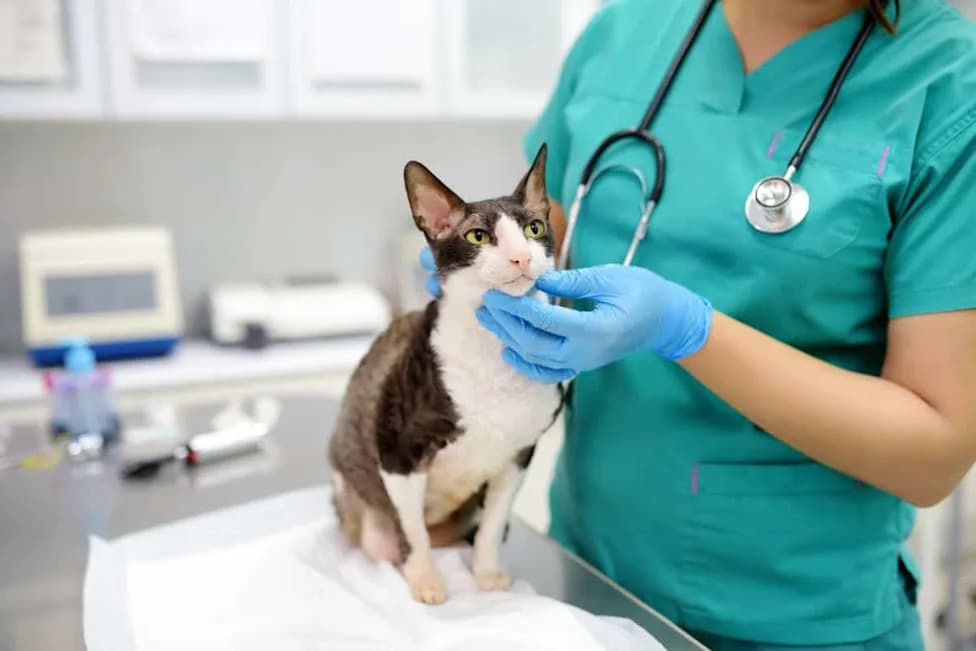
This Unexpected Role Your Cat Could Play In The Fight Against Cancer© Maria Sbytova/ via Canva.com
For years, pet cats have been companions and medical curiosities. Now, a major international study has placed them at the center of comparative cancer research. Published in early 2026 in Science, a team led by the Wellcome Sanger Institute—working with Cornell University, the Ontario Veterinary College and the University of Bern—sequenced DNA from nearly 500 feline tumors collected across five countries and 13 tumor types.
Key Genetic Overlaps With Human Cancer
The analysis revealed striking parallels between feline and human cancers. Many of the same driver mutations that fuel human tumors were found repeatedly in cats, often at similar frequencies. Notably, the tumor suppressor gene TP53 was mutated in 33% of the cat tumors analyzed—nearly matching the ~34% mutation rate reported in large human cancer datasets.
©knape/ via Canva.com
Mammary Cancer and FBXW7
The team paid special attention to feline mammary (breast) cancer and identified seven genes linked to the disease. FBXW7 emerged as a leading candidate, altered in more than half of the mammary tumors studied; that same gene is associated with aggressive breast cancers in people. In laboratory tests, some targeted chemotherapy agents worked better on tumor cells carrying FBXW7 mutations, suggesting potential translational benefits for both species.
Environmental Signatures and One Health
The study also traced environmental influences on tumors. Feline skin carcinomas carried genetic signatures consistent with ultraviolet (UV) damage—patterns resembling those seen in certain human melanomas. As Dr. Latasha Ludwig, a study coauthor, put it, "We don't treat these problems as separate anymore, but as a shared biological challenge." Dr. Bruce Kornreich of Cornell emphasized that companion animals share homes, air and exposures with people, making them valuable sentinels for common cancer risks.
©pixelshot/ via Canva.com
Data for the Research Community
All raw genetic data—profiles from 493 feline tumors—are now publicly available, creating a resource for comparative oncology worldwide. Dr. Louise Van Der Weyden, the study's lead author at the Wellcome Sanger Institute, called the release the field's biggest advance yet. The researchers say this work advances a precision approach focused on treating specific mutations rather than relying solely on species or tumor type.
"We are moving toward treating specific mutations, not just categorizing by species or tumor type," said Dr. Ludwig.
By revealing deep molecular similarities between cat and human cancers, the study strengthens the One Health case: pets are not just companions but partners in efforts to decode and ultimately improve treatment of cancer across species.
Help us improve.